


Strait of Hormuz Crisis Drives Oil to $100+ | Logistics Cost Surge for Cross-Border Sellers
- Oil prices surge 40+ points in 5 days; Shipping costs rise 15-25% for Asia-Pacific sellers; Fuel surcharges spike across all carriers











Overview
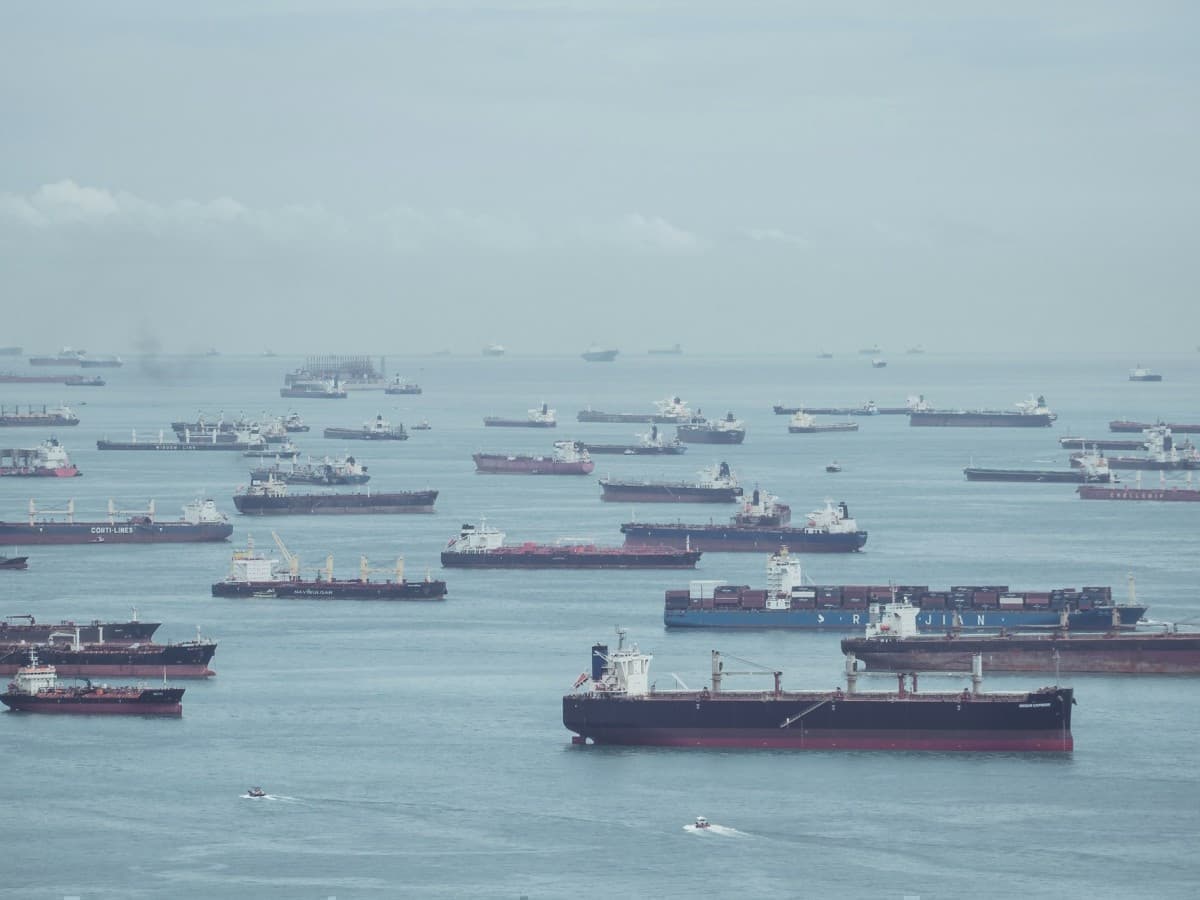
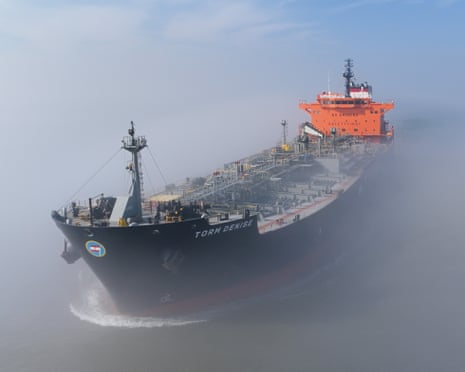
The March 2026 Iran conflict has triggered the most severe oil supply disruption in modern history, with crude prices surging above $100 per barrel for the first time in four years. WTI crude jumped $40+ per barrel in just five trading sessions, with Brent crude rising 6.8% to $98.96 and US crude settling at $94.77 (up 4.3%). The primary mechanism: Iran's threats to attack tankers transiting the Strait of Hormuz—a critical chokepoint through which 20% of global oil and 20% of liquefied natural gas flows—has created a near-complete standstill in regional oil pickups and deliveries. According to Rapidan Energy Group's analysis, this 20% supply disruption is roughly twice the magnitude of the 1956-1957 Suez Crisis, the previous record disruption event.
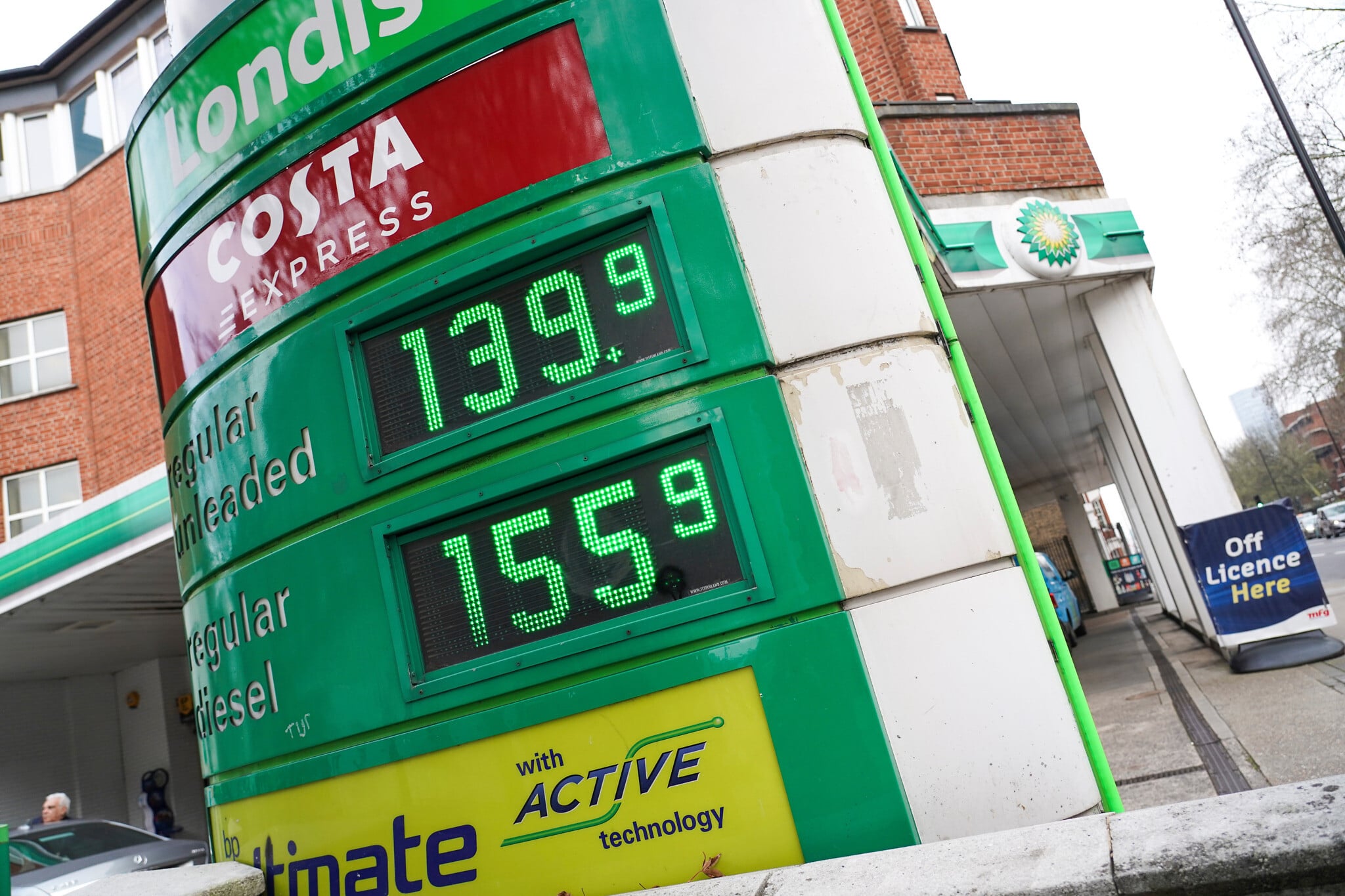
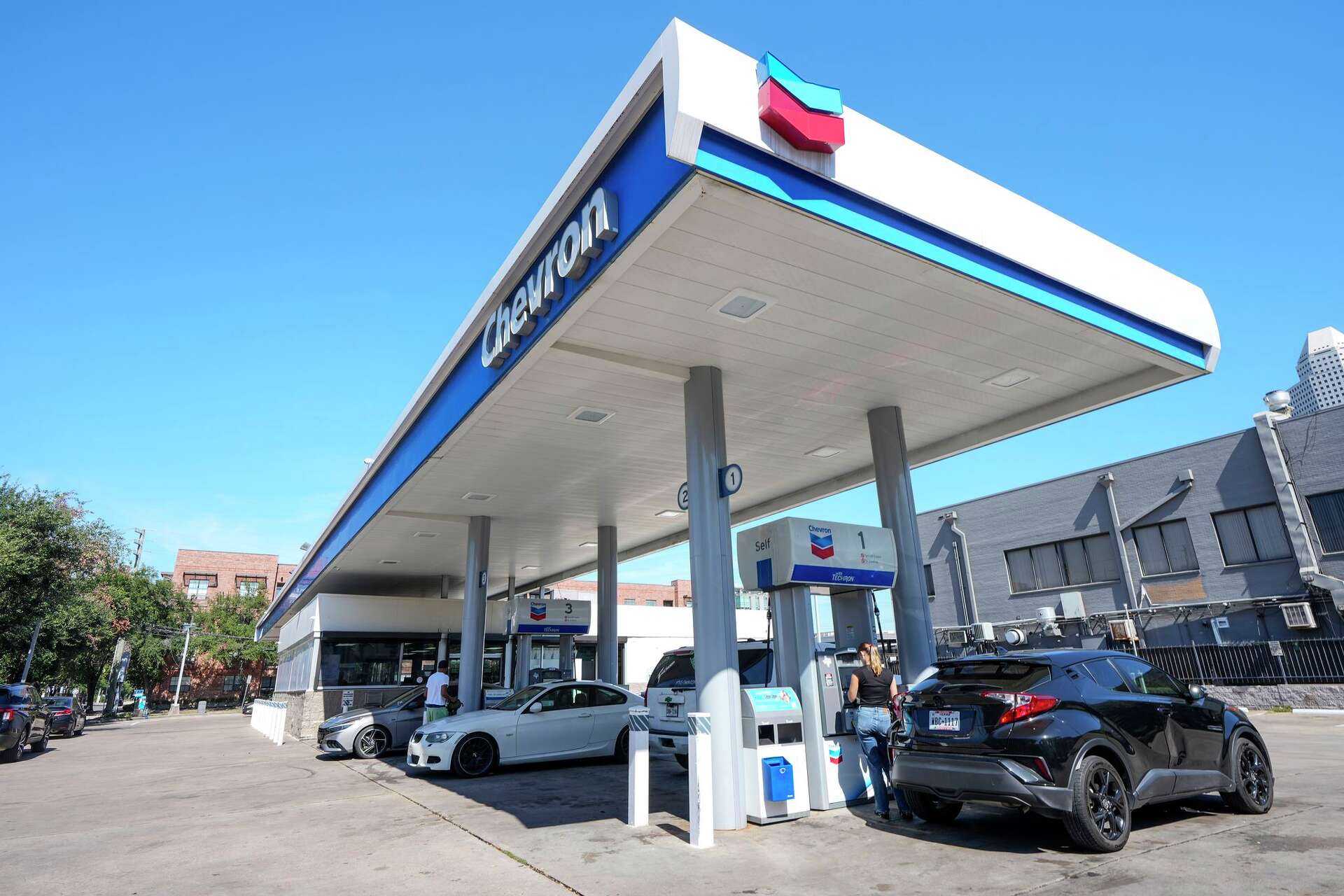
For cross-border e-commerce sellers, the operational impact is immediate and severe. Gasoline prices have risen approximately 50 cents per gallon within one week, reaching $3.48 per gallon—the highest level in recent years. This directly translates to elevated fuel surcharges across all shipping methods: ocean freight carriers are implementing 8-15% fuel surcharges on top of base rates, while air freight premiums have spiked 20-25% due to increased jet fuel costs. Asia-Pacific sellers face the most acute pressure, as the region receives 80% of Strait oil exports and over 90% of LNG shipments, making regional logistics costs particularly vulnerable. Sellers relying on just-in-time inventory models from Chinese, Vietnamese, and Indian suppliers face compressed margins as transportation costs rise faster than they can adjust pricing. The conflict's unexpected duration has shifted trader sentiment from early complacency (with 2027-2028 futures trading in the high $60s) to recognition that disruptions may persist well beyond March 2026, creating sustained cost pressures throughout Q2-Q3 2026.
Strategic logistics opportunities emerge from this disruption. Sellers should immediately evaluate alternative shipping routes: Southeast Asian ports (Singapore, Port Klang, Bangkok) now offer cost advantages over Middle Eastern transshipment hubs due to reduced congestion and lower insurance premiums. Ocean freight from China to US East Coast via Suez alternatives (routing around Africa) adds 10-14 days but may offer 5-8% cost savings compared to congested direct routes. Warehouse positioning becomes critical: sellers should consider pre-positioning inventory in US, EU, and Southeast Asian fulfillment centers NOW before Q2 peak season, as storage costs remain stable while shipping costs spike. For high-margin, time-sensitive categories (electronics, fashion, beauty), air freight cost increases of $0.15-0.35/kg make dropshipping and POD (print-on-demand) models increasingly attractive compared to traditional FBA strategies. Sellers should monitor crude oil futures as a leading indicator—if prices stabilize below $85/barrel, shipping costs will normalize by Q3; if prices remain above $100, expect sustained 12-18% logistics cost increases through year-end.
Questions 7
When will shipping costs normalize and oil prices stabilize?
Oil traders initially expected rapid conflict resolution with 2027-2028 futures trading in the high $60s, but the conflict's unexpected duration has shifted sentiment. If Strait of Hormuz remains partially blocked, crude could remain above $90/barrel through Q3 2026, keeping shipping costs elevated 12-18 months. Daniel Yergin (S&P Global) notes that while large tanker traffic has resumed, shipping industry participants remain hesitant due to drone attack and speedboat threats, with elevated insurance rates deterring normal operations. Strategic petroleum reserve releases could moderate prices to $75-85/barrel by Q3, normalizing shipping costs. Recommendation: Plan for elevated logistics costs through Q3 2026; lock in carrier contracts at current rates for Q2-Q3 shipments; monitor crude oil futures daily as a leading indicator—if WTI drops below $85/barrel, shipping costs will normalize within 2-3 weeks.
How does this oil crisis affect FBA vs. FBM vs. dropshipping models?
**FBA (Fulfillment by Amazon)** becomes less attractive for low-margin categories due to increased inbound shipping costs and storage fees. For products with 40%+ margins, FBA remains viable; for 20-30% margin items, FBM or dropshipping are now more profitable. **FBM (Fulfillment by Merchant)** with 3PL providers in Mexico or Southeast Asia offers 15-20% cost advantages over FBA for high-volume sellers (1000+ units/month). **Dropshipping and POD models** become increasingly attractive for time-sensitive, low-velocity items where shipping cost increases are passed to consumers. Sellers should calculate landed costs: if inbound FBA costs exceed 18-22% of product cost, shift to FBM or dropshipping. For electronics and fashion (high-velocity categories), FBA remains optimal; for home goods and specialty items, 3PL or dropshipping offer better margins.