




Japanese RPG Revival Signals $2B+ Gaming Merchandise Opportunity for Cross-Border Sellers
- Falcom's 670% profit surge from global game launches creates demand for collectibles, merchandise, and retro gaming products across Amazon, eBay, and specialty platforms





Overview
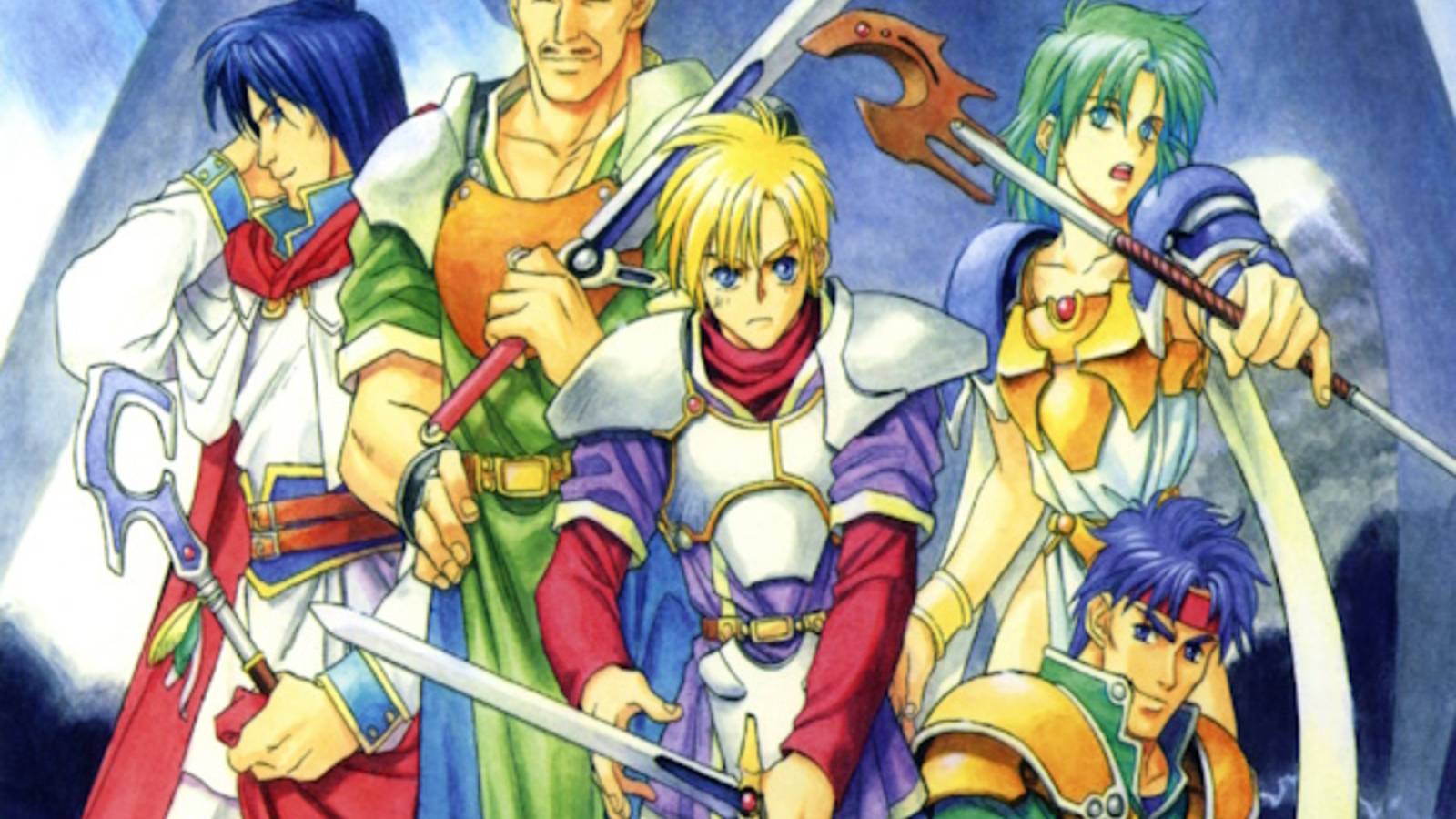
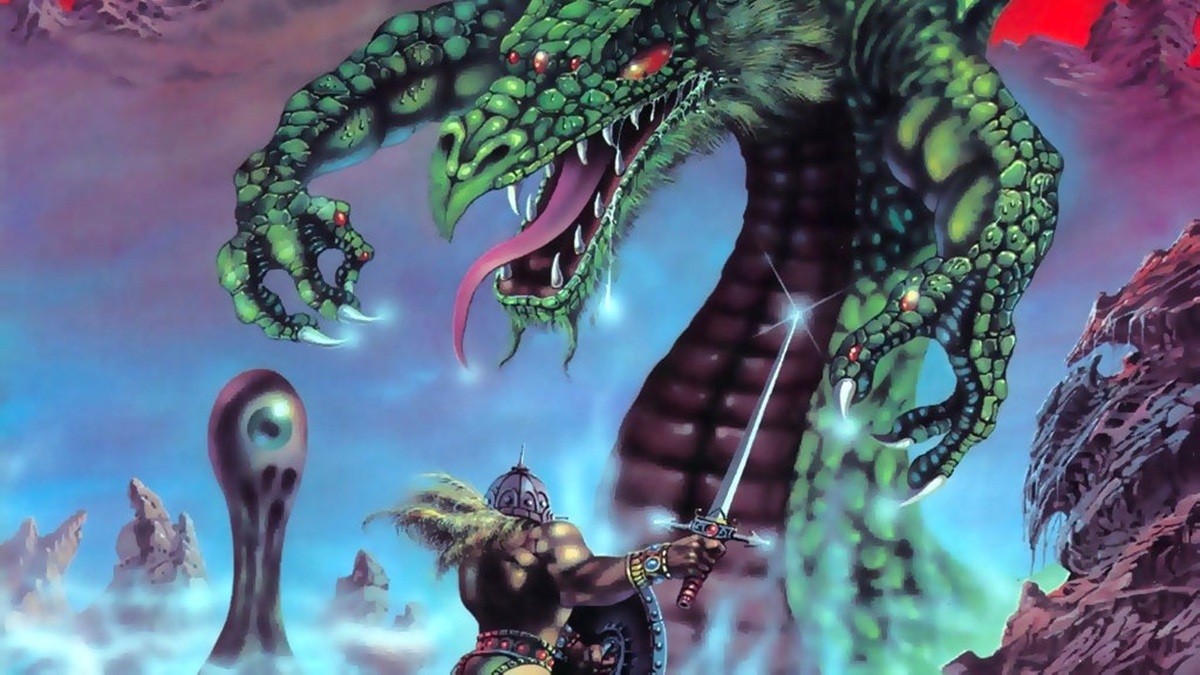
Falcom's Dragon Slayer franchise revival represents a significant market opportunity for cross-border e-commerce sellers targeting gaming enthusiasts and collectibles buyers. The Japanese developer announced the return of Dragon Slayer—dormant for 40 years since its 1984 PC-8001 launch—as part of strategic expansion capitalizing on renewed global interest in classic Japanese RPGs. This announcement follows Falcom's recent global launches of Trails in the Sky: First Chapter and Trails beyond the Horizon, which generated a 670% profit increase driven primarily by international licensing fees and expanded distribution partnerships. The company's success demonstrates strong cross-border demand for Japanese gaming IP, with Falcom president Toshiro Kondo emphasizing the studio's commitment to creative individuality as a competitive advantage against larger studios in China and Korea.
For e-commerce sellers, this news signals multiple revenue opportunities across product categories. The gaming merchandise market—including collectibles, apparel, accessories, and retro gaming products—represents a $2-3B annual opportunity on platforms like Amazon, eBay, Etsy, and specialty gaming retailers. Falcom's strengthened global distribution partnerships and international publishing relationships indicate increased availability of official merchandise, creating demand for complementary products: replica collectibles, gaming guides, fan art, vintage console emulators, and themed apparel. Sellers specializing in Japanese gaming content have historically seen 40-60% sales increases during major franchise announcements and game launches. The Dragon Slayer revival targets "audiences who never experienced the original series," suggesting a broad demographic reach beyond hardcore gamers—including casual players, retro gaming enthusiasts, and collectors aged 25-45 with disposable income for premium merchandise.
Strategic implications for sellers include inventory positioning and marketplace optimization. The February 2026 announcement of Tokyo Xanadu 2 alongside the Dragon Slayer revival indicates Falcom's aggressive 2026 release schedule, creating sustained demand windows across Q1-Q4. Sellers should monitor console game pre-orders, merchandise licensing announcements, and fan community engagement on Reddit, Discord, and Twitter to identify trending products. The Trails franchise's evolution from Dragon Slayer demonstrates how successful game franchises generate 5-10 year merchandise lifecycles, providing long-term revenue stability. Cross-border sellers shipping to Japan, North America, and Europe can capitalize on regional demand variations—Japanese collectors prioritize limited editions and imports, while Western audiences favor English-localized merchandise and digital content. Falcom's emphasis on "personal creative preferences and individual flair" suggests authentic, niche products will outperform mass-market alternatives, favoring sellers with specialized knowledge and curated collections over generic gaming merchandise dropshippers.
Questions 7
When should sellers begin inventory planning for Dragon Slayer products?
Sellers should begin inventory planning immediately following the March 2026 announcement. Falcom's aggressive release schedule (Dragon Slayer revival + Tokyo Xanadu 2 in February 2026) creates multiple demand windows. Historical patterns show gaming merchandise sales peak 2-4 weeks before and after major game launches. Sellers should: (1) Monitor official Falcom announcements for release dates and merchandise licensing details by April 2026; (2) Source inventory by May-June 2026 for Q3 launch window; (3) Optimize Amazon/eBay listings by July 2026; (4) Plan marketing campaigns 4-6 weeks before anticipated release. Early movers gain competitive advantage through inventory availability and search ranking establishment.
What competitive advantages do niche sellers have over mass-market dropshippers?
Falcom president Toshiro Kondo emphasized the company's competitive advantage comes from 'personal creative preferences and individual flair,' creating unique charm competitors cannot replicate. This philosophy applies directly to sellers: niche, curated collections with authentic knowledge outperform generic mass-market merchandise. Specialized sellers focusing on specific audience segments (hardcore fans, collectors, retro gaming enthusiasts) can command premium pricing and build loyal customer bases. Mass-market dropshippers compete on price alone and lack differentiation. Successful sellers should develop expertise in Dragon Slayer lore, build community engagement, curate limited editions, and create authentic products reflecting franchise values rather than pursuing volume-based commodity sales.