



PlayStation Store Dynamic Pricing | 150+ Games, 68 Regions, 5-17% Discounts
- Sony's AI-driven regional pricing affects 139-150 games across Europe, MENA, LatAm; excludes US/Japan; creates opportunities for game publishers and digital sellers to optimize regional pricing strategies










Overview
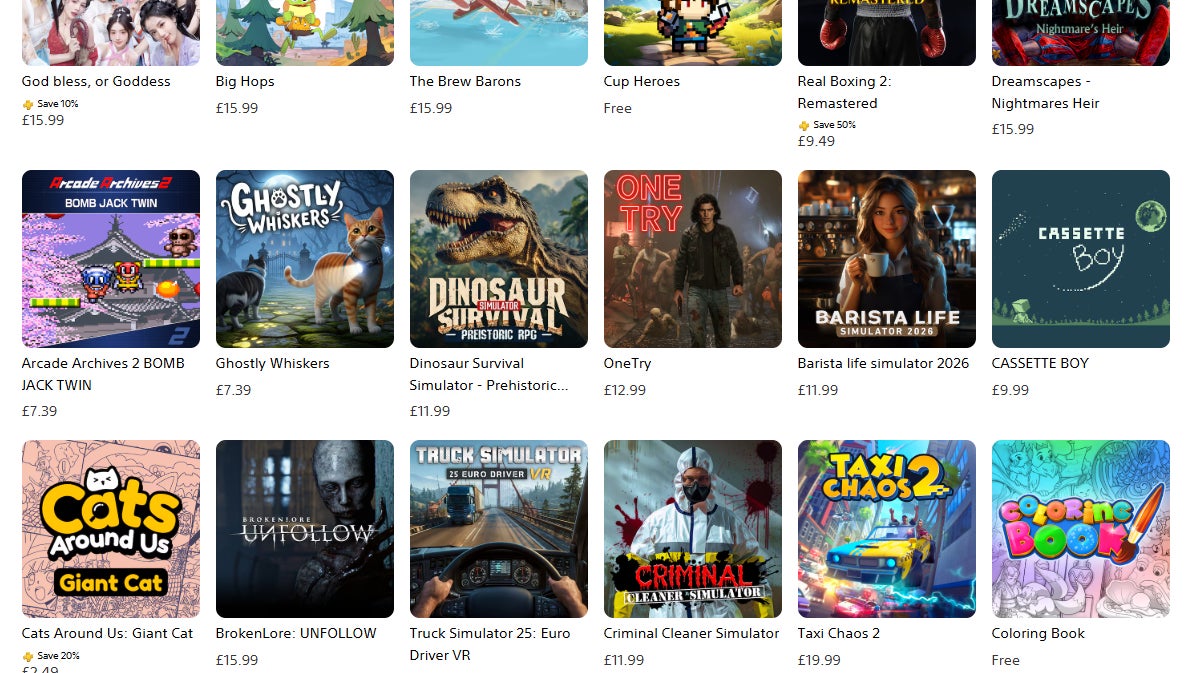
Sony's dynamic pricing experiment on the PlayStation Store represents a fundamental shift in digital game commerce strategy, with direct implications for cross-border sellers and game publishers. Since November 2025, Sony has been conducting A/B testing across 150+ games in 68 territories (Europe, Middle East, Africa, Latin America), offering personalized discounts ranging from 5.3% to 17.6% based on user purchase history, regional demand patterns, and customer segments. The system uses experiment identifiers (IPT_PILOT, IPT_OPR_TESTING) to show different prices to logged-in versus logged-out users—exemplified by Assassin's Creed Unity showing £3.74 when logged out versus £9.99 when logged in. This strategic move directly mirrors Steam's proven regional pricing model, which has successfully increased revenue through higher volume sales in price-sensitive emerging markets.
For digital game publishers and cross-border sellers, this development signals a critical market shift toward algorithmic pricing optimization. The exclusion of US and Japan markets indicates regulatory caution regarding antitrust concerns and stricter consumer protection laws, suggesting sellers should monitor potential policy expansion into these high-value regions. The scale of testing—150+ games across 68 territories—demonstrates Sony's serious investment in this technology, likely indicating future expansion if financial results prove favorable. Publishers participating in the test gain valuable insights into price elasticity and customer segmentation, while independent developers may face pressure to accept dynamic pricing as a platform standard. The implementation includes new PS Store disclaimers displaying the lowest price from past 30 days, complying with UK consumer law transparency requirements while actually facilitating the dynamic pricing model.
Consumer backlash has been significant, with PlayStation fans expressing outrage at perceived price discrimination. Community members argue that digital goods lack supply-demand justifications that legitimize dynamic pricing in physical retail or hospitality sectors. However, Sony's approach focuses on discounting rather than price increases, reducing consumer backlash compared to controversial Ticketmaster practices that triggered UK government intervention. This consumer sensitivity presents both risk and opportunity: sellers must balance revenue optimization with transparency to avoid brand damage. The dynamic pricing model could influence how digital products are priced across all platforms, creating pressure for standardized regional pricing approaches. Publishers must now adjust pricing strategies to remain competitive across different regional PlayStation Store implementations while managing customer perception of fairness. Industry analysts suggest Sony may quietly discontinue the experiment after gathering sufficient data, or alternatively expand it to additional games and territories if financial results prove favorable, making this a critical monitoring point for sellers dependent on PlayStation distribution.
Questions 8
What should sellers do to prepare for potential expansion of dynamic pricing?
Sellers should immediately monitor PlayStation Store API changes and pricing patterns across the 68 test territories to understand how dynamic pricing affects their games' performance and revenue. Document baseline pricing, discount rates, and sales volume by region to establish benchmarks for comparison. Develop regional pricing strategies that account for purchasing power variations across markets, following Steam's proven model of lower prices in emerging markets. Prepare for potential US and Japan expansion by analyzing regulatory requirements in these markets and developing compliant pricing strategies. Consider implementing similar dynamic pricing on other platforms (Steam, Epic Games Store) to remain competitive. Track consumer sentiment in gaming communities to understand backlash risks and develop transparent communication strategies that explain regional pricing differences to customers.
What is the competitive advantage of Sony's dynamic pricing compared to Steam?
Sony's dynamic pricing directly mirrors Steam's long-standing regional pricing model, which has proven effective in maximizing sales volume across diverse markets with varying purchasing power. Steam's success demonstrates that lower prices in emerging markets increase overall revenue through higher volume sales. Sony's implementation across 50+ regions indicates a comprehensive, global rollout rather than a limited test, signaling commitment to this pricing approach. The key advantage is that Sony can now compete with Steam's regional pricing flexibility while leveraging PlayStation's exclusive first-party titles (God of War, Spider-Man, Helldivers 2, Stellar Blade) and strong console ecosystem. This positions PlayStation to capture price-sensitive customers in emerging markets while maintaining premium pricing in developed regions.