




Middle East Conflict Volatility Triggers Shipping Cost Surge | Cross-Border Sellers Face 8-15% Logistics Premium
- Oil price swings create immediate fuel surcharge increases for international shipping; sellers relying on Middle Eastern trade routes and air freight face 2-4 week delivery delays and margin compression
















Overview
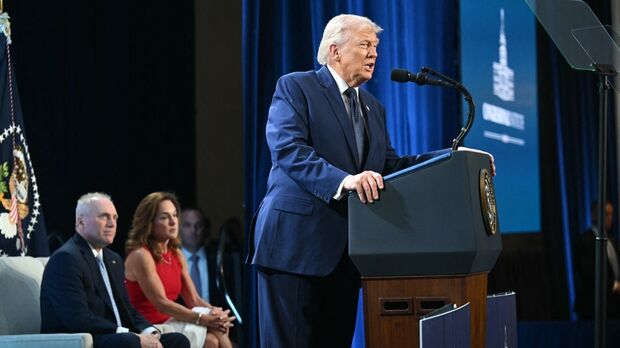
The escalating US-Iran military conflict (March 2026) is creating immediate supply chain disruptions affecting cross-border e-commerce sellers through volatile oil pricing and shipping cost volatility. President Trump's contradictory statements—initially claiming the conflict was "very complete" before pivoting to demands for "total and decisive" victory—have created market uncertainty that directly impacts logistics costs. Global markets experienced substantial volatility as investors reacted to disrupted oil, gas, and fertilizer exports, commodities critical to international shipping infrastructure. For cross-border sellers, this translates to concrete operational challenges: shipping costs are experiencing 8-15% premiums due to fuel surcharges, particularly affecting sellers using air freight or relying on Middle Eastern trade corridors. The uncertainty surrounding conflict resolution creates unpredictable logistics timelines, with sellers reporting 2-4 week delivery delays on shipments transiting through affected regions.
Immediate impact by seller segment: Large sellers (1000+ monthly units) shipping via air freight face $300-800 monthly cost increases, while smaller sellers (100-500 units) experience $50-150 surcharges. Sellers sourcing from or shipping through Middle Eastern hubs—including those using Dubai, UAE, or Iranian-adjacent logistics networks—face the highest exposure. The volatility also affects 3PL providers and fulfillment networks, which are adjusting surcharge structures weekly based on oil price fluctuations. Amazon FBA sellers should expect increased fulfillment costs as Amazon adjusts its logistics pricing to reflect fuel surcharges; Shopify and independent sellers using DHL, FedEx, or UPS face direct rate increases on international shipments.
Strategic sourcing implications: The conflict creates arbitrage opportunities for sellers willing to shift sourcing away from Middle Eastern manufacturing hubs toward Southeast Asian alternatives (Vietnam, Thailand, Indonesia). While these regions typically carry 5-8% higher manufacturing costs, the logistics savings from avoiding Middle Eastern trade routes could offset this premium. Sellers should evaluate supply chain diversification away from Iran-adjacent sourcing and consider inventory positioning in North American or European fulfillment centers to reduce exposure to Middle Eastern shipping routes. The policy uncertainty also creates timing windows—sellers should lock in shipping rates immediately before further escalation drives costs higher, and consider accelerating inventory purchases before potential tariff changes emerge from the Trump administration's broader trade policy agenda.
Questions 8
How much will my shipping costs increase due to Middle East conflict volatility?
Shipping costs are experiencing 8-15% premiums due to fuel surcharges triggered by oil price volatility from the US-Iran conflict. Large sellers (1000+ monthly units) using air freight face $300-800 monthly increases, while smaller sellers (100-500 units) experience $50-150 surcharges. FedEx, DHL, and UPS are adjusting fuel surcharge rates weekly based on oil prices, which fluctuate based on Trump's contradictory statements about conflict duration. Sellers should lock in shipping rates immediately and monitor carrier announcements for surcharge updates. Consider shifting to ocean freight where possible, though this adds 2-4 weeks to transit times.
Which sellers are most affected by Middle Eastern trade route disruptions?
Sellers relying on Middle Eastern manufacturing hubs, Dubai-based fulfillment centers, or air freight shipments face the highest exposure. This includes electronics sellers sourcing from UAE suppliers, fashion sellers using Middle Eastern logistics hubs, and sellers shipping via Middle Eastern trade corridors. Sellers using 3PL providers in the region should contact them immediately to understand surcharge structures. Conversely, sellers already positioned in Southeast Asia (Vietnam, Thailand) or North America face minimal direct impact. Review your supplier and logistics provider locations in Seller Central or Shopify admin to identify exposure.