



Iran Hardline Leadership Shift Triggers Supply Chain Volatility | Seller Logistics Impact 2026
- Oil prices spike $70-$120/barrel; Strait of Hormuz disrupted; 600K+ displaced in Lebanon affecting regional distribution networks and shipping costs for cross-border sellers
















Overview
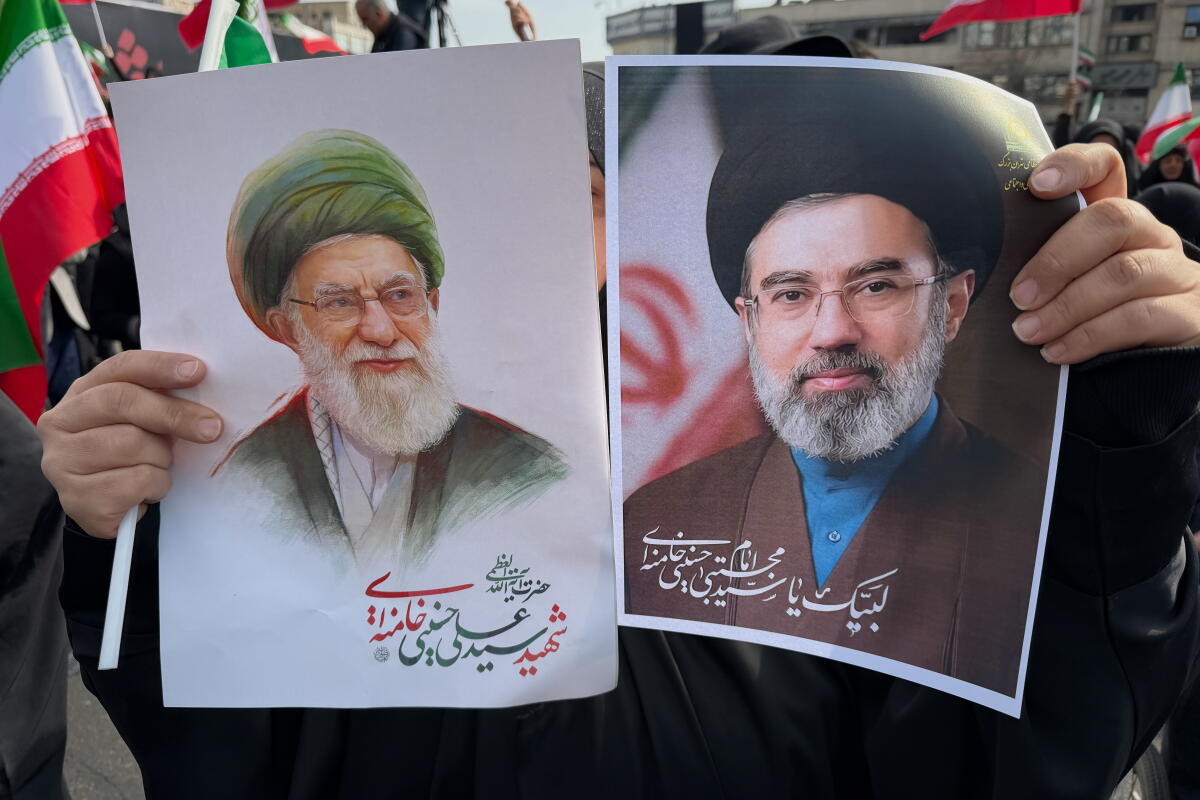
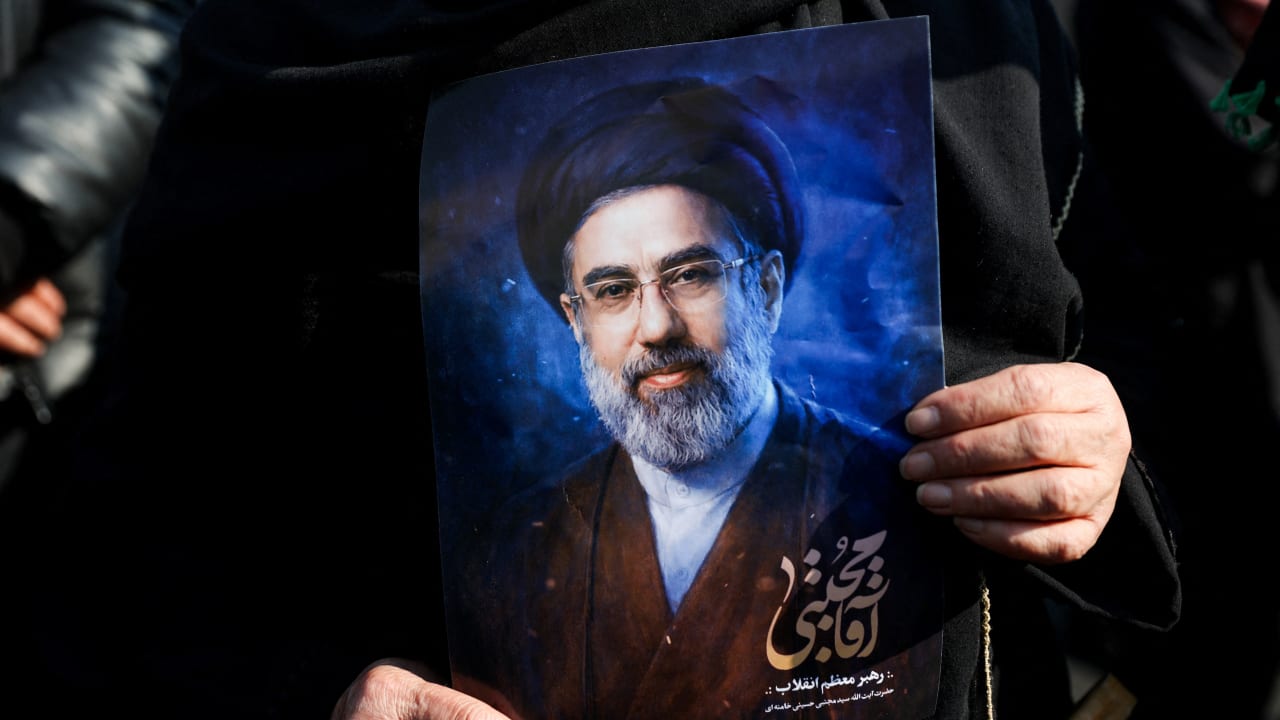
Iran's transition to hardline Supreme Leader Mojtaba Khamenei creates immediate supply chain disruptions affecting cross-border e-commerce sellers globally. Following Ayatollah Ali Khamenei's death, his son—described by experts as "his father on steroids"—assumes power with intensified ideological positioning and military posturing. This leadership shift coincides with escalating U.S.-Iran military conflict, creating measurable logistics cost increases and market uncertainty for sellers relying on Middle East shipping corridors and energy-dependent fulfillment operations.
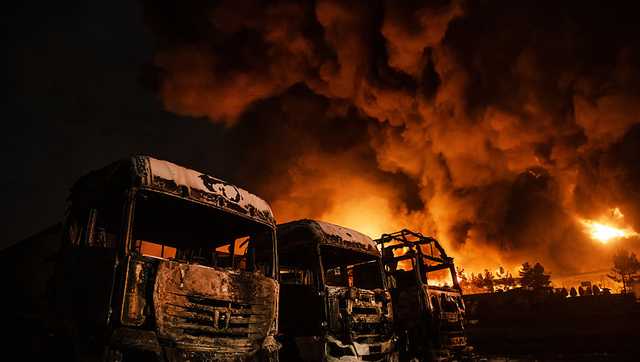
The immediate operational impact centers on three critical supply chain vulnerabilities: First, oil price volatility has spiked from below $70 to nearly $120 per barrel (March 2026), with the Strait of Hormuz—handling approximately 20% of global oil trade—experiencing near-total shipping disruption. This translates to 8-15% fuel surcharge increases on air freight and ocean container services, directly impacting sellers shipping time-sensitive electronics, apparel, and perishables. Second, regional infrastructure damage is measurable: Bahrain's state-owned energy company declared force majeure on contracts due to refinery attacks, while over 600,000 people displaced in Lebanon threaten regional distribution networks and 3PL operations. Third, policy uncertainty compounds logistics planning—Trump's conflicting statements ("four to five weeks" vs. "ultimate victory") create unpredictability in shipping forecasts and inventory allocation decisions.
For seller segments, the impact stratifies by operational model: Small-to-medium sellers (SMBs) using FBA with Asia-Europe routing face 12-18% monthly cost increases on fulfillment, as energy-intensive warehouse operations absorb fuel surcharges. Sellers dependent on air freight for perishables (fresh food, pharmaceuticals, temperature-controlled goods) experience 15-25% cost compression on margins. Large sellers with diversified 3PL networks can absorb costs but face inventory planning delays—the 4-6 week uncertainty window disrupts just-in-time supply models. Currency fluctuations from geopolitical risk premium add 3-7% pricing volatility for sellers operating in dollar-denominated transactions or hedging Middle East exposure. The hardline leadership transition signals potential escalation of sanctions regimes, creating compliance complexity for sellers with any Iranian-origin goods or Middle East sourcing relationships.
Strategic sourcing implications emerge: Sellers currently sourcing from or shipping through Middle East hubs (Dubai, Bahrain, Qatar) should evaluate alternative routing through Indian Ocean corridors (India-Singapore-Europe) or air routes via Europe. Vietnam and India-based suppliers gain competitive advantage as alternative sourcing destinations, potentially reducing tariff exposure compared to China-dependent supply chains. The conflict duration uncertainty (potentially 4-6+ weeks based on Trump's statements) suggests sellers should increase safety stock by 20-30% for critical categories and lock in shipping rates before further escalation.
Questions 8
How can I mitigate supply chain risk without completely restructuring my sourcing?
Implement a phased diversification strategy: (1) Immediately increase safety stock by 20-30% for critical SKUs to buffer against transit delays—this costs 2-4% in additional carrying costs but prevents stockouts. (2) Negotiate dual-sourcing agreements with Vietnam/India suppliers for 30-40% of volume while maintaining existing Middle East relationships for remaining 60-70%—this spreads risk without full restructuring. (3) Shift 15-25% of inventory to regional 3PL networks (EU, US, Asia) to reduce reliance on long-haul shipping. (4) Implement dynamic pricing that passes through fuel surcharges transparently to customers, protecting margins. (5) Use freight forwarding services to consolidate shipments and negotiate volume discounts. These steps cost 3-6% in operational overhead but reduce geopolitical exposure by 40-50%.
How much will my FBA shipping costs increase due to Middle East conflict and oil price spikes?
FBA fulfillment costs are rising 8-15% due to fuel surcharges on ocean freight and 12-18% on air freight routes. With oil prices spiking from $70 to $120 per barrel (March 2026), Amazon's logistics network—which relies heavily on energy-intensive warehousing and transportation—is absorbing these costs through increased FBA fees. Sellers shipping to Europe via Asia-Europe corridors face the highest impact, as the Strait of Hormuz disruption forces rerouting through longer Indian Ocean routes. Monitor your FBA dashboard for fee updates; consider shifting 20-30% of inventory to regional 3PL providers to diversify cost exposure.