



Middle East Conflict Disrupts Cross-Border E-Commerce | 700K Displaced Impact
- Affects sellers shipping to Lebanon, payment processing delays, reduced market demand in 8% of population displaced






















Overview
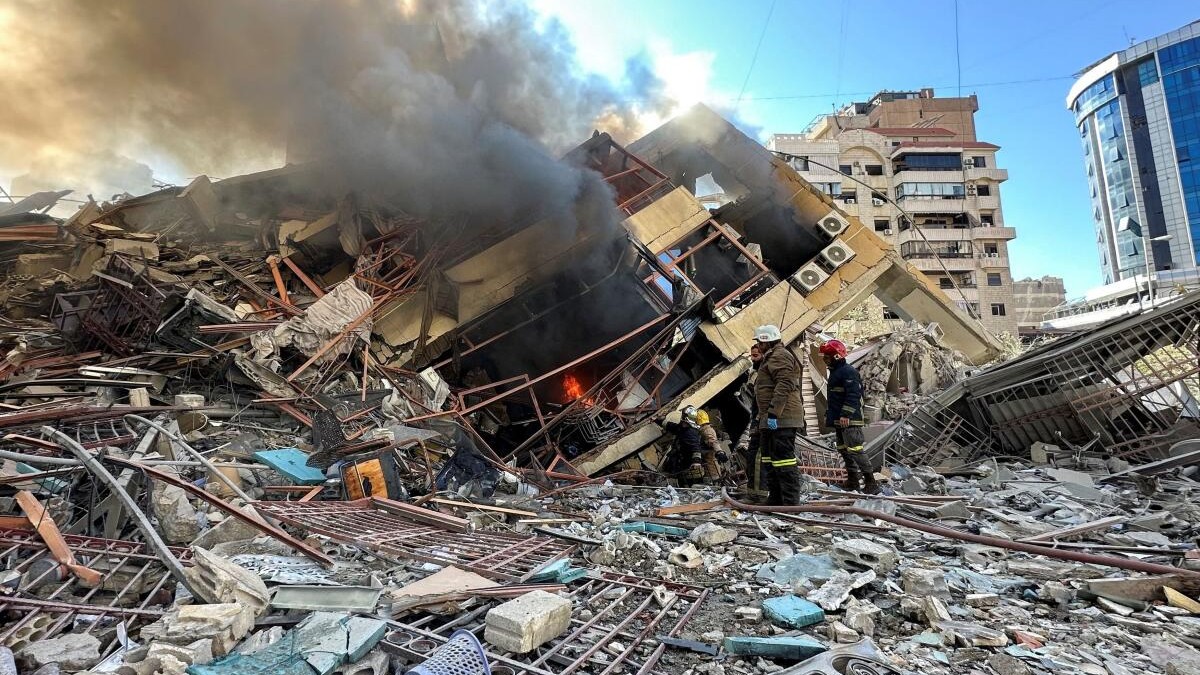
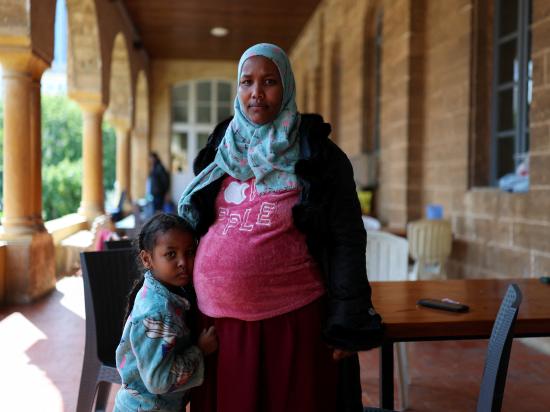
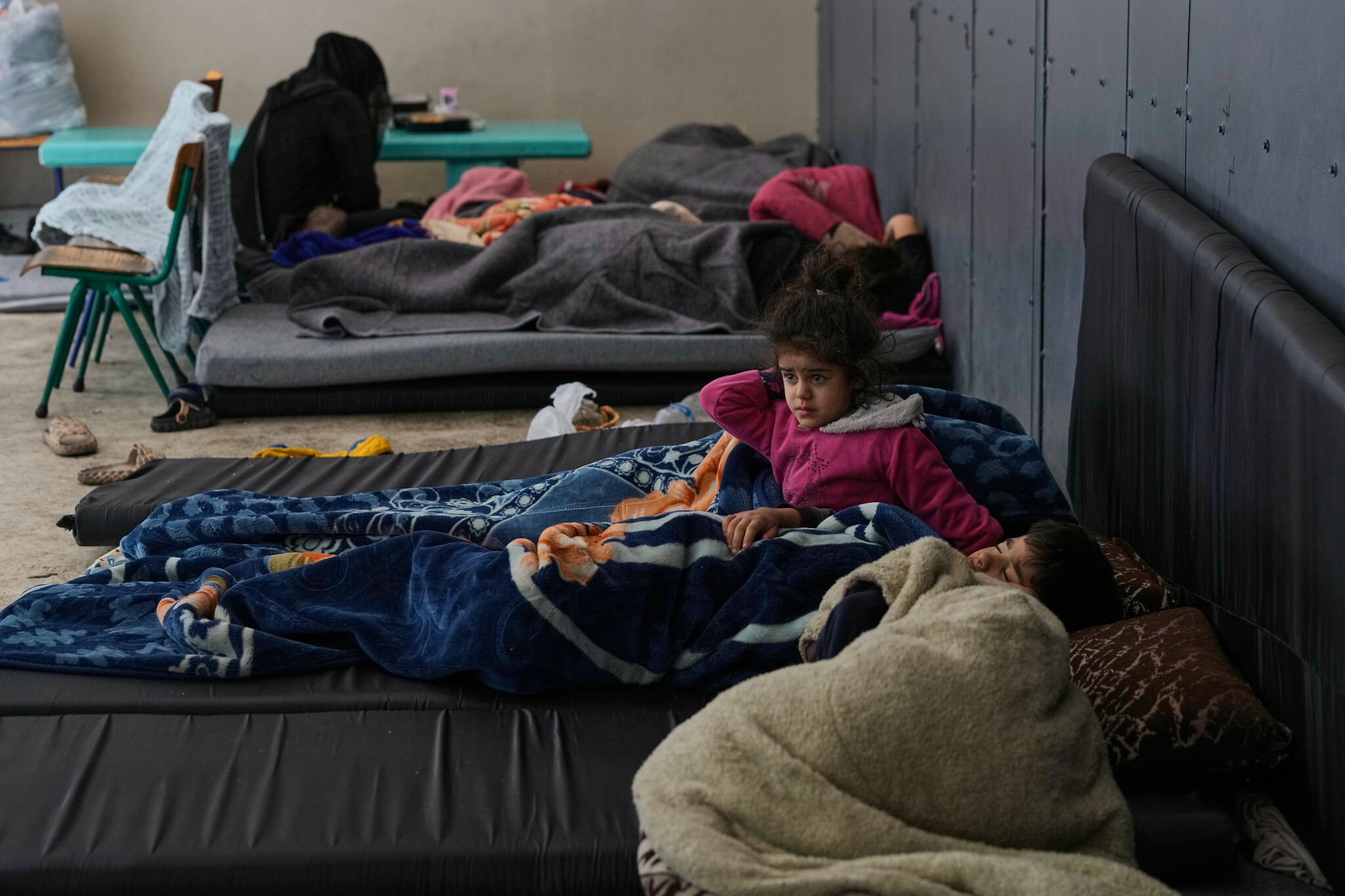
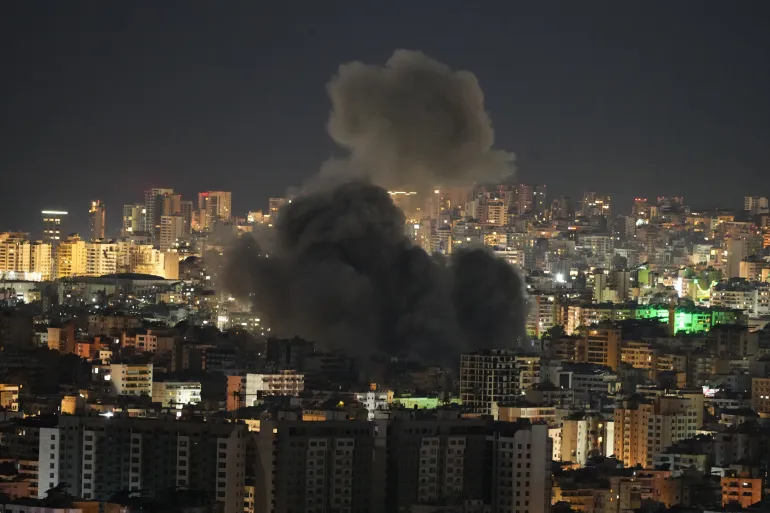
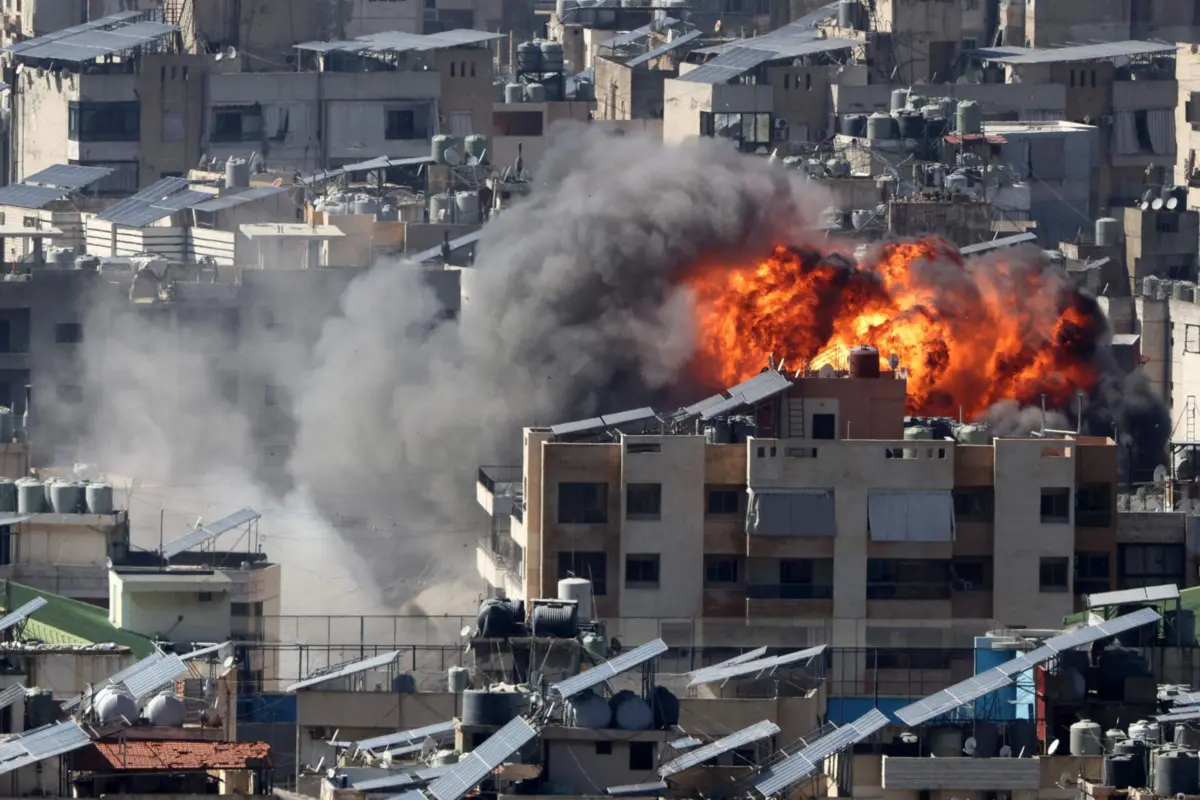
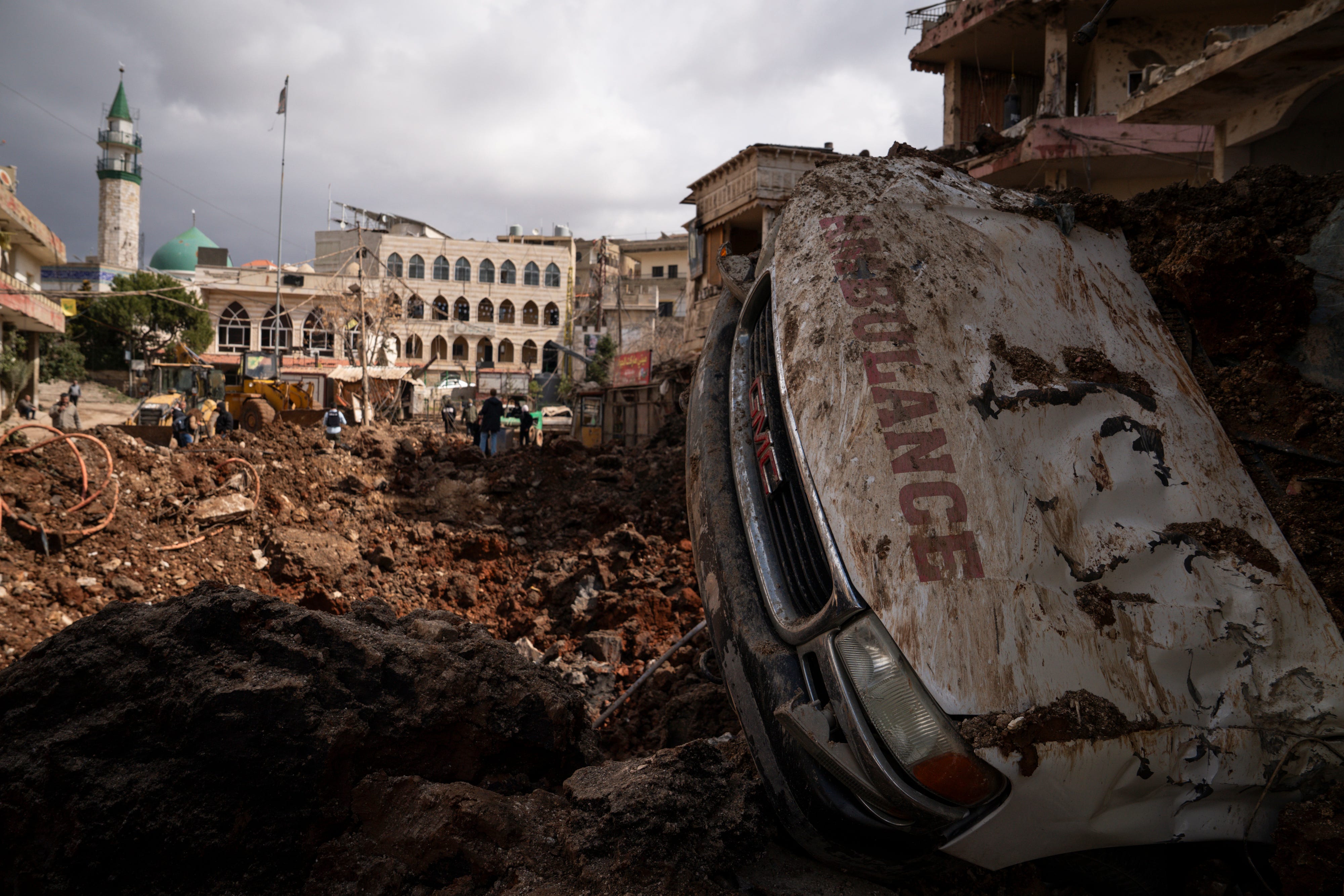
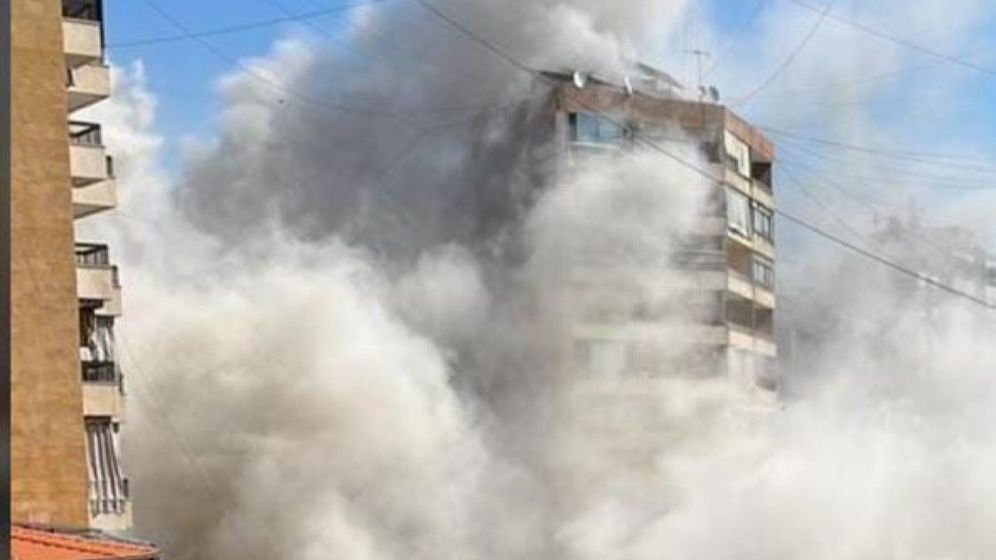
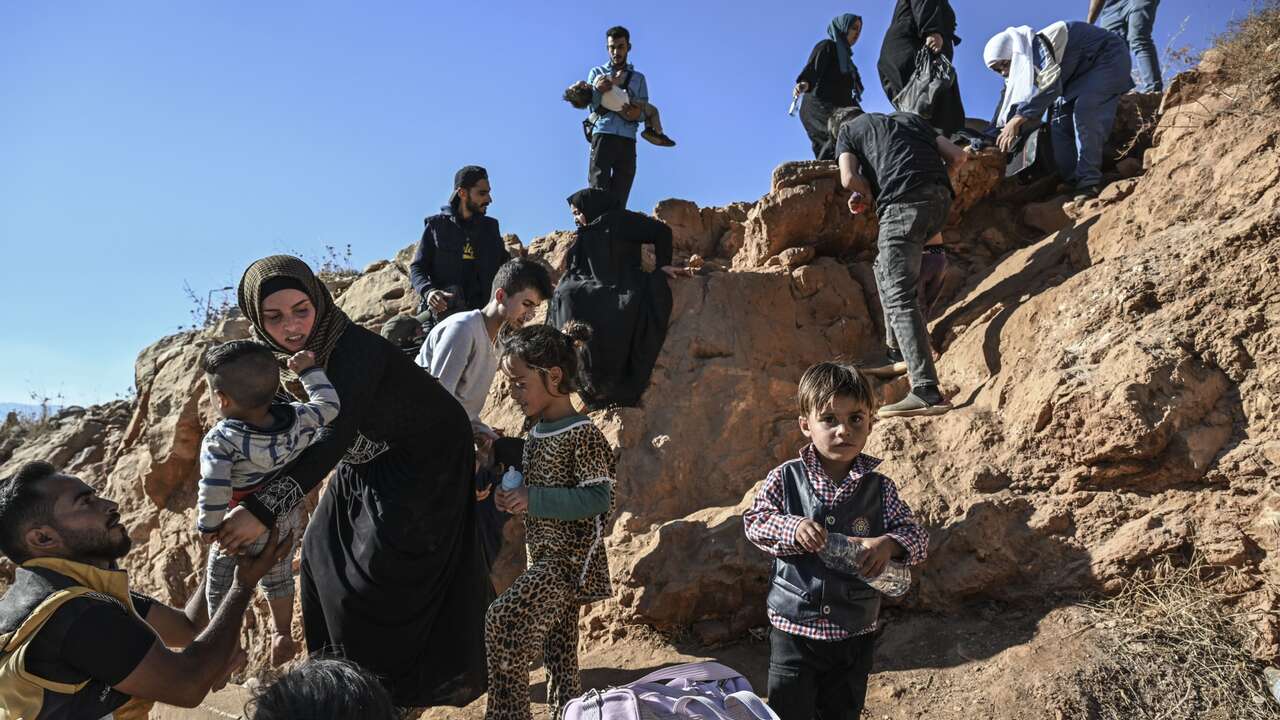
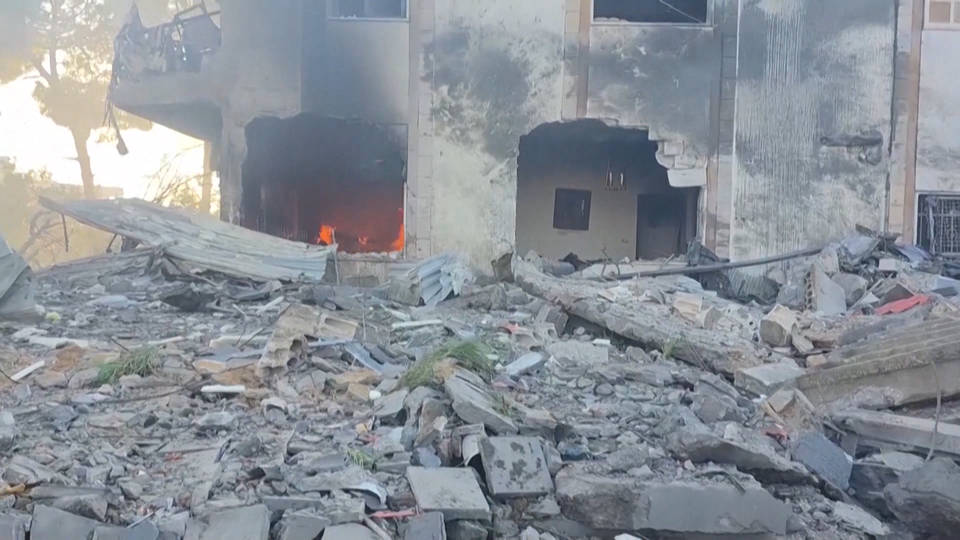
The escalating Israel-Hezbollah conflict in Lebanon as of March 2026 represents a critical operational disruption for cross-border e-commerce sellers with exposure to Middle Eastern markets. As reported on March 9, 2026, nearly 700,000 people have been displaced (approximately 8% of Lebanon's population), with 517,000 officially registered as displaced and 117,228 currently in government shelters. The conflict has resulted in 394-500 deaths within one week, with casualties rising approximately 100 daily, creating severe humanitarian challenges that directly impact consumer purchasing power and market accessibility.
Financial infrastructure disruption represents the most immediate e-commerce threat. Israeli military operations have specifically targeted five branches of Al-Qard al-Hasan, a Hezbollah-affiliated quasi-banking system that operates outside Lebanon's formal financial sector and provides interest-free loans to Lebanese residents. This institution, under US sanctions since 2007, serves as an alternative financial channel for Lebanese consumers. The targeting of financial institutions signals an expansion of military operations beyond traditional military targets, directly affecting payment processing capabilities for sellers operating in or shipping to Lebanon. For cross-border sellers using Middle Eastern payment gateways or relying on Lebanese financial intermediaries, transaction delays and processing failures are now probable, potentially affecting cash flow for 30-60 days.
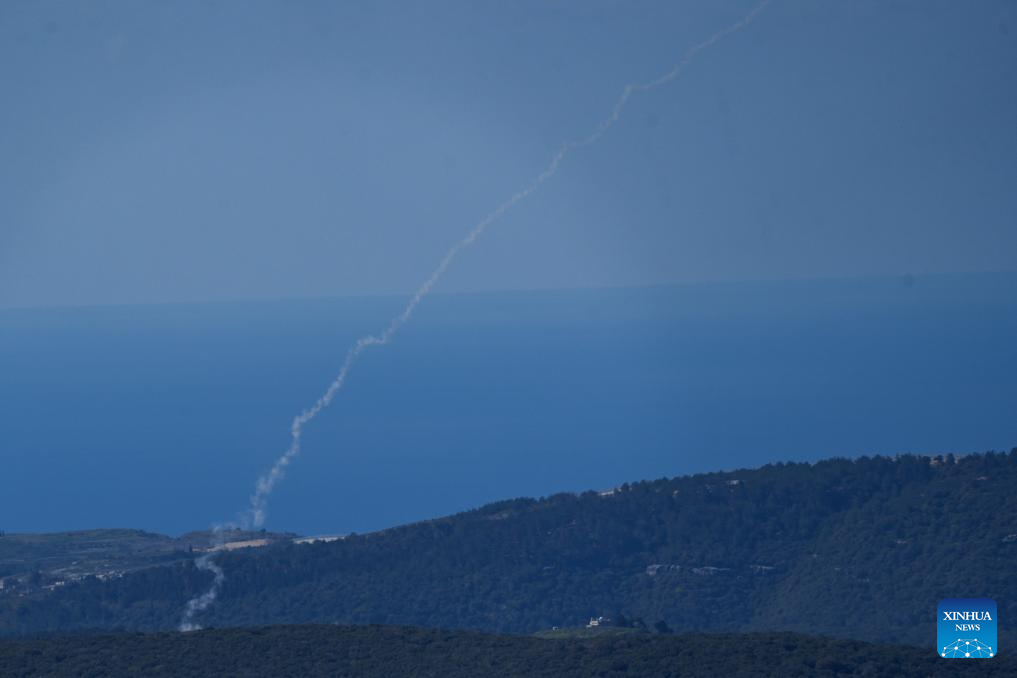
Logistics network disruption creates secondary operational challenges. Israeli ground forces have advanced into southern Lebanon with tanks and armored vehicles positioned near the border, while Hezbollah continues daily rocket and drone launches targeting northern Israeli cities including Nahariya and Haifa. The conflict has forced Lebanon to convert its largest sports venue, the Camille Chamoun Stadium in Beirut, into a displacement center, indicating infrastructure repurposing that affects normal commercial operations. Beirut's international airport—a critical logistics hub for Middle Eastern e-commerce—has experienced strikes near its vicinity, creating uncertainty for air freight shipments and customs clearance timelines. Sellers shipping electronics, apparel, or consumer goods to Lebanon face 2-4 week delays minimum, with potential for complete route unavailability.
Consumer demand collapse in affected markets requires immediate inventory strategy adjustment. With 700,000 displaced persons and reduced purchasing power across Lebanon and neighboring regions, sellers targeting this market should expect 40-60% demand reduction in the short term (March-May 2026). Categories most affected include discretionary items (electronics, fashion, home goods), while essential supplies (medical equipment, emergency shelter materials, food products) may see temporary demand spikes. Sellers with significant Lebanon-focused inventory should consider redirecting stock to alternative Middle Eastern markets (UAE, Saudi Arabia, Jordan) or implementing dynamic pricing strategies to clear inventory before further market deterioration.
Questions 8
What payment processing challenges should sellers expect in Lebanon?
The targeting of Al-Qard al-Hasan branches (under US sanctions since 2007) eliminates a critical alternative financial channel for Lebanese consumers. This institution provided interest-free loans and financial services outside Lebanon's formal banking sector, serving as a payment intermediary for many cross-border transactions. With five branches struck and infrastructure disrupted, sellers using Middle Eastern payment gateways should expect 30-60 day transaction delays and potential processing failures. Standard banking channels are also strained due to the humanitarian crisis. Sellers should: (1) activate backup payment processors immediately, (2) notify customers of potential delays, (3) consider temporary suspension of Lebanon shipments until financial infrastructure stabilizes (estimated 60+ days).
Which product categories face the highest demand risk in Lebanon?
Discretionary categories (electronics, fashion, home goods, luxury items) face 40-60% demand reduction as 517,000 registered displaced persons prioritize survival over consumption. However, essential supplies show temporary demand spikes: medical equipment, emergency shelter materials, water purification systems, and food products. Sellers of discretionary items with Lebanon-focused inventory should immediately implement clearance strategies—consider 20-35% price reductions to move stock before further market deterioration. Essential goods sellers can capitalize on humanitarian demand through partnerships with NGOs and relief organizations. The conflict represents a 6-12 month market disruption minimum, requiring sellers to reallocate inventory to less-affected regions (UAE, Saudi Arabia, Jordan) where demand remains stable.