


Strait of Hormuz Disruption Drives Shipping Cost Surge | E-Commerce Seller Impact
- 2M barrel/day Saudi production cuts trigger 8-15% fuel surcharge increases for cross-border sellers; high-volume and air freight operators face immediate margin compression

























Overview
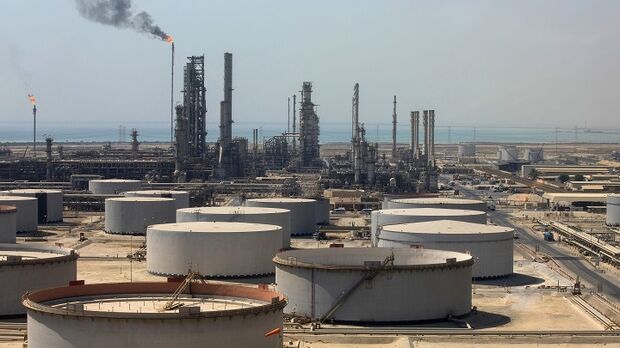
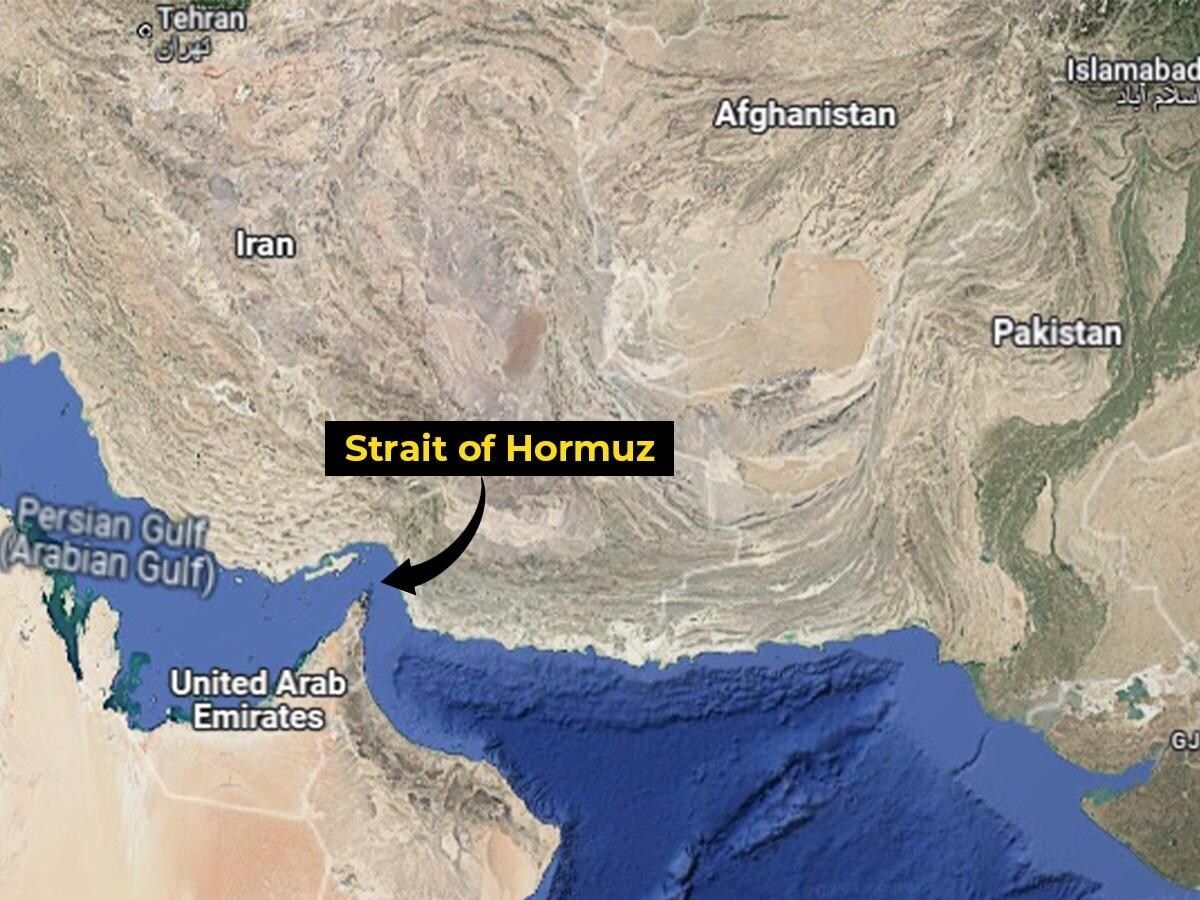
The Strait of Hormuz disruption and Saudi Arabia's preemptive 2 million barrel-per-day production shutdown represent a critical supply chain inflection point for cross-border e-commerce sellers. As reported on March 9, 2026, Saudi officials have shut down major offshore fields including Safaniya and Zuluf while implementing coordinated production cuts across OPEC members (UAE, Kuwait, Iraq), creating a 2% reduction in global daily oil production. The Strait of Hormuz—through which approximately one-third of seaborne traded oil passes—remains a critical chokepoint, forcing rerouting through the Red Sea and alternative logistics corridors. Current crude oil pricing at $87.91 per barrel reflects market uncertainty, though prices have declined 7.24% recently, masking underlying volatility risks.
For cross-border e-commerce sellers, this geopolitical event directly impacts logistics economics through multiple cost vectors. Energy-dependent shipping costs—including fuel surcharges, last-mile delivery, warehousing operations, and air freight premiums—face immediate upward pressure. Sellers relying on expedited shipping methods experience the most acute margin compression, with potential surcharge increases of 8-15% depending on shipping method and destination region. High-volume sellers (1,000+ units monthly) and those in energy-intensive categories face compounded impacts: increased fulfillment costs, extended delivery timelines due to route optimization, and potential inventory replenishment delays. The coordinated OPEC response indicates sustained production constraints rather than temporary disruption, suggesting prolonged elevated energy costs rather than short-term volatility.
Strategic competitive advantages emerge for sellers with diversified logistics networks and flexible sourcing strategies. Companies maintaining relationships with multiple 3PL providers, utilizing sea freight over air freight where possible, and implementing dynamic pricing strategies can absorb cost increases more effectively than single-channel operators. Sellers with tight margin profiles (5-10% net margins) face existential pressure and should immediately review pricing elasticity and cost structure. The situation creates a 30-90 day window before logistics providers fully pass through fuel surcharges, providing a brief opportunity for sellers to adjust pricing, optimize inventory positioning, and lock in favorable shipping rates before broader market adjustments. Historical precedent from previous Hormuz disruptions shows shipping delays and cost increases typically persist 4-8 weeks, with secondary effects on inventory availability lasting 2-3 months.
Questions 8
How does the Strait of Hormuz disruption directly impact my shipping costs as an e-commerce seller?
The Strait of Hormuz disruption increases shipping costs through fuel surcharges applied by logistics providers. With Saudi Arabia reducing production by 2 million barrels daily and crude oil at $87.91/barrel, expect 8-15% fuel surcharge increases on international shipments within 30-60 days. FedEx, UPS, and DHL typically pass through energy costs via fuel surcharges on air freight (highest impact), ocean freight (moderate impact), and ground shipping (lowest impact). Sellers shipping 1,000+ units monthly should immediately review their logistics provider contracts for fuel surcharge clauses and consider locking in rates before broader market adjustments occur.
Which product categories and seller segments face the greatest margin compression from this disruption?
High-volume sellers in energy-intensive categories face the most acute pressure: electronics (heavy air freight reliance), perishables (temperature-controlled shipping), and time-sensitive goods (expedited methods). Sellers with 5-10% net margins cannot absorb 8-15% cost increases without pricing adjustments. Conversely, sellers in lower-density, higher-margin categories (jewelry, luxury goods, collectibles) can better absorb surcharges. Small sellers (100-500 units/month) using consolidated shipments experience less impact than mid-market sellers (500-2,000 units) who rely on expedited methods. Amazon FBA sellers face additional pressure through storage fees and fulfillment costs, which may increase 3-5% as warehouse operations consume more energy.