


Middle East Geopolitical Crisis Reshapes Cross-Border Seller Economics | FX Hedging & Logistics Costs
- Global equity losses of $2.7 trillion and oil prices above $100/barrel create immediate payment routing optimization and working capital financing opportunities for sellers






























Overview
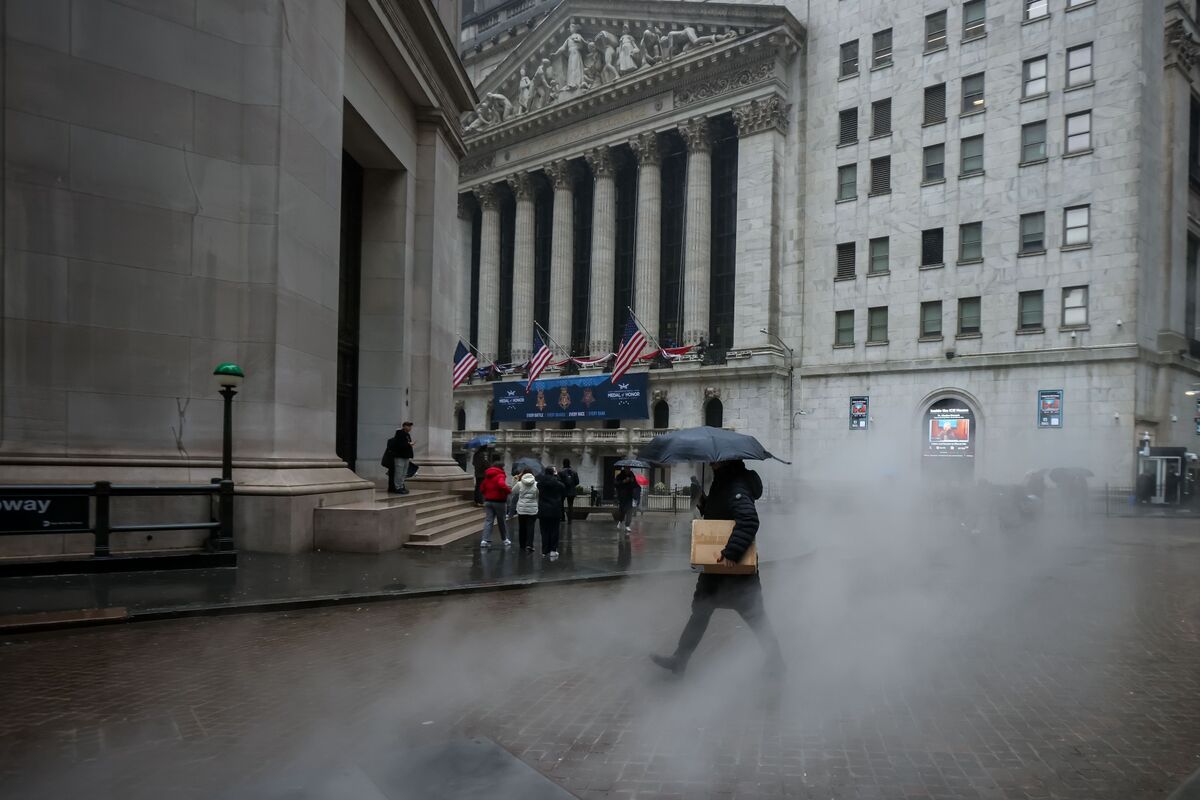
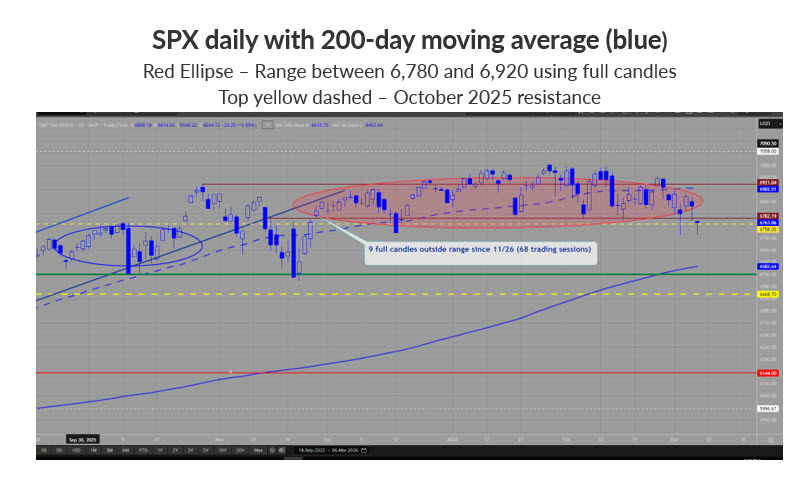
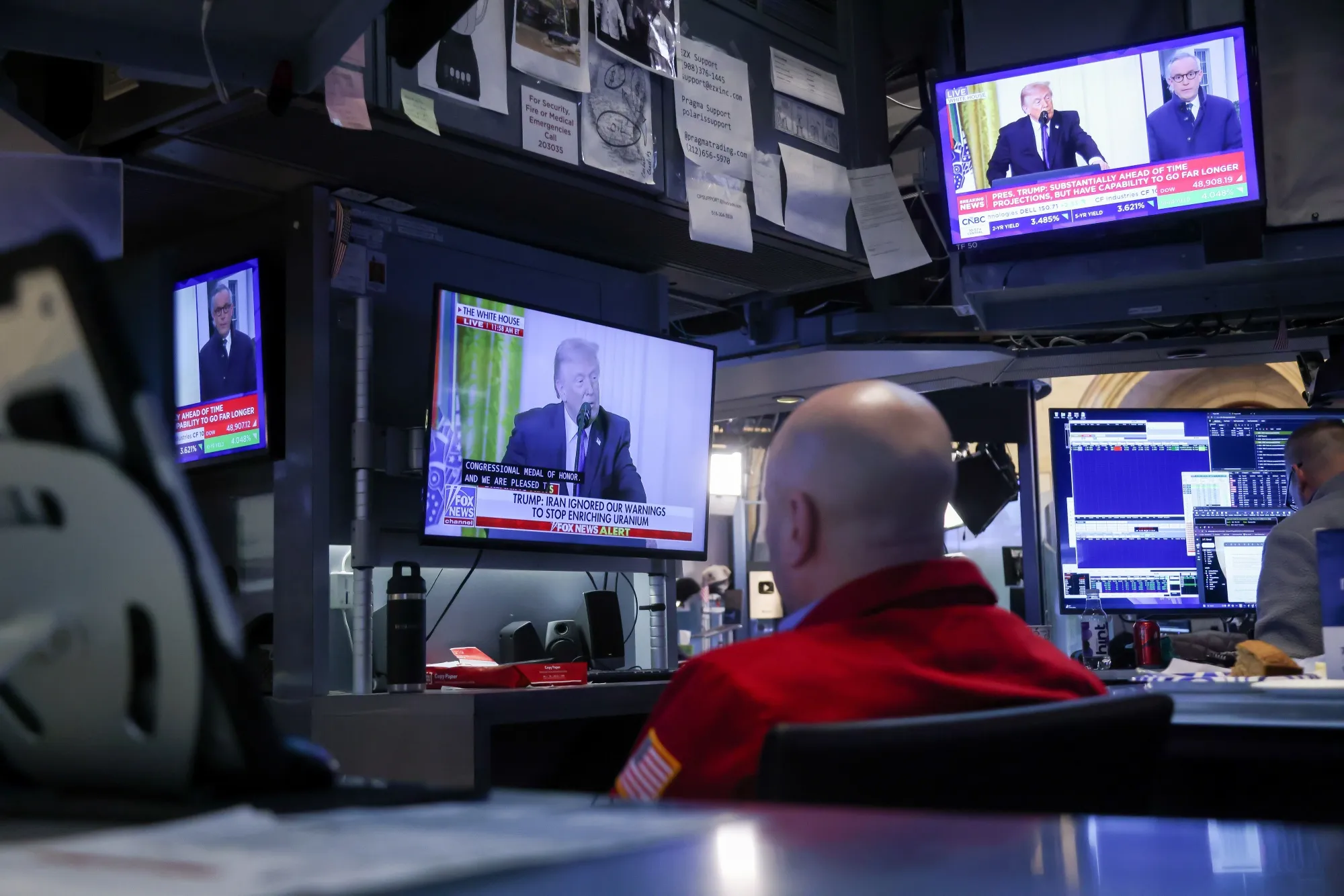
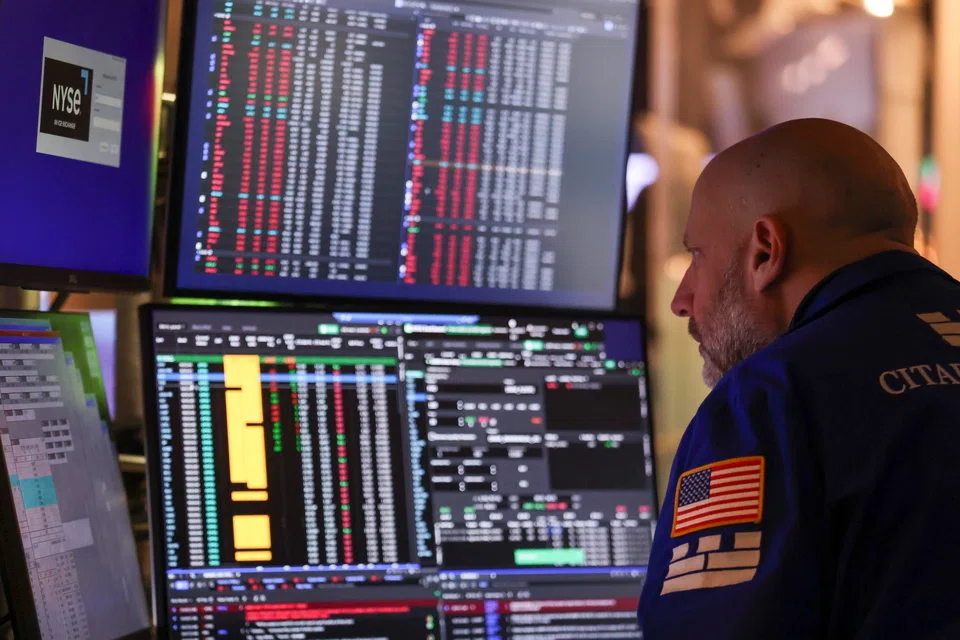
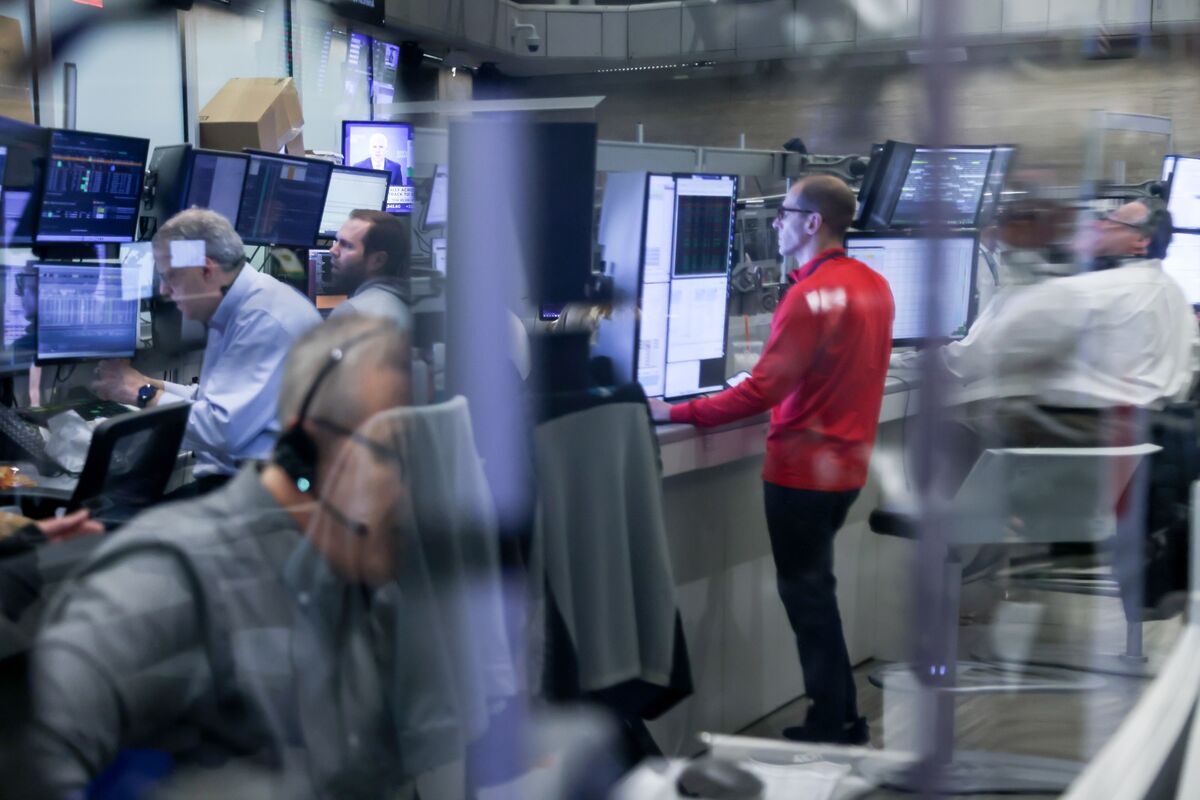
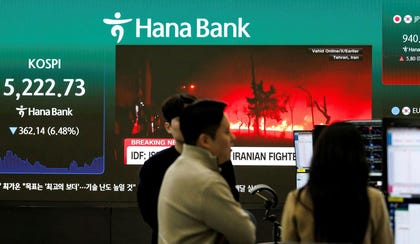
The March 2026 Middle East geopolitical escalation has triggered a $2.7 trillion global equity market decline and pushed oil prices above $100 per barrel, creating a critical inflection point for cross-border e-commerce sellers' financial operations. While mainstream financial coverage focuses on institutional hedging strategies, the underlying market dynamics present three immediate financial optimization opportunities for sellers: currency arbitrage on strengthening USD, payment routing cost reductions, and working capital acceleration through trade finance products.
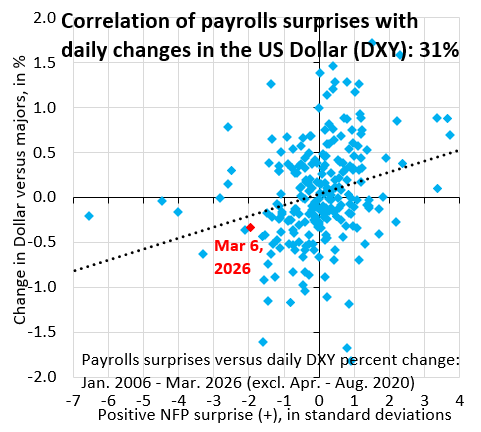
Currency Arbitrage & FX Hedging Opportunity: The Bloomberg reporting (March 8, 2026) documents USD strengthening as a safe-haven currency during the crisis, with Asian trading showing the dollar performing strongly against major currency peers in Sydney markets. For US-based sellers exporting to EU, UK, and Asia-Pacific markets, this creates a 2-4 week window to lock in favorable exchange rates before potential normalization. Sellers should immediately implement forward contracts on EUR/USD, GBP/USD, and AUD/USD pairs—typical hedging costs of 0.5-1.2% are justified when capturing 3-5% FX gains. Non-US sellers face headwinds: EU exporters to US markets see margin compression of 8-12% on USD-denominated sales, while Asian sellers experience cost increases on imported inventory sourced in USD.
Payment Routing & Fee Optimization: Oil shipping infrastructure disruptions and market volatility are accelerating adoption of alternative payment corridors. Cross-border payment providers like Wise, OFX, and Remitly are offering temporary fee reductions (15-25% below standard rates) on high-volume corridors (US-EU, US-Asia) to capture market share during volatility. Sellers processing $50K+ monthly in cross-border payments can negotiate 0.8-1.2% all-in fees versus standard 1.5-2.0%, unlocking $400-600 monthly savings. Payment settlement speeds have improved to 1-2 business days on major corridors as providers compete for volume.
Working Capital Acceleration Through Trade Finance: The market volatility is expanding access to invoice financing and purchase order financing products. Lenders like Fundbox, Clearco, and traditional factors are offering 6-8% APR on inventory financing (versus 12-15% pre-crisis), with 30-45 day funding cycles. Sellers holding 60-90 days of inventory can unlock 15-25% of working capital immediately, converting slow-moving stock into cash within 2-3 weeks. This is particularly valuable for sellers with Asian suppliers facing extended lead times due to shipping disruptions.
Questions 7
What's the impact of oil prices above $100/barrel on my fulfillment and shipping costs?
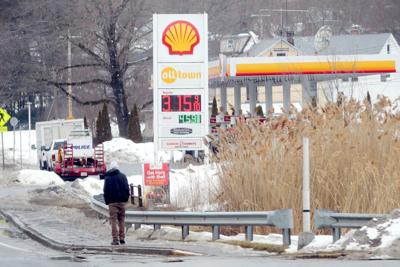
Oil prices above $100/barrel directly increase logistics costs across all shipping methods. Air freight costs rise 8-12% per barrel increase, ocean freight rises 4-6%, and ground shipping rises 3-5%. For sellers shipping 1,000+ units monthly, this translates to $200-400 monthly cost increases depending on product weight and destination. The news reports oil shipping infrastructure stress as a key uncertainty factor. Immediate actions: (1) Audit your 3PL contracts for fuel surcharge clauses—negotiate caps at current levels; (2) Consider shifting 20-30% of inventory to regional fulfillment centers to reduce shipping distances; (3) Evaluate consolidation strategies to reduce per-unit shipping costs; (4) Monitor oil futures (WTI crude) and consider locking in shipping rates for 3-6 months if prices stabilize.
How can I access working capital financing quickly given current market conditions?
The market volatility is expanding trade finance availability at favorable rates. Invoice financing and purchase order financing products from Fundbox, Clearco, and traditional factors are offering 6-8% APR (down from 12-15% pre-crisis) with 30-45 day funding cycles. Sellers holding 60-90 days of inventory can unlock 15-25% of working capital immediately, converting slow-moving stock to cash within 2-3 weeks. This is particularly valuable for sellers with Asian suppliers facing extended lead times due to shipping disruptions documented in the news. Qualification typically requires 6+ months operating history and $20K+ monthly revenue. Apply immediately while rates remain favorable—these promotional rates typically normalize within 60-90 days as market conditions stabilize.