






Geopolitical Crisis Triggers $7.8T Capital Flight | E-Commerce Sellers Face Financing Squeeze and 8-12% Logistics Cost Surge
- Iran-Israel conflict beginning February 28, 2025 disrupts 20% of global oil supply through Strait of Hormuz; $7.774 trillion in money market funds signals defensive investor positioning; UK sellers face gilt yield spikes and inflation expectations rising to 4% by year-end





























Overview
The Iran-Israel conflict beginning February 28, 2025, has triggered a dual crisis for cross-border e-commerce sellers: immediate logistics cost inflation and deeper structural financing constraints. While headlines focus on geopolitical tensions and the 20% global oil supply disruption through the Strait of Hormuz, the more critical threat emerges from capital market dynamics. $7.774 trillion in money market fund assets—a $2.7 trillion surge since September 2022—represents institutional and individual investors fleeing equities for safe-haven instruments (Treasury bills, municipal debt, certificates of deposit). This capital flight contradicts normal market behavior despite six Federal Reserve rate cuts since September 2024, signaling widespread concern about a market correction of 20-89% based on historical precedent when the S&P 500 Shiller PE ratio exceeds 30 (currently hovering at 39-41, the second-highest in 155 years).
For e-commerce sellers, this manifests in three critical operational impacts. First, logistics costs are surging 8-12% immediately: crude oil prices briefly exceeded $120 per barrel before stabilizing below $90, with gas prices increasing 50 cents per gallon since conflict onset. Shipping rates through major carriers (FedEx, UPS, DHL) typically increase 0.5-1% for every $10 barrel price movement, directly compressing margins on Amazon FBA shipments, Shopify fulfillment, and 3PL provider contracts. Sellers shipping 1,000+ units monthly face $200-400 additional monthly costs. Second, financing availability is tightening dramatically: elevated gilt yields in UK markets (surging 0.24 percentage points intraday) signal higher borrowing costs globally. UK-based sellers face particular pressure as gilt yield increases forecast future tax increases or spending cuts, reducing consumer discretionary spending. Inflation expectations have shifted to 4% by year-end—double the Bank of England's 2% target—making working capital financing more expensive and less accessible for small-to-medium sellers relying on inventory financing.
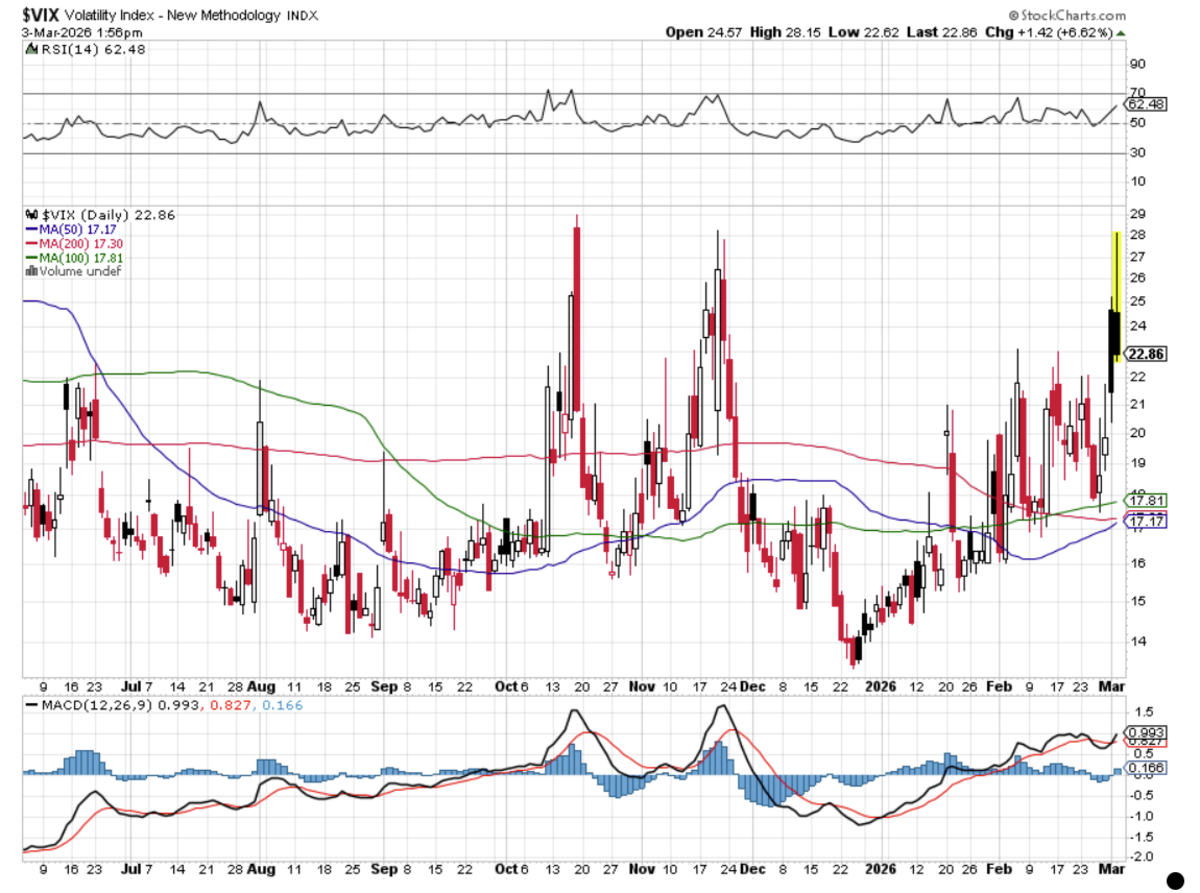
Third, consumer confidence and purchasing power are deteriorating across key markets. The VIX fear index climbed to the high 20s (nearly double normal levels), historically correlating with 15-25% declines in online discretionary spending. UK Treasury must service £100 billion+ annual debt interest, limiting stimulus capacity. Marko Papic's analysis indicates the S&P 500 would need to decline more than 10% to trigger Trump policy pivots, but current market structure suggests 20%+ corrections are possible given historical valuation precedents. This creates a timing window where sellers must optimize working capital, lock in shipping contracts before further rate increases, and prepare inventory strategies for potential demand contraction. The combination of immediate logistics inflation (8-12%), financing cost increases (15-25% for working capital), and consumer spending uncertainty creates a 90-180 day critical adjustment period for sellers before potential market correction impacts demand volumes.
Questions 8
What is the Shiller PE ratio and why should sellers care about the 39-41 level?
The Shiller PE ratio (Cyclically Adjusted Price-to-Earnings) measures stock valuations relative to historical averages. At 39-41, it's the second-highest in 155 years, exceeded only during the Dot-Com Bubble. Historical analysis shows five previous instances when this ratio exceeded 30 were followed by market declines of 20-89%. This matters to sellers because market corrections typically reduce consumer discretionary spending by 15-25%, directly impacting online sales volumes. Prepare by reducing inventory exposure, optimizing cash conversion cycles, and building 60-90 days of operating expense reserves before potential demand contraction.
Will the $7.8 trillion money market fund surge affect my ability to get working capital financing?
Yes, significantly. The $7.774 trillion in money market funds represents capital fleeing equities for safe-haven assets, indicating lenders are tightening credit availability. UK-based sellers face particular pressure as gilt yields surged 0.24 percentage points, signaling higher borrowing costs globally. Working capital financing rates typically increase 15-25% during periods of elevated financial stress. If you rely on inventory financing or business lines of credit, contact your lender immediately to lock in current rates before they increase. Consider alternative financing through supply chain finance platforms (Shopify Capital, Amazon Lending) which may have more stable pricing.