


Telehealth Pharmaceutical Compliance Shift | FDA-Approved GLP-1 Distribution Creates $2B+ Market Consolidation
- Patent settlement eliminates compounding loophole; 600K+ Wegovy prescriptions signal regulatory enforcement tightening; sellers face 2032 patent wall on semaglutide alternatives





















Overview
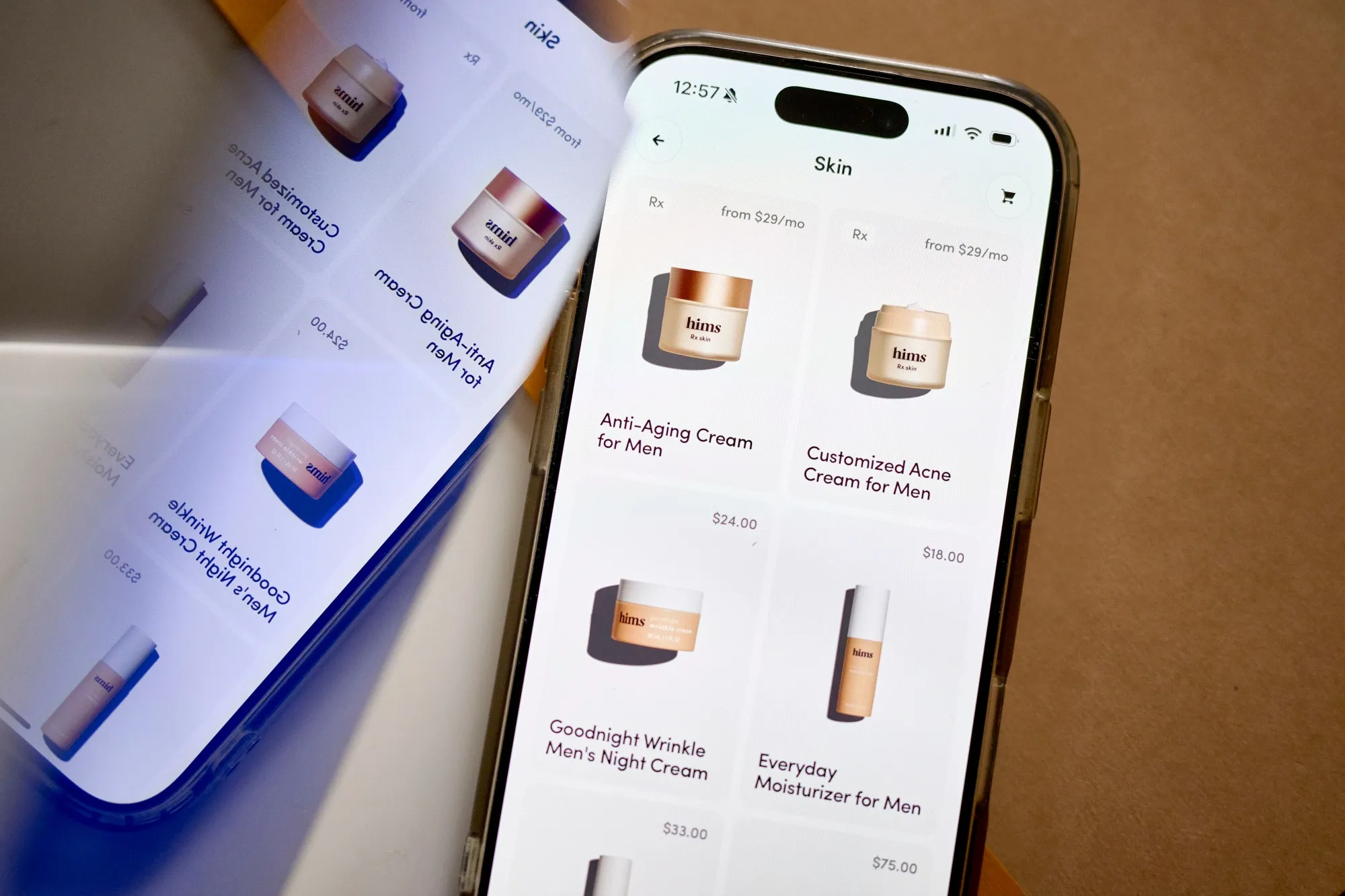
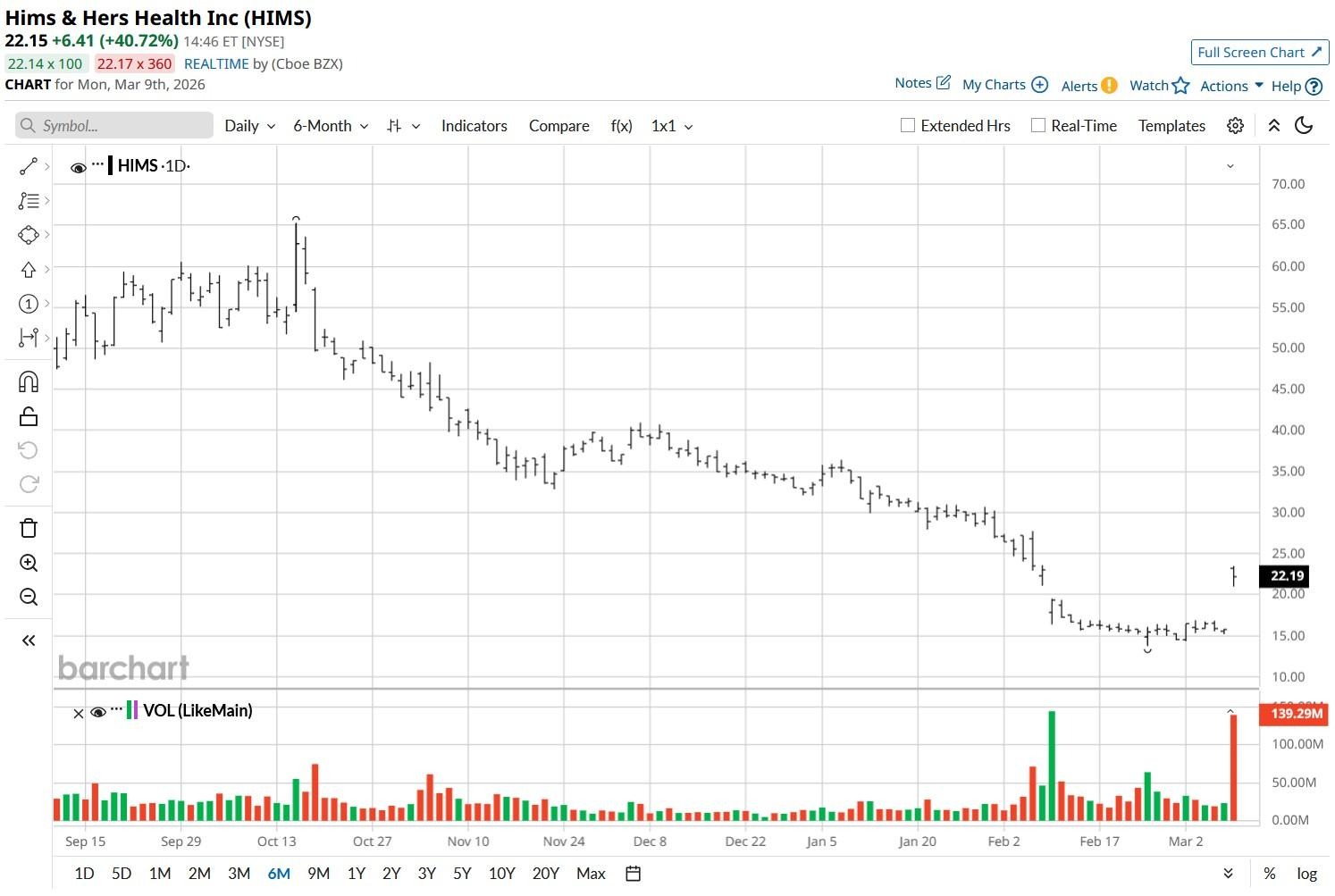
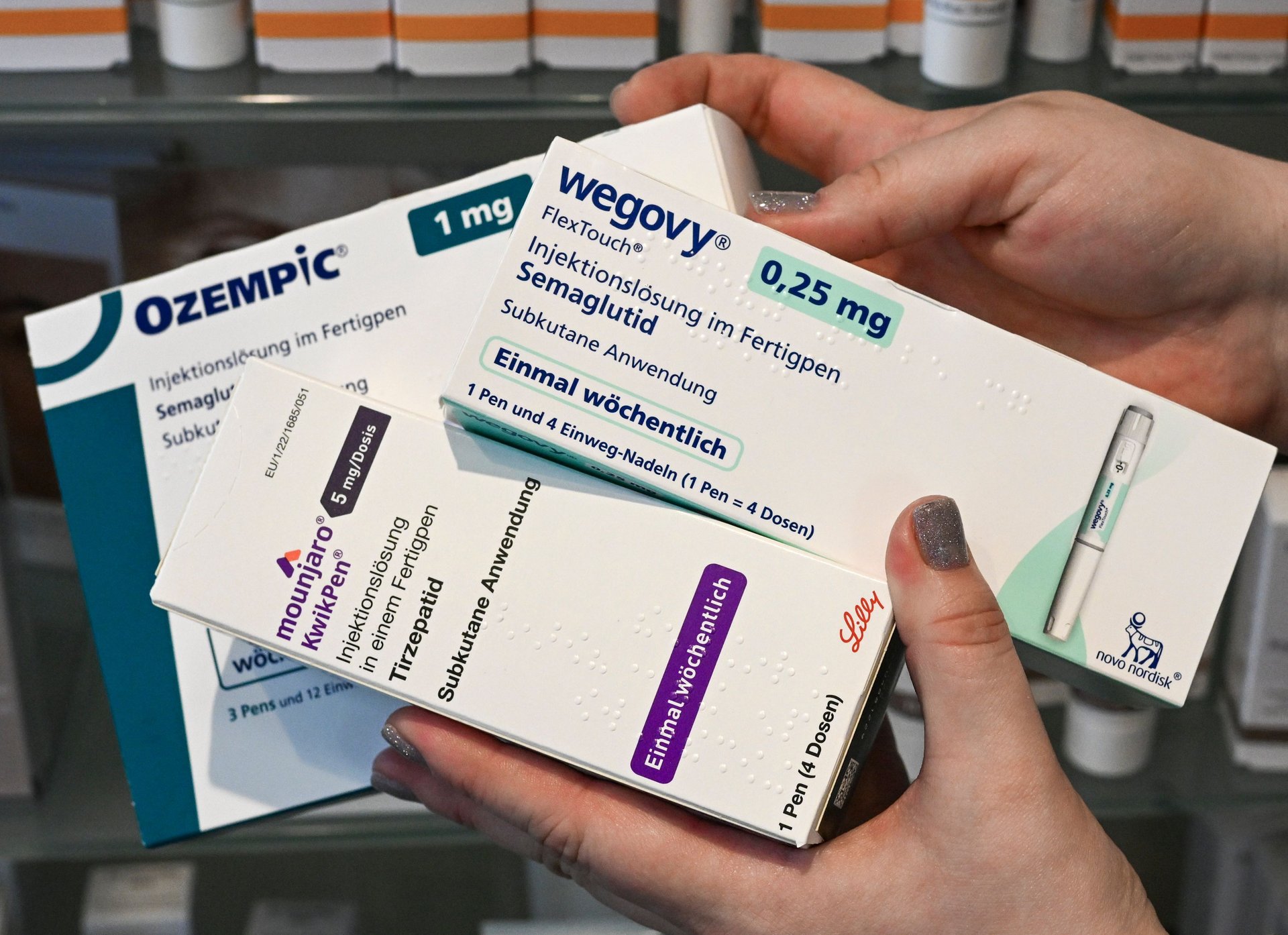
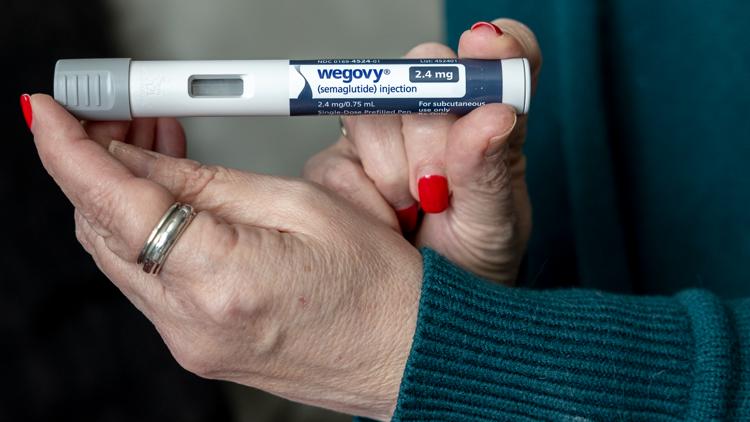
The March 9, 2026 settlement between Novo Nordisk and Hims & Hers represents a critical regulatory inflection point for telehealth pharmaceutical e-commerce. Hims' pivot from compounded semaglutide ($49/month) to FDA-approved branded GLP-1s (Ozempic, Wegovy) signals the closure of a major regulatory loophole that enabled non-patent holders to exploit drug shortage exceptions. This compliance shift creates a high-barrier market moat protecting branded pharmaceutical sellers while eliminating unauthorized compounders—estimated at 30-40% of the telehealth weight-loss market.
The Compliance Barrier: Semaglutide patent protection extends until 2032 in the US, and the FDA's enforcement action (referral to Department of Justice in February 2026) demonstrates aggressive policing of mass compounding claims. Hims' settlement requires discontinuing compounded GLP-1 advertising and limiting compounded offerings to "FDA-compliant rare cases only"—a vague standard that creates compliance risk for any seller attempting to replicate the $49 pricing model. The cost of FDA approval for branded alternatives ranges from $100M-500M and 7-10 years, making this a practical barrier for new entrants.
Market Consolidation Impact: Novo Nordisk's dismissal of its lawsuit "without prejudice" (preserving future legal action) signals aggressive IP enforcement. With 600,000+ Wegovy pill prescriptions already distributed through Hims, the partnership legitimizes telehealth pharmaceutical distribution while creating an exclusive distribution channel. This eliminates the "shortage exception" argument that Hims previously used—Novo resolved manufacturing constraints by 2025, closing the regulatory loophole. For sellers offering weight-loss supplements, nutrition guidance, or complementary wellness products, this consolidation creates both risk (reduced customer acquisition from compounding sellers) and opportunity (partnership with legitimate telehealth platforms).
Service Gap Opportunity: The settlement reveals underserved compliance needs. Hims' previous "deceptive marketing" (per Novo CEO) and FDA enforcement action indicate sellers lack clear guidance on compounding legality claims. Compliance service providers offering GLP-1 marketing audit, compounding legality assessment, and telehealth regulatory documentation face high demand. Additionally, sellers offering personalized nutrition guidance (explicitly mentioned in Hims' service expansion) and lifestyle coaching for weight-loss patients represent a $500M+ adjacent market with lower regulatory barriers than pharmaceuticals.
Category Winnowing: Unauthorized compounding sellers face elimination. Estimated 200-300 telehealth platforms and compounding pharmacies offering semaglutide alternatives at $40-80/month will face FDA enforcement pressure similar to Hims. This creates a 40-50% market contraction in the compounded GLP-1 segment, but expands the legitimate telehealth pharmaceutical market by 25-30% as Novo's partnership legitimizes the channel. Sellers should monitor Eli Lilly's orforglipron launch (Q2 2026) as a potential second-source opportunity to reduce Novo's distribution monopoly.
Questions 8
How does the 2032 semaglutide patent deadline affect seller strategy?
Semaglutide patent protection extends until 2032 in the US, creating a 6-year window before generic alternatives become legal. This patent wall protects Novo's market position and makes unauthorized compounding increasingly risky as enforcement intensifies. Sellers should monitor Eli Lilly's orforglipron launch (Q2 2026) as a potential alternative to reduce Novo's distribution monopoly. After 2032, generic semaglutide compounding becomes legally viable, but sellers entering the market now face 6 years of regulatory risk. Strategic sellers should position for post-2032 generic opportunities while building compliance infrastructure for current branded alternatives.
What compliance changes does the Hims-Novo settlement create for telehealth sellers?
The March 2026 settlement eliminates the drug shortage exception that allowed Hims to sell compounded semaglutide at $49/month. Sellers can no longer claim shortage-based compounding legality since Novo resolved manufacturing constraints by 2025. The FDA's enforcement action (referral to DOJ) signals aggressive policing of mass compounding claims. Telehealth sellers must now choose between: (1) partnering with branded pharmaceutical companies like Novo, (2) offering only FDA-approved alternatives, or (3) limiting compounded offerings to documented rare cases where FDA-approved options are clinically inappropriate. Compliance costs for option 2 range from $100M-500M and 7-10 years for new drug approval.