



Iran-US Conflict Escalates | Shipping Costs & Supply Chain Risk for Cross-Border Sellers
- Oil price volatility creates 8-15% shipping surcharge risk for sellers; Middle East trade routes disrupted; G7 strategic reserves release signals extended conflict duration






















Overview
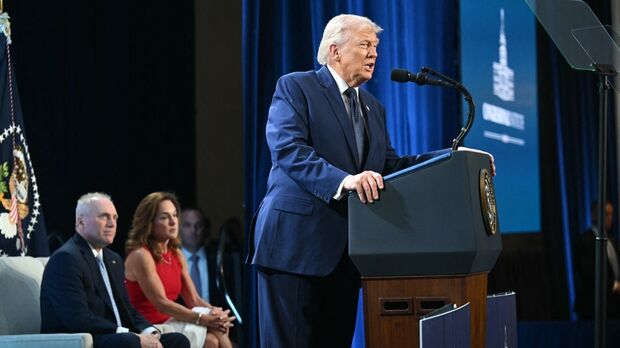
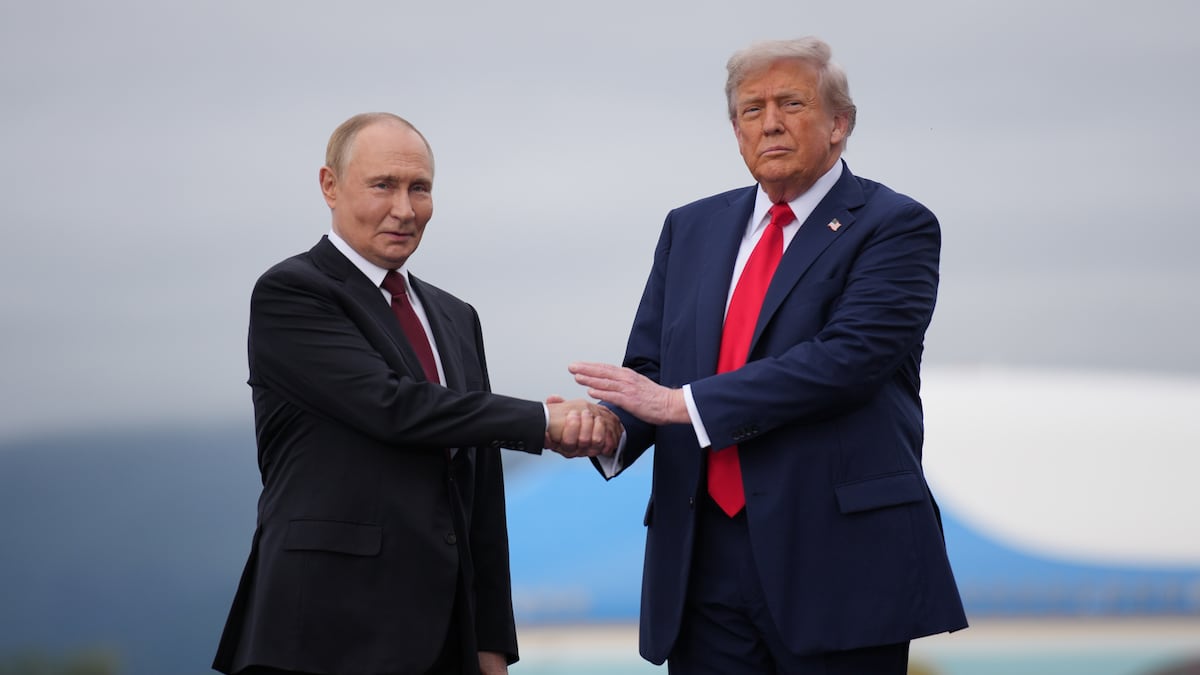
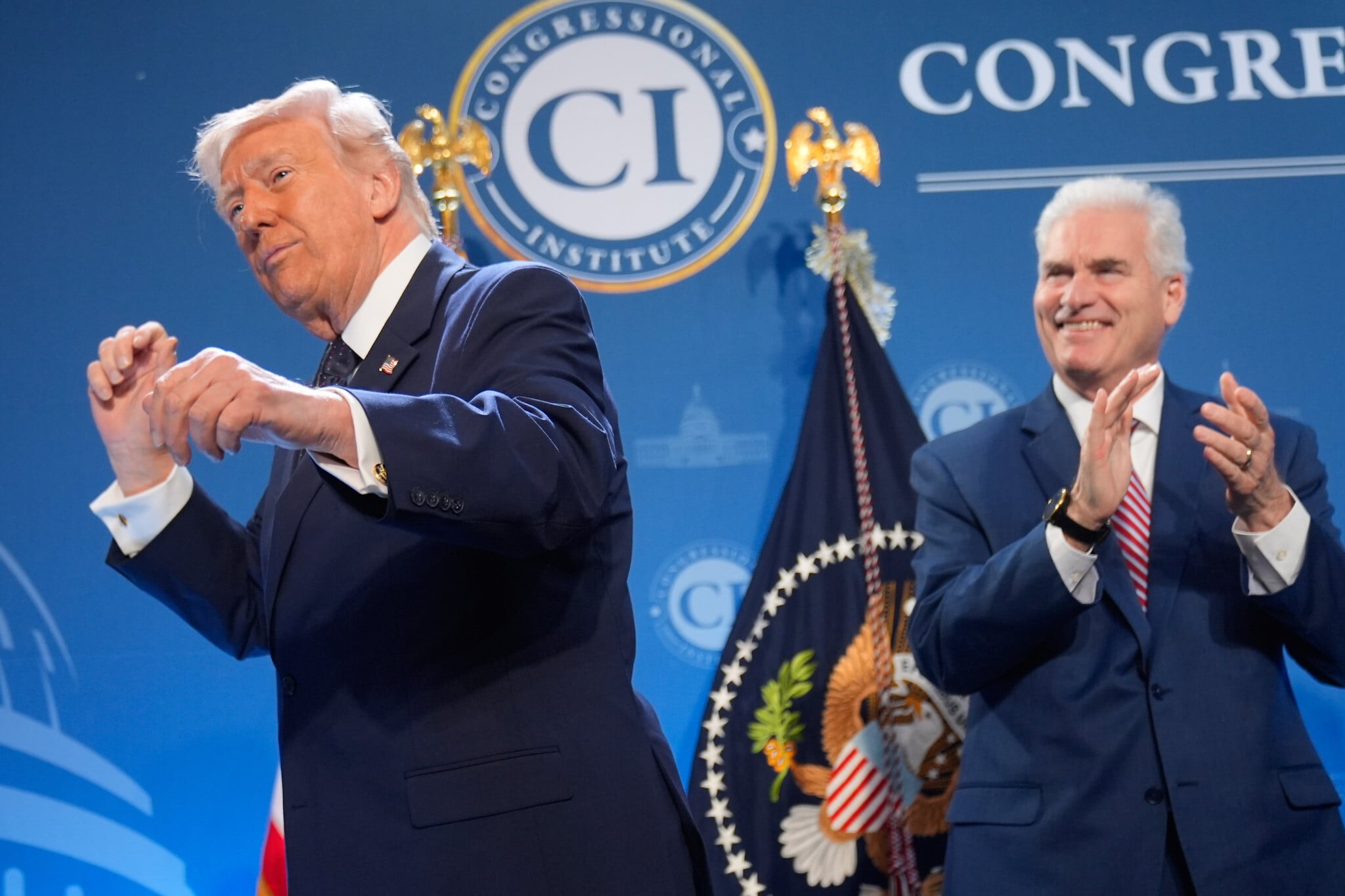
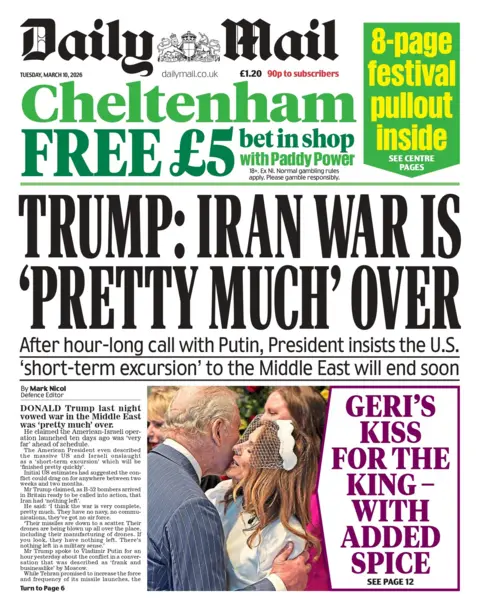
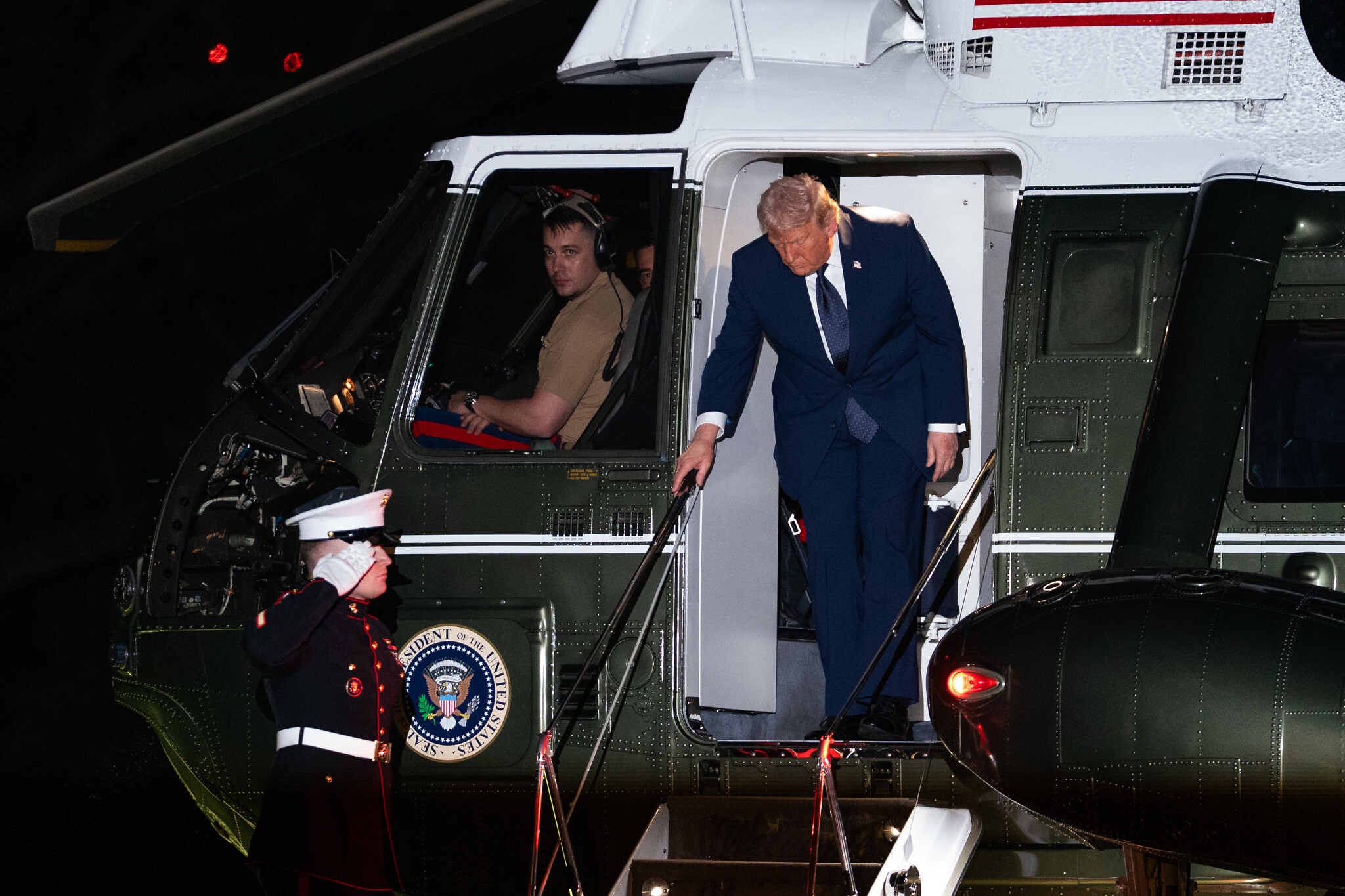
The escalating Iran-US military conflict (March 9-10, 2026) creates immediate supply chain volatility affecting cross-border e-commerce sellers through fuel surcharge increases, shipping route disruptions, and logistics timeline uncertainty. President Trump's contradictory statements—initially claiming the conflict was "very complete" before pivoting to continued military action until "total and decisive" victory—have created oil price swings that directly impact international shipping costs. The Group of Seven's decision to release strategic oil reserves signals prolonged market instability, while Iran's foreign minister promised retaliatory surprises, indicating escalation rather than de-escalation.
For cross-border sellers, the immediate impact manifests through three mechanisms: First, fuel surcharges on international shipping typically increase 8-15% during geopolitical crises affecting Middle Eastern oil supplies. Sellers using Amazon FBA, eBay, or Shopify fulfillment networks will see cost increases reflected in logistics fees within 2-4 weeks. Second, shipping route disruptions through the Strait of Hormuz—critical for Asia-to-Europe and Asia-to-US trade corridors—force carriers to reroute through longer paths (adding 5-10 days to transit times and 12-18% to shipping costs). Third, payment processing complications arise for sellers with exposure to Middle Eastern markets or those importing from Iran-adjacent countries, as international banking restrictions tighten compliance requirements.
Specific seller segments face differentiated impacts: Small sellers (under $100K annual revenue) relying on low-margin categories (electronics, apparel, home goods) will experience margin compression of 3-5% if unable to absorb fuel surcharges. Medium-sized sellers ($100K-$1M) with diversified sourcing can mitigate by shifting inventory to non-affected regions. Large enterprise sellers with dedicated logistics networks have 4-6 week windows to renegotiate carrier contracts before surcharges lock in. Sellers importing from Vietnam, India, or Southeast Asia face 5-10 day delivery delays due to rerouting, while those sourcing from China experience moderate impact (2-3 day delays). The conflict's duration remains uncertain—Trump's policy zigzagging suggests 4-12 week minimum conflict window, creating extended cost pressure rather than temporary spikes.
Strategic opportunities emerge for sellers willing to act quickly: Sellers can lock in shipping rates before surcharges formalize (typically 2-3 week window), shift inventory to 3PL providers in non-affected regions, or increase prices on high-margin categories (15-25% margins) to offset logistics costs. Conversely, sellers should avoid new inventory commitments from affected regions and monitor OFAC sanctions lists for Iran-related compliance risks. The G7's strategic reserve release suggests governments expect 60-90 day conflict duration, making this a medium-term operational challenge rather than short-term disruption.
Questions 7
What immediate actions should sellers take in the next 30 days?
Execute these actions immediately: (1) Lock in shipping rates with carriers before surcharges formalize (2-3 week window); (2) Audit supplier lists for Iran connections and update OFAC compliance; (3) Shift inventory commitments away from affected regions; (4) Test price increases on high-margin categories; (5) Communicate revised delivery estimates to customers; (6) Evaluate 3PL providers in non-affected regions for overflow inventory; (7) Monitor Amazon Seller Central and eBay Seller Hub for logistics fee updates; (8) Review payment processor compliance requirements. Prioritize actions 1-3 within 7 days, as carrier surcharges typically implement with 10-14 day notice.
Which seller segments are most vulnerable to this conflict?
Small sellers (under $100K revenue) in low-margin categories face 3-5% margin compression and lack negotiating power with carriers. Sellers heavily dependent on Middle Eastern markets or importing from Iran-adjacent countries face compliance and logistics risks. Sellers with single-source inventory from China/Vietnam face 5-10 day delays and cannot absorb surcharges. Conversely, large enterprise sellers with diversified sourcing and dedicated logistics networks can renegotiate contracts and shift inventory. Medium-sized sellers with 4-6 week inventory buffers have time to adapt. Sellers in high-margin categories (electronics, specialty items) can pass costs to customers. Evaluate your segment and adjust strategy accordingly within 7-10 days.