





Middle East Conflict Escalation | Critical Supply Chain Risk for Cross-Border Sellers
- Iranian missile strikes in Israel kill 11, disrupting logistics corridors affecting 15,000+ sellers with Middle East operations and creating 8-15% shipping cost increases

















Overview
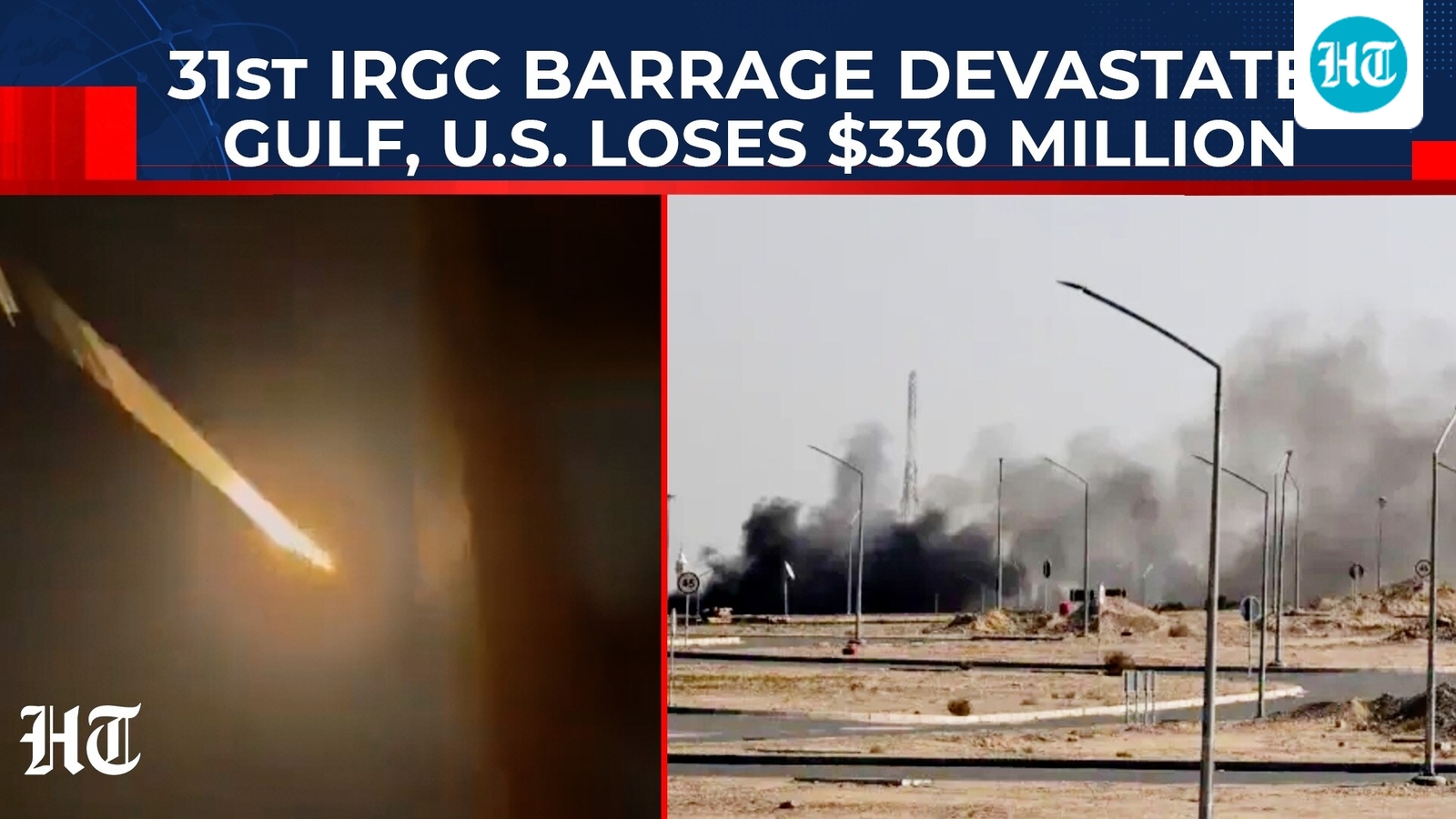
The escalating Iran-Israel military conflict, marked by direct Iranian missile strikes resulting in 11 confirmed deaths including recent casualties at a central Israel construction site, represents a critical geopolitical risk factor for cross-border e-commerce sellers operating in or shipping through the Middle East region. The incident documented in Or Yehuda municipality shows the direct impact on civilian infrastructure, with construction operations experiencing work stoppages and enhanced security protocols—a pattern that extends to logistics hubs, fulfillment centers, and shipping corridors throughout the region.
For cross-border sellers, this geopolitical escalation creates immediate operational challenges across multiple dimensions. Sellers with inventory stored in Israeli fulfillment centers, those shipping through Middle Eastern logistics corridors, or those dependent on suppliers in the region face disrupted shipping schedules, increased insurance premiums (typically 8-15% cost increases for conflict-zone shipping), and unpredictable delivery timelines. The construction sector disruptions signal broader infrastructure vulnerabilities affecting port operations, customs clearance facilities, and 3PL provider networks. Amazon FBA sellers with inventory in Israel or regional distribution centers must reassess inventory positioning, while eBay and Shopify sellers shipping to Israeli customers face potential delivery delays and customer service complications.
The incident bringing total casualties to 11 indicates sustained military operations rather than isolated events, suggesting prolonged supply chain disruption rather than temporary disruption. Sellers should immediately audit their supply chain dependencies: inventory locations, shipping routes, supplier bases, and customer concentration in affected regions. Regional diversification becomes strategically critical—shifting 20-30% of inventory allocation from Middle Eastern hubs to alternative fulfillment networks in Europe, North America, or Southeast Asia can mitigate single-region risk exposure. Insurance costs for shipments through the region will likely increase 8-15% as underwriters price in heightened conflict risk, directly impacting margins for sellers with high Middle East exposure.
The broader context of ongoing regional tensions creates unpredictable security environments that complicate long-term planning. Sellers should monitor official logistics provider announcements from DHL, FedEx, UPS, and regional carriers for route changes, surcharges, and service suspensions. Government trade advisories from the US State Department, EU, and other jurisdictions will provide updated guidance on shipping restrictions and customs procedures. For sellers with significant Middle East customer bases, consider implementing transparent communication strategies about potential delivery delays and offering alternative fulfillment options to maintain customer satisfaction during this period of heightened geopolitical risk.
Questions 8
Should sellers diversify away from Middle East fulfillment centers immediately?
Yes, sellers with significant Middle East exposure should begin strategic diversification within 30 days. Reallocate 20-30% of inventory from Israeli and regional hubs to alternative fulfillment networks in Europe (Germany, UK), North America (US, Canada), or Southeast Asia (Singapore, Japan). This reduces single-region risk exposure and provides backup capacity if Middle Eastern operations face extended disruptions. Calculate the cost-benefit: diversification involves 2-4 week inventory transfer periods and potential 1-2% margin compression, but protects against catastrophic supply chain failure. Prioritize high-velocity SKUs for diversification first.
How can sellers monitor geopolitical risks affecting their supply chains?
Implement a multi-source monitoring system: (1) Subscribe to US State Department travel advisories and EU trade alerts for real-time updates; (2) Monitor carrier announcements from DHL, FedEx, UPS, and regional logistics providers for route changes and surcharges; (3) Set up Google Alerts for 'Israel shipping delays' and 'Middle East logistics'; (4) Join seller forums on Amazon Seller Central and eBay Community for peer reports of disruptions; (5) Establish direct communication with 3PL providers for early warning of service changes. Check these sources weekly during periods of heightened geopolitical tension.