


Hormuz Shipping Crisis Drives 4-6X Insurance Costs | Cross-Border Sellers Face Supply Chain Disruption
- Marine insurance premiums surge 400-600% for Persian Gulf routes; oil prices hit $119/barrel on March 9, 2024; sellers shipping from Middle East/Asia face 30-45% delivery delays and cost increases
















Overview
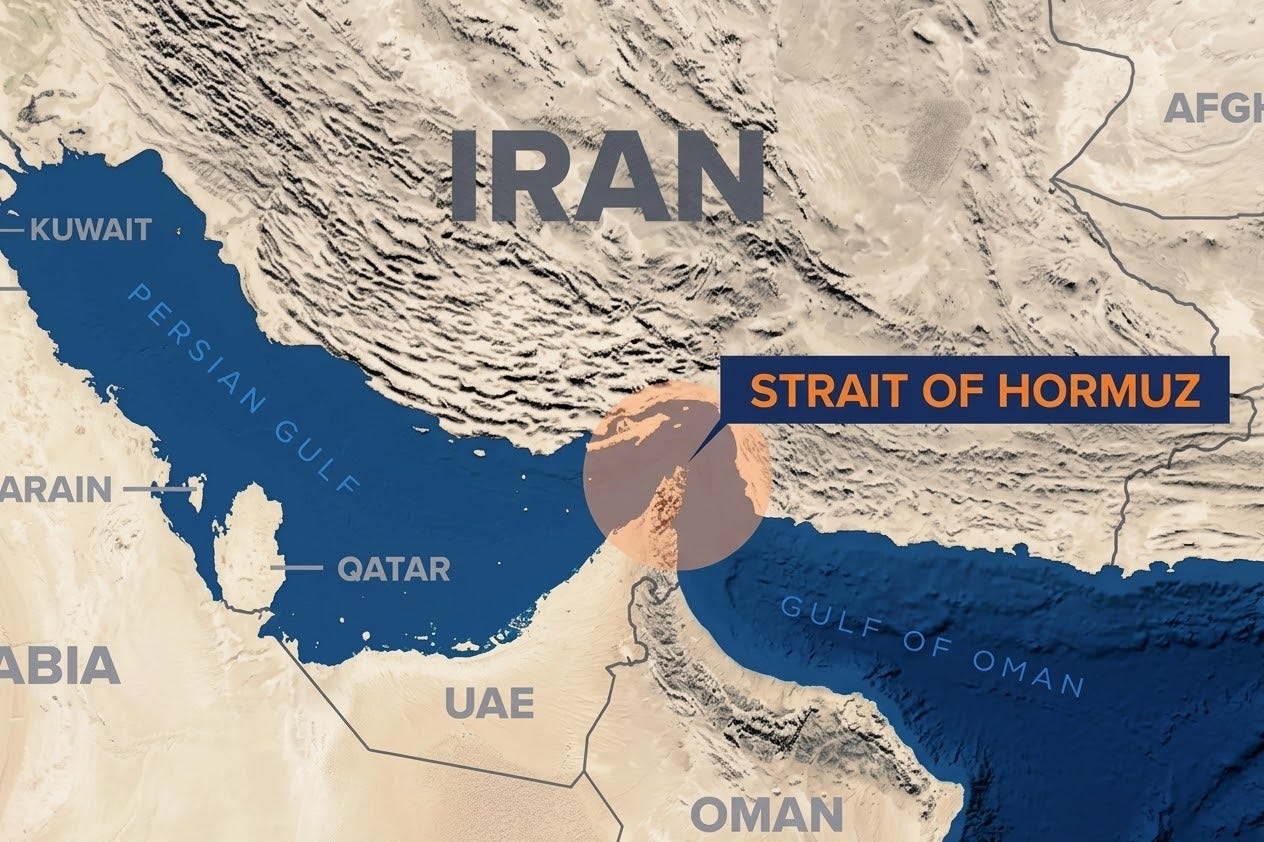
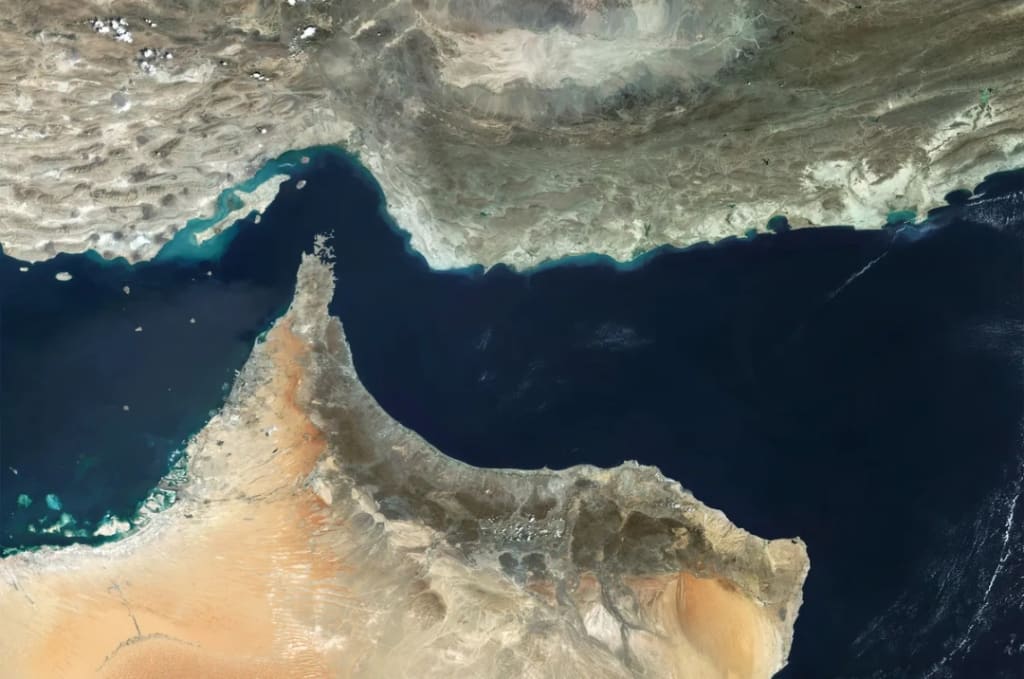
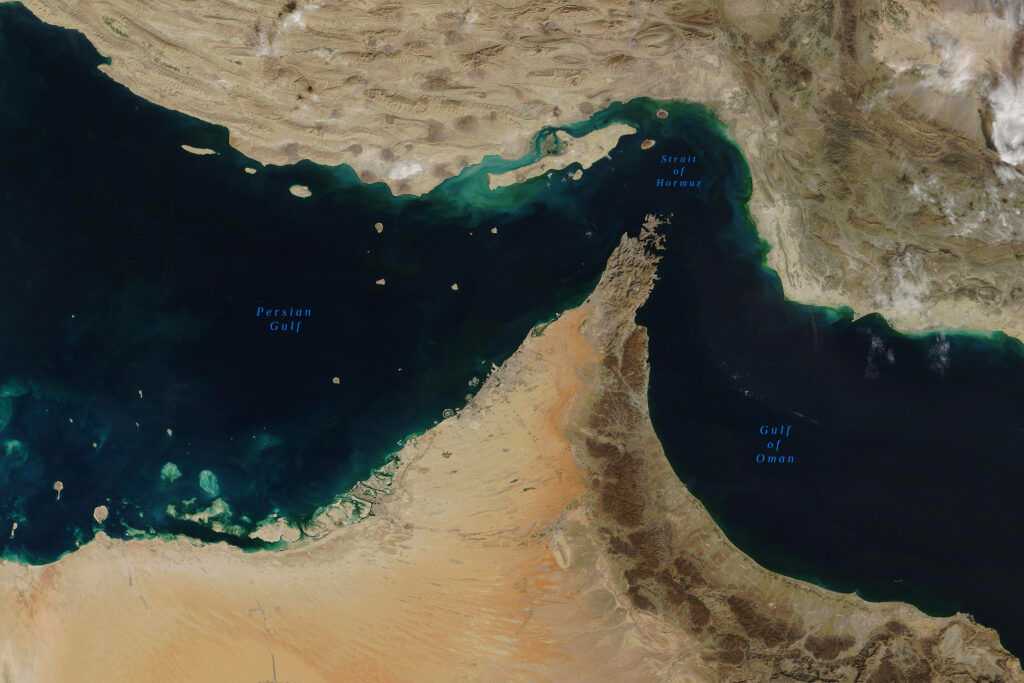
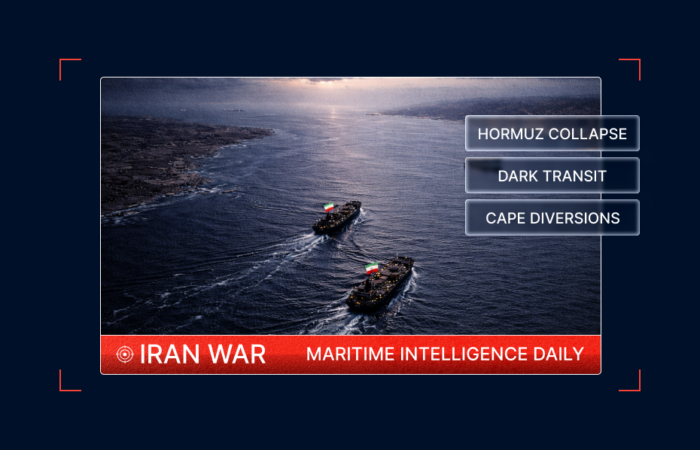
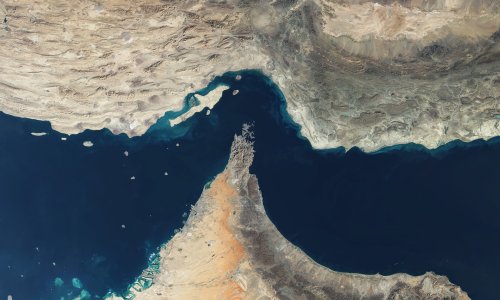
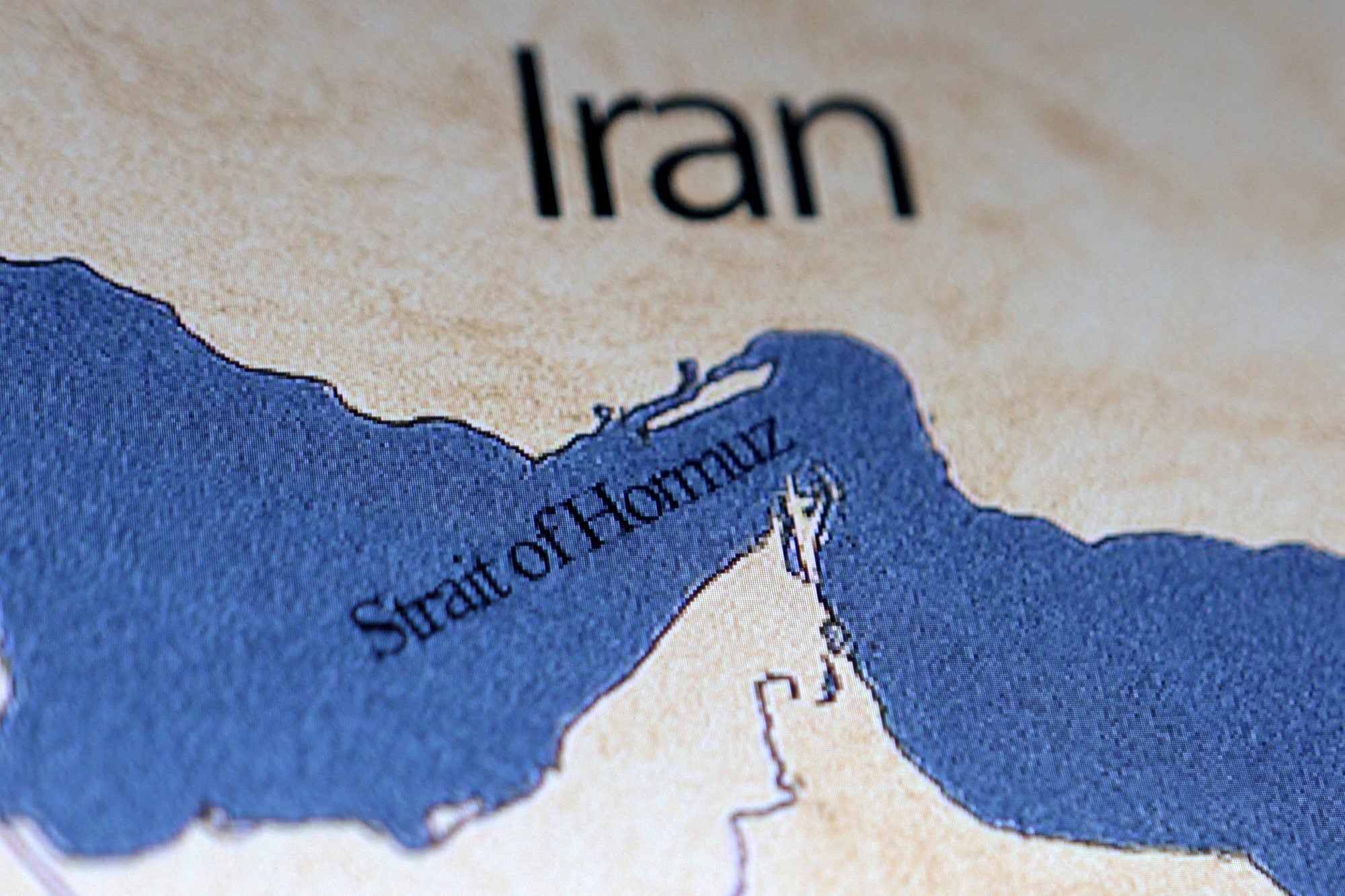
The Strait of Hormuz shipping crisis represents a critical supply chain disruption for cross-border e-commerce sellers, particularly those sourcing products from Middle Eastern suppliers or shipping through Asian ports. The Strait handles approximately 20% of global crude oil and liquefied natural gas flows, making it essential infrastructure for international trade. According to marine insurance brokers Marsh and Howden Group, hull, machinery, and cargo coverage costs have surged 4-6 times above previous rates following recent military escalations and geopolitical tensions in the region. This insurance gap creates unprecedented operational challenges for sellers.
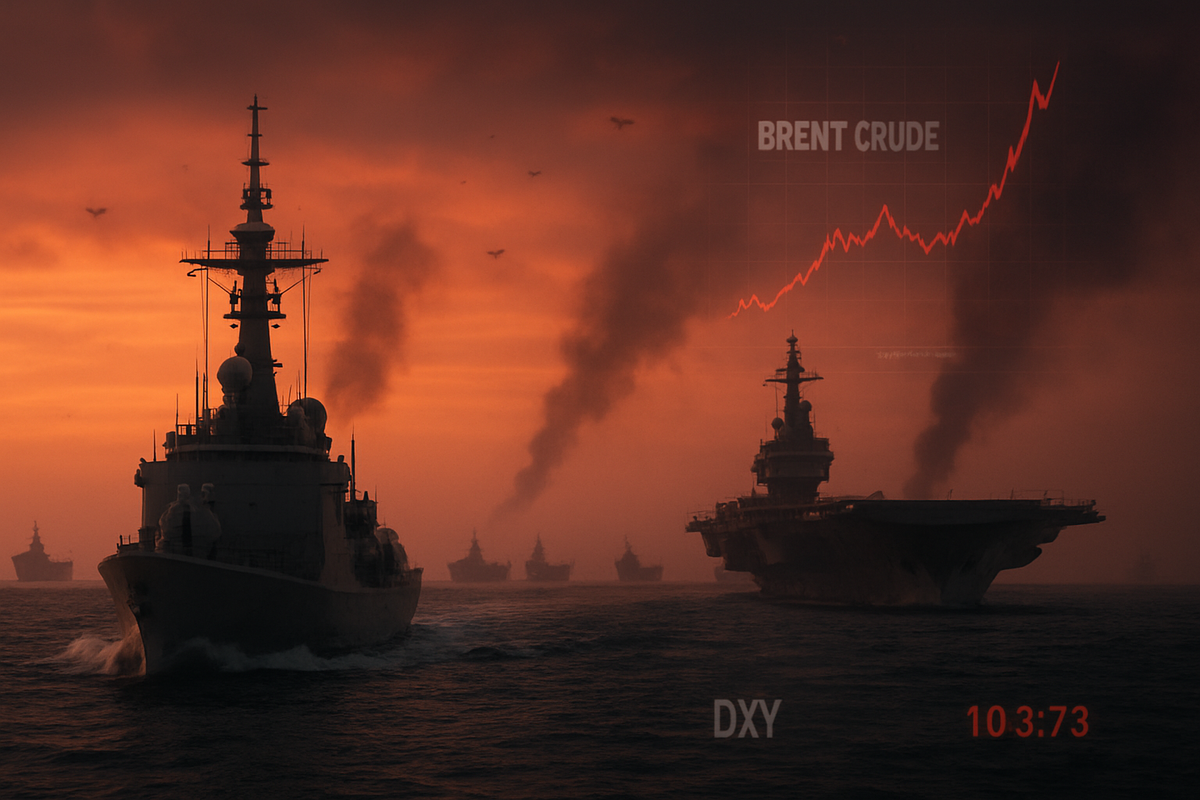
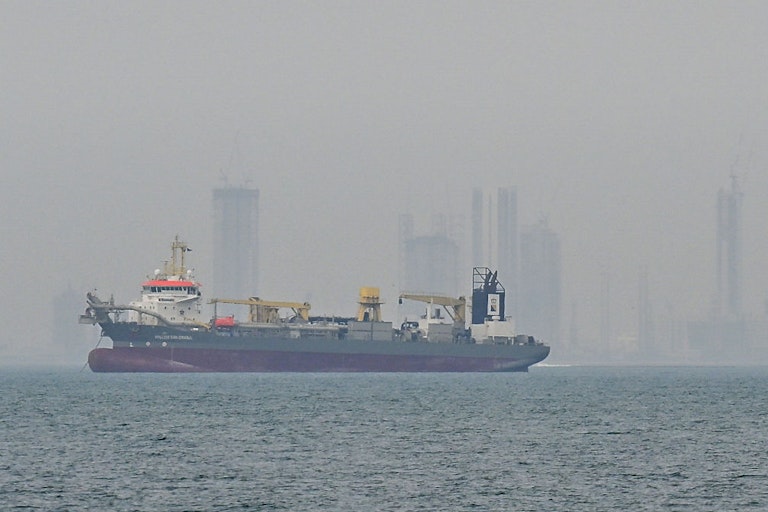
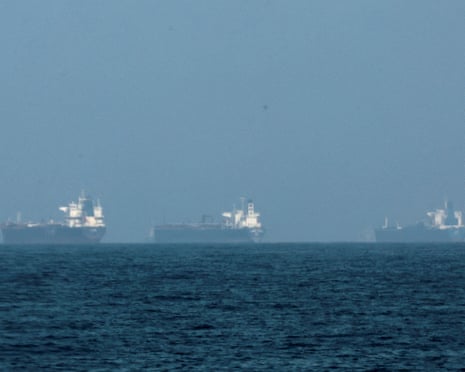
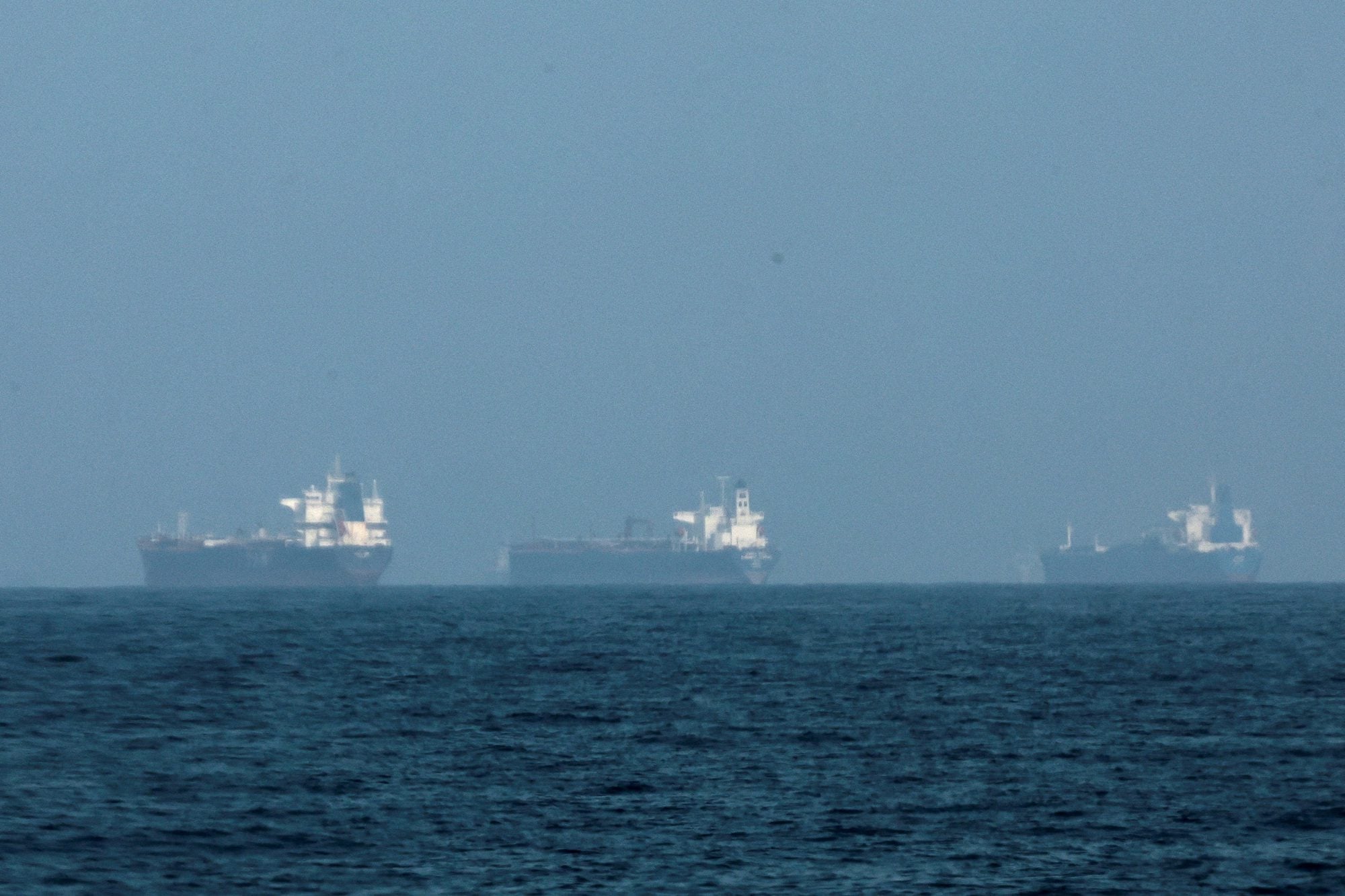
For cross-border sellers, the immediate impact manifests across three critical dimensions: First, shipping cost inflation directly affects product pricing and margins. A seller shipping 1,000 units monthly from Dubai or Singapore through Hormuz now faces insurance premiums that have increased from approximately $5,000-8,000 to $20,000-48,000 per shipment, compressing margins by 8-15% depending on product category and weight. Second, supply chain delays are accelerating as hundreds of vessels remain anchored on both sides of the waterway. The successful transit of the Shenlong Suezmax on March 8, 2024 (carrying 1 million barrels of Saudi crude to Mumbai) signals that navigation remains technically open but at significantly reduced capacity. Sellers should expect 30-45 day delays for shipments that previously took 14-21 days through Hormuz, forcing inventory planning adjustments and increased working capital requirements. Third, market volatility is creating pricing uncertainty. Oil prices surged to $119 per barrel on March 9, 2024—levels unseen since mid-2022—driven by supply cuts from Gulf producers and fears of prolonged shipping disruption. This volatility directly impacts fuel surcharges on ocean freight, which typically represent 15-25% of total shipping costs.
The insurance gap presents a particularly acute risk for sellers. President Trump's $20 billion reinsurance facility through the Development Finance Corporation provides some market reassurance, but critically covers only hull, machinery, and cargo—conspicuously excluding environmental pollution coverage. This gap mirrors the terrorism insurance crisis post-9/11, when the U.S. government established TRIA (Terrorism Risk Insurance Act) in 2002 to stabilize markets. Without government-backed environmental risk backstop, shipping companies will continue avoiding the strategic waterway, disrupting global energy trade and supply chains. For sellers, this means alternative routing through the Suez Canal (adding 7-10 days and 15-20% cost premium) or air freight (adding 300-400% to shipping costs) become necessary for time-sensitive inventory. Sellers shipping electronics, apparel, and perishables face the most acute pressure, as these categories have tight inventory turnover requirements and cannot absorb extended transit times without significant margin compression.
Questions 8
What geopolitical monitoring should sellers implement for Hormuz shipping?
Monitor maritime data platforms including Kpler, Lloyds List Intelligence, and MarineTraffic for real-time vessel tracking and Hormuz transit data. Track IMO (International Maritime Organization) announcements regarding freedom of navigation and security incidents. Subscribe to shipping industry alerts from Howden Group and Marsh for insurance premium updates. Monitor oil price movements via EIA petroleum data—prices above $110/barrel typically correlate with increased shipping disruption risk. Set up alerts for Iranian tanker activity and U.S.-Israel military operations in the region, as these directly impact Hormuz transit capacity. Establish relationships with freight forwarders who provide weekly Hormuz transit reports and alternative routing recommendations. Review insurance coverage quarterly to ensure adequate environmental liability protection once policies are updated.
What is the insurance gap in Trump's $20 billion reinsurance facility?
The Development Finance Corporation's $20 billion reinsurance facility covers only hull, machinery, and cargo—conspicuously excluding environmental pollution coverage. This gap mirrors the post-9/11 terrorism insurance crisis that led to the Terrorism Risk Insurance Act (TRIA) in 2002. The Persian Gulf lacks sophisticated oil cleanup infrastructure compared to the United States, creating unprecedented pollution liability exposure. Without government-backed environmental risk backstop, shipping companies will continue avoiding Hormuz routes. Sellers should monitor policy developments closely and consider insurance alternatives or route diversification until environmental coverage is addressed through legislation similar to TRIA.