



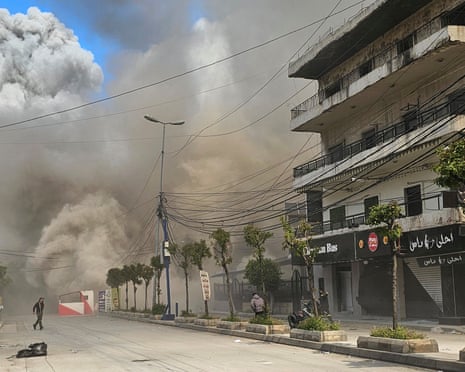


Strait of Hormuz Closure Triggers 20% Oil Supply Shock | Cross-Border Sellers Face 8-15% Shipping Cost Surge
- Crude oil exceeds $100/barrel for first time since 2022; Shipping fuel surcharges expected within weeks; Sellers with Asia-to-US logistics face highest cost impact



















Overview
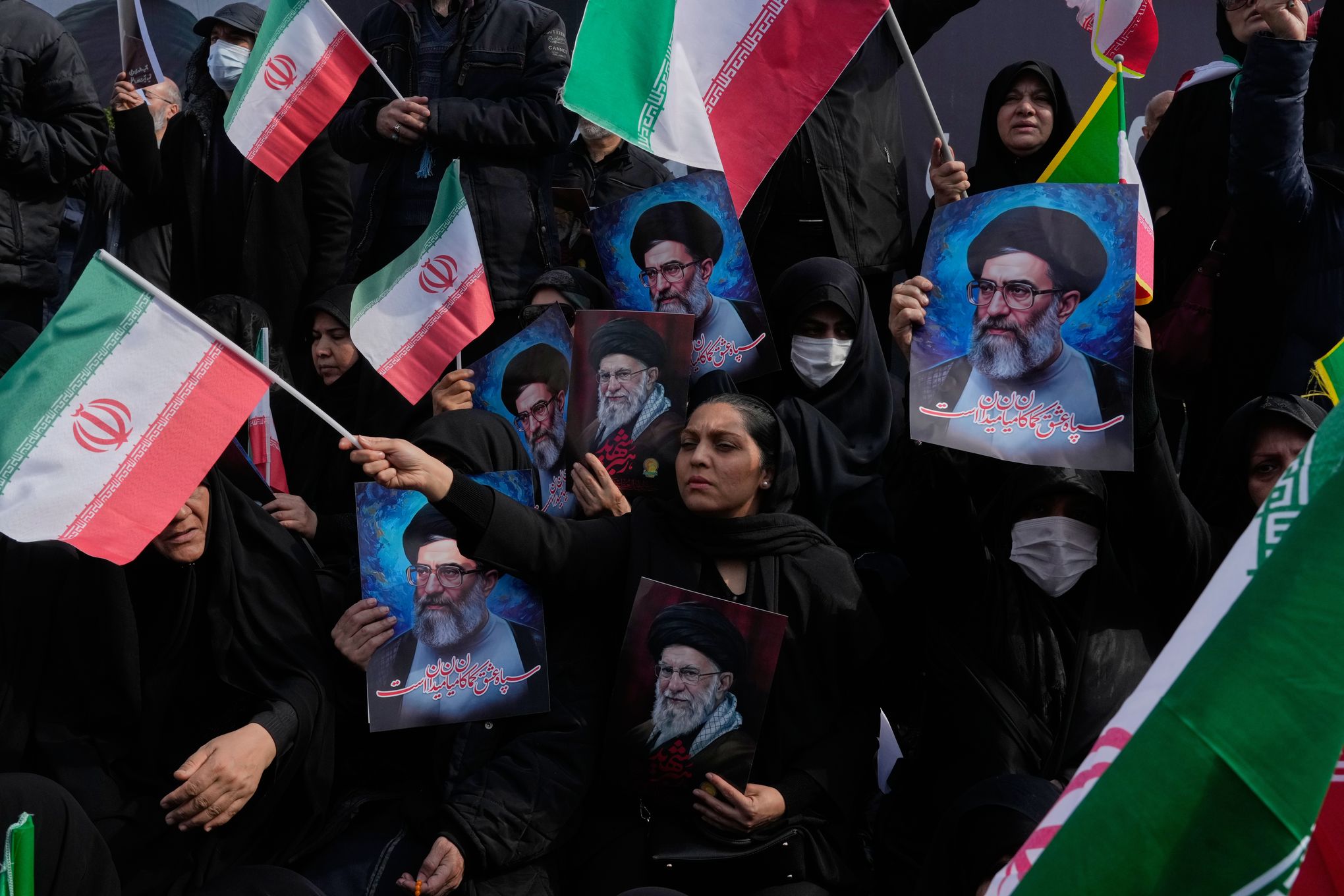
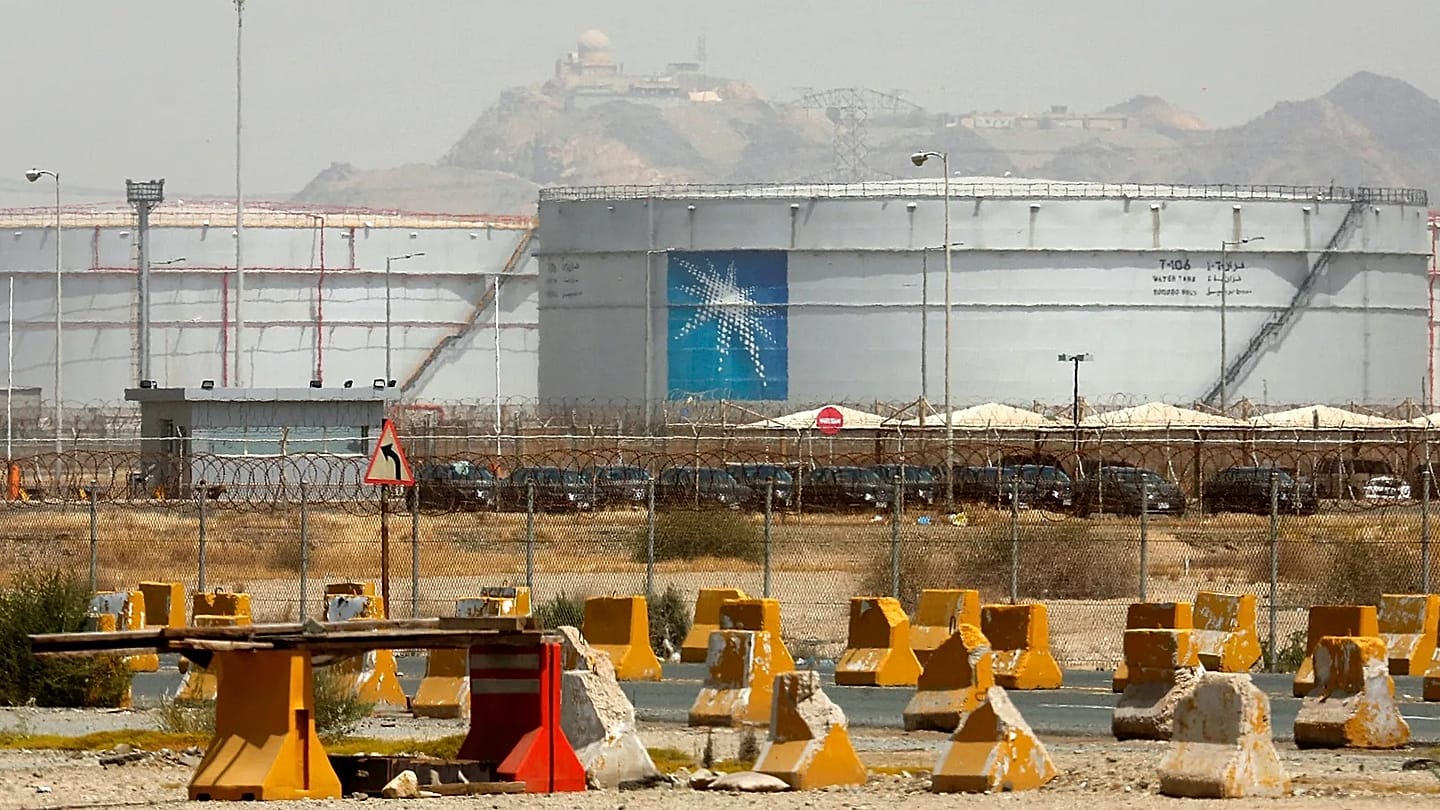
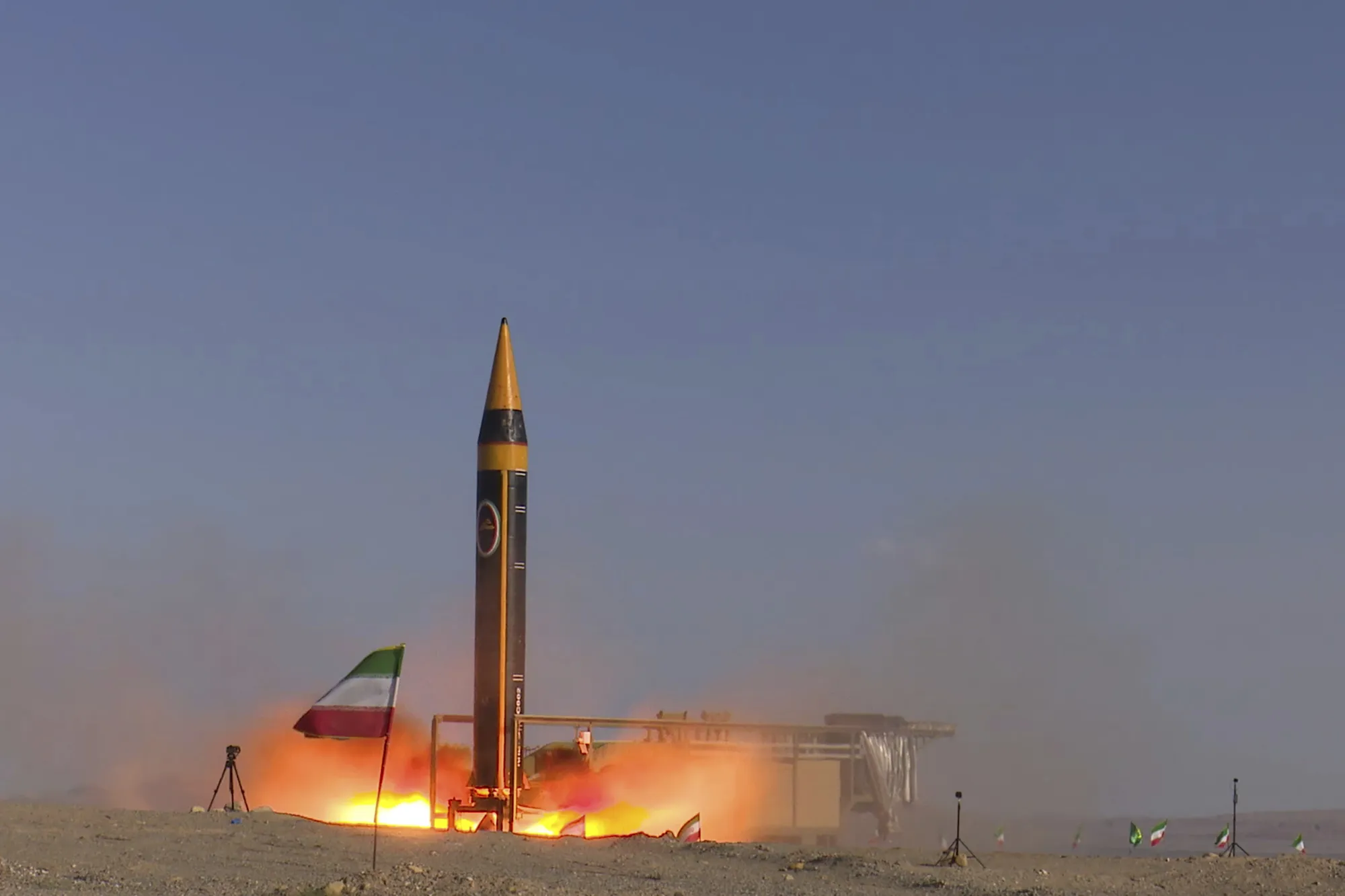
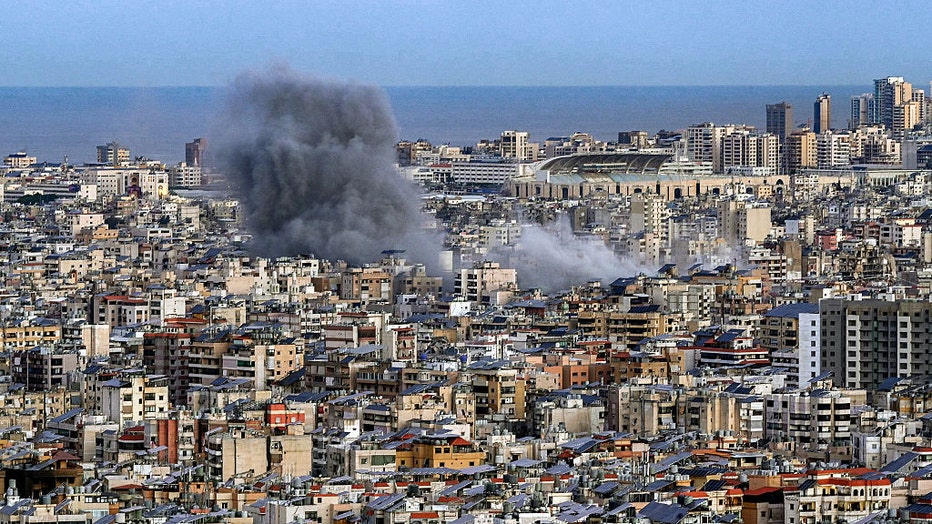
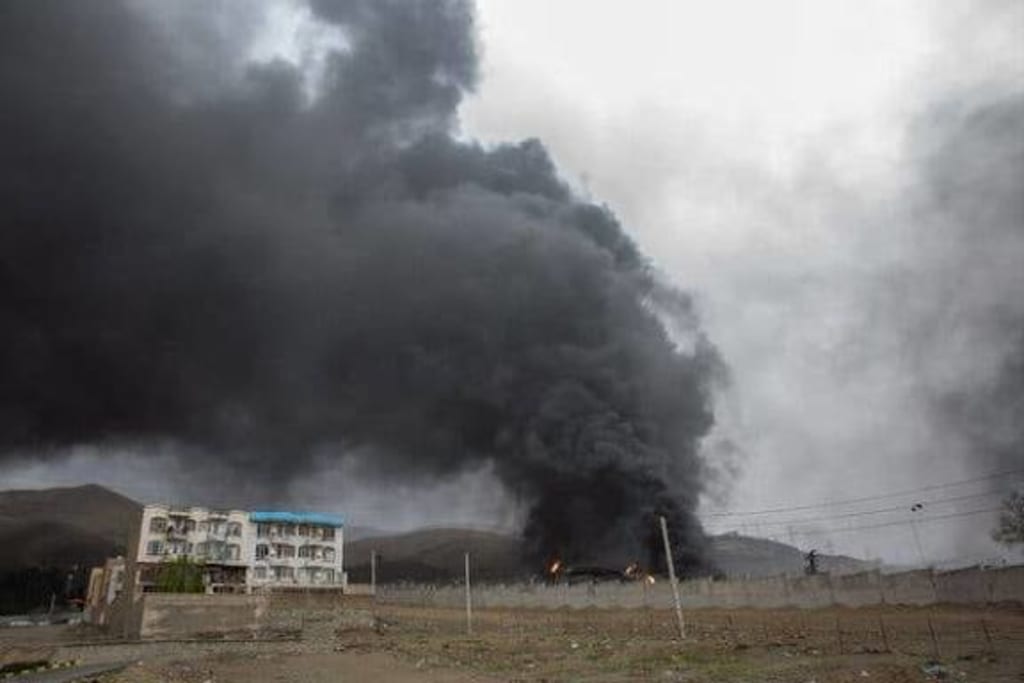
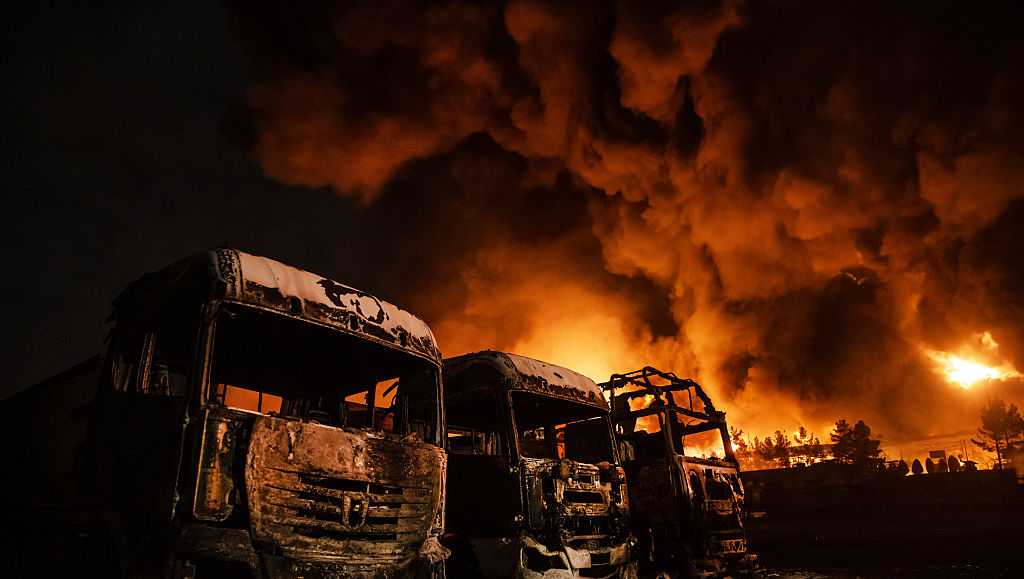
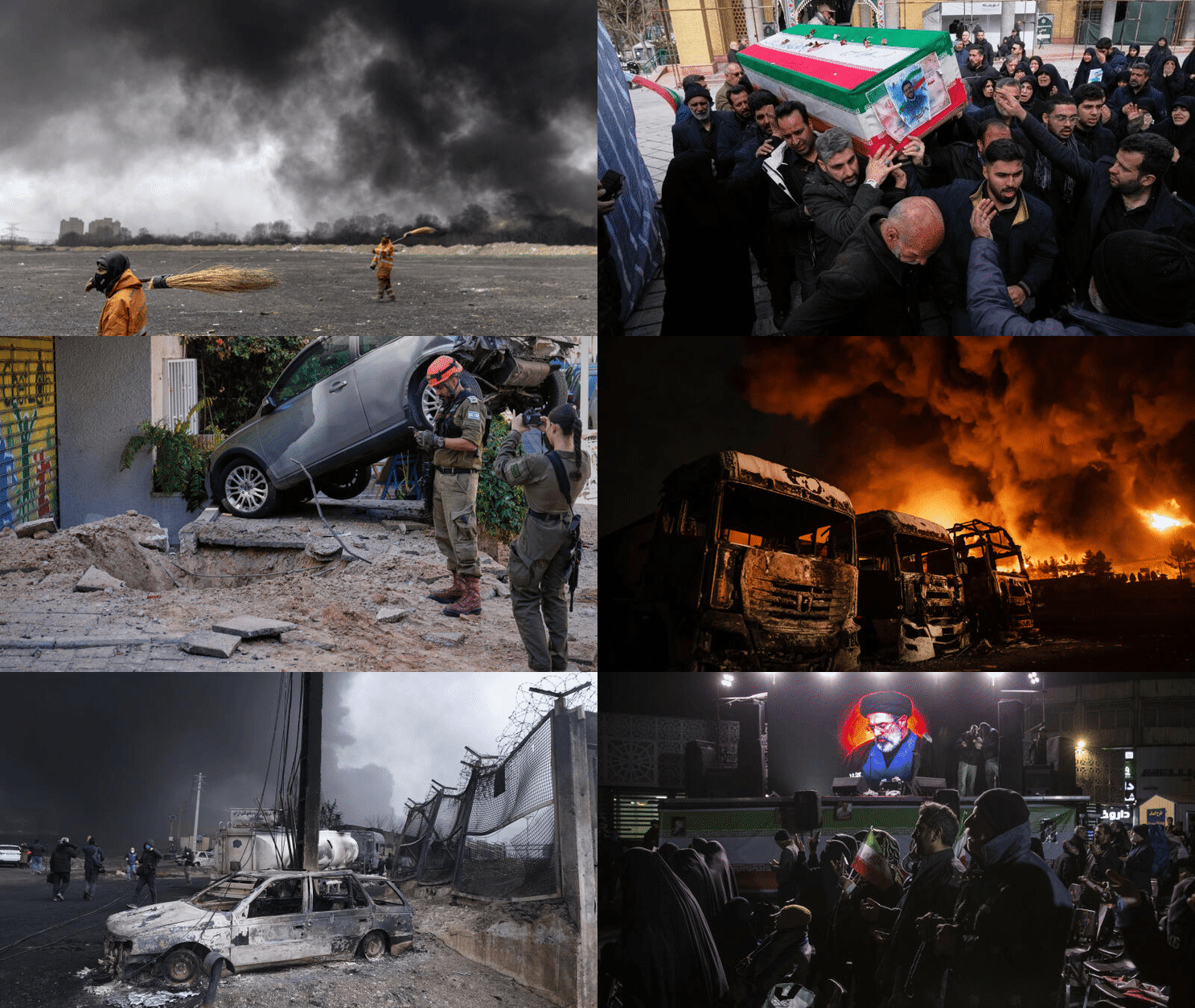
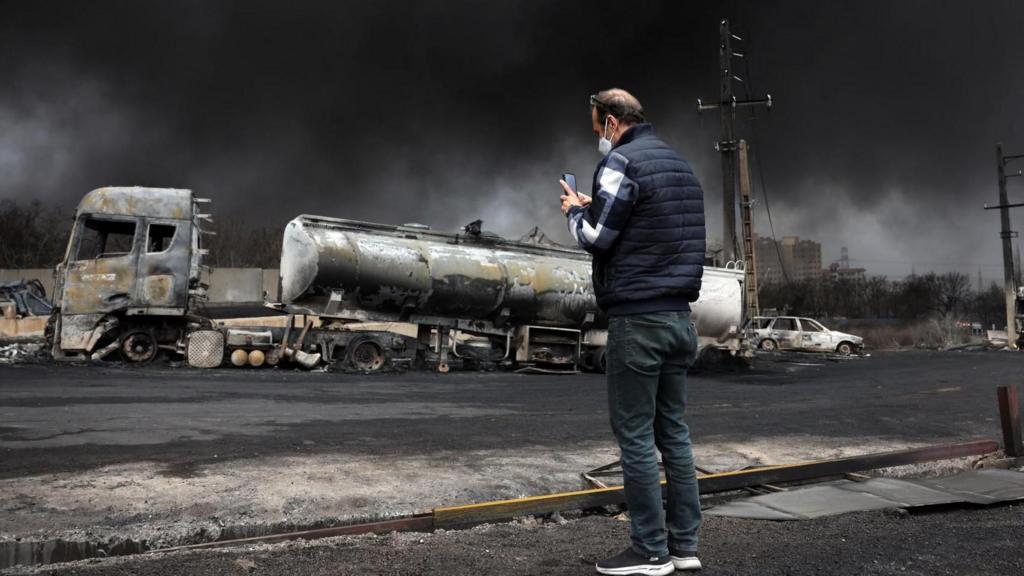
The escalating US-Israel-Iran military conflict has triggered the largest oil supply disruption in history, with approximately 20% of global oil production affected as of March 9, 2026. Crude oil prices have surged above $100 per barrel—the highest level since 2022—while the Strait of Hormuz, which handles roughly 21% of global petroleum trade, has essentially closed due to military threats and infrastructure attacks. This geopolitical crisis creates immediate and severe operational challenges for cross-border e-commerce sellers relying on international logistics networks.
Immediate Shipping Cost Impact: For cross-border sellers, elevated oil prices directly translate to higher freight rates within 2-4 weeks as major carriers (FedEx, UPS, DHL, ocean freight providers) adjust fuel surcharges. Sellers shipping from Asia to North America and Europe face the highest exposure, with typical fuel surcharges increasing from 3-5% to 8-12% of base shipping costs. A seller shipping 1,000 units monthly via air freight from China to the US could see costs rise from $4,000-6,000 to $5,200-7,800 monthly—a $1,200-1,800 monthly increase. Ocean freight routes face similar pressures, with longer transit times due to Strait of Hormuz closure forcing ships to reroute around Africa (adding 10-14 days and 20-30% cost premiums).
Market Volatility & Capital Access: Global stock market sell-offs triggered by oil price spikes affect seller access to capital for inventory expansion and working capital. Sellers with credit lines tied to equity valuations or those seeking venture funding face tighter lending conditions. The G7's emergency oil reserve discussions signal government recognition of economic shock severity, but outcomes remain uncertain. Sellers in energy-intensive categories (electronics, appliances, automotive parts) face compounded margin pressure from both shipping costs and potential input cost inflation.
Strategic Sourcing Implications: The crisis accelerates interest in nearshoring and supply chain diversification. Sellers currently dependent on China-to-US routes should evaluate Vietnam, India, and Mexico sourcing alternatives to reduce Strait of Hormuz exposure. However, these alternatives typically carry 5-15% higher unit costs, requiring careful margin analysis. The uncertainty about conflict duration—Trump's conflicting statements about "short-term excursion" versus House Republicans' concerns about incomplete objectives—creates planning challenges for Q2-Q3 inventory commitments.
Compliance & Risk Mitigation: Sellers should immediately review carrier contracts for fuel surcharge clauses and escalation triggers. Those with fixed-price shipping agreements through 3PL providers have temporary protection, but renewals will reflect current oil prices. Supply chain diversification becomes critical—concentrating inventory in single geographic regions increases vulnerability to logistics disruptions. Sellers should monitor daily oil prices (WTI crude) and carrier announcements for surcharge implementation dates, with most major carriers expected to announce changes by mid-March 2026.
Questions 7
Will the G7's emergency oil reserve release reduce shipping costs for sellers?
G7 finance ministers are discussing releasing strategic oil reserves through the International Energy Agency (IEA) to stabilize prices, but timing and volume remain uncertain. Historical precedent (2011 IEA release) shows 20-30 million barrel releases can reduce prices 5-10% over 2-4 weeks. However, Trump's conflicting statements about long-term oil price reduction versus immediate market concerns create uncertainty about policy effectiveness. Sellers should monitor IEA announcements and oil price trends weekly; if crude drops below $90/barrel, carriers may reduce surcharges within 3-4 weeks. Until then, assume 8-12% shipping cost increases persist.
Should sellers shift sourcing from China to Vietnam or India to avoid oil price impacts?
Nearshoring to Vietnam or India can reduce Strait of Hormuz exposure, but unit costs typically increase 5-15% due to higher labor and manufacturing overhead. Sellers should conduct margin analysis comparing current China shipping costs plus fuel surcharges against Vietnam/India unit costs plus reduced shipping expenses. Vietnam offers 15-20% shorter shipping times to US markets, potentially offsetting some cost increases. However, the conflict's uncertain duration (Trump's conflicting statements suggest 3-12 month timeline) may not justify permanent sourcing changes; temporary inventory diversification may be more prudent.