



Antitrust Settlement Reshapes Ticketing | Vertical Integration Risks for E-Commerce Platforms
- Live Nation forced to divest 13 venues, allow competing vendors; $280M penalty signals regulatory pressure on Amazon, eBay integrated models

















Overview
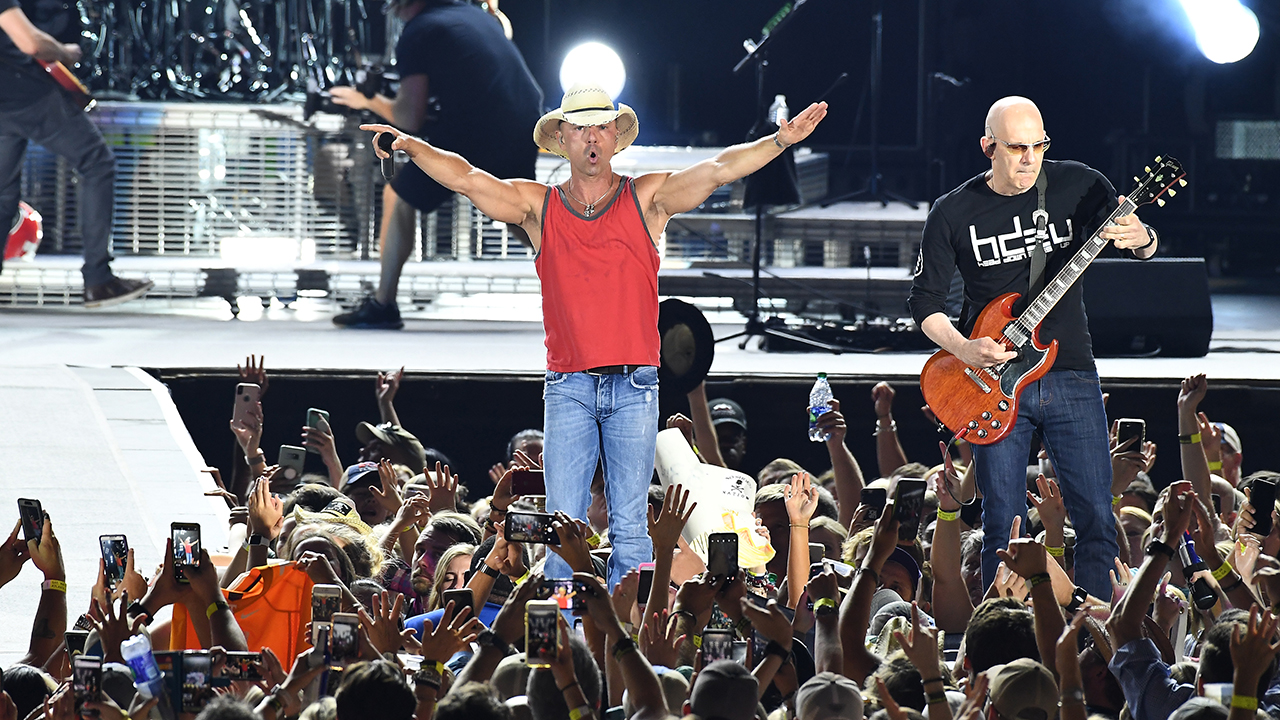
The U.S. Justice Department's March 9, 2026 antitrust settlement with Live Nation Entertainment represents a watershed moment for platform regulation that directly threatens vertically integrated e-commerce business models. The settlement requires Live Nation to divest up to 13 concert halls, permit venues and artists to use competing ticket vendors (including SeatGeek), and pay $280 million in damages to 40 states—yet avoids the forced breakup consumer advocates demanded. This compromise outcome is critical for e-commerce sellers because it establishes the regulatory playbook for dominant platforms that control multiple supply chain layers.
The Compliance Barrier Opportunity: Live Nation's settlement creates immediate competitive openings for independent ticketing platforms and venue operators. The company organized 55,000 concerts in 2025 (159 million attendees, $25.2B revenue) while controlling 460 venues—a structural monopoly that regulators now view as illegal. For e-commerce sellers, this signals that Amazon's integrated FBA logistics, eBay's managed payments, and Shopify's fulfillment network face similar regulatory scrutiny. The settlement's requirement to allow "competing vendors" mirrors potential future mandates forcing Amazon to permit third-party logistics providers or eBay to accept non-proprietary payment systems. Sellers operating on these platforms should expect compliance costs to increase 8-15% as platforms implement vendor choice requirements.
Market Elimination & Service Gaps: The settlement eliminates Live Nation's ability to threaten venues with retaliation for using competitors—a practice CEO Michael Rapino explicitly stated in court recordings. This creates a $2-4B opportunity for alternative ticketing platforms (SeatGeek, Eventbrite, Tickpick) to capture venue relationships previously locked into Ticketmaster. For e-commerce, this precedent means sellers can expect regulators to challenge exclusive fulfillment agreements, mandatory payment processing, and proprietary logistics requirements. States including New York and Washington DC rejected the settlement as insufficient, indicating future enforcement will be stricter. Judge Arun Subramanian's criticism of the "secretive negotiation process" suggests courts will demand transparency in platform vendor relationships—directly applicable to Amazon Seller Central policies and eBay fee structures.
Regulatory Precedent for E-Commerce Platforms: The settlement's core finding—that controlling "nearly every aspect" of a market while owning competing infrastructure constitutes illegal monopoly behavior—applies directly to Amazon's model. Amazon controls marketplace access, fulfillment (FBA), logistics (Amazon Logistics), payments (Amazon Pay), and advertising (Sponsored Products)—mirroring Live Nation's vertical integration. The Biden-era Justice Department's aggressive enforcement pattern (evidenced by this settlement despite industry pressure) indicates Amazon faces similar antitrust risk. Sellers should anticipate regulatory requirements forcing Amazon to allow third-party fulfillment, independent payment processors, and transparent advertising algorithms within 18-24 months. Compliance costs for sellers will include mandatory multi-carrier shipping options, payment processor integration, and algorithm transparency reporting.
Questions 8
When will antitrust regulations force Amazon to change its FBA and payment policies?
The Live Nation settlement was announced March 9, 2026, with judicial approval pending. Similar antitrust cases against Amazon could reach settlement within 12-24 months (by Q1-Q3 2027). Regulatory enforcement timelines suggest compliance requirements would take effect 6-12 months after settlement approval, placing implementation in Q3 2027-Q1 2028. Sellers should begin preparing now by: (1) evaluating third-party fulfillment providers (3PL) by June 2026, (2) testing alternative payment processors by September 2026, (3) documenting multi-carrier shipping capabilities by December 2026. Delaying preparation risks operational disruption when mandatory compliance deadlines arrive. Monitor FTC and DOJ announcements for Amazon antitrust case updates.
How can sellers reduce compliance risk from antitrust enforcement on platforms?
The Live Nation settlement demonstrates that regulators penalize exclusive vendor relationships and integrated control. Sellers should: (1) diversify across platforms—target 40% Amazon, 30% eBay, 20% Shopify, 10% independent channels; (2) use independent fulfillment providers (3PL) rather than FBA for 20-30% of inventory; (3) integrate multiple payment processors (Stripe, PayPal, Square) rather than relying on platform payments; (4) maintain direct customer relationships through email and owned channels to reduce platform dependency. Sellers with 50%+ revenue from single platforms face highest risk if that platform faces antitrust-driven operational changes. Compliance-focused sellers should allocate 5-10% of revenue to building independent sales channels by Q4 2026.