
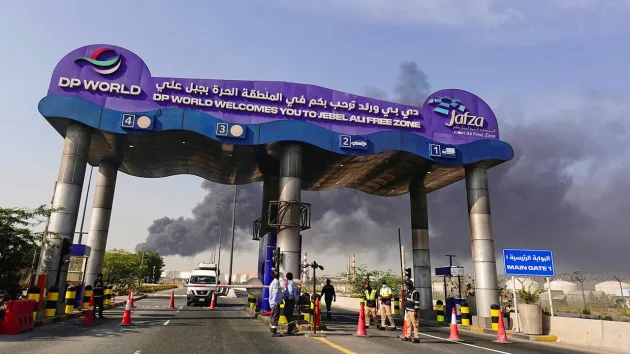



Dubai Supply Chain Crisis | Sellers Face Airport Closures, Logistics Delays, Capital Flight Risk
- Iranian strikes disrupt world's 2nd-busiest airport; 10-20 family offices relocate $50M+ assets to Singapore; sellers lose critical transshipment hub




/newsfirstprime/media/media_files/2026/03/09/dubai-2026-03-09-13-59-37.jpg)















Overview
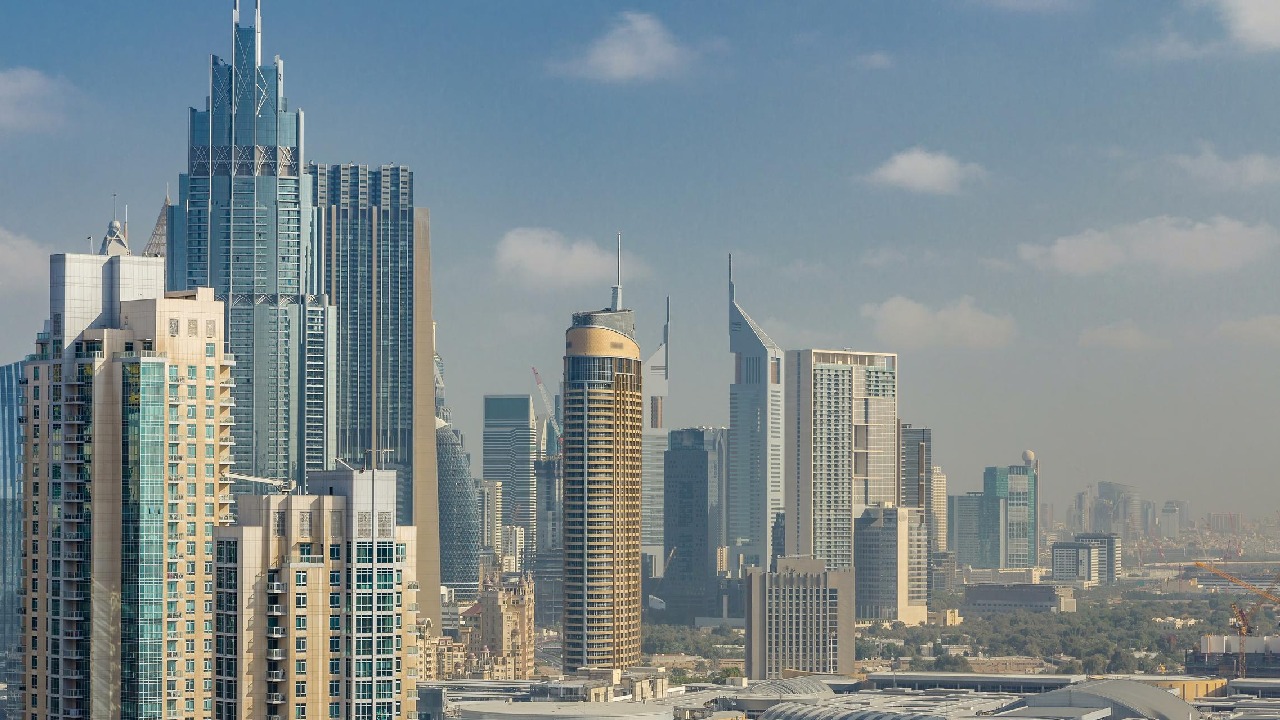
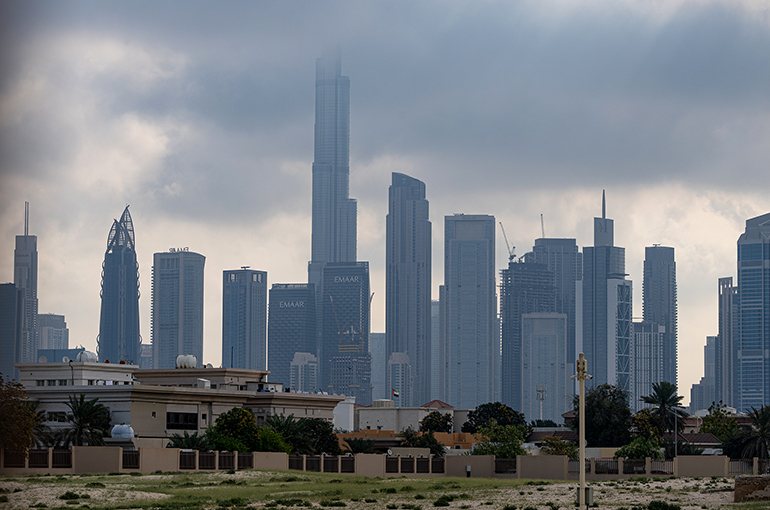
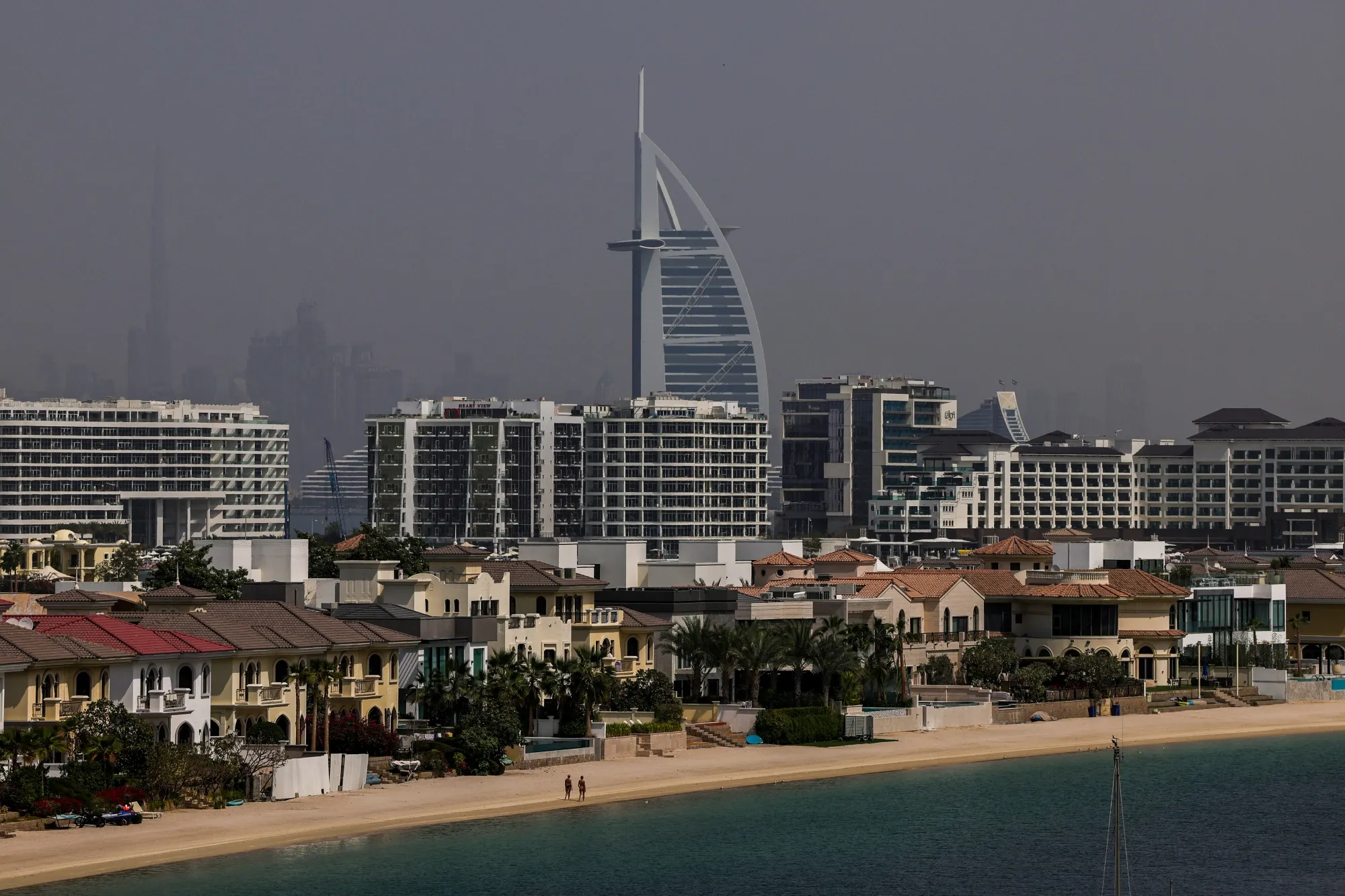
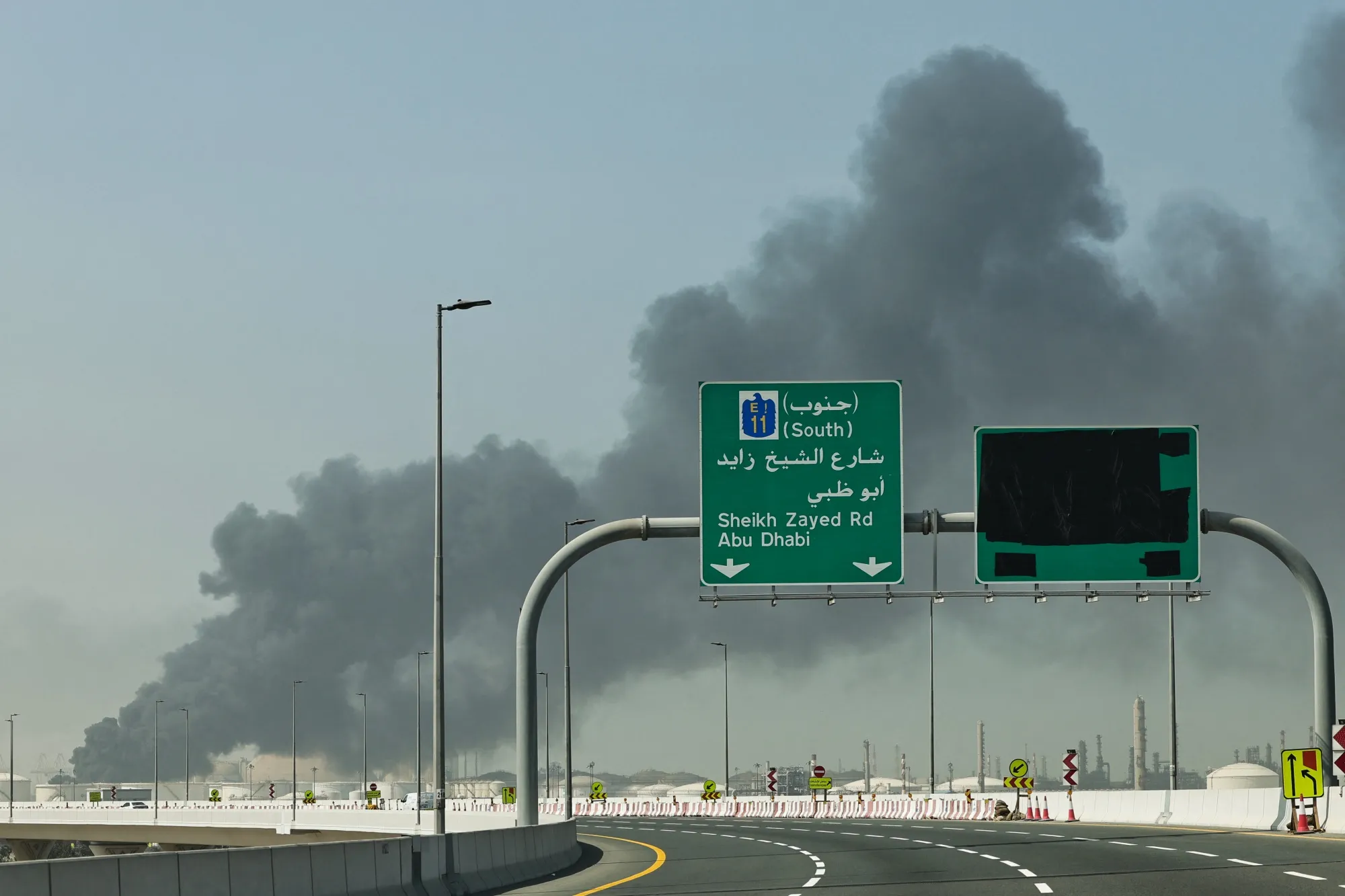
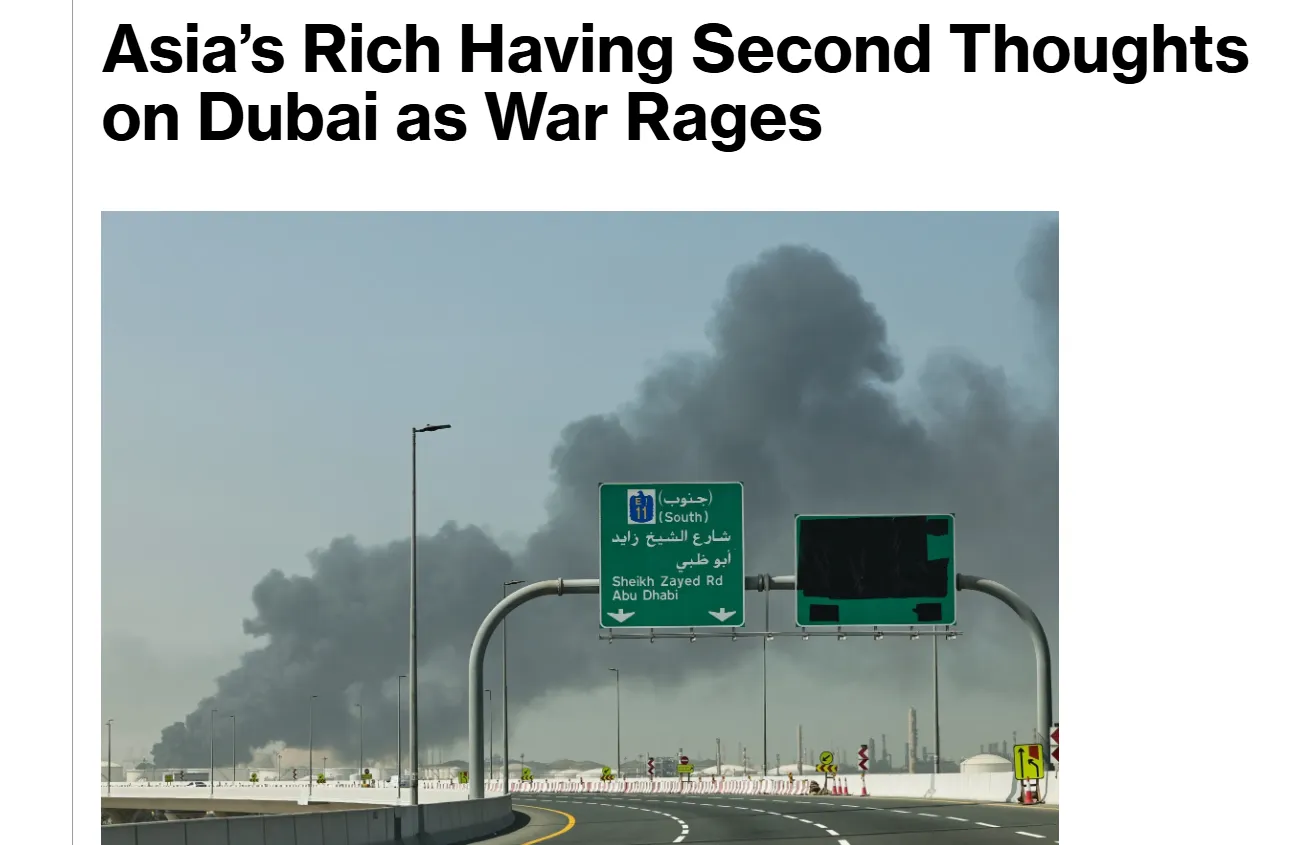
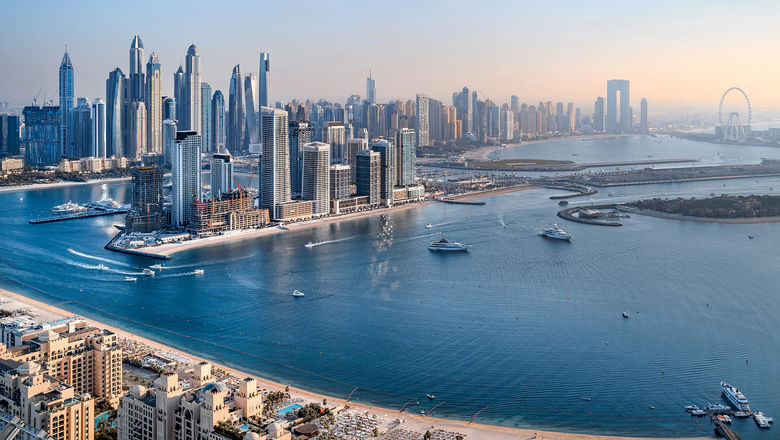
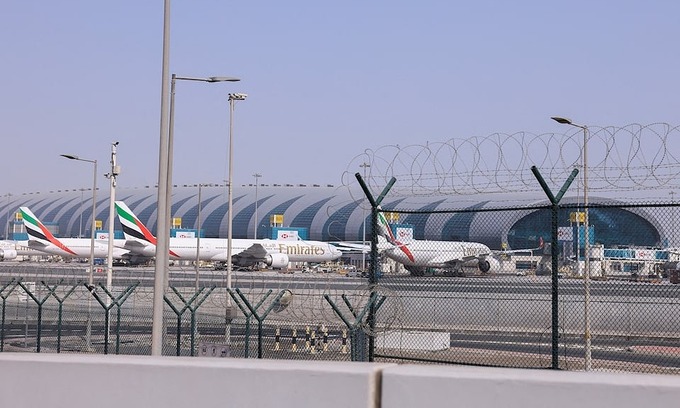
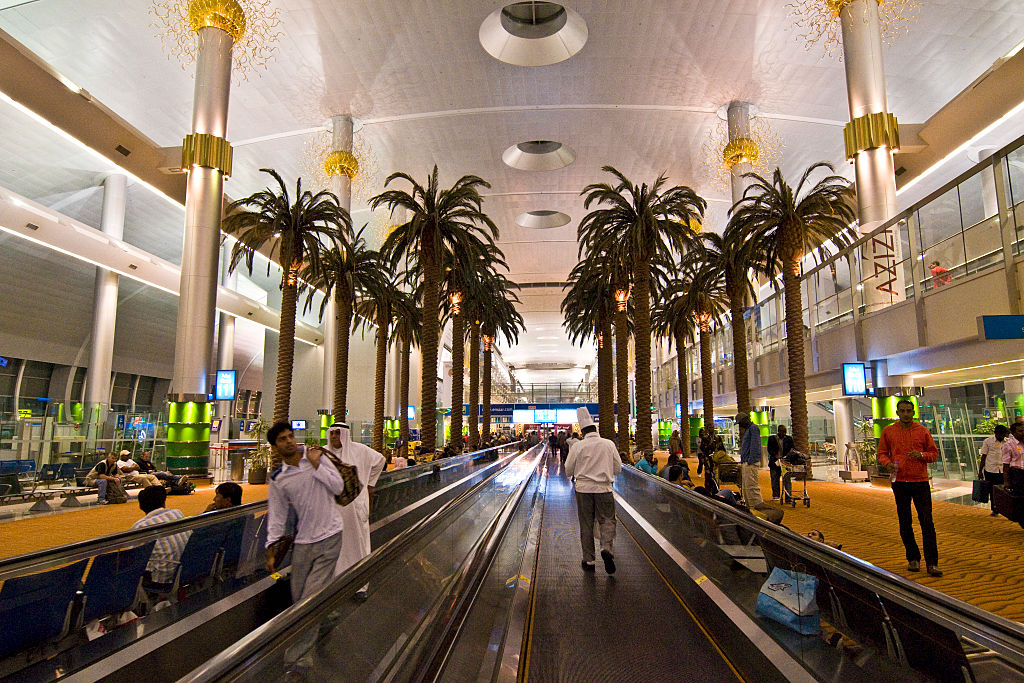
Dubai's role as a critical global logistics hub faces unprecedented disruption following Iranian military strikes in late February 2026, creating immediate operational challenges for cross-border e-commerce sellers. The UAE experienced over 230 ballistic missiles, approximately 10 cruise missiles, and more than 1,400 Shahed drones, with debris damaging Dubai International Airport—the world's second-largest airport by passenger traffic—and temporarily halting operations. This geopolitical escalation directly impacts sellers relying on Dubai as a transshipment point for Middle Eastern trade routes and global inventory distribution.
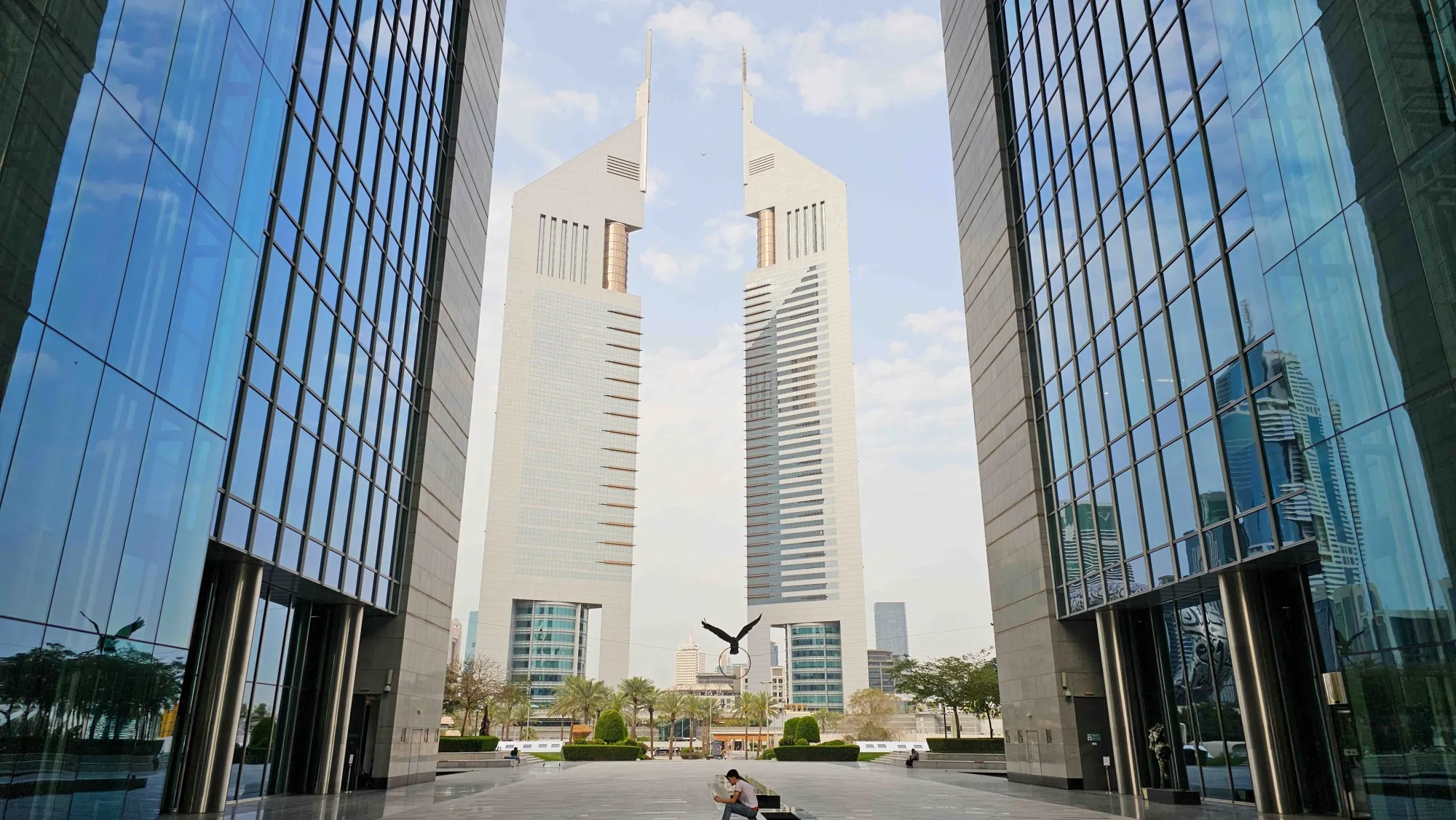
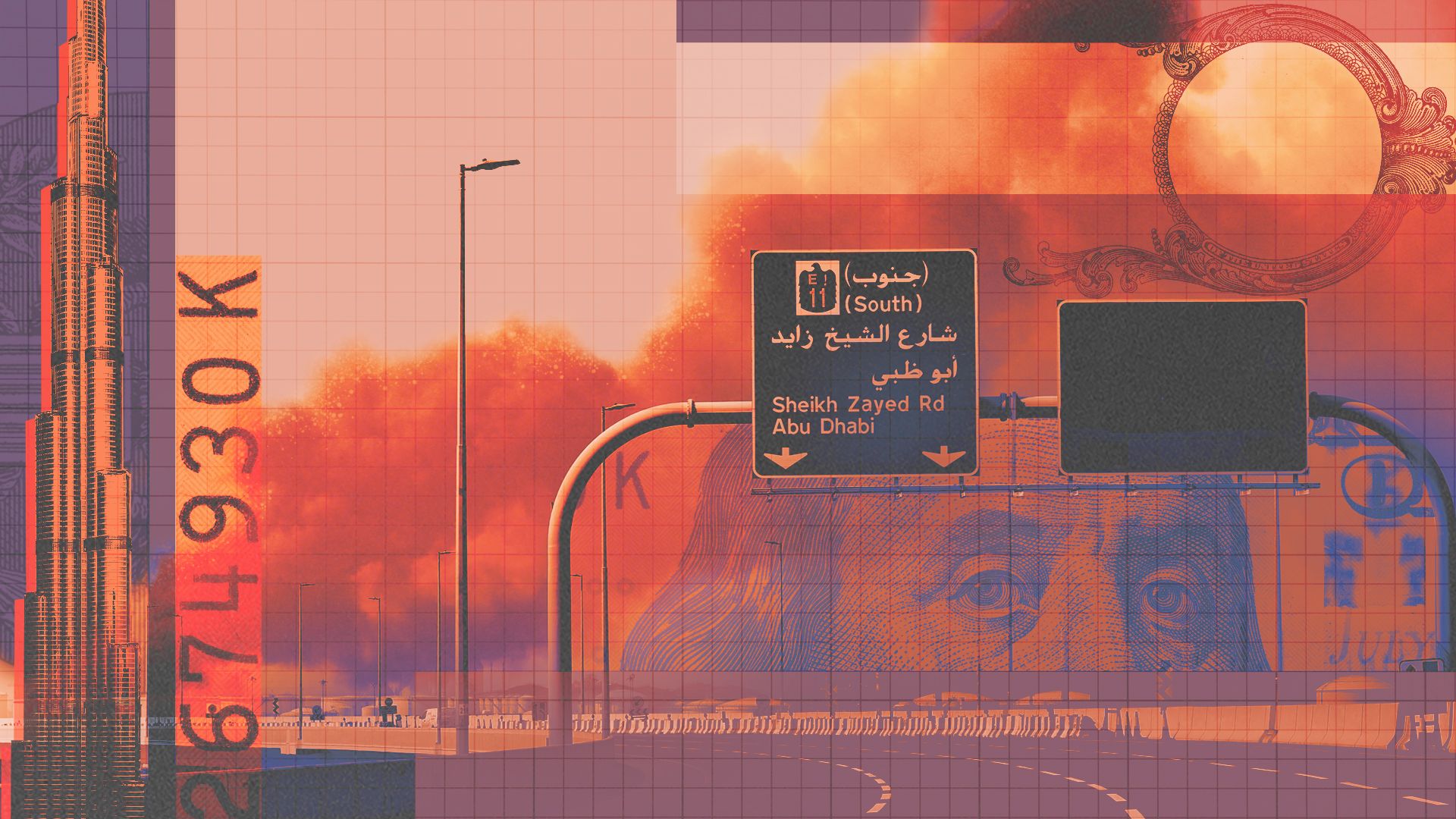
The financial implications extend beyond immediate logistics disruptions. Dubai's status as a premier wealth hub has been fundamentally altered, with approximately $63 billion in annual wealth inflows now at risk. The Dubai International Financial Centre hosts 120 family offices collectively managing roughly $1.2 trillion in assets, but recent events have triggered significant capital reallocation. Asian entrepreneurs and family offices—particularly from China and India—are actively relocating assets to Singapore and Hong Kong. Singapore-based advisers report 10-20 family offices inquiring about moving assets from the Middle East, with some transferring over $100,000 immediately after attacks. This capital flight signals reduced investor confidence in the region's stability, which directly affects payment processing reliability, banking infrastructure, and financial services for sellers operating through UAE-based platforms.
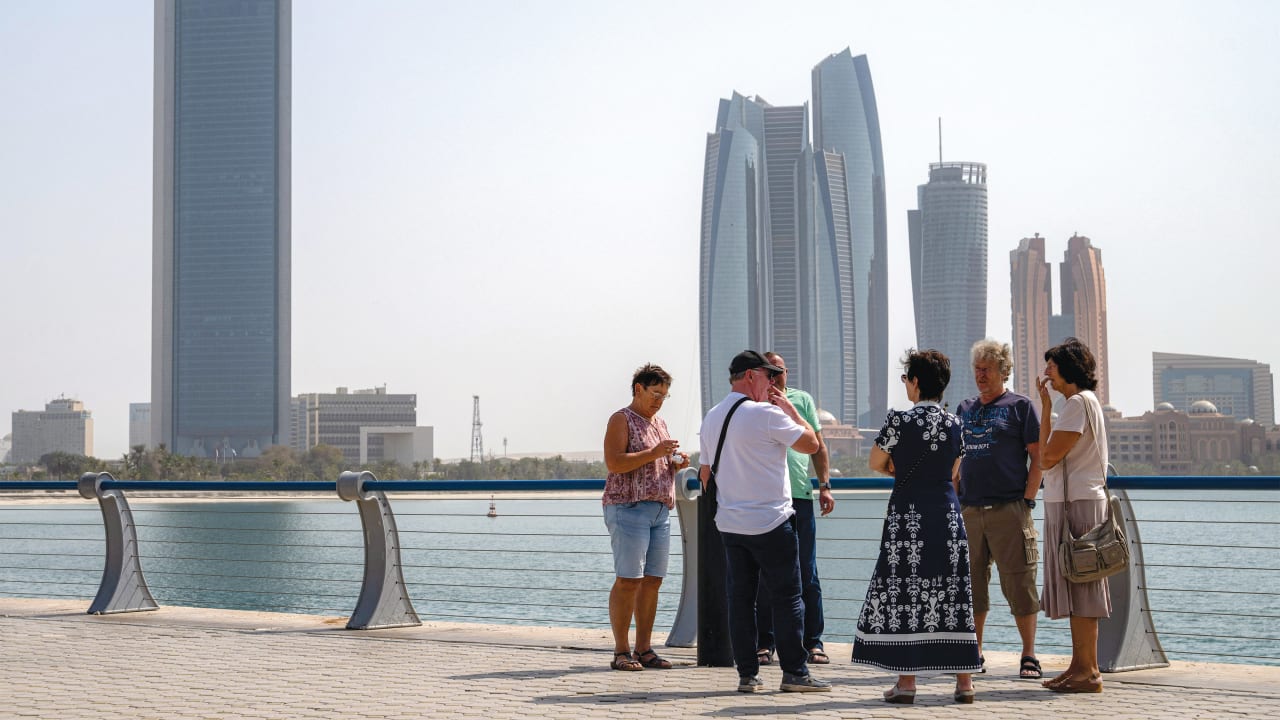
For e-commerce sellers, the operational impact manifests across multiple dimensions. Sellers utilizing Dubai-based fulfillment centers face inventory management challenges due to airport closures and supply chain uncertainty. The temporary shutdown of Dubai International Airport—which typically handles massive cargo volumes—creates shipping delays and increased logistics costs for sellers shipping to or through the Middle East. Additionally, the psychological impact on wealthy residents and investors (some paying extraordinary evacuation fees exceeding $250,000 per person) signals broader confidence erosion that could affect consumer spending patterns in the region. The hedge fund sector, which doubled its presence in Dubai last year, now faces uncertainty about executing Persian Gulf sovereign wealth deals, potentially reducing demand for luxury goods and high-value merchandise categories that depend on wealthy clientele.
The strategic opportunity window for sellers involves geographic diversification and alternative logistics routing. While some investors remain committed to UAE expansion (particularly in Abu Dhabi), the crisis reveals infrastructure vulnerabilities that sellers must address through multi-hub strategies. Sellers should evaluate alternative transshipment points in Singapore, Hong Kong, or other Southeast Asian hubs to reduce dependency on Dubai's airport operations. The UAE's central bank affirmed banking sector stability and normal operations, suggesting medium-term recovery is possible, but sellers must prepare for 3-6 month disruption periods. The broader pattern mirrors historical precedents like New York post-9/11 and London after 7/7, where major financial centers experienced temporary capital flight followed by recovery—but only after operational resilience was demonstrated.
Questions 7
How does Dubai airport closure impact sellers shipping to Middle East markets?
Dubai International Airport's temporary shutdown directly disrupts sellers' ability to transship inventory to Middle Eastern markets and beyond. The airport typically handles massive cargo volumes as a critical hub for global trade. Sellers relying on Dubai-based fulfillment centers face 2-4 week shipping delays and 15-25% increased logistics costs during disruption periods. Alternative routing through Singapore, Hong Kong, or European hubs becomes necessary, requiring sellers to renegotiate 3PL contracts and adjust inventory positioning. The UAE's central bank affirmed banking sector stability, suggesting operations will normalize, but sellers should prepare contingency logistics plans immediately.
How does this crisis affect sellers' payment processing and banking relationships?
The UAE's central bank governor affirmed banking sector resilience, stability, and normal operations, so payment processing should continue without major disruption. However, sellers should verify banking relationships with UAE-based institutions and confirm contingency protocols for fund transfers. Some sellers experienced initial technological disruptions when attempting large transfers (as reported with Indian entrepreneurs transferring $100,000+ to Singapore), suggesting temporary system strain. Sellers should: (1) Confirm banking relationships are diversified across multiple institutions, (2) Test fund transfer processes to alternative jurisdictions (Singapore, Hong Kong) to identify potential delays, (3) Maintain 30-60 days of operating capital reserves to absorb any payment processing delays. The banking sector's stability is positive, but operational redundancy is prudent given geopolitical uncertainty.