


Strait of Hormuz Closure Drives 30% Oil Surge | Cross-Border Sellers Face Shipping Cost Crisis
- Brent crude surges to $120/barrel; 20% of global oil supplies disrupted; fuel surcharges spike 15-25% for FBA and 3PL logistics





























Overview
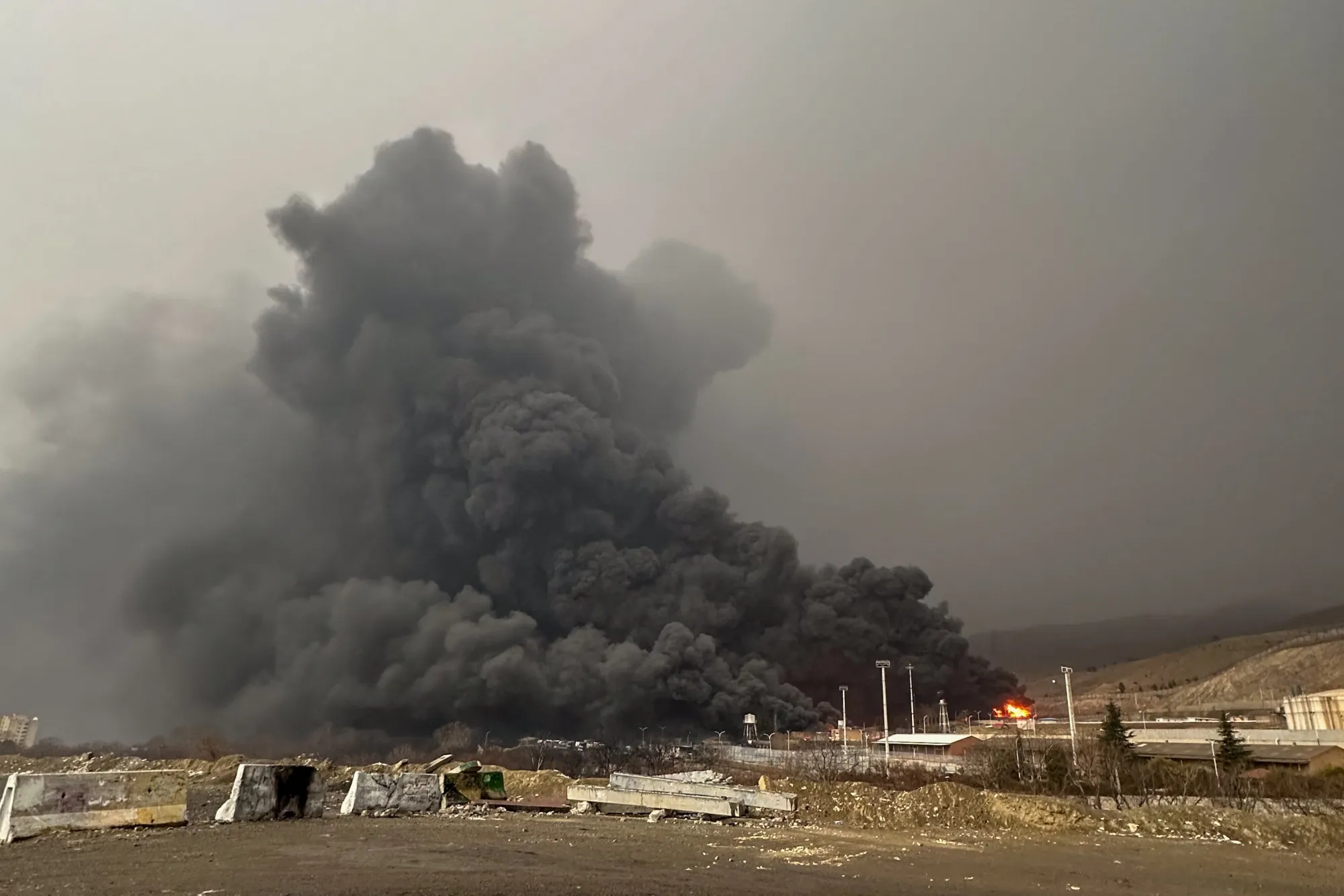
The Geopolitical Supply Chain Crisis: The US-Israel military campaign against Iran, initiated February 28, 2026, has created an unprecedented logistics crisis for cross-border e-commerce sellers. The conflict's escalation following Supreme Leader Ali Khamenei's death and his son Mojtaba Khamenei's appointment has effectively closed the Strait of Hormuz—a critical chokepoint carrying 20% of global oil supplies. This single geopolitical event has triggered a 30% oil price surge (Brent crude from baseline to $120/barrel, retreating to $91.50 but remaining $50+ above year-start levels), directly translating to immediate cost increases for sellers relying on air freight, ocean shipping, and fuel surcharges.
Immediate Logistics Cost Impact: For Amazon FBA sellers, the operational impact is severe and measurable. Fuel surcharges—typically 2-5% of base shipping costs—have spiked to 15-25% premiums as of early March 2026. A seller shipping 1,000 units monthly via FBA from Asia faces an additional $800-2,000 monthly cost burden. For 3PL providers managing fulfillment networks, insurance premiums for Persian Gulf routing have increased 40-60%, with alternative Suez Canal routes adding 7-14 days to transit times and 12-18% cost premiums. The US Navy's commitment to escort tankers through Hormuz provides some stabilization, but uncertainty about conflict duration creates pricing volatility that makes inventory planning and cost forecasting extremely difficult.
Market Segmentation and Competitive Shifts: The crisis creates divergent impacts across seller segments. Large sellers with established 3PL networks and pre-negotiated fuel surcharge caps (locked before March 2026) maintain cost advantages, while small-to-medium sellers (SMBs) face immediate 8-12% margin compression on products with thin margins (electronics, home goods, apparel). Sellers with inventory already in US fulfillment centers gain competitive advantage, as they avoid current shipping costs entirely. Conversely, sellers dependent on just-in-time inventory from China, Vietnam, and India face critical supply chain delays. The conflict also creates category-specific opportunities: sellers of energy-efficient products, alternative fuel solutions, and supply chain management software see demand spikes as businesses seek cost mitigation strategies.
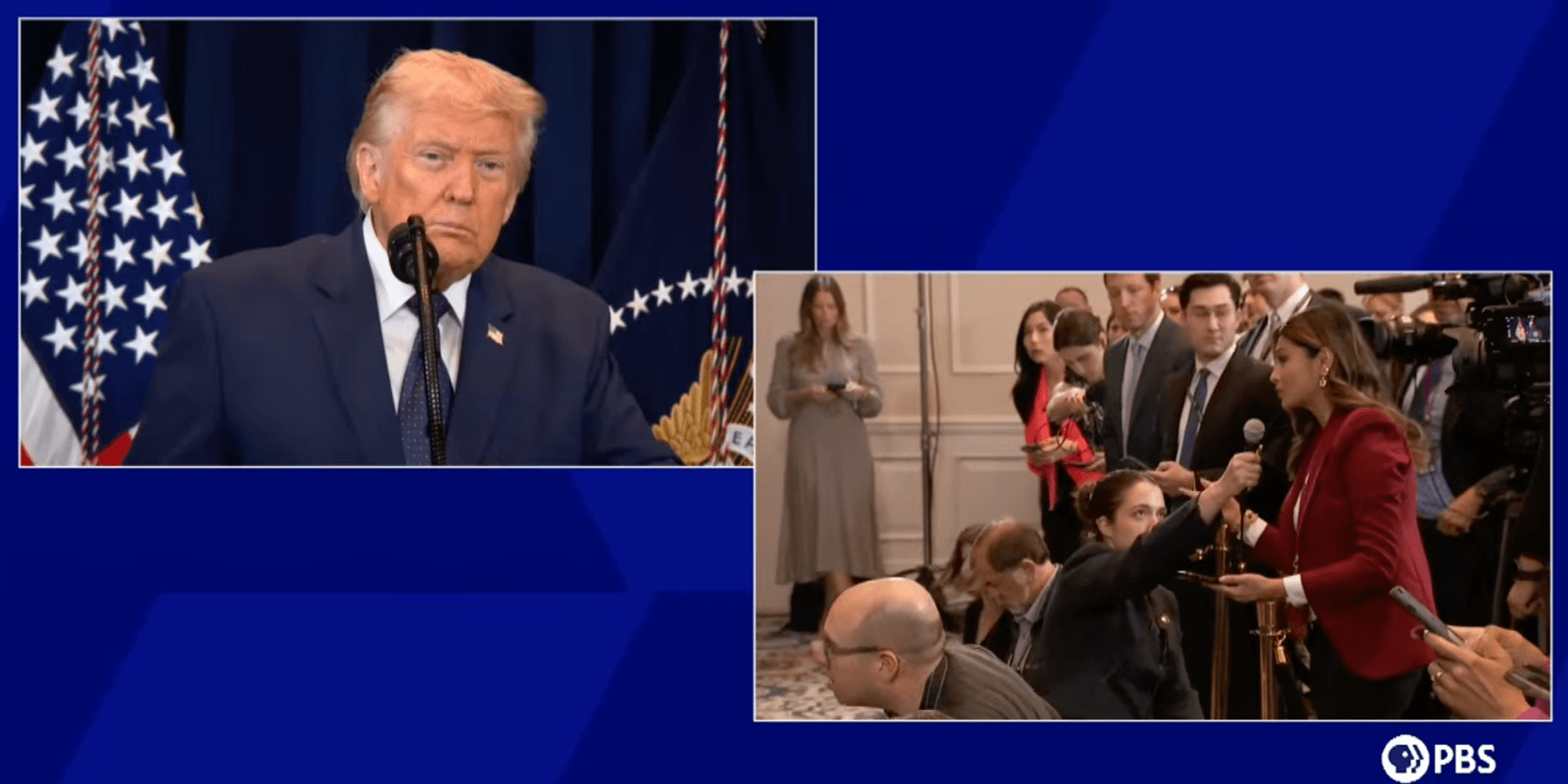
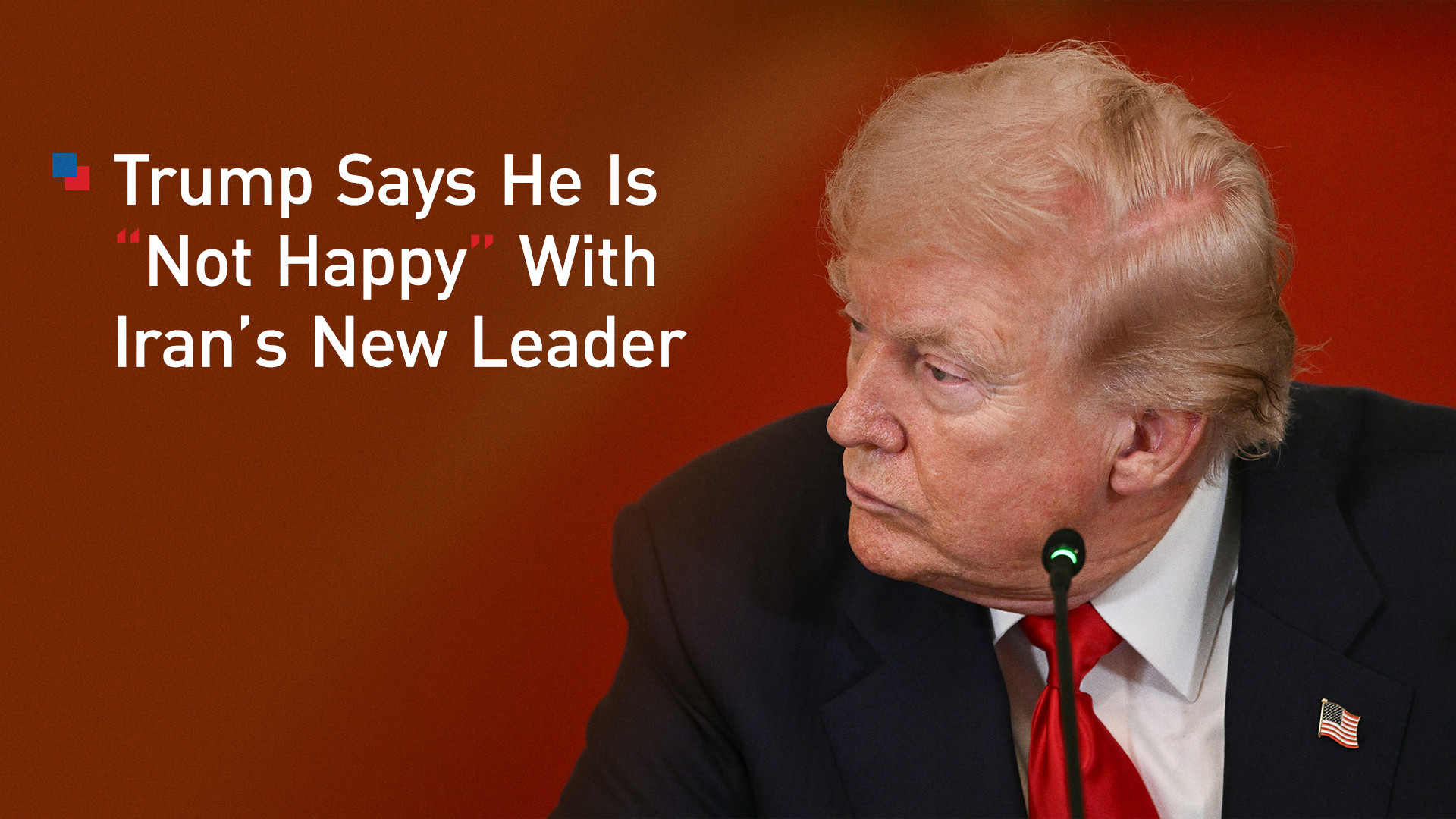
Strategic Sourcing Implications: The crisis accelerates existing trends toward supply chain diversification. Sellers previously reliant on single-source Asian manufacturing now face pressure to evaluate nearshoring options (Mexico for US sellers, Eastern Europe for EU sellers) despite higher unit costs. The 11-day conflict timeline (as of early March 2026) remains fluid—Trump's statements about "very soon" resolution conflict with Iran's continued resistance and NATO deployments in Turkey, creating 60-90 day uncertainty windows. This uncertainty makes long-term sourcing decisions extremely risky, favoring sellers with flexible supplier relationships and inventory buffers. Saudi Aramco's announcement of pipeline capacity increases bypassing Hormuz offers some relief, but full implementation requires weeks, not days.
Questions 7
How should I adjust pricing on Amazon and other marketplaces?
Implement dynamic pricing strategies: increase prices 3-5% on products with shipping costs representing >30% of COGS, and 5-8% on products where shipping exceeds 40% of COGS. Use Amazon's automated pricing tools to adjust prices based on fuel surcharge updates. Monitor competitor pricing weekly—if competitors raise prices similarly, maintain increases; if they don't, you risk losing Buy Box. For eBay and Shopify, manually adjust prices every 2 weeks as fuel surcharges fluctuate. Communicate transparently with customers: add shipping cost disclaimers to listings explaining temporary increases due to 'global logistics disruptions.' Most customers accept 3-5% increases with clear explanation.
Which product categories are most affected by shipping cost increases?
Low-margin, high-weight categories suffer most: electronics (5-10% margins), home goods (8-12% margins), and apparel (15-20% margins) face margin compression of 2-4 percentage points. High-margin categories—luxury goods (40%+ margins), collectibles (50%+ margins), and specialty items (35%+ margins)—can absorb costs through modest price increases. Lightweight, high-value products (jewelry, watches, electronics accessories) see minimal impact. Sellers should immediately review category profitability: if fuel surcharges exceed 50% of product margin, consider temporary price increases of 5-8% or inventory reduction strategies.