


Strait of Hormuz Shipping Crisis Cuts Logistics Costs 23% | Cross-Border Sellers Face Q2 2026 Supply Chain Volatility
- Oil prices drop $27.80/barrel in 24 hours; Asian shipping stocks surge 2-6%; India faces LPG shortages affecting 333M households; Sellers gain 3-4 week margin improvement window before normalization




























Overview
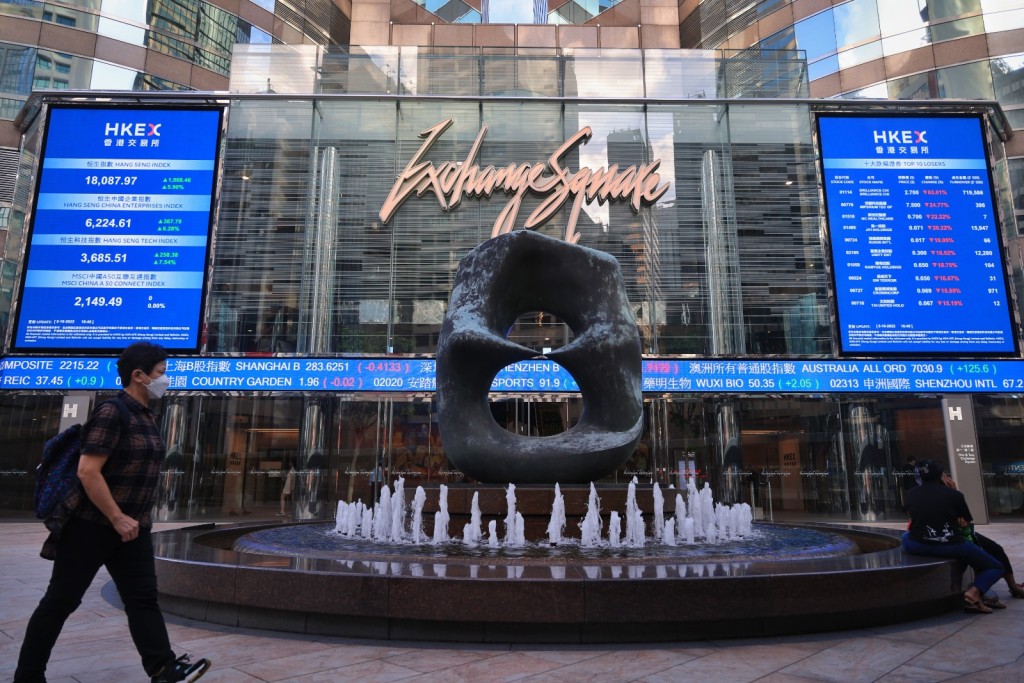
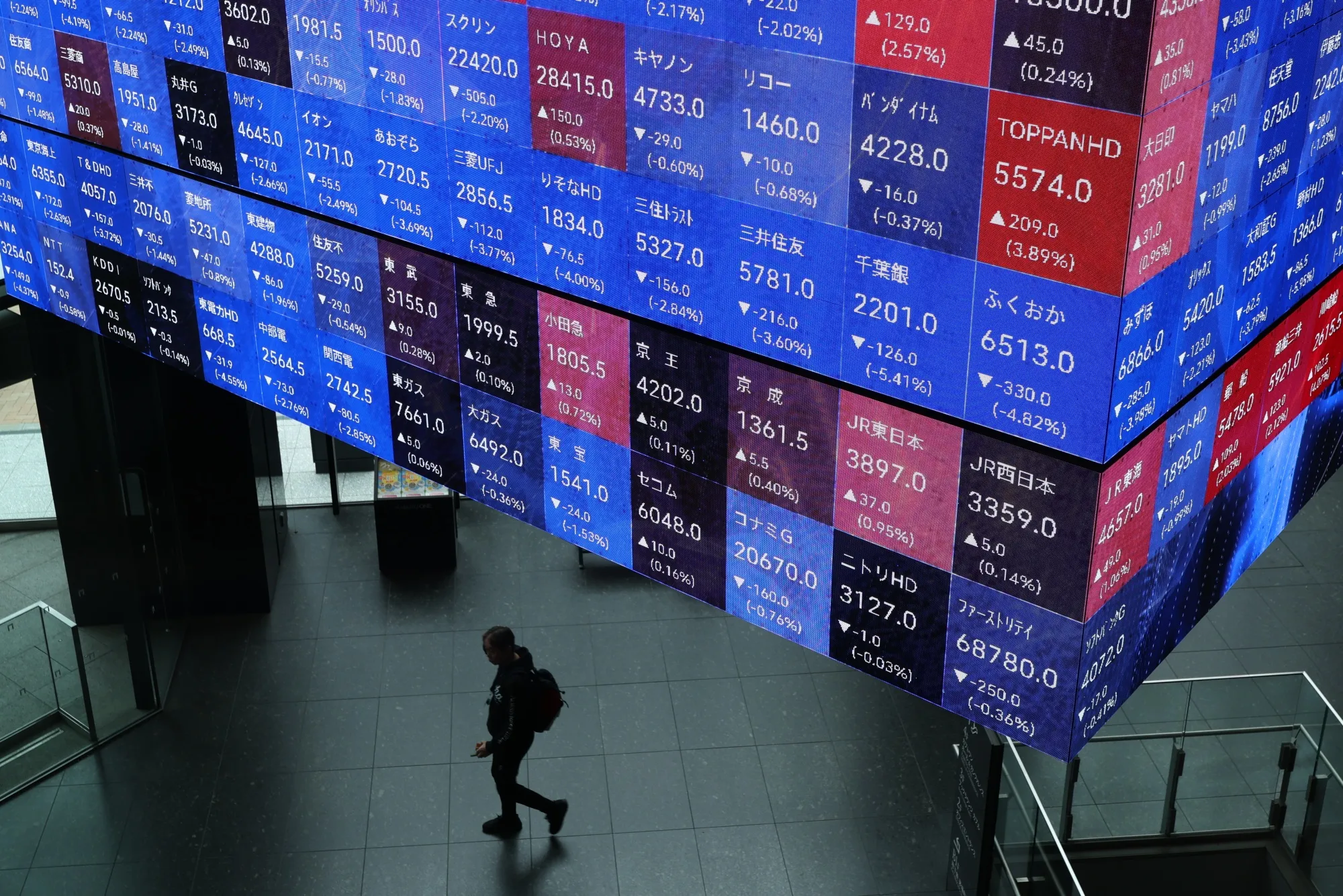
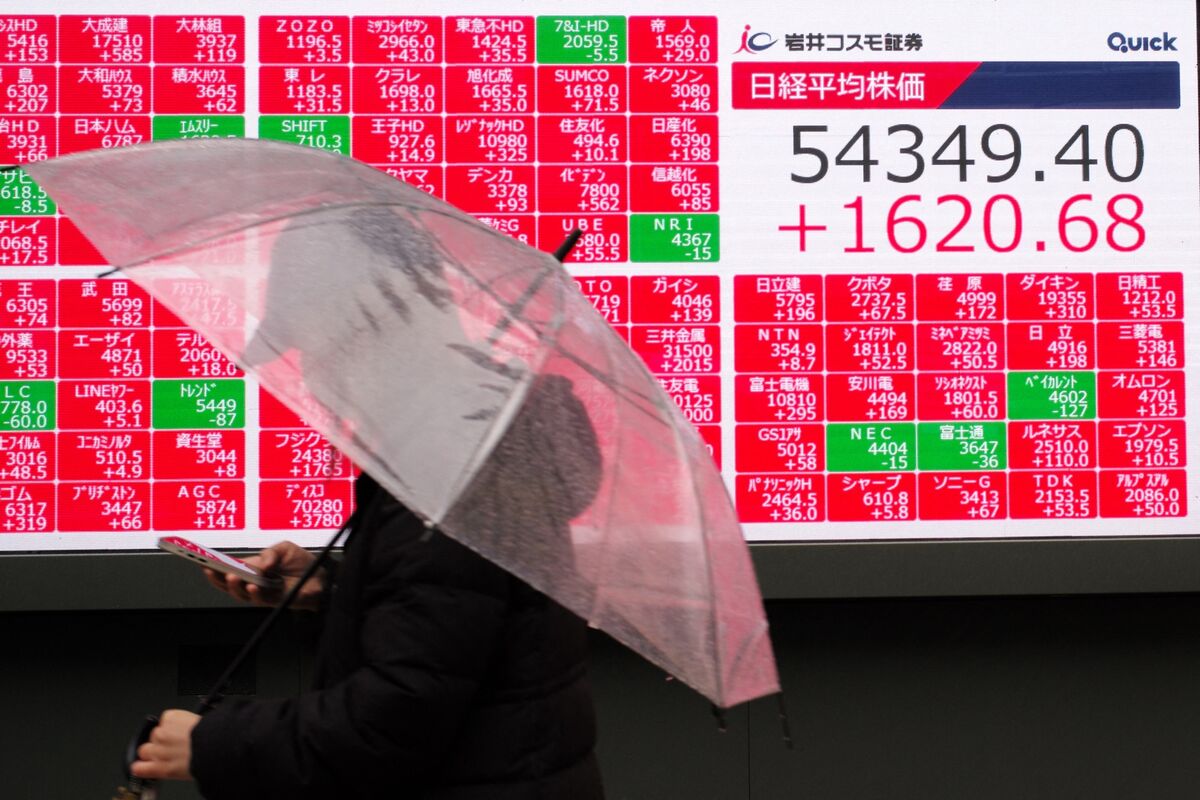
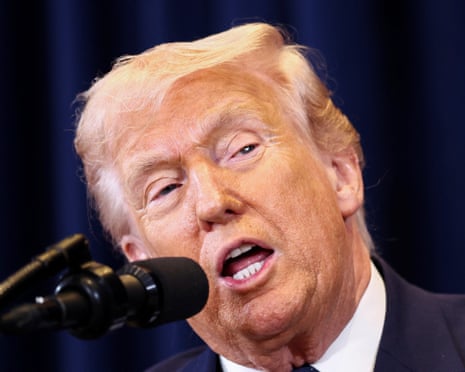
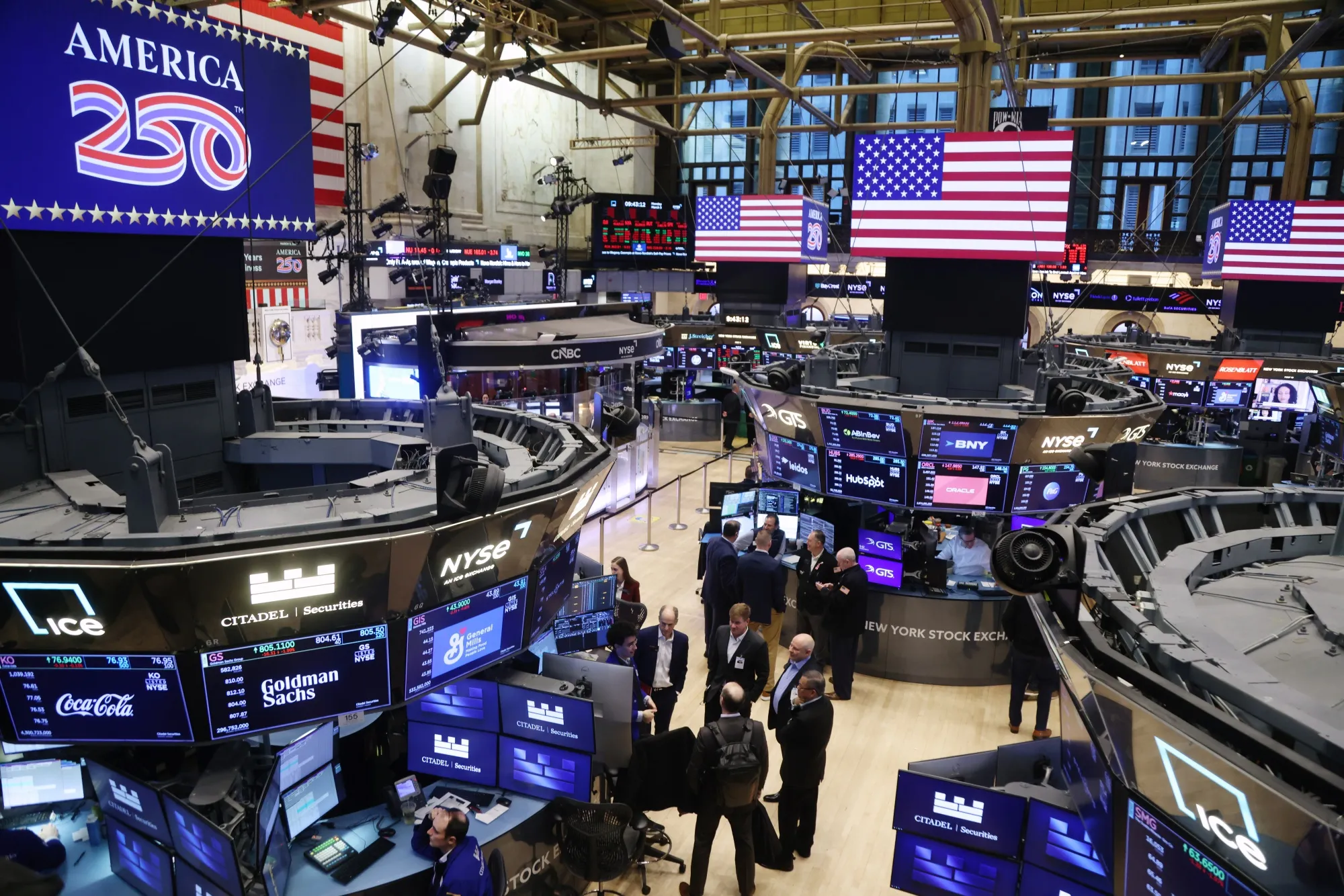
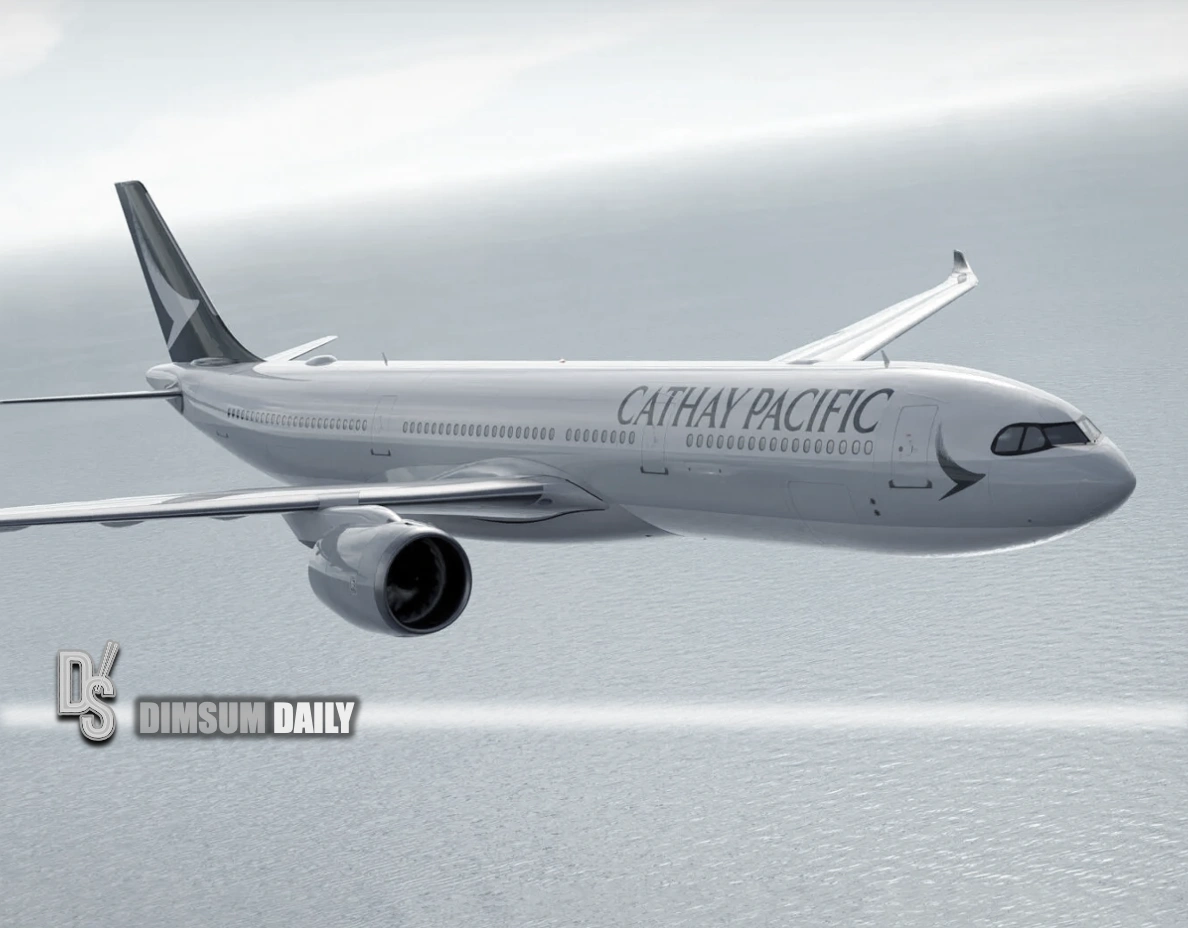
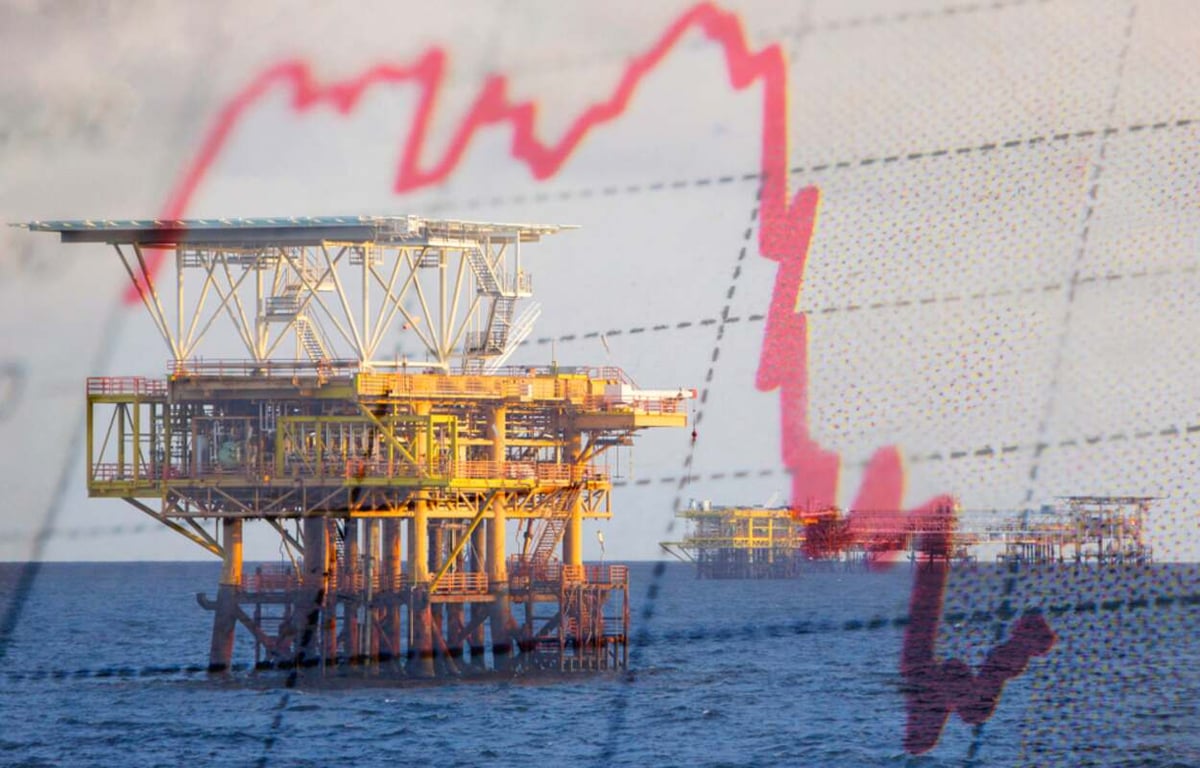
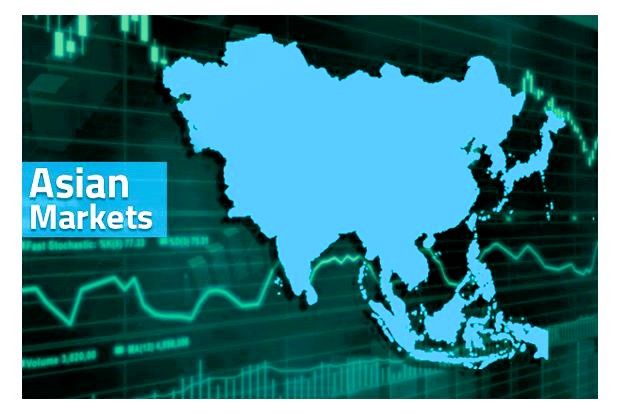
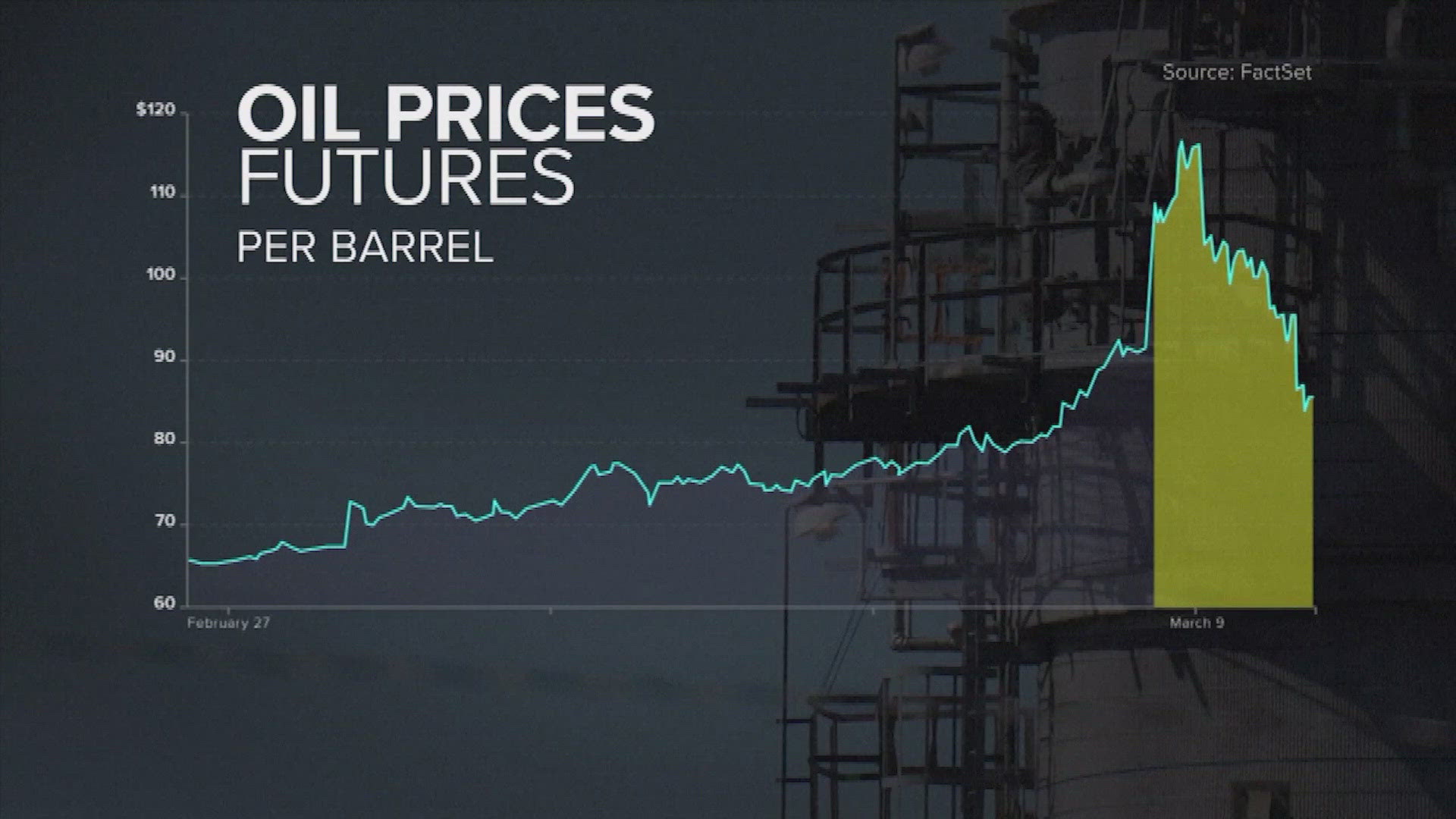
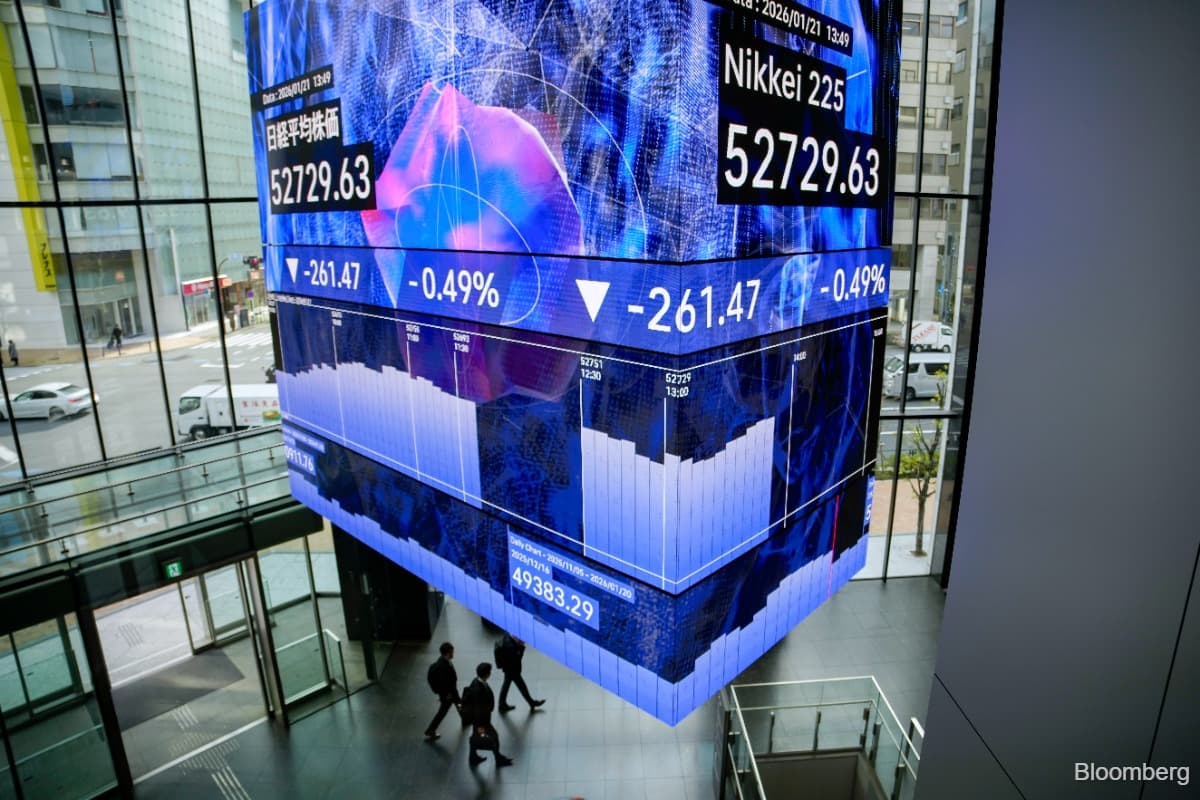
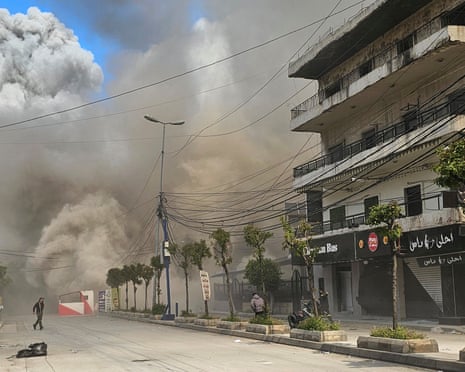
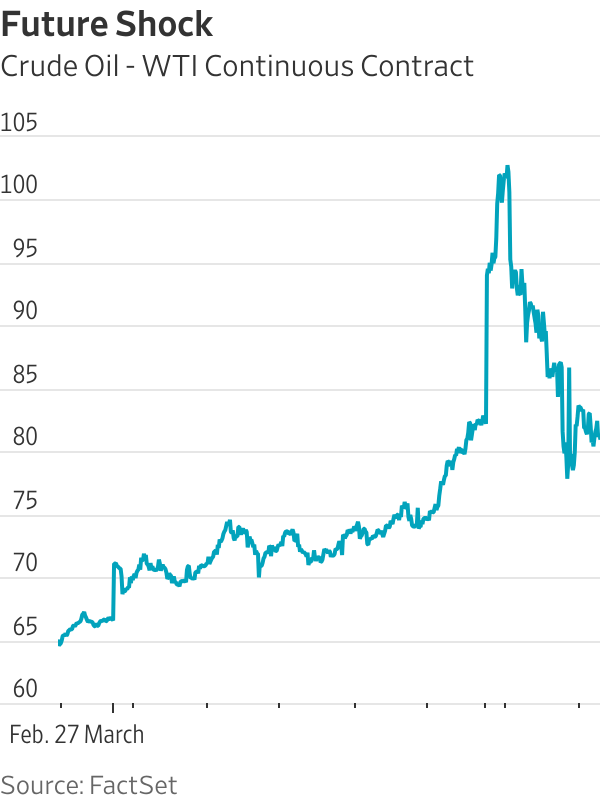
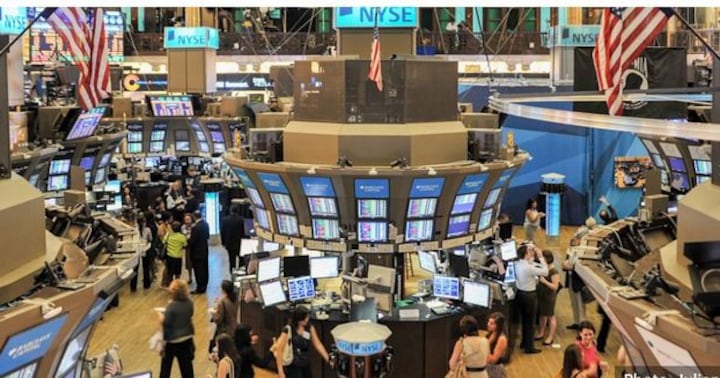
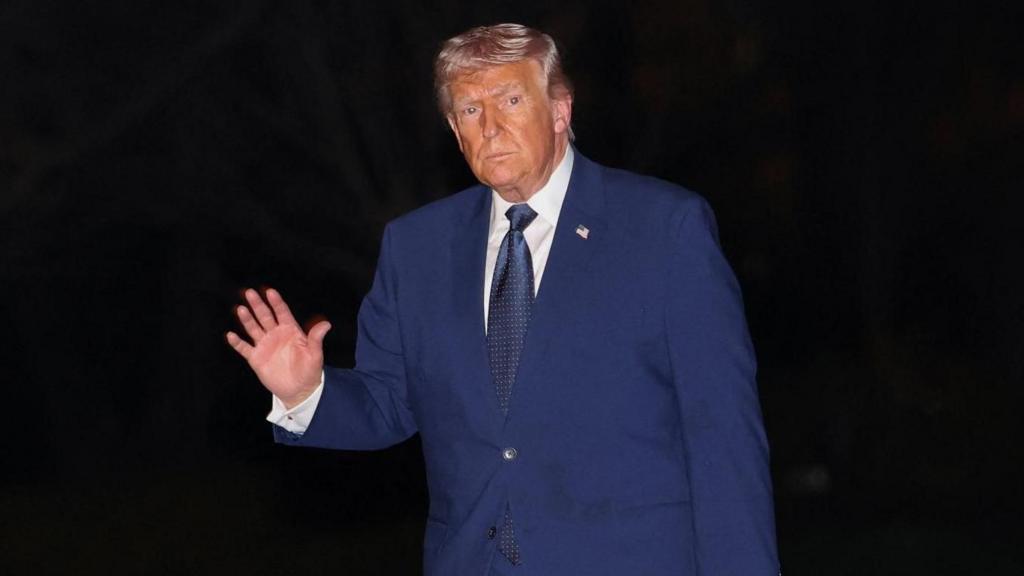
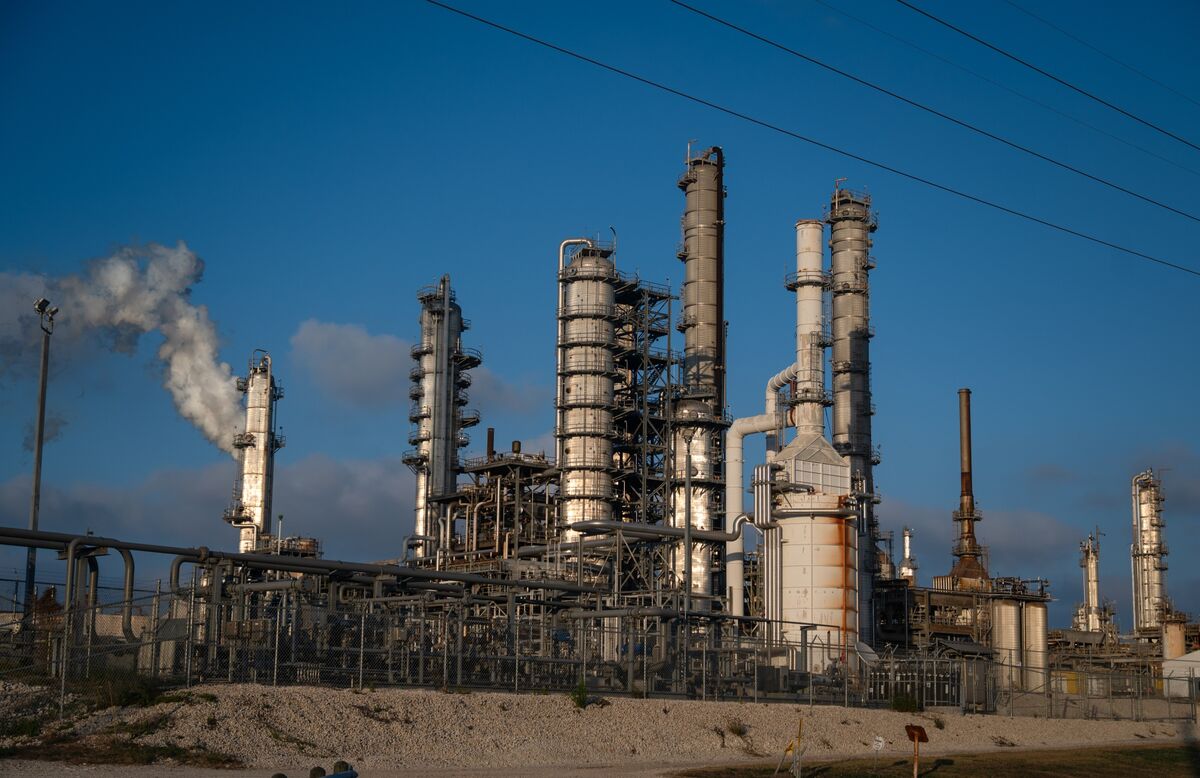
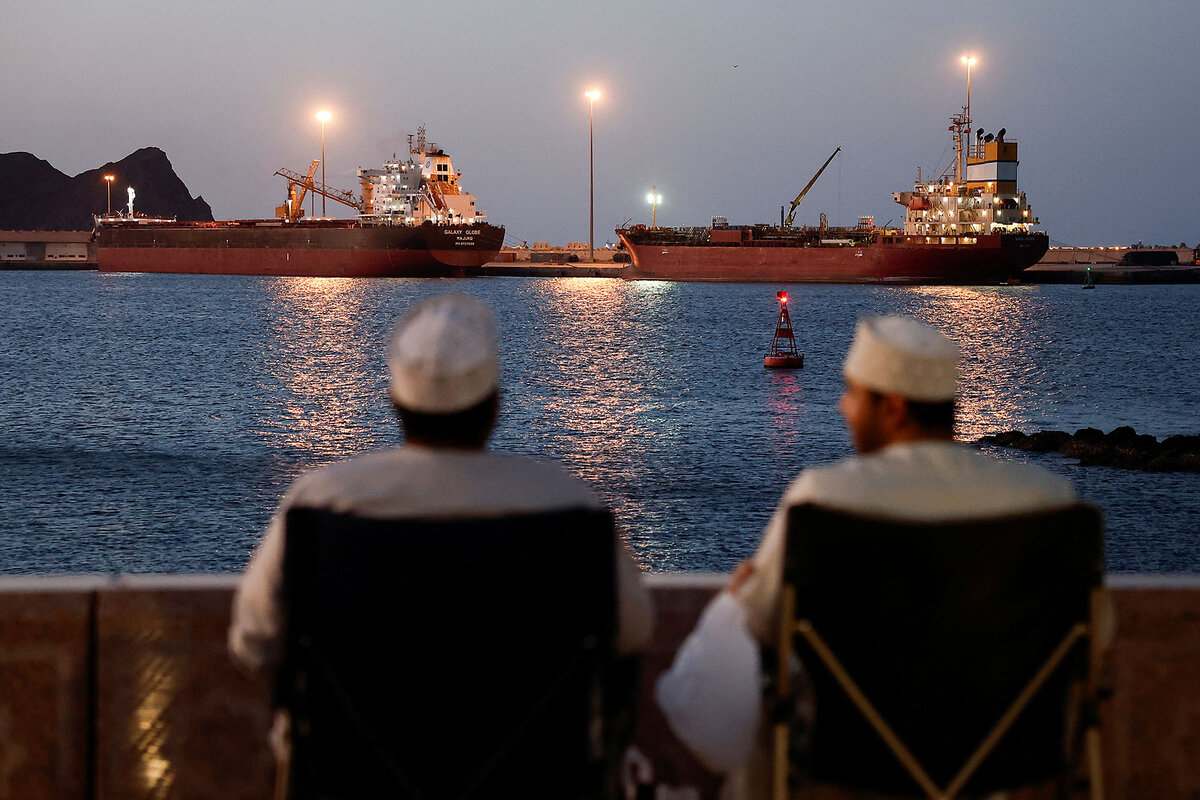
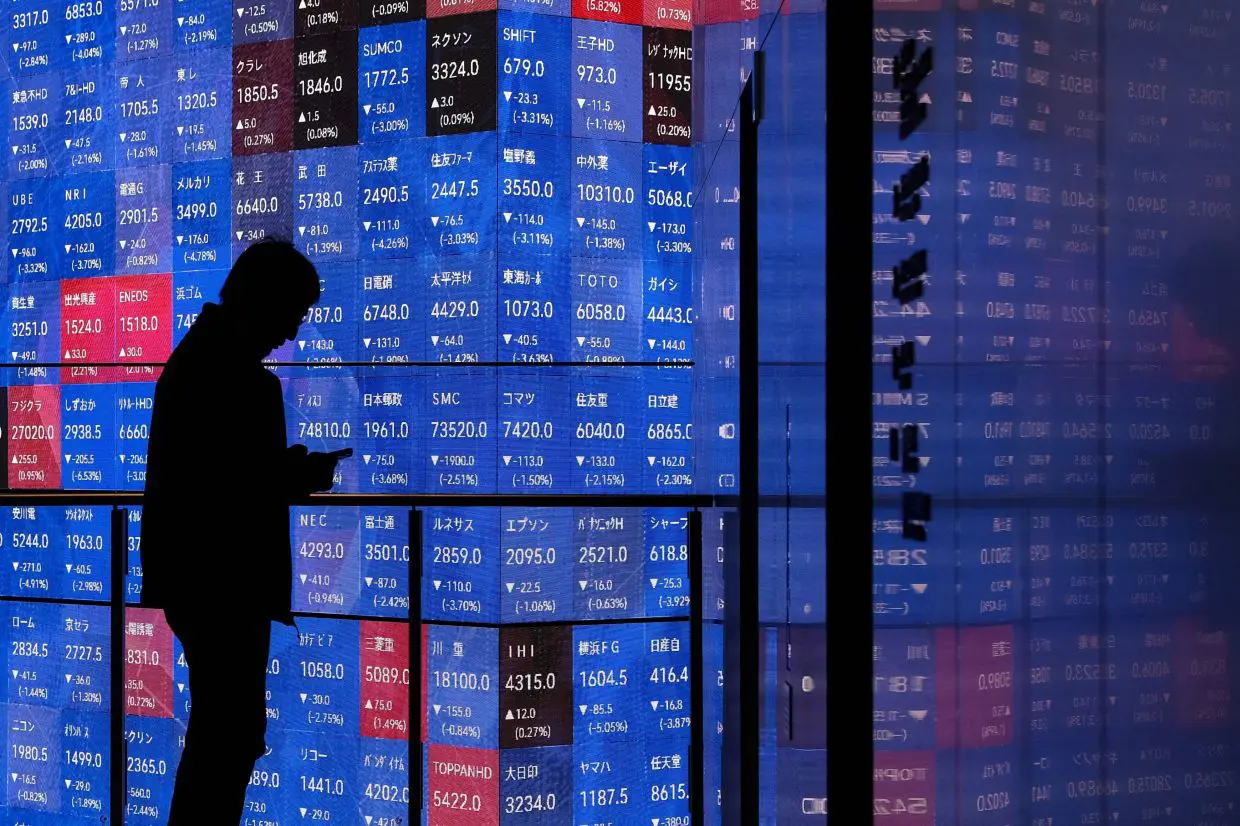
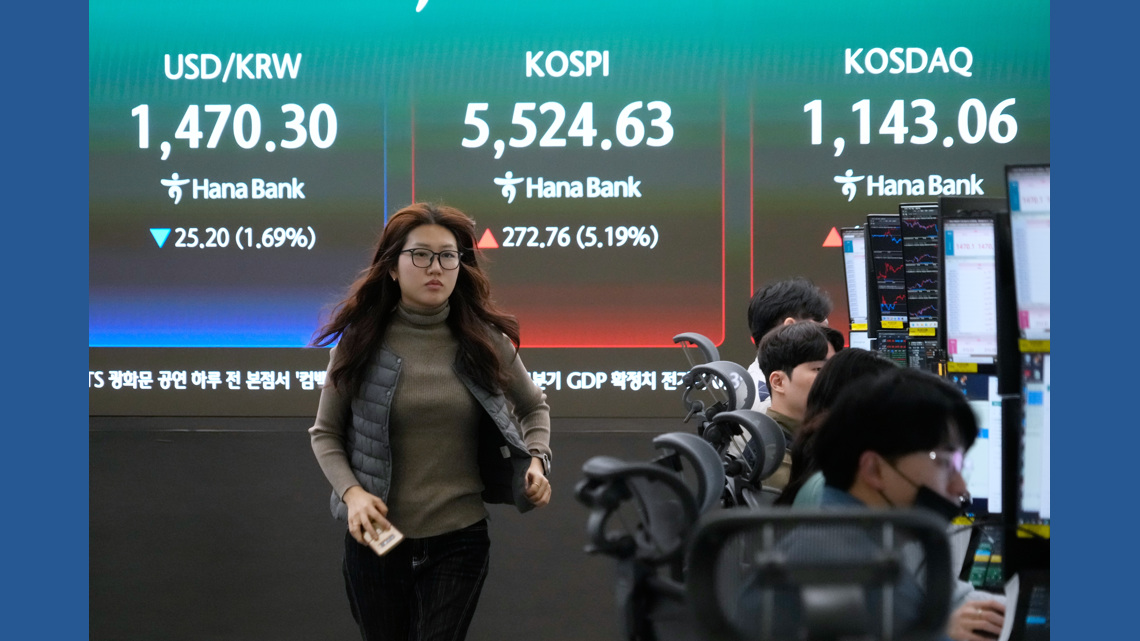
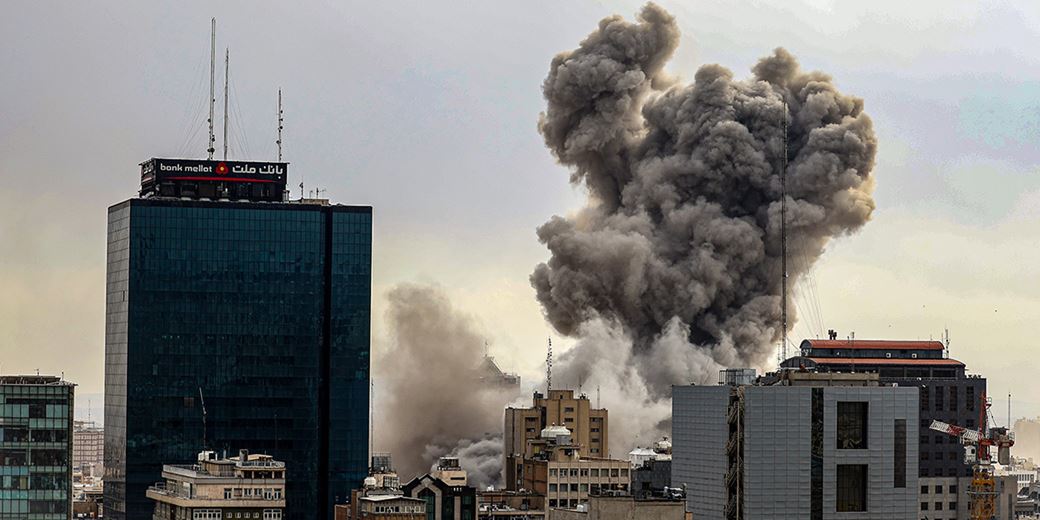
The March 9-10, 2026 geopolitical crisis in the Middle East created a critical supply chain inflection point for cross-border e-commerce sellers. President Trump's announcement that the Iran military campaign is "ahead of schedule" and will end "very soon" triggered immediate market stabilization, with Brent crude oil collapsing from $119.50 to $91.70 per barrel within 24 hours—a $27.80 per barrel (23%) decline. This represents the most significant logistics cost reduction for international sellers since the 2023 Suez Canal blockade. Asian equity markets rebounded sharply: Nikkei +2.30%, Kospi +4.48%, and Hong Kong Hang Seng +2%, with shipping and airline sectors showing the strongest gains. However, the underlying supply chain remains fractured, with the Strait of Hormuz—handling 21% of global petroleum trade and critical container traffic—remaining effectively closed for extended periods.
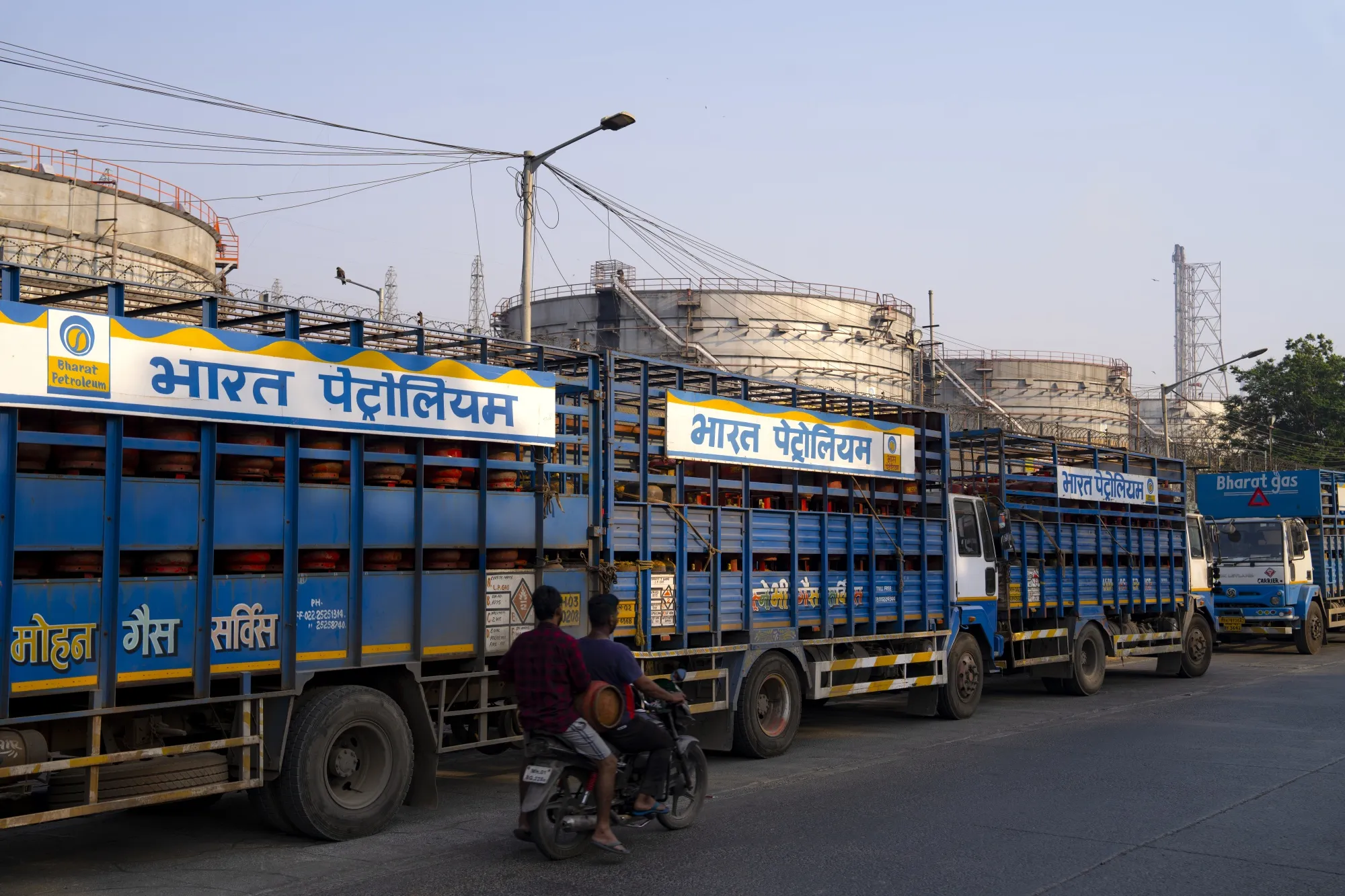
For cross-border e-commerce sellers, this creates a bifurcated opportunity window. Short-term (0-4 weeks): Sellers relying on air freight for time-sensitive shipments and ocean freight for bulk goods benefit from reduced geopolitical risk premiums and lower fuel surcharges. The $27.80 per barrel drop translates to approximately $150-300 monthly savings for mid-sized sellers shipping 500-1,000 units internationally. Shipping companies and airlines, critical infrastructure for e-commerce logistics, showed market strength following Trump's announcement, indicating improved capacity and rate stability. However, this window is temporary. The Strait of Hormuz closure persists despite Trump's statements, with Pentagon options for naval escorts still under examination. India's energy crisis—importing two-thirds of LPG demand from Middle Eastern sources—demonstrates structural vulnerabilities. The government raised LPG prices for the first time in a year, a politically sensitive move affecting 333 million household kitchens. Consumer wait times for LPG refills extended from 21 to 25 days, signaling that supply normalization requires extended timeframes for facility rebuilding and production restoration.
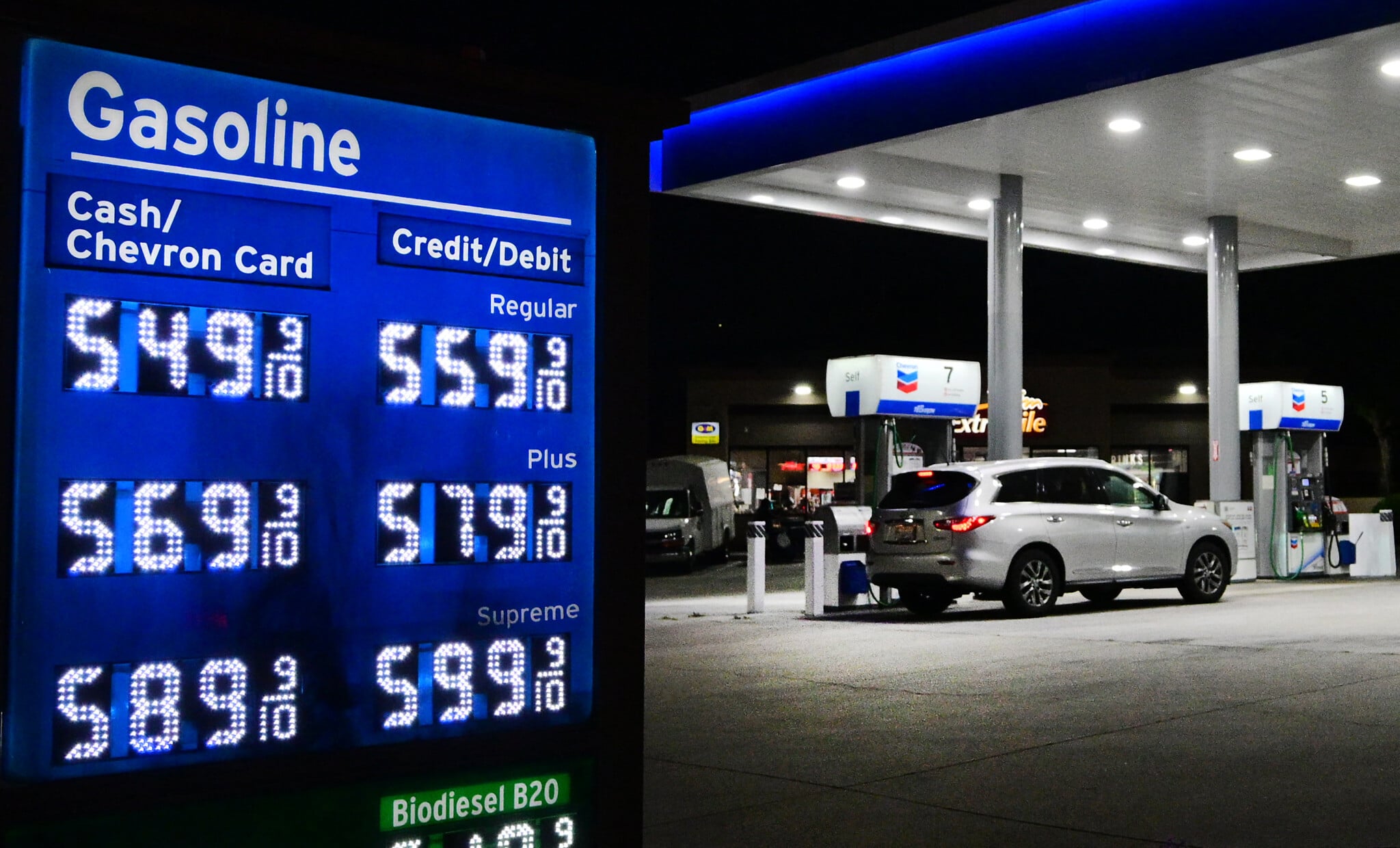
Strategic implications for seller segments vary significantly by logistics model. Large sellers (10,000+ monthly units) with diversified 3PL networks benefit most from the temporary cost reduction, potentially locking in lower freight rates before market normalization. Medium sellers (1,000-5,000 units) should accelerate inventory shipments to Asia-Pacific warehouses during this 3-4 week window, capturing margin improvements before elevated fuel costs return. Small sellers (<1,000 units) relying on consolidated shipments face less immediate benefit but should monitor Strait of Hormuz developments closely, as any escalation could trigger 25%+ fuel surcharges. The political sensitivity of energy pricing in India—a critical e-commerce market with 500M+ online shoppers—creates additional uncertainty. If conflict intensifies, Trump's threat of "bombing at a much harder level" could trigger supply shocks that compress margins across all seller segments. Elevated fuel costs continue trading 25% higher than pre-conflict levels, maintaining structural pressure on supply chain expenses even with the recent price decline.
Questions 7
Should I shift sourcing away from Middle Eastern suppliers due to geopolitical risk?
The current crisis highlights structural vulnerabilities in Middle Eastern energy supply chains, but direct supplier diversification depends on your category. India's heavy dependence on Middle Eastern LPG (two-thirds of imports) creates indirect pressure on India-based suppliers and manufacturers. Consider diversifying sourcing to US and Canadian suppliers for energy-intensive products, as Trump's announcement to waive oil-related sanctions temporarily improves North American supply access. However, avoid major sourcing shifts during this volatile period—wait for Strait of Hormuz normalization and 4-6 week supply chain stabilization before restructuring supplier networks. Monitor India's government response to energy pricing—political sensitivity may constrain supply responses to further shocks, affecting India-based suppliers' reliability.
What is the timeline for supply chain normalization after the Iran conflict?
Trump indicated the military operation is 'ahead of schedule' and will end 'very soon,' but Defense Secretary Hegseth maintained ambiguity, stating 'our will is endless.' Industry analysis suggests facility rebuilding and production restoration require 6-12 weeks minimum, even with conflict resolution. India's LPG crisis—with consumer wait times extending from 21 to 25 days and government rationing to 333 million households—demonstrates structural supply vulnerabilities. Expect elevated logistics costs (15-25% above pre-conflict levels) through Q2 2026 and potentially into Q3. Plan inventory and pricing strategies assuming current elevated cost environment persists through June 2026.