
APAC Biomanufacturing Boom | Sellers Tap $50B+ Medical Device Supply Chain
- Cell & gene therapy commercialization drives demand for specialized manufacturing equipment, analytical instruments, and compliance documentation services across Asia Pacific region through 2026
Overview
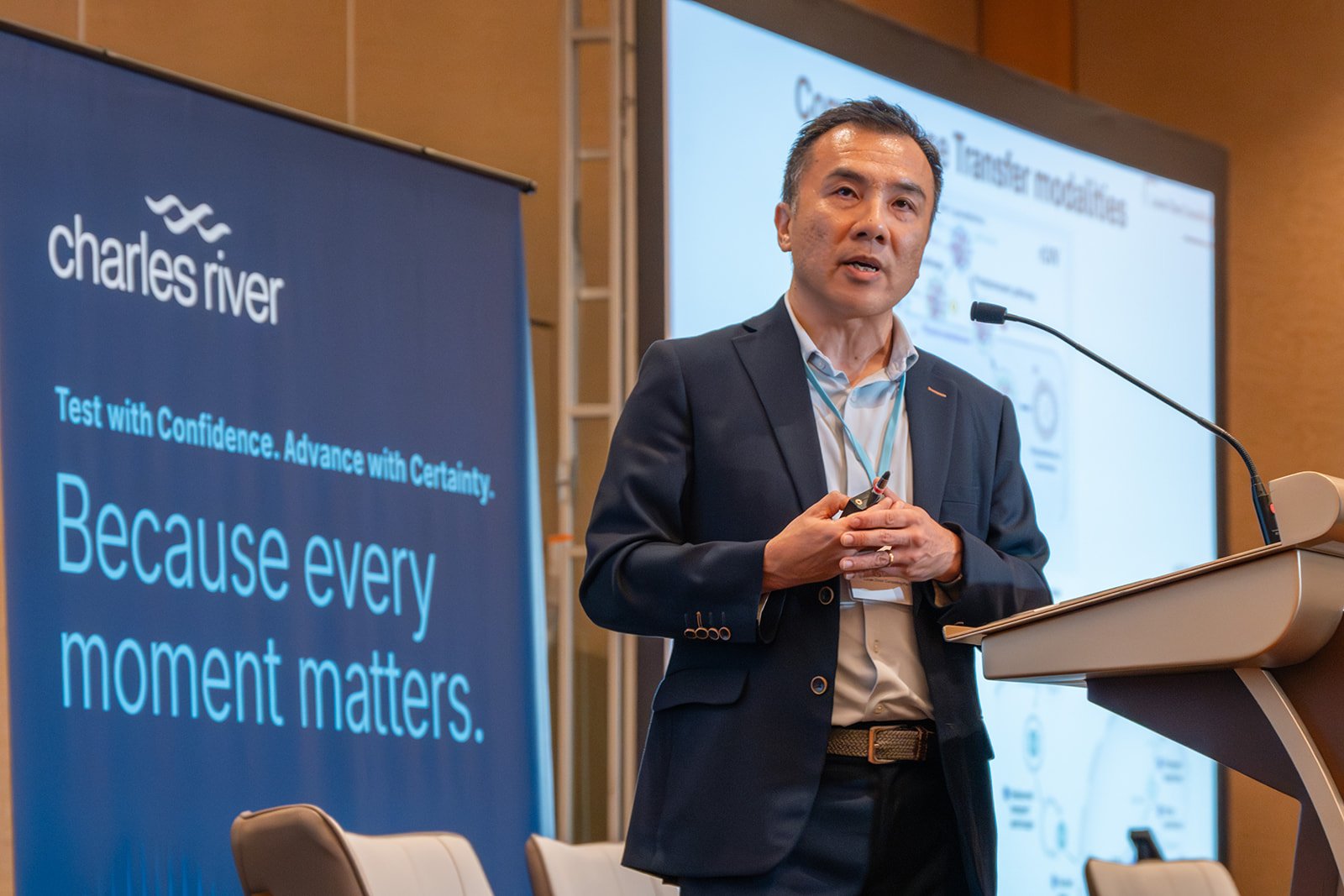
The APAC Biomanufacturing Leadership Summit 2026 reveals a critical inflection point for cross-border sellers: the $50B+ cell and gene therapy (CGT) market is transitioning from research to commercial manufacturing, creating immediate B2B supply chain opportunities. Lucas Chan's presentation on regulatory and chemistry, manufacturing, and controls (CMC) challenges highlights that biopharmaceutical manufacturers, CDMOs, and biotech companies across Asia Pacific urgently need specialized equipment, analytical instruments, process validation services, and regulatory compliance documentation—all categories where cross-border sellers can capture significant margins.
The core seller opportunity stems from manufacturing complexity. CGT products require patient-derived cell processing, viral vector manufacturing, and genetic modification platforms that demand reproducible, scalable processes. Regulatory agencies globally now expect developers to demonstrate critical quality attributes, process consistency, and long-term stability—creating demand for specialized analytical equipment (mass spectrometry, chromatography systems, bioanalytical instruments), cleanroom supplies, process monitoring software, and quality control documentation templates. Sellers sourcing these items from established manufacturers can position themselves as authorized distributors to Asia Pacific biotech companies lacking established supplier networks.
International regulatory harmonization creates a 12-18 month window for seller positioning. As regulatory frameworks align across regions, companies must upgrade CMC capabilities simultaneously across multiple jurisdictions. This synchronization drives bulk purchasing of compliance documentation services, regulatory consulting packages, and manufacturing equipment—typically $500K-$5M per company. Sellers offering bundled solutions (equipment + compliance templates + training materials) can command 25-40% premiums over commodity suppliers. The emphasis on "integrated development strategies" signals that smaller biotech firms will outsource non-core functions, creating opportunities for sellers offering specialized services through Amazon Business, Alibaba, and regional B2B platforms.
Asia Pacific's role as manufacturing hub accelerates regional demand. The summit context emphasizes APAC's growing importance for biopharmaceutical production. Sellers positioned in Singapore, South Korea, and China can leverage local logistics advantages to capture equipment sales, spare parts, and consumables contracts. The 2026 timeline indicates companies are actively investing now—creating a 6-12 month window before market saturation occurs.
Questions 7
How do regulatory changes affect seller compliance and product positioning?
Regulatory agencies now expect developers to demonstrate critical quality attributes and process consistency—meaning sellers must source equipment from certified manufacturers and provide documentation proving compliance. Sellers cannot position generic laboratory equipment as CGT-compliant; products must meet FDA, EMA, and PMDA standards. This creates barriers to entry but protects margins for compliant sellers. Sellers should verify supplier certifications and obtain quality documentation before listing products targeting biotech companies.
What are the cost implications for sellers entering the biotech B2B market?
Initial investment ranges from $50K-$200K for equipment inventory and $10K-$30K for regulatory documentation and compliance training. However, average order values are 5-10x higher than consumer e-commerce (typical orders $100K-$500K). Gross margins on equipment range 15-25%, while documentation and consulting services achieve 40-60% margins. The news indicates companies will spend $500K-$5M per firm on CMC upgrades, creating opportunities for sellers offering bundled solutions with 25-40% premiums.