






Oil Price Surge to $110+ Barrel | Critical Cost Impact for Cross-Border Sellers
- Shipping costs rise 8-15% as crude exceeds $110/barrel; stagflation threatens consumer demand across all categories







Overview
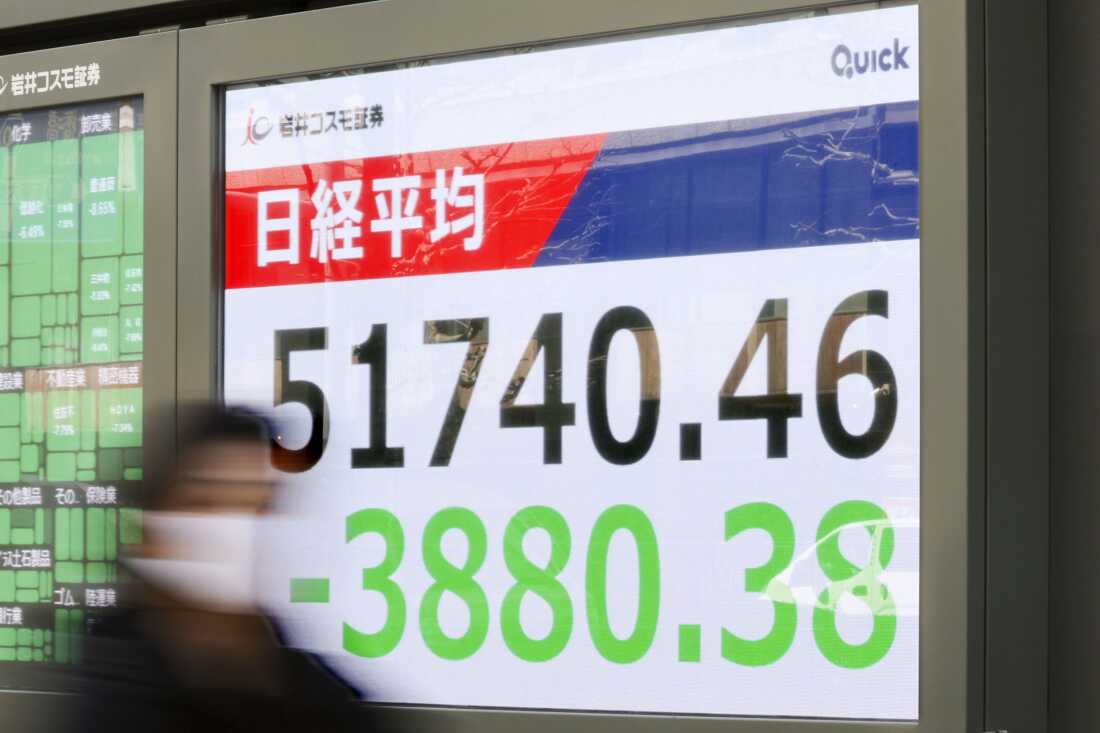
The March 9, 2026 Iran-Israel military escalation has driven crude oil prices to $106.61 (Brent) and $103.20 (WTI)—the highest levels since Russia's 2022 Ukraine invasion—creating a critical cost shock for cross-border e-commerce sellers. This represents a $15+ per-barrel spike from Friday's close and signals prolonged elevated energy costs lasting weeks to months, according to market analysts. For sellers, this translates directly to increased logistics expenses: shipping costs typically rise 8-15% when crude exceeds $110/barrel, affecting FBA fulfillment fees, 3PL provider rates, and international freight. The simultaneous stagflation scenario—combining weak U.S. employment (employers cut more jobs than created in February) with surging energy inflation—creates a dual squeeze: rising operational costs paired with suppressed consumer demand.
Immediate logistics impact: Sellers relying on air freight face the steepest penalties, with fuel surcharges adding $0.50-$1.50 per kilogram on Asia-to-US routes. Ocean freight from China/Vietnam to US ports will see 5-8% rate increases within 2-3 weeks as carriers adjust fuel surcharges. FBA sellers shipping inventory to Amazon warehouses face indirect cost increases through carrier rate hikes, while 3PL providers managing fulfillment networks will pass through fuel surcharges averaging 3-5% of base shipping costs. Southeast Asian sellers (Vietnam, Thailand, Indonesia) face particular pressure as regional officials convened in Manila to address energy cost shocks, signaling potential port congestion and logistics delays.
Consumer demand compression: The stagflation scenario threatens discretionary spending categories most vulnerable to economic weakness. Apparel, home décor, electronics accessories, and non-essential consumer goods typically see 10-20% demand contraction during stagflation periods. Conversely, essential categories show resilience: health/wellness products, budget-friendly home goods, and value-oriented consumer staples maintain demand even as consumers reduce overall spending. The U.S. dollar's strengthening (trading at 158.55 yen) creates currency headwinds for sellers pricing in foreign currencies, reducing competitiveness in international markets while making US-sourced products more expensive for overseas buyers.
Strategic sourcing implications: The conflict's targeting of energy infrastructure (Iran's desalination plants, Israel's oil depots) signals potential supply chain disruptions in Middle East-dependent logistics corridors. Sellers should evaluate nearshoring opportunities to reduce fuel-intensive long-haul shipping: Mexico and Central America become more attractive for US-bound inventory, while India and Vietnam offer cost advantages for EU-focused sellers despite current energy cost spikes. The Trump administration tariff impacts mentioned in the news compound these logistics challenges, making supply chain diversification urgent.
Questions 8
Should I switch from air freight to ocean freight to reduce fuel surcharge impact?
Yes, but with timing caveats. Ocean freight will see 5-8% rate increases (lower than air freight's 8-15% surge), but the tradeoff is 3-4 week longer transit times. For time-sensitive inventory (seasonal items, trending products), air freight remains necessary despite higher costs. For stable, non-perishable inventory with predictable demand, ocean freight becomes more cost-effective. The news indicates prolonged elevated energy costs lasting weeks to months, so fuel surcharges will persist. Evaluate your inventory turnover: if BSR is stable and demand is predictable, shift to ocean freight. If you're chasing trends or managing seasonal peaks, maintain air freight for critical SKUs only.
Which product categories will suffer most from stagflation and rising shipping costs?
Discretionary categories face the steepest demand compression: apparel, home décor, electronics accessories, and non-essential consumer goods typically see 10-20% demand drops during stagflation periods. The combination of rising shipping costs (8-15%) plus weak consumer spending creates a margin squeeze—you're paying more to ship while customers buy less. Essential categories show resilience: health/wellness products, budget-friendly home goods, and value-oriented consumer staples maintain demand even during economic weakness. Sellers should consider shifting inventory allocation toward essential categories and reducing stock in discretionary items to minimize carrying costs and obsolescence risk.