




Geopolitical Volatility Drives 8-12% Shipping Cost Surge | Cross-Border Seller Impact Through Mid-2025
- VIX fear index doubles to high 20s; oil prices surge amid Iran conflict uncertainty; UK sellers face 4% inflation projection; Strait of Hormuz disruptions maintain elevated freight costs through mid-2025






Overview
Geopolitical uncertainty stemming from unresolved Middle East tensions and unclear U.S. policy direction is creating a sustained cost crisis for cross-border e-commerce sellers. Over four consecutive trading days, major stock indices declined while energy prices surged, with the VIX fear index reaching the high 20s—nearly double normal levels. The critical distinction from previous crises: traders anticipate sustained geopolitical tensions rather than quick resolution, mirroring the 1970s energy crisis pattern rather than the 1990 Gulf War's rapid spike-and-retreat scenario.
For cross-commerce sellers, the operational impact is immediate and substantial. Rising oil and gas wholesale costs directly increase shipping and logistics expenses by an estimated 8-12% for sellers shipping 1,000+ units monthly through standard ocean freight routes. The Strait of Hormuz supply chain disruptions are expected to persist through at least mid-2025, maintaining elevated freight costs. UK-based sellers face particular pressure as the Bank of England's inflation-fighting credibility weakens, with analysts projecting inflation could reach 4 percent by year-end—double the 2 percent target. This creates a dual squeeze: rising operational costs while consumer spending power contracts. Five-year UK gilt yields surged 0.24 percentage points in a single day—exceeding the 0.15 point move following the September 2022 Truss mini-budget crisis—signaling elevated borrowing costs for working capital financing.
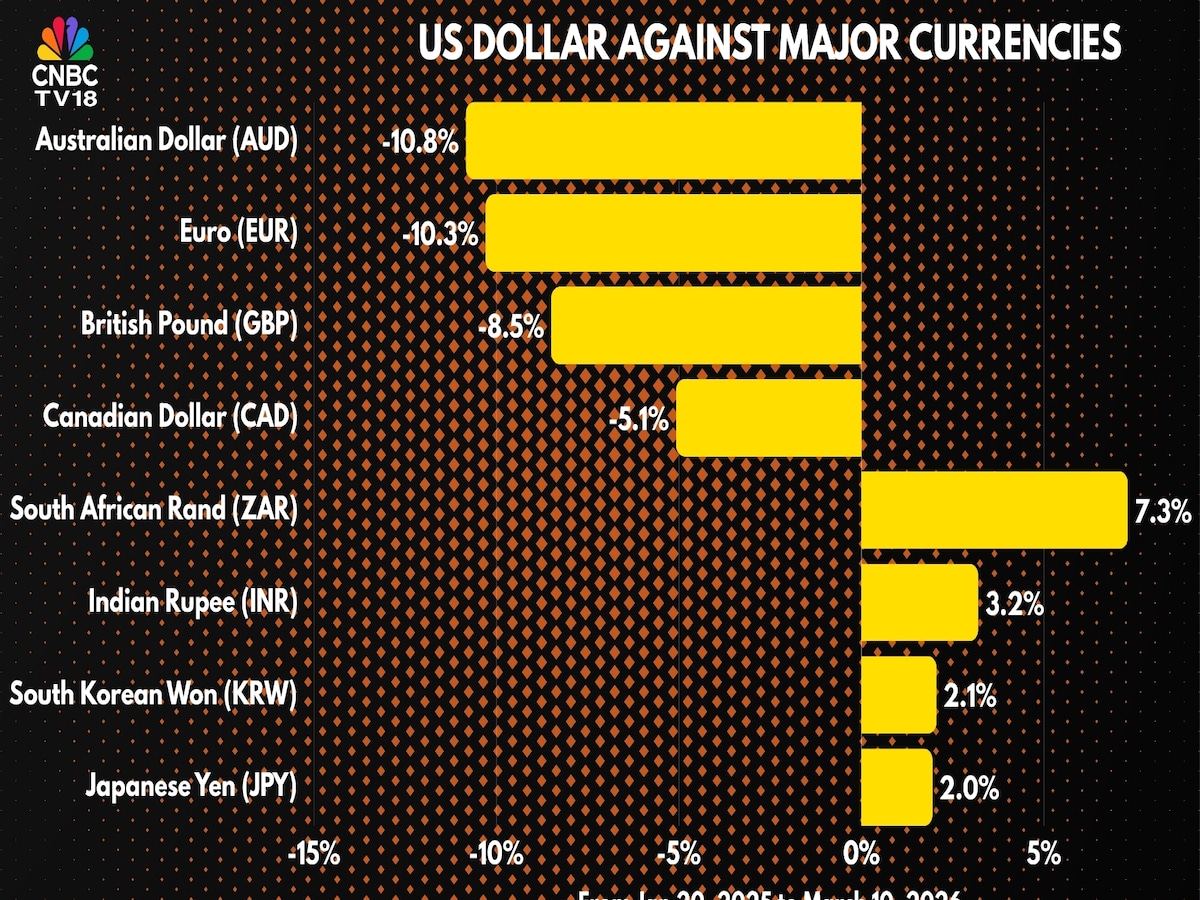
The financial volatility extends beyond logistics to currency and payment processing risks. Military conflicts create cascading economic consequences distinct from trade policy reversals. Oil price spikes directly impact shipping costs and supply chain expenses, while financial volatility disrupts currency markets, affecting cross-border transaction costs and payment processing. Market uncertainty influences consumer spending patterns globally, reducing demand precisely when sellers face higher operational costs. Central banks face an unexpected inflation headache precisely when growth concerns are rising, creating a challenging policy environment where sellers cannot rely on traditional monetary policy support.
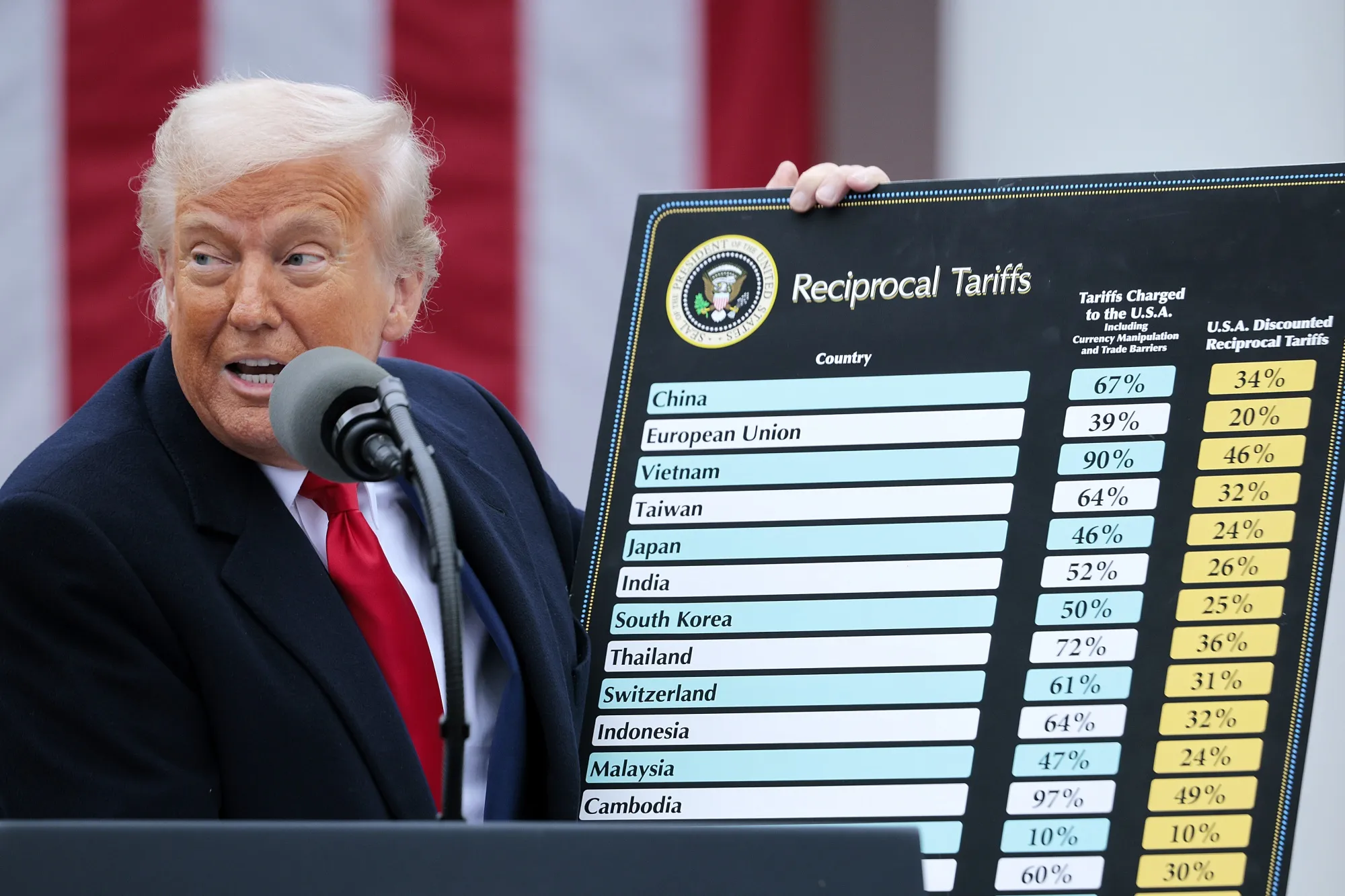
Strategic sourcing and market positioning become critical differentiators. Sellers relying on Middle Eastern markets or oil-dependent shipping routes face particular exposure. Unlike tariff reversals (which Treasury Secretary Scott Bessent and JPMorgan Chase CEO Jamie Dimon convinced President Trump to reverse within days in April 2025), military de-escalation requires complex diplomatic negotiations with uncertain timelines, prolonging economic uncertainty. This suggests elevated cost pressures will persist through at least mid-2025, requiring sellers to implement structural cost management rather than temporary adjustments.
Questions 8
Which seller segments face the greatest exposure to geopolitical volatility?
UK-based sellers face particular pressure as inflation is projected to reach 4 percent by year-end—double the 2 percent target—while the Bank of England's inflation-fighting credibility weakens. Sellers relying on Middle Eastern markets or oil-dependent shipping routes face particular exposure to supply chain disruptions. Small to medium-sized sellers with limited working capital face additional risk from elevated borrowing costs, as five-year UK gilt yields surged 0.24 percentage points in a single day. Sellers shipping heavy, low-margin products (furniture, machinery, bulk goods) are most vulnerable to freight cost increases.
How much will shipping costs increase for cross-border sellers due to Middle East tensions?
Shipping costs are projected to increase 8-12% for sellers shipping 1,000+ units monthly through standard ocean freight routes, driven by elevated oil prices and Strait of Hormuz supply chain disruptions. The news reports that oil and gas wholesale costs have surged significantly with implications for freight prices globally. Unlike the 1990 Gulf War pattern (quick spike and retreat), traders anticipate sustained geopolitical tensions through at least mid-2025, maintaining elevated freight costs. Sellers should immediately review shipping contracts and consider locking in rates before further increases occur.