



Regional Powder Keg Erupts: Thailand and Cambodia's Dangerous Border Standoff
- Territorial Tensions Threaten Southeast Asian Stability and Cross-Border Economic Interactions







Overview
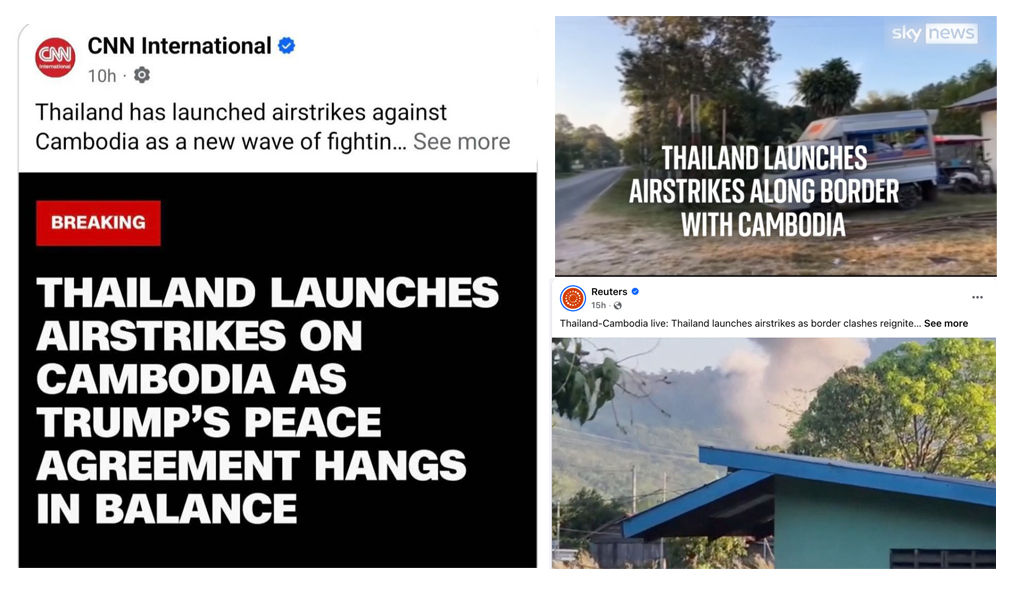
The Thai-Cambodia border conflict represents a critical geopolitical flashpoint that exposes deep-rooted historical tensions and the fragility of regional diplomatic mechanisms. Since Sunday night, an 817km disputed border has transformed into a violent confrontation, with nine Cambodian civilians killed and three Thai soldiers dead, signaling a dramatic breakdown of previous peace agreements.
Historical Context Drives Current Conflict: The current hostilities are not a sudden eruption but a continuation of long-standing territorial disputes dating back to the 1907 French colonial border mapping. The 2013 International Court of Justice ruling, which awarded part of the Preah Vihear temple area to Cambodia, remains a persistent point of contention, with Thailand consistently refusing to acknowledge the judgment. This legal backdrop creates a powder keg of unresolved territorial claims.
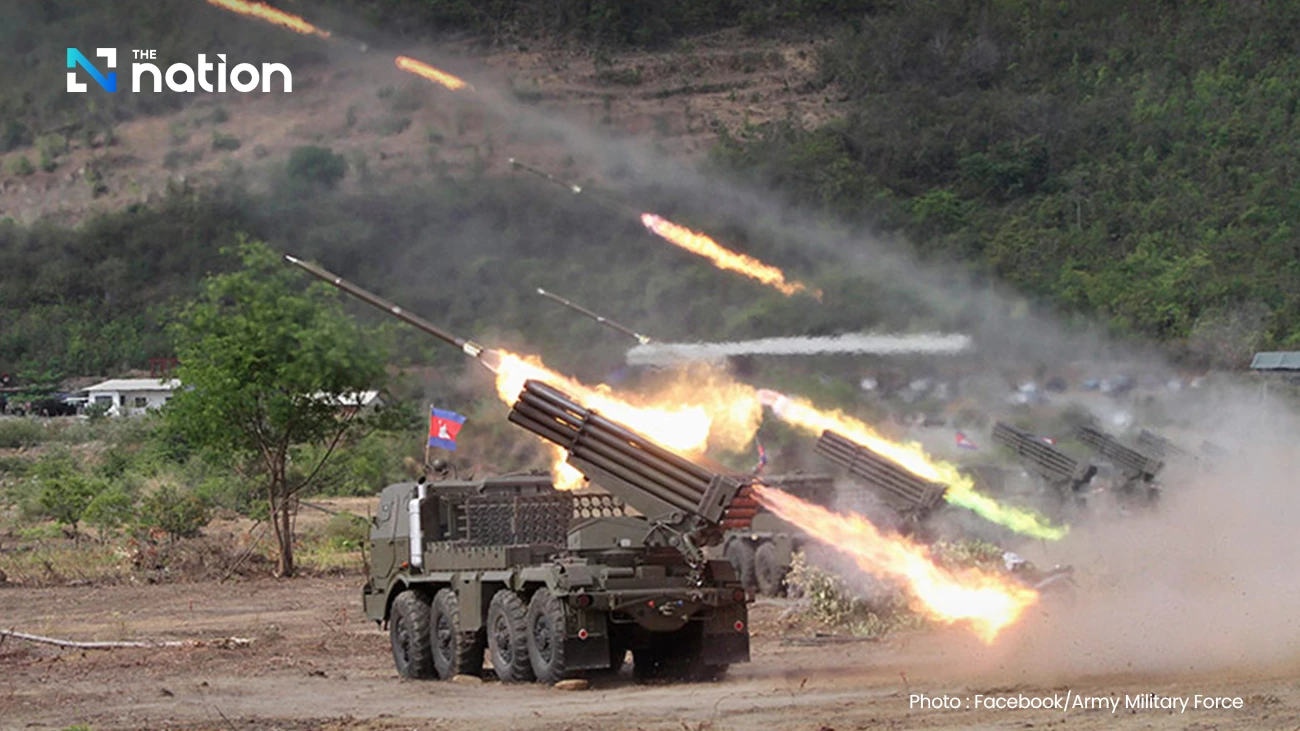
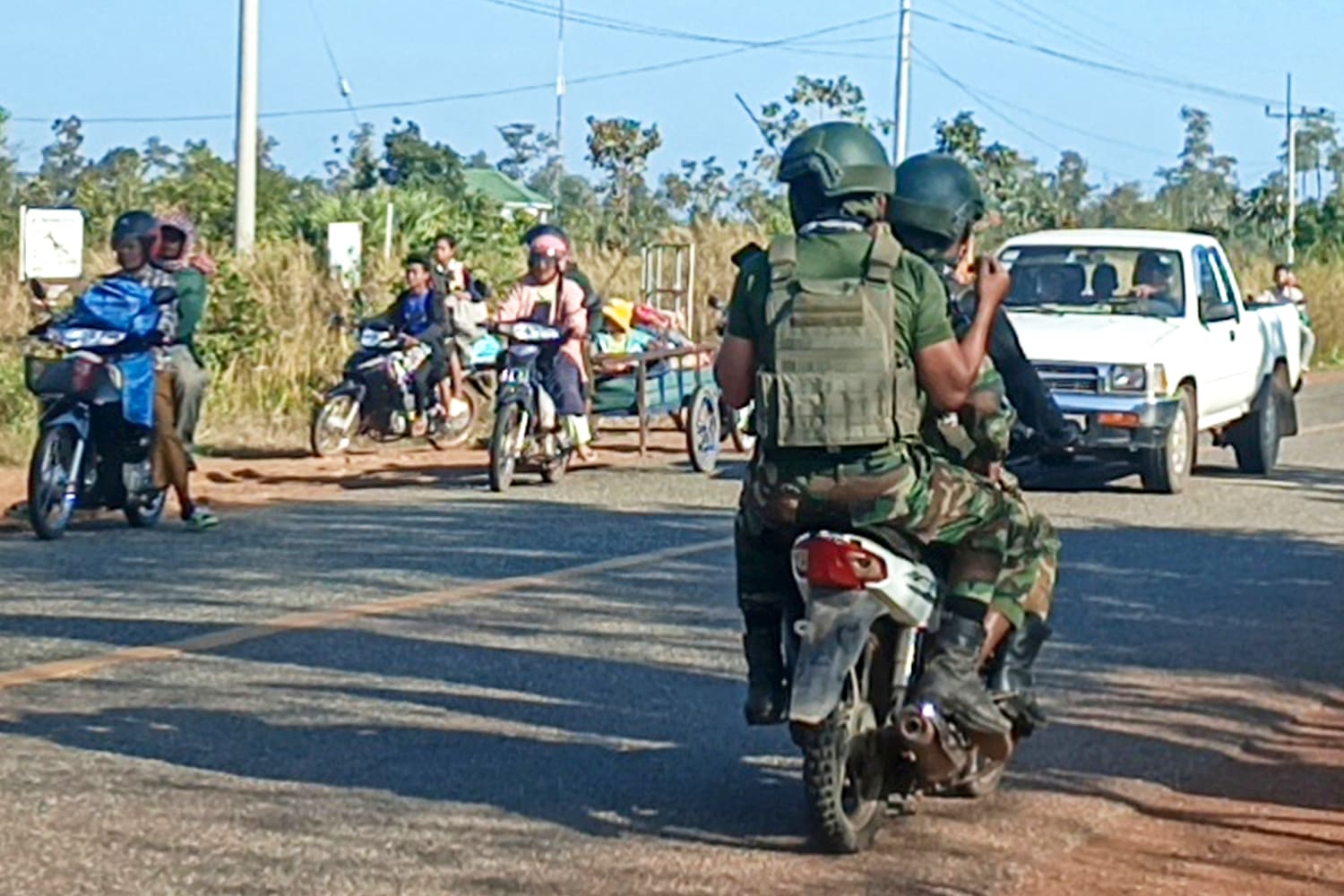
Strategic Implications for Regional Stability: The conflict's escalation reveals multiple critical dynamics. Cambodian Senate President Hun Sen's military strategy of initial restraint followed by counterattacks suggests a calculated approach to territorial defense. Conversely, Thailand's naval operation to expel Cambodian troops from Trat province demonstrates an aggressive posture, with allegations of Cambodian military fortification using snipers and heavy weapons.
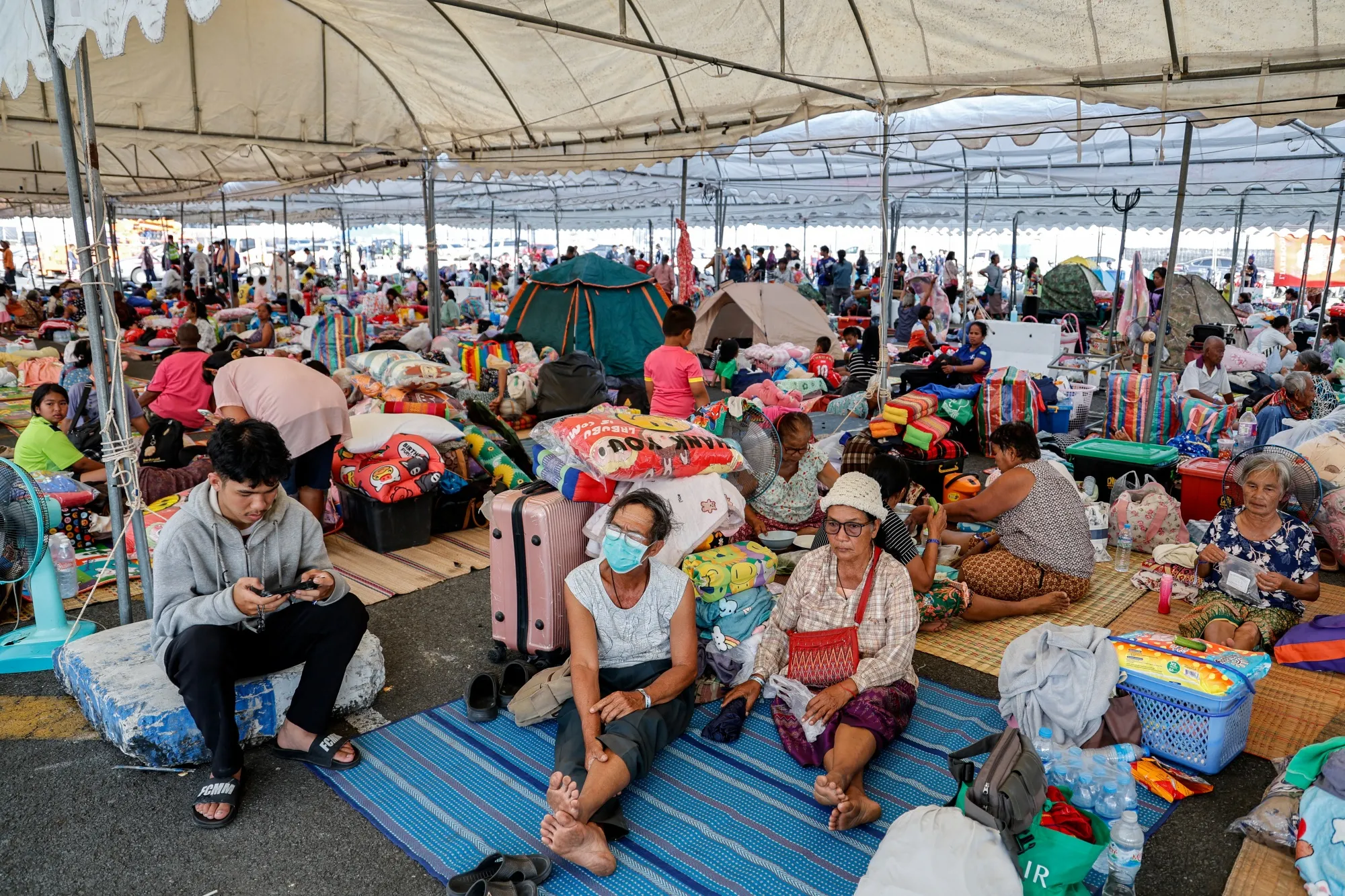
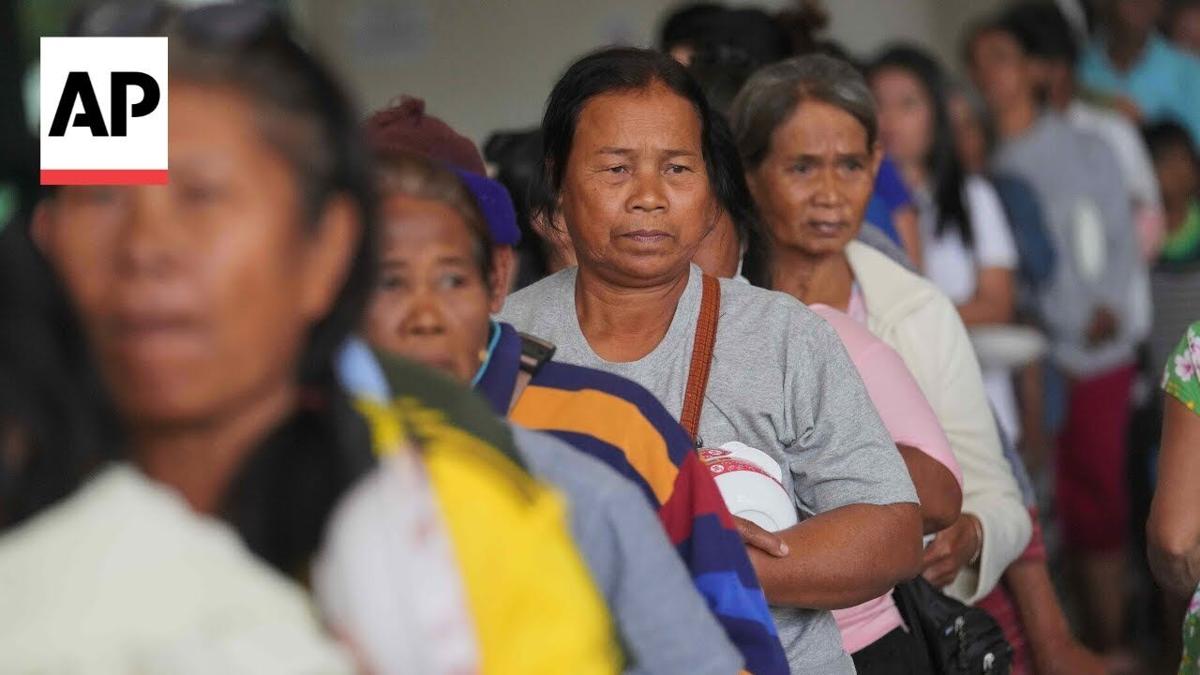
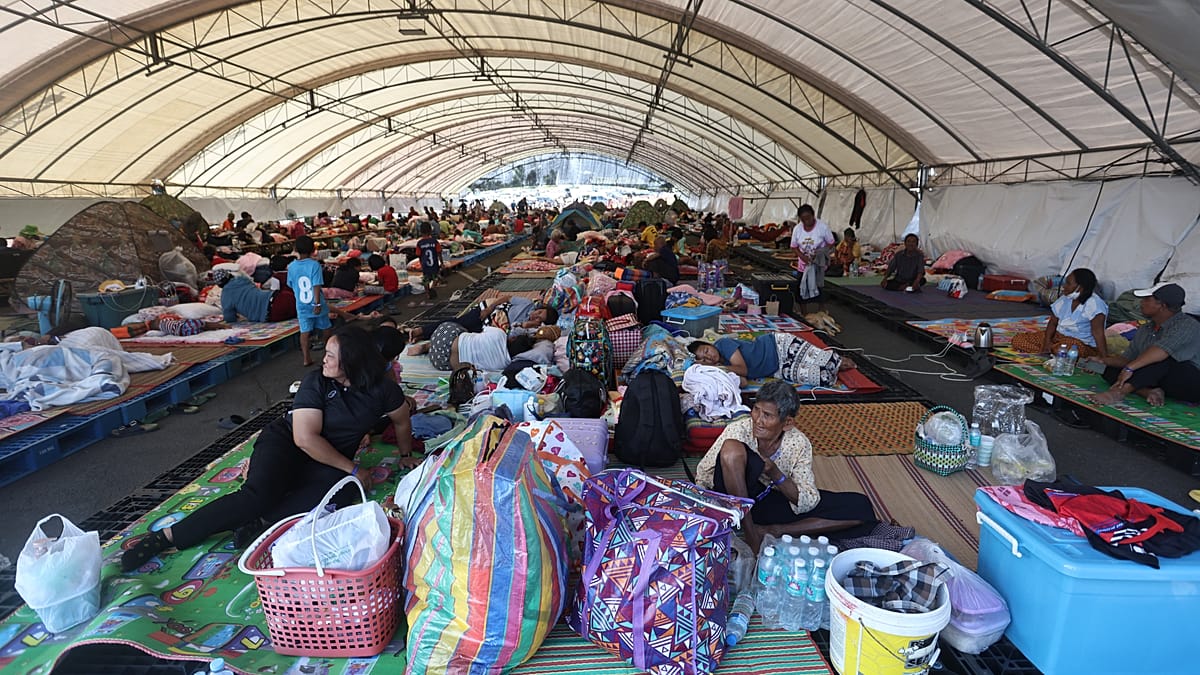
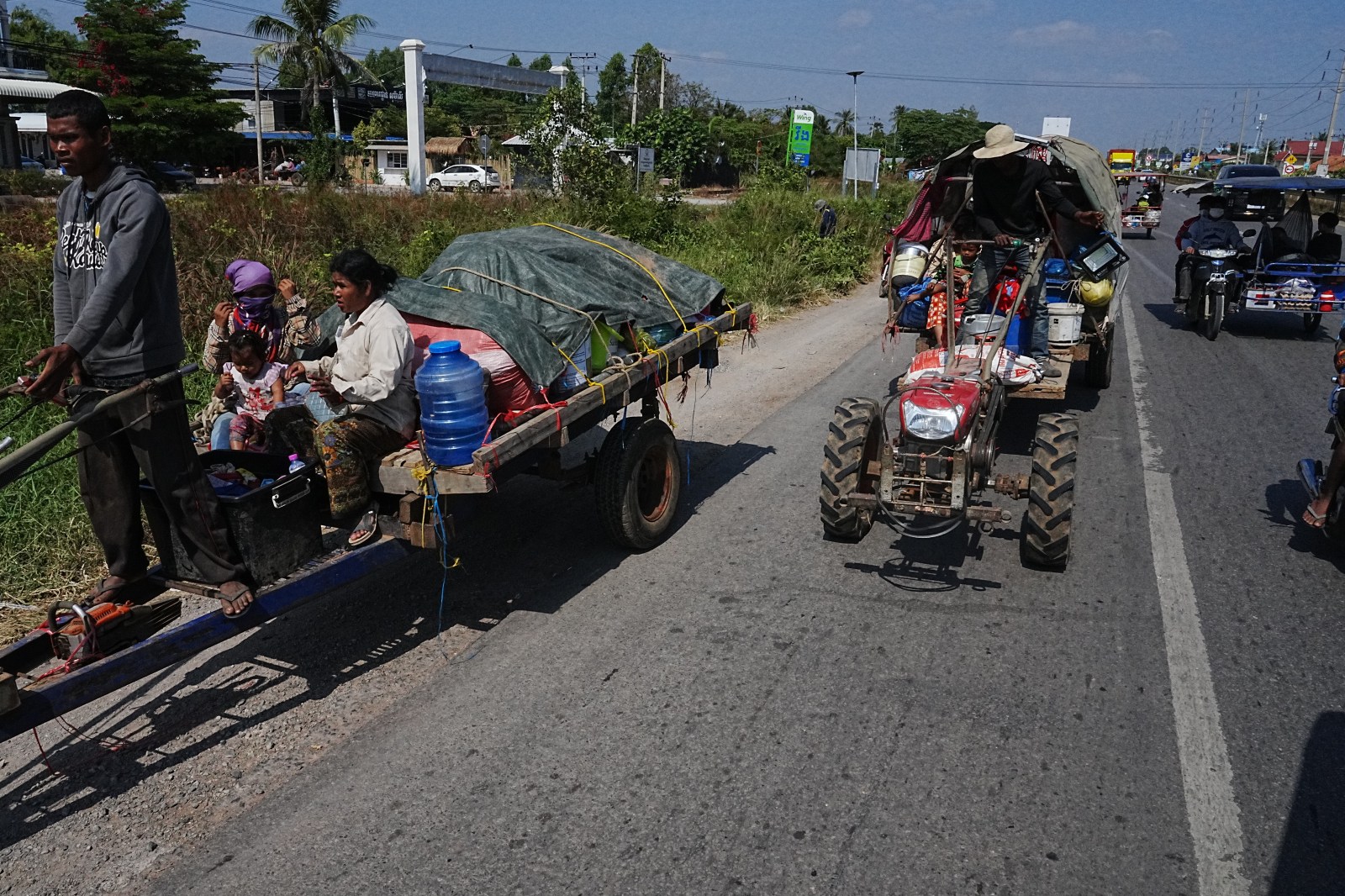
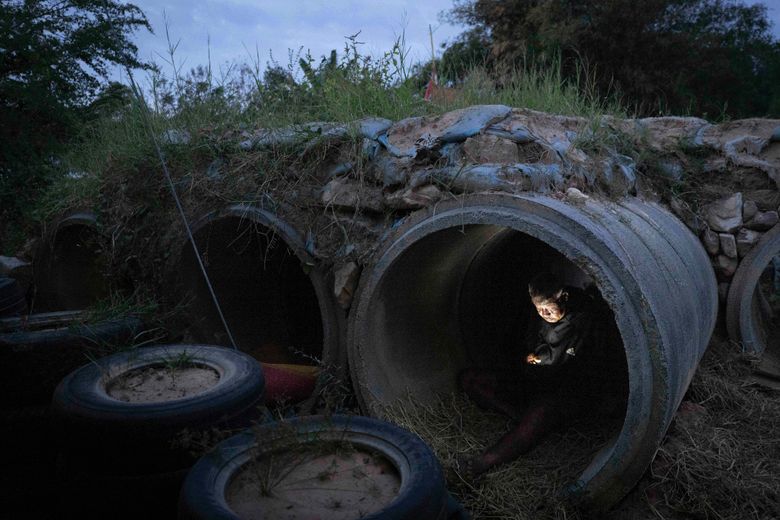
The most alarming aspect is the complete breakdown of diplomatic channels. Thai Foreign Minister Sihasak Phuangketkeow's statement that "there is currently no space for diplomacy" signals a dangerous shift towards military confrontation. The human cost is already significant, with approximately 125,000 people forced to seek temporary shelter across four border provinces.
Economic and Geopolitical Risks: Beyond the immediate human tragedy, this conflict poses substantial risks to regional economic integration. Cross-border trade, investment flows, and regional cooperation are likely to be severely disrupted. The confrontation threatens the delicate economic ecosystem of Southeast Asia, potentially drawing in broader regional and international diplomatic interventions.
Strategic actors must recognize that this is not merely a bilateral dispute, but a potential catalyst for broader regional instability. The international community should prioritize immediate diplomatic intervention to prevent further escalation and potential humanitarian crisis.
Questions 4
What are the potential economic impacts of this border conflict?
The conflict threatens cross-border economic interactions, potentially disrupting trade, investment flows, and regional economic cooperation. The complete breakdown of diplomatic channels increases the risk of prolonged economic instability in the Southeast Asian region.
How severe are the current military tensions between Thailand and Cambodia?
The tensions are extremely serious, with nine Cambodian civilians killed, 20 injured, three Thai soldiers dead, and 29 wounded. Approximately 125,000 people have been forced to seek temporary shelter, and both sides have deployed military forces with heavy weapons and fortified positions.