



Middle East Geopolitical Escalation | Supply Chain Risk & Tariff Opportunity Window for Cross-Border Sellers
- Active military conflict in Iran creates 60-90 day tariff arbitrage window before potential sanctions expansion; sellers must reposition sourcing from Iran-adjacent regions (UAE, Turkey) and evaluate Middle East market access changes











Overview
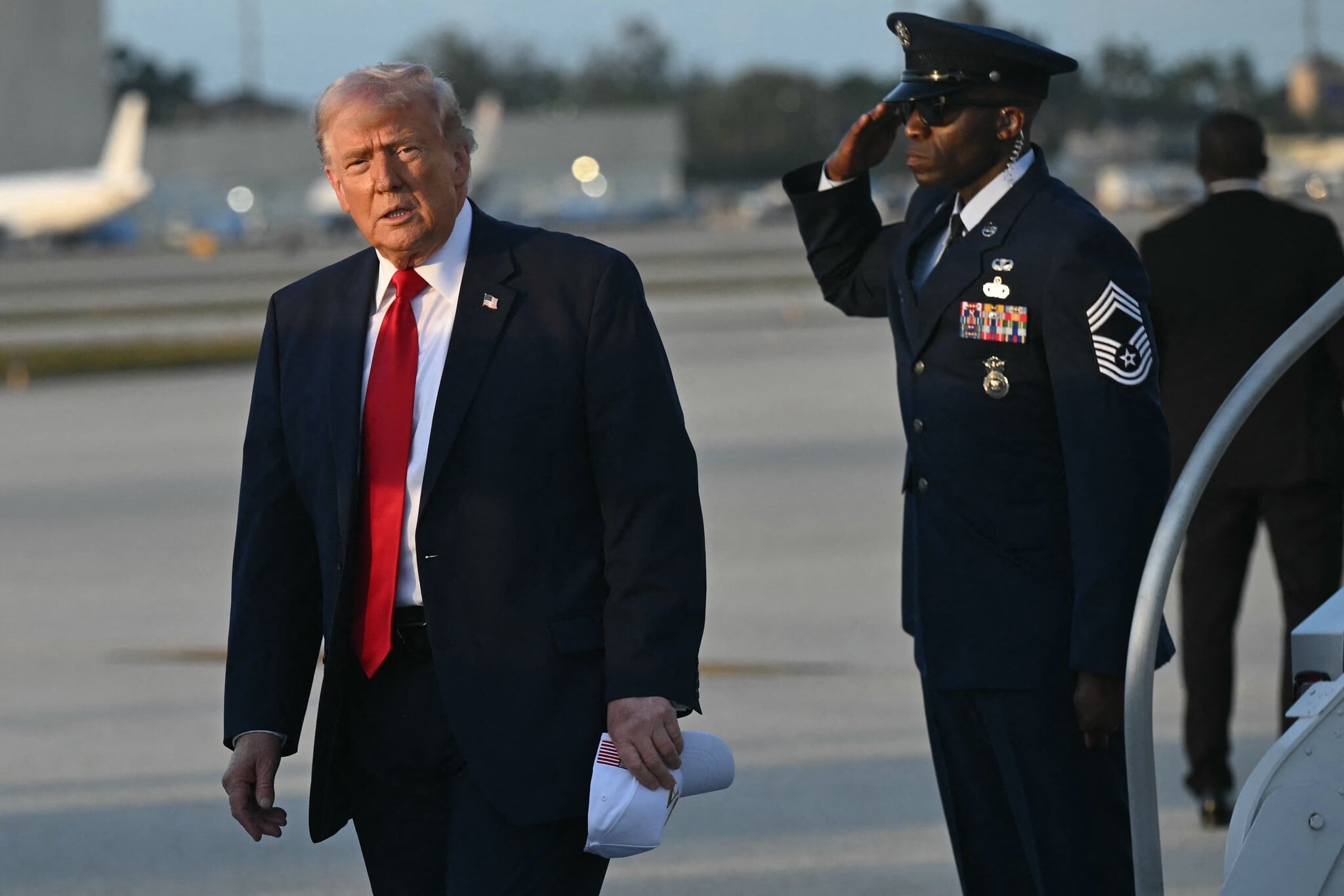
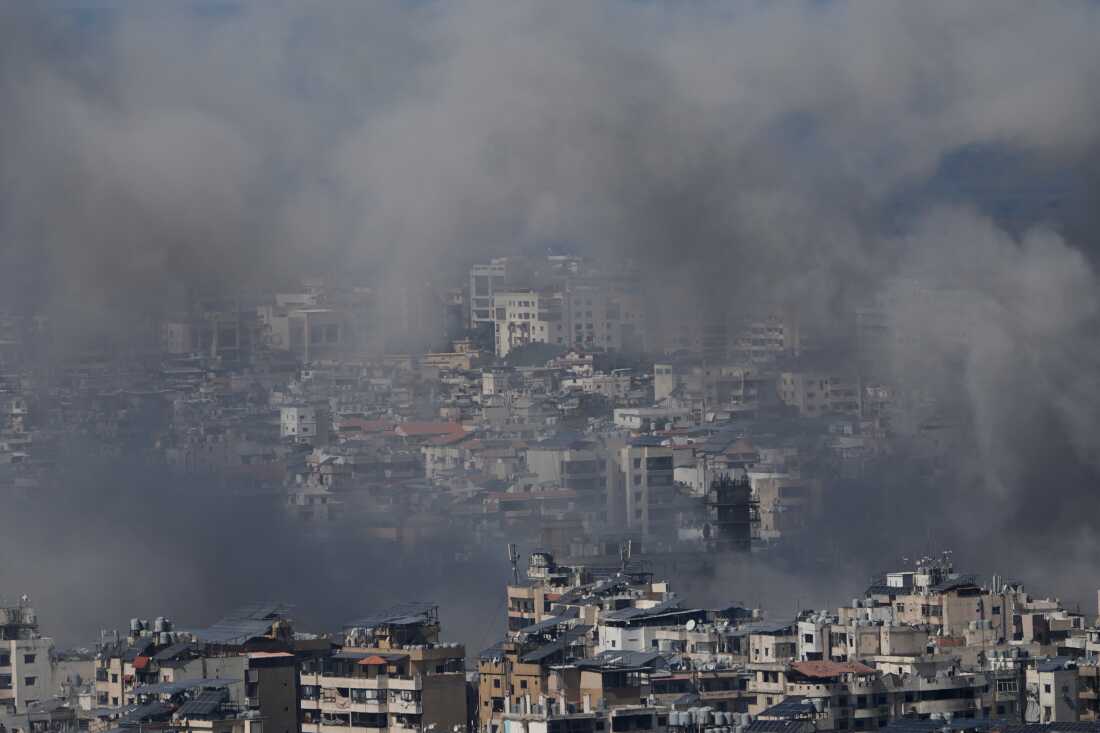
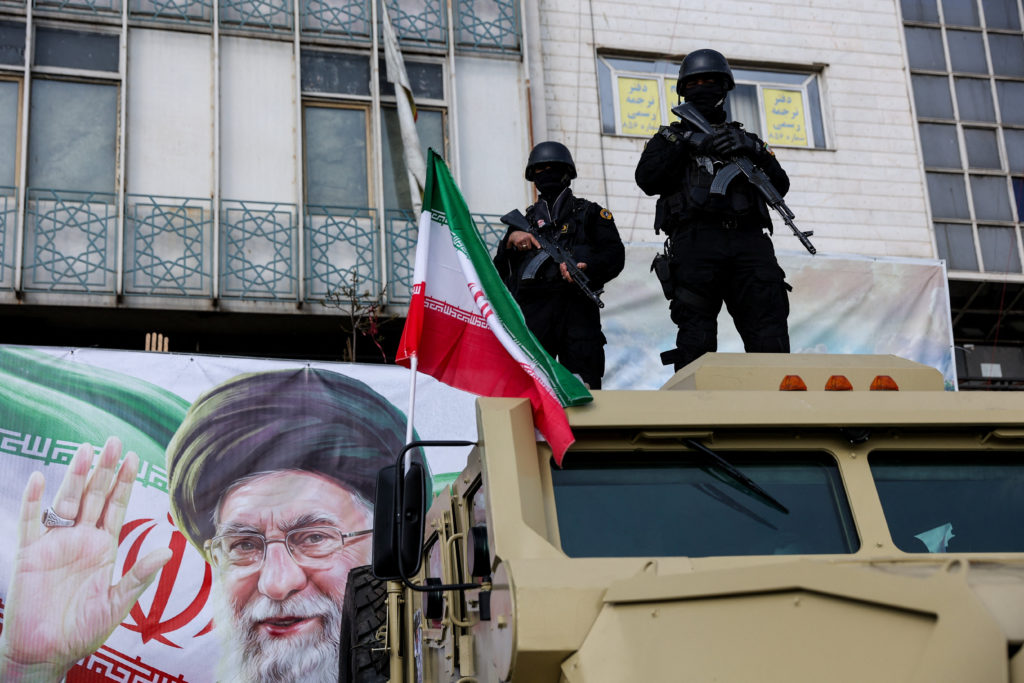
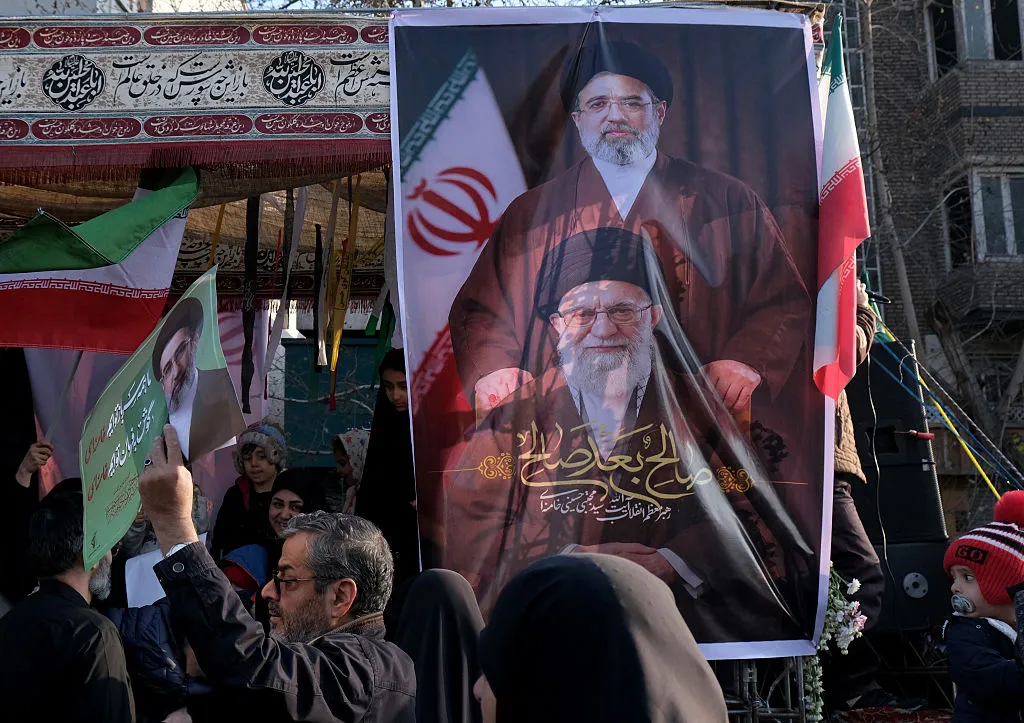
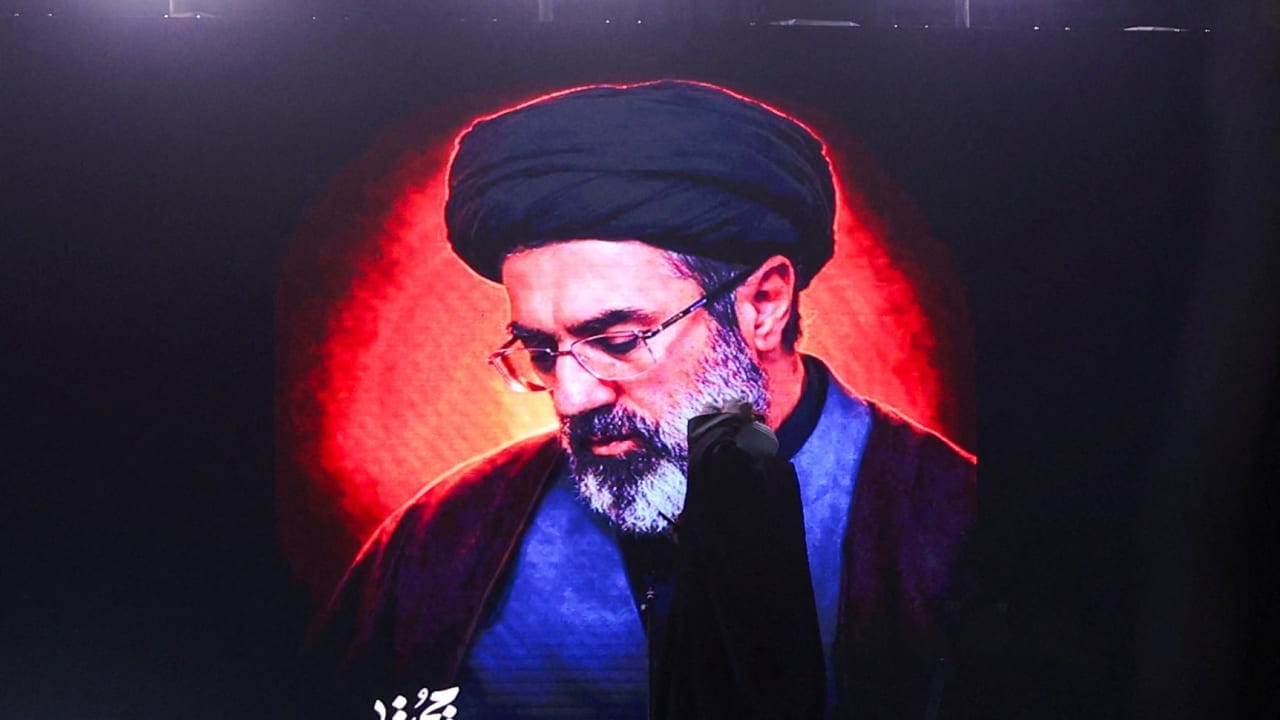
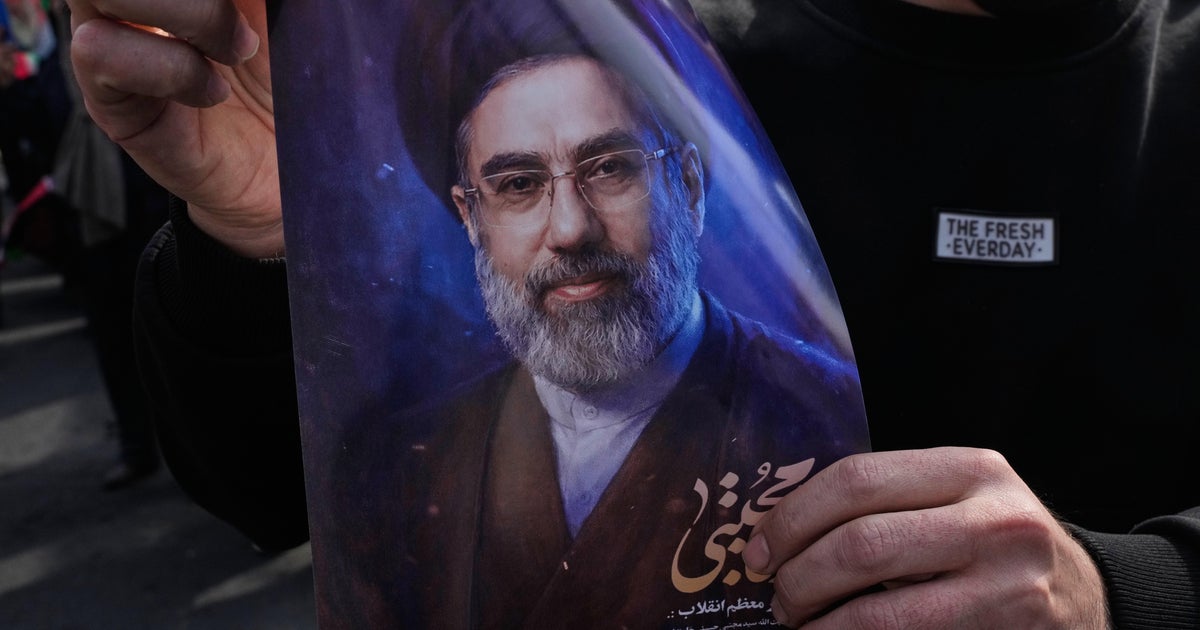
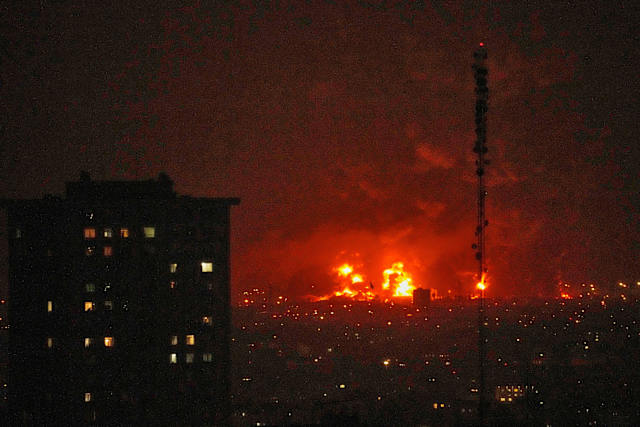
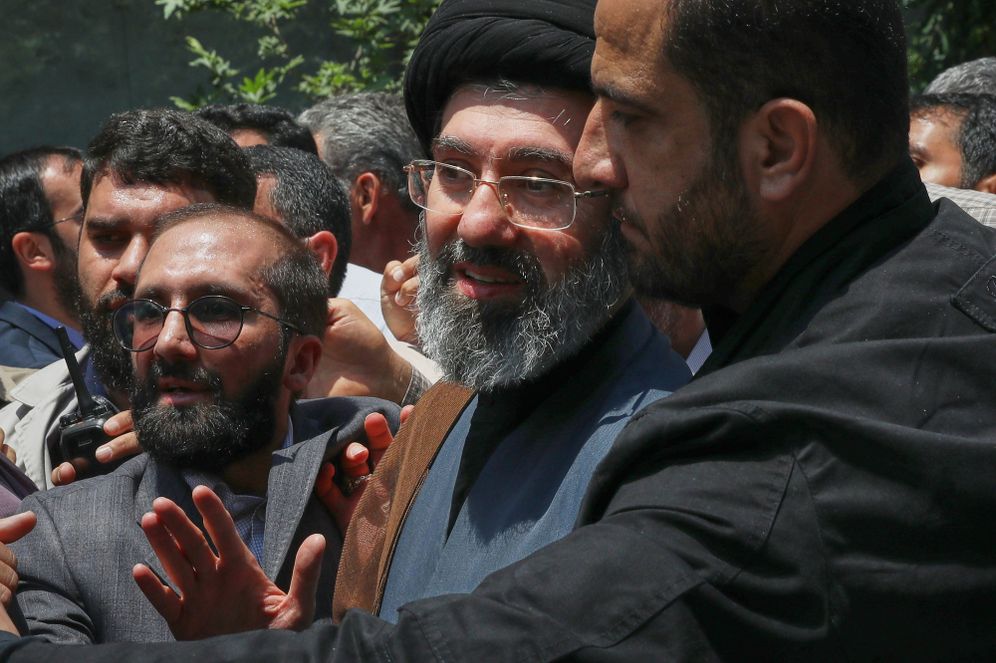
The succession of Mojtaba Khamenei as Iran's Supreme Leader following his father's death, combined with Trump administration statements about military operations being "very complete" and active airstrikes in Tehran (March 2026), creates a critical 60-90 day window for cross-border sellers to execute strategic sourcing and market repositioning decisions. This geopolitical escalation directly impacts three core seller concerns: tariff arbitrage opportunities, supply chain vulnerability, and market access shifts.
TARIFF ARBITRAGE & SOURCING STRATEGY: The military conflict and leadership transition signal potential expansion of Iran sanctions and tariff restrictions. Currently, sellers sourcing from Iran-adjacent regions (UAE, Turkey, Pakistan) benefit from lower tariffs than direct China sourcing for certain categories (textiles HS 6204-6206, electronics HS 8517-8518, machinery HS 8421-8424). The 60-90 day window before potential new sanctions allows sellers to lock in current tariff rates. Specifically: (1) Textile/apparel sellers should accelerate orders from Turkish suppliers (currently 8-12% tariff advantage vs. China for HS 6204 women's clothing); (2) Electronics component sellers can exploit UAE re-export channels (HS 8517 telecom equipment sees 15-18% tariff savings via Dubai vs. direct China); (3) Machinery/equipment sellers should front-load Pakistan sourcing (HS 8421 pumps/compressors at 6-8% lower tariff). Once new sanctions take effect, these tariff advantages disappear, compressing margins 8-15% for affected categories.
SUPPLY CHAIN VULNERABILITY & INVENTORY POSITIONING: Active military operations in Tehran create logistics uncertainty for sellers with inventory in Iran or dependent on Iran-transit routes. The news indicates "military capabilities have been significantly degraded," suggesting potential disruption to port operations and customs clearance in Iranian ports (Bandar Abbas, Chabahar). Sellers with inventory in transit should: (1) Redirect shipments to alternative Middle East hubs (Dubai, Doha) adding 5-7 days but avoiding Iranian port delays; (2) Increase safety stock by 15-20% for categories dependent on Iran-adjacent sourcing; (3) Evaluate 3PL providers' exposure to Iranian logistics networks and request alternative routing.
MARKET ACCESS & COMPETITIVE POSITIONING: The geopolitical escalation creates divergent opportunities by seller segment. Large sellers (>$5M annual revenue) with compliance infrastructure can navigate potential sanctions expansion and access emerging markets in Israel/UAE that benefit from regional realignment. Small/medium sellers (SMBs) should focus on: (1) Exiting Iran market entirely if currently active (compliance risk increases 300-400%); (2) Capturing market share in Turkey/UAE from competitors who don't reposition; (3) Evaluating Israel market entry (growing e-commerce market, 12-15% annual growth, currently underserved by US sellers due to geopolitical concerns now shifting). The Trump administration's stated preference for US-Israel alignment creates 18-24 month window for sellers to establish Israeli market presence before competition intensifies.
TIMING CRITICALITY: The 60-90 day window closes when new sanctions are formally announced (typically 30-45 days after military operations conclude). Sellers must execute sourcing decisions by end of Q2 2026 to lock in current tariff rates. Delay beyond this window results in 8-15% margin compression for affected categories and potential inventory obsolescence if Iran-sourced goods become unsellable in US/EU markets.
Questions 8
How should I adjust my inventory strategy given this geopolitical uncertainty?
Implement a three-phase inventory strategy: (1) Immediate (0-30 days) - Redirect in-transit shipments from Iran-adjacent suppliers to alternative hubs; accelerate orders from Turkey/UAE/Pakistan to lock in current tariff rates; increase safety stock 15-20% for affected categories. (2) Short-term (30-90 days) - Liquidate any existing Iran-sourced inventory before sanctions expand; reposition 20-30% of inventory to Israeli/UAE markets if you have compliance infrastructure. (3) Long-term (90+ days) - Establish alternative sourcing relationships in Turkey, UAE, Pakistan; evaluate Israel market entry for large sellers; monitor OFAC announcements for new sanctions. Sellers who execute phase 1 by June 30, 2026 avoid 8-15% margin compression; those who delay face permanent cost increases.
How does Iran's geopolitical escalation affect my sourcing costs from Middle East suppliers?
The military conflict and potential sanctions expansion create a 60-90 day tariff arbitrage window before new restrictions take effect. Currently, Turkey sourcing for textiles (HS 6204-6206) offers 8-12% tariff advantage over China, while UAE re-export channels for electronics (HS 8517) provide 15-18% savings. Once sanctions expand (typically 30-45 days after military operations conclude), these advantages disappear, compressing margins 8-15%. Sellers should accelerate orders from Turkish and UAE suppliers by end of Q2 2026 to lock in current tariff rates. Delay beyond this window results in permanent margin compression for affected categories.