



Strait of Hormuz Blockade Drives Oil Spike to $100+ | E-Commerce Shipping Cost Crisis
- Oil prices surge 35% in 11 days (March 10-21, 2026); shipping costs rise 8-15% for sellers; Gulf airspace closures disrupt logistics to 6 nations

































Overview
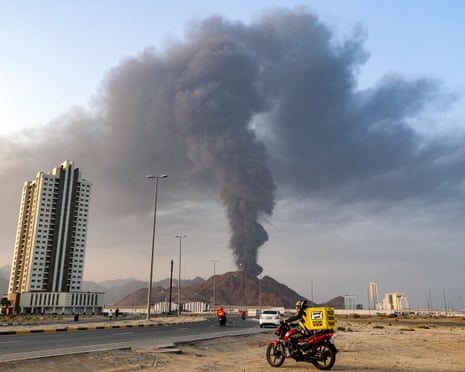
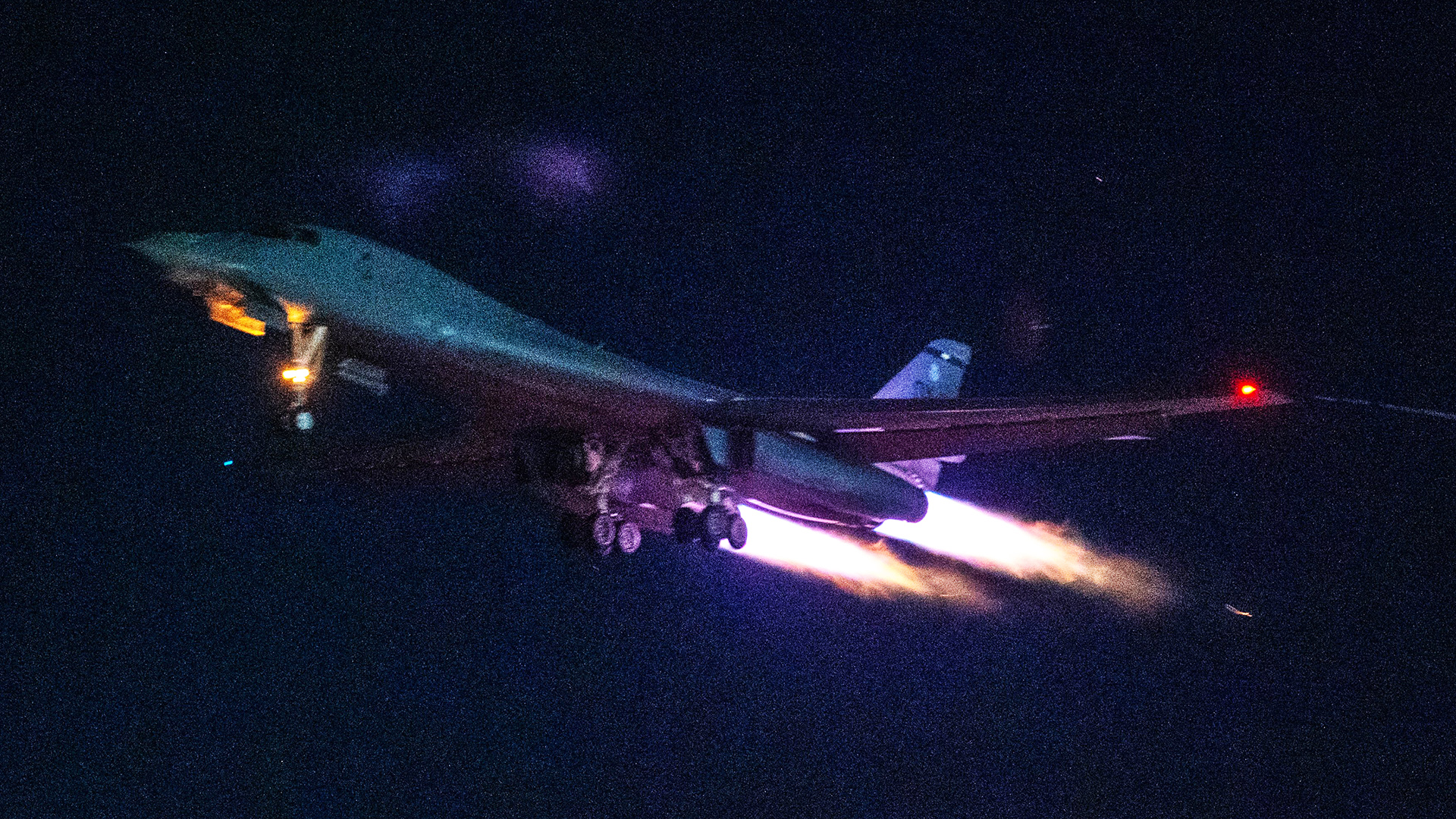
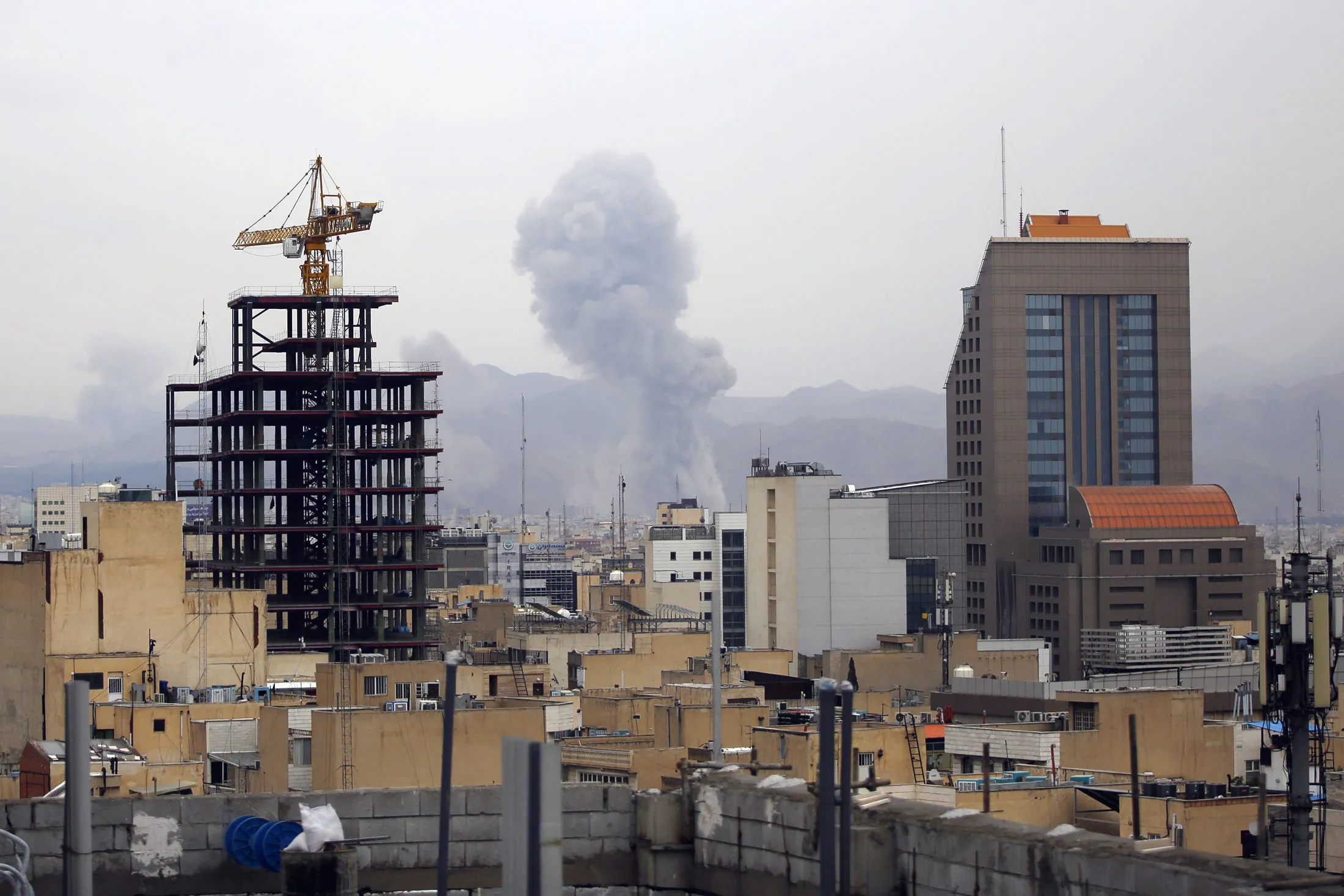
The escalating Iran-Israel conflict beginning February 28, 2026, has created a critical supply chain crisis for cross-border e-commerce sellers. The Strait of Hormuz—through which 20% of global oil passes—has been effectively blocked by Iranian military actions, causing crude oil prices to surge from $74 to over $100 per barrel by March 10, 2026. This represents a 35% price increase in just 11 days, directly impacting shipping costs for sellers relying on air and ocean freight. Saudi Arabia's Aramco CEO confirmed tanker rerouting and pipeline capacity increases to 7 million barrels daily via the Red Sea port of Yanbu, indicating supply chain restructuring that will persist for months.
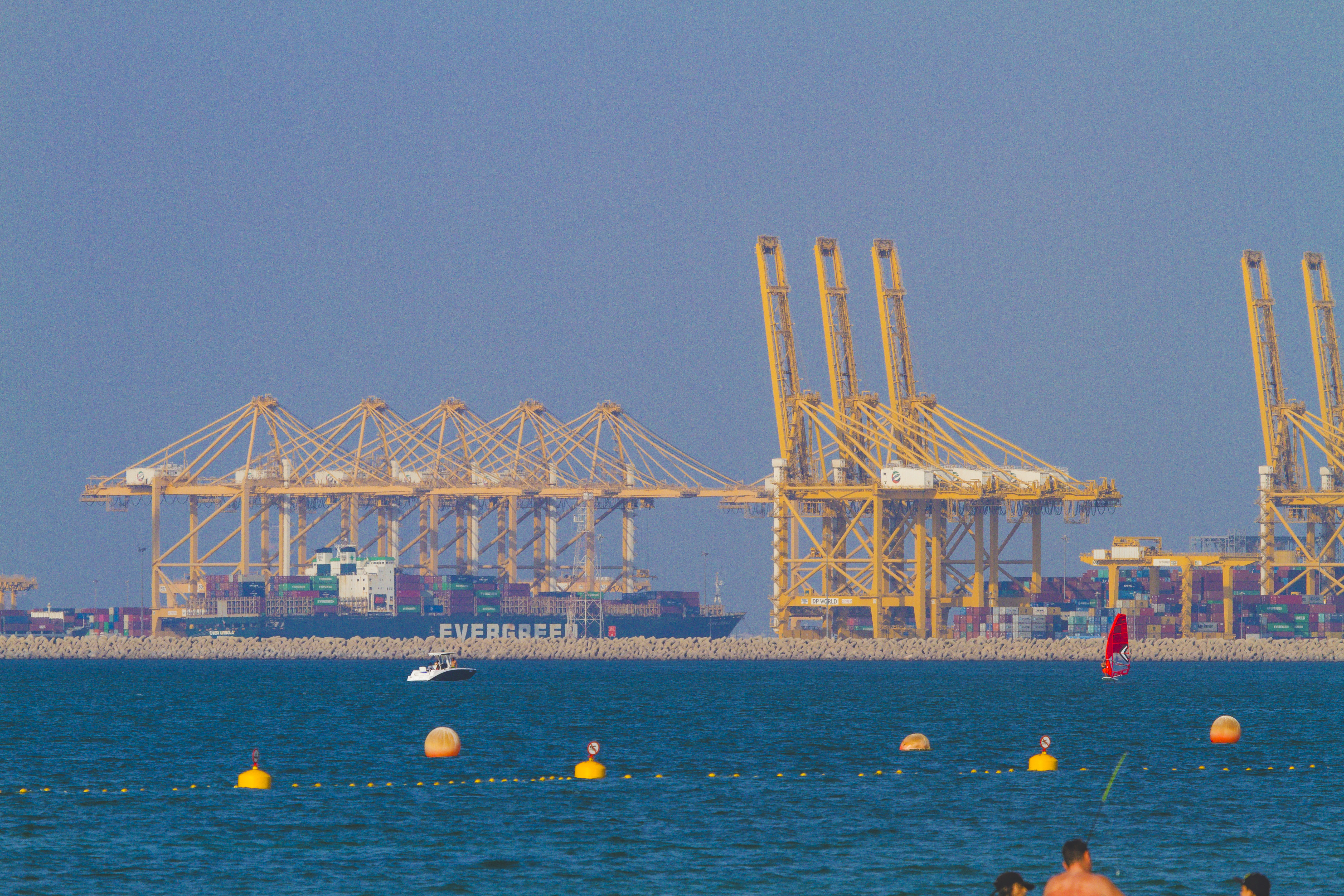
For cross-border e-commerce sellers, this geopolitical crisis translates into immediate operational costs. Shipping expenses typically represent 15-25% of total fulfillment costs for sellers using FBA or 3PL providers. A $16+ per barrel oil price increase compounds across fuel surcharges, which major carriers (FedEx, UPS, DHL) have already begun implementing. Sellers shipping 1,000+ units monthly can expect additional costs of $200-400 per month through Q2 2026. Air freight routes—critical for time-sensitive categories like electronics, fashion, and perishables—face 10-15% cost increases. Ocean freight via traditional Suez-Hormuz routes now requires 2-3 week rerouting delays through the Red Sea, forcing sellers to choose between premium air freight or extended delivery windows.
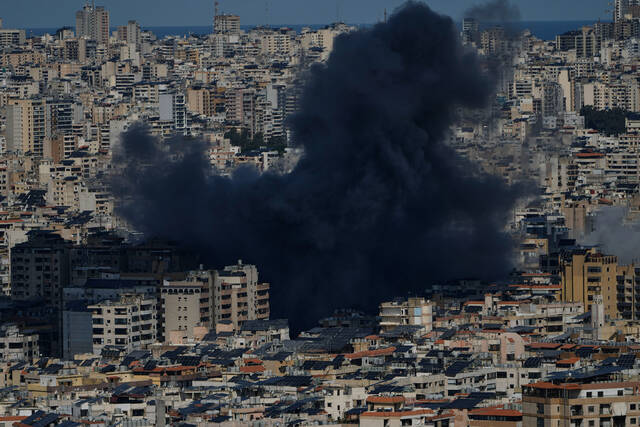
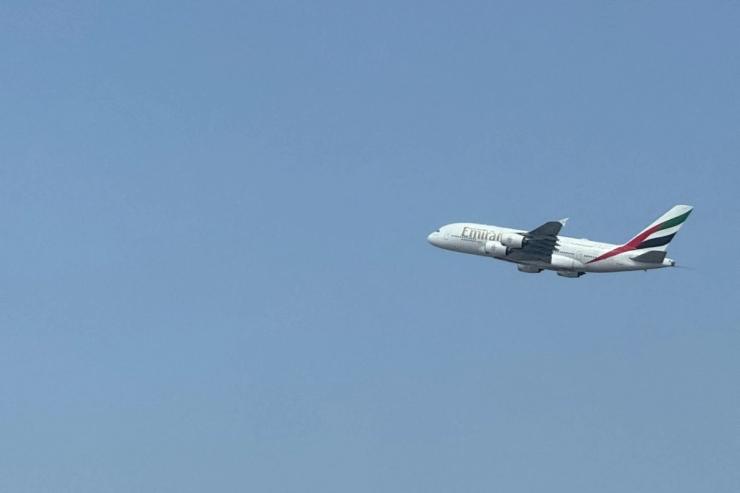
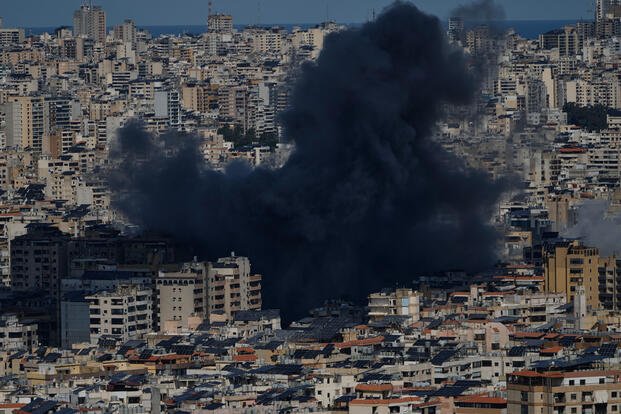
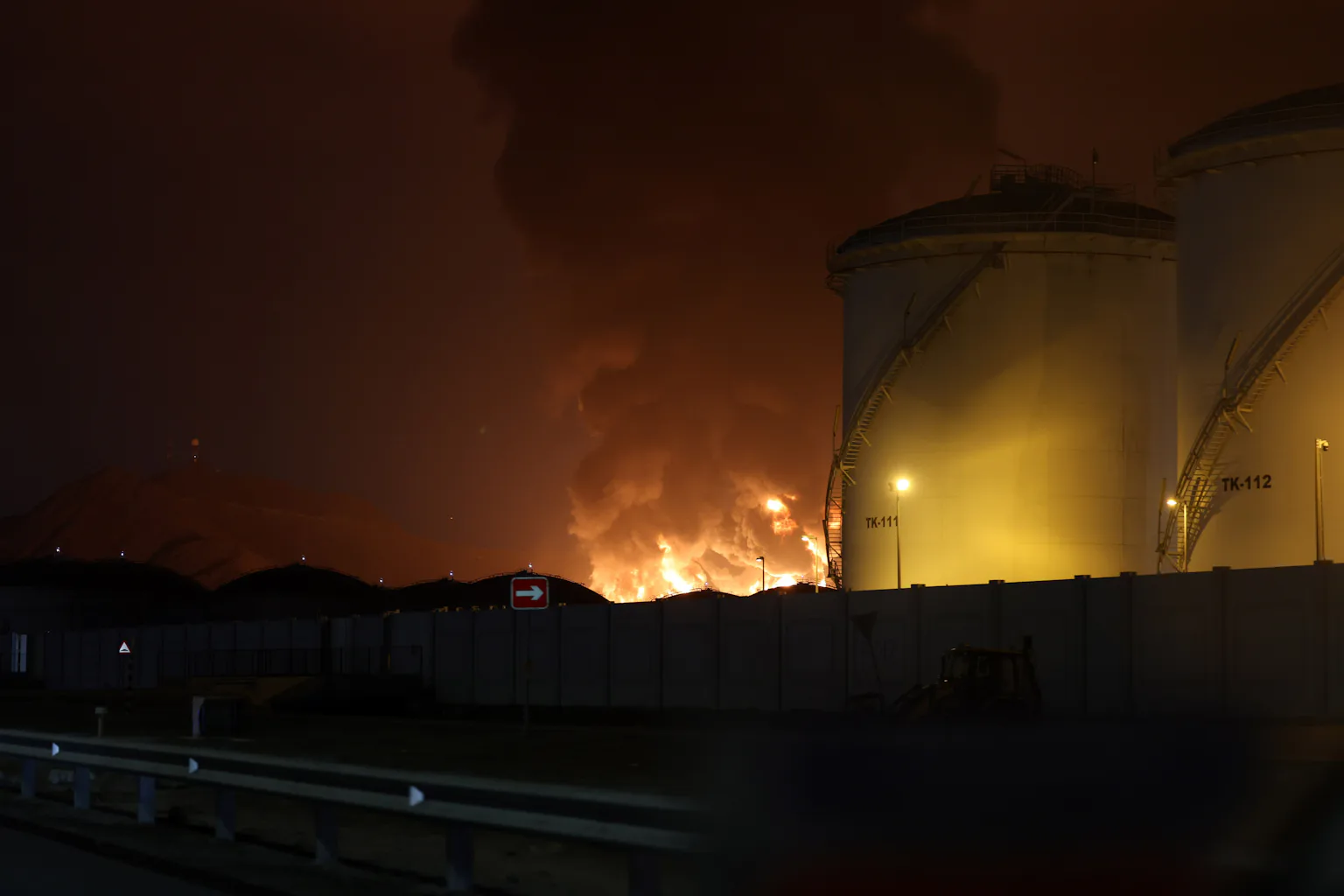
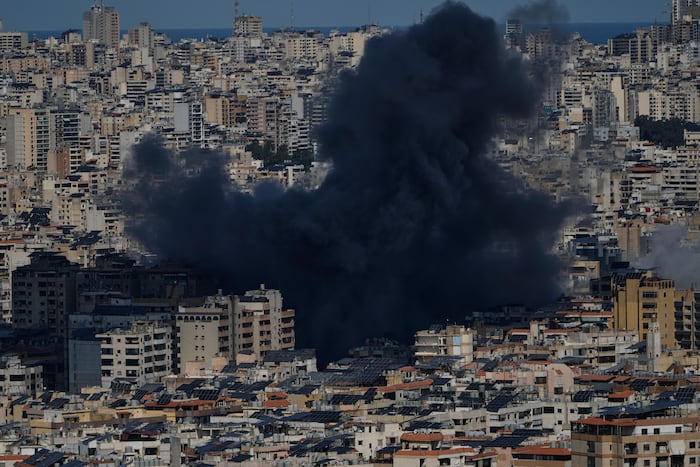
The conflict's expansion to Lebanon and airspace closures across Bahrain, Saudi Arabia, UAE, Qatar, and Kuwait create secondary logistics disruptions. Sellers with inventory in Gulf distribution centers or relying on Middle Eastern fulfillment hubs face force majeure declarations (as seen with Bahrain's Bapco refinery). The US State Department's evacuation of non-emergency staff from Saudi Arabia signals potential further restrictions on business operations in the region. For sellers targeting Middle Eastern markets—a $45B+ e-commerce opportunity—the conflict creates both immediate cost pressures and longer-term market access uncertainty. Sellers must immediately audit their shipping routes, renegotiate carrier contracts with fuel surcharge caps, and consider inventory repositioning to Southeast Asian or European fulfillment centers to avoid the disrupted corridor.
Questions 8
Are there tariff or trade policy changes related to the Middle East conflict affecting sellers?
The conflict has not yet triggered formal tariff changes, but several policy risks are emerging. The US State Department's Saudi Arabia evacuation could lead to trade restrictions or sanctions on Iranian goods (already heavily restricted). Gulf nations may implement emergency import duties or customs delays. Sellers should monitor US Treasury OFAC sanctions lists for Iran-related restrictions and avoid any inventory sourcing from Iran. The conflict may accelerate US-Gulf trade agreements (UAE, Saudi Arabia) with tariff reductions on specific categories, creating opportunities for sellers positioned in those markets. Track official announcements from USTR and Gulf Cooperation Council (GCC) for policy changes affecting tariff codes HS 8704-8708 (vehicles), HS 6204-6206 (apparel), and HS 8471-8517 (electronics).
Which product categories are most vulnerable to shipping cost increases?
Heavy, low-margin categories are most vulnerable: industrial equipment, machinery, raw materials, and bulk goods where shipping represents 20-30% of product cost. Electronics, fashion, and perishables face 10-15% margin compression due to air freight premiums. Conversely, high-margin categories (jewelry, luxury goods, collectibles) can absorb cost increases through price adjustments. Sellers in vulnerable categories should consider temporary delisting of low-margin SKUs, consolidating shipments to reduce per-unit costs, or shifting to slower ocean freight for non-time-sensitive items. Categories with 15-20% margins should implement 5-8% price increases immediately; those with <10% margins should reduce inventory exposure.