



Strait of Hormuz Disruption Reshapes Cross-Border Logistics Costs | Seller Q2 2026 Planning
- Oil prices swing $27.80/barrel in 24 hours; shipping costs remain 25% elevated; India's LPG crisis signals sustained supply chain pressure through Q2 2026











Overview
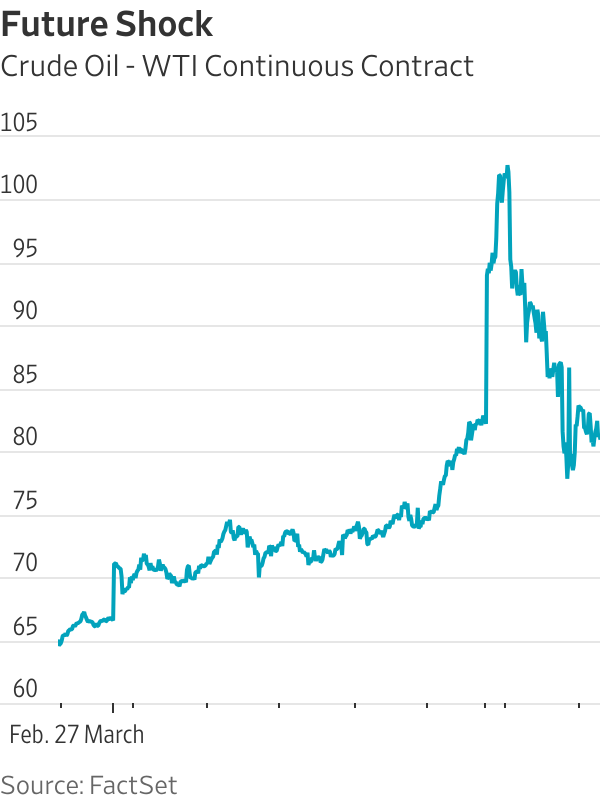
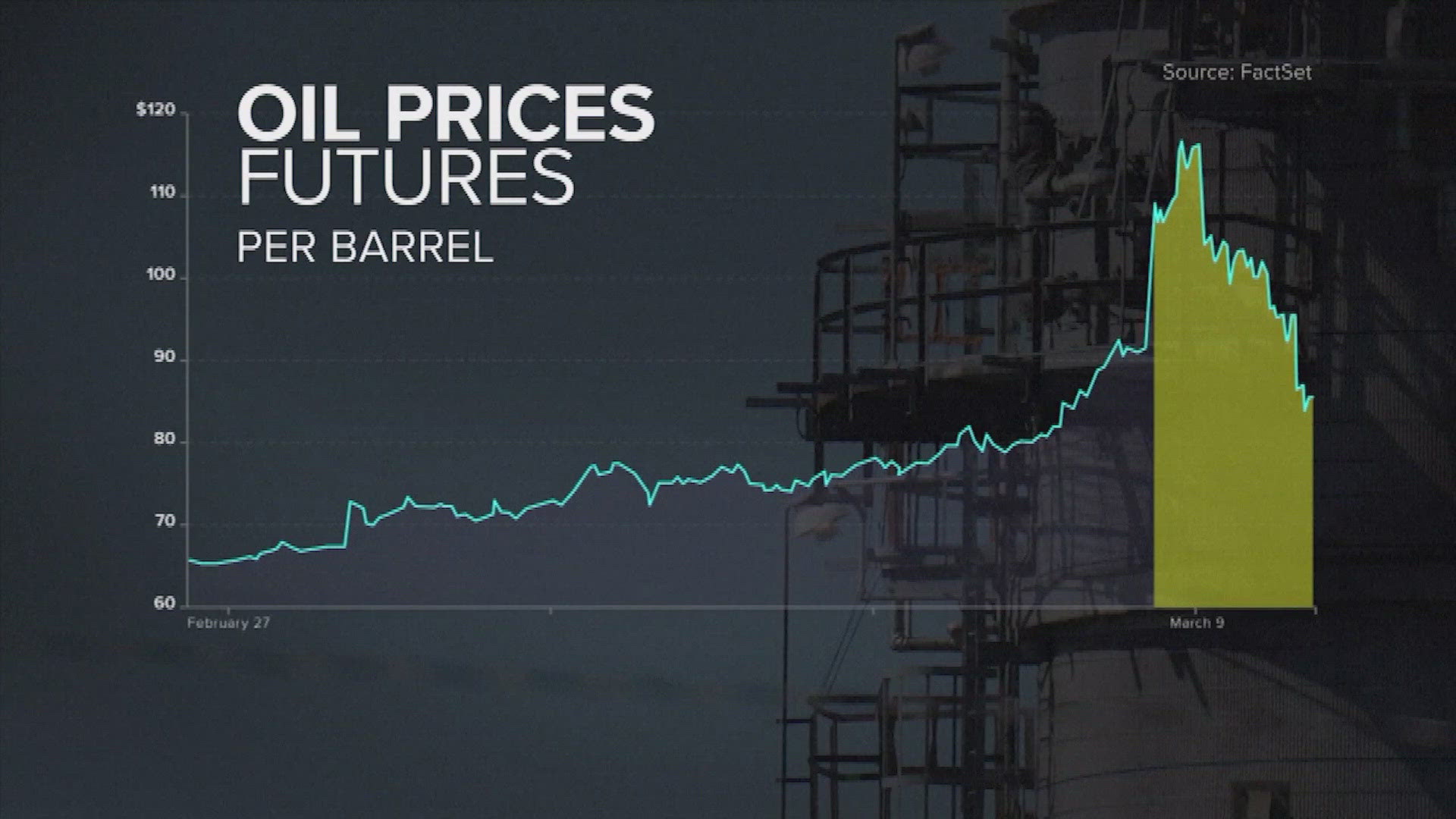
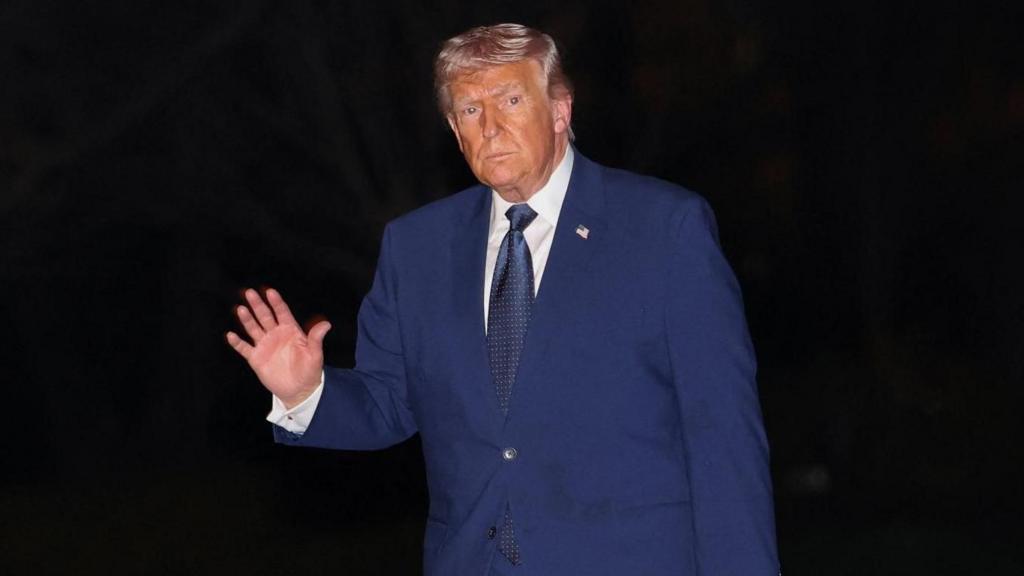
The Middle East conflict and Strait of Hormuz disruption create a critical inflection point for cross-border e-commerce sellers in Q2 2026. Between March 9-10, 2026, Brent crude oil plummeted from a four-year high of $119.50 to $91.70 per barrel—a 23% decline—following President Trump's announcement that the U.S.-Iran conflict would conclude "very soon." However, this apparent relief masks persistent supply chain vulnerabilities that will constrain seller profitability through mid-2026.
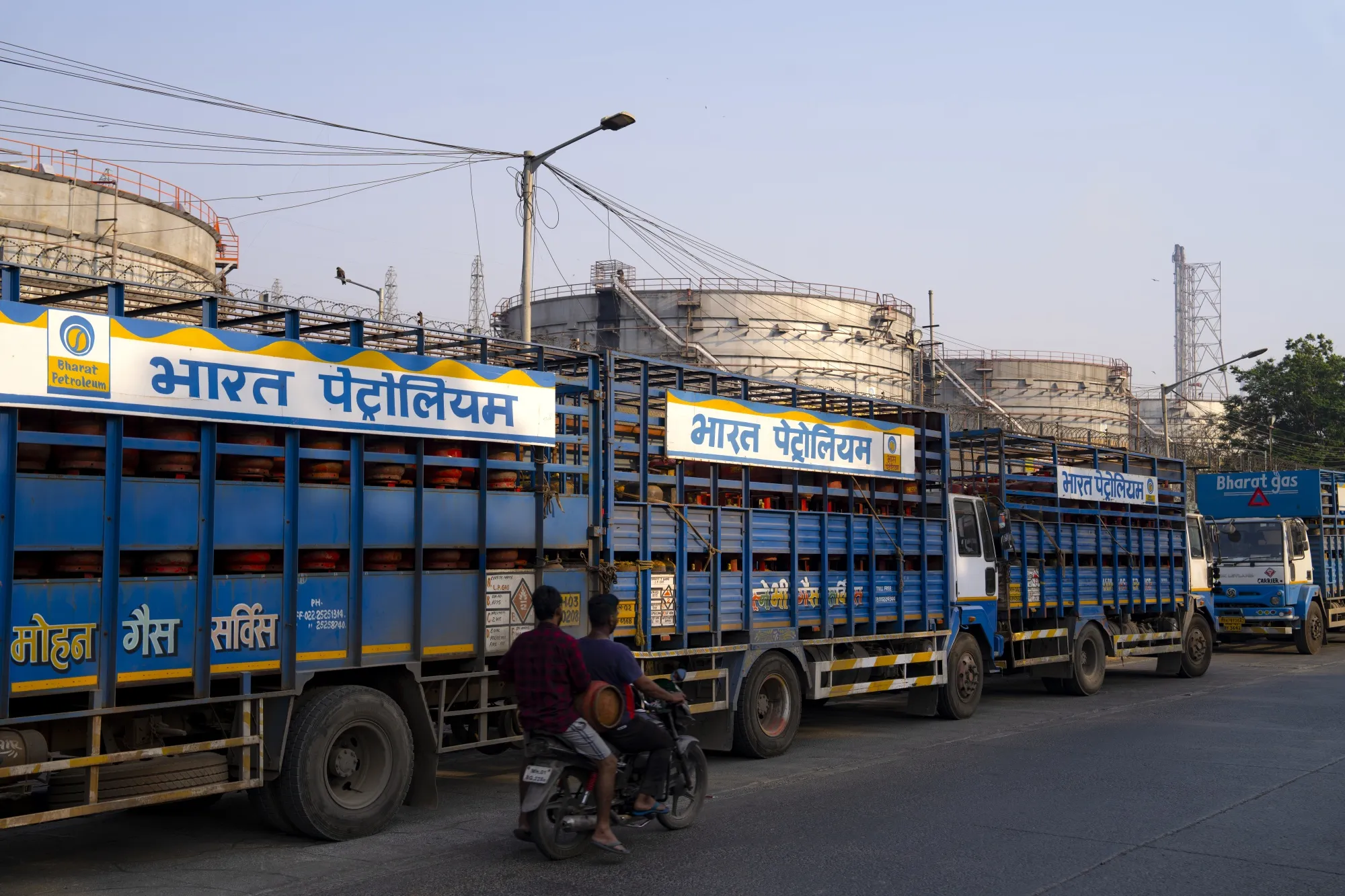
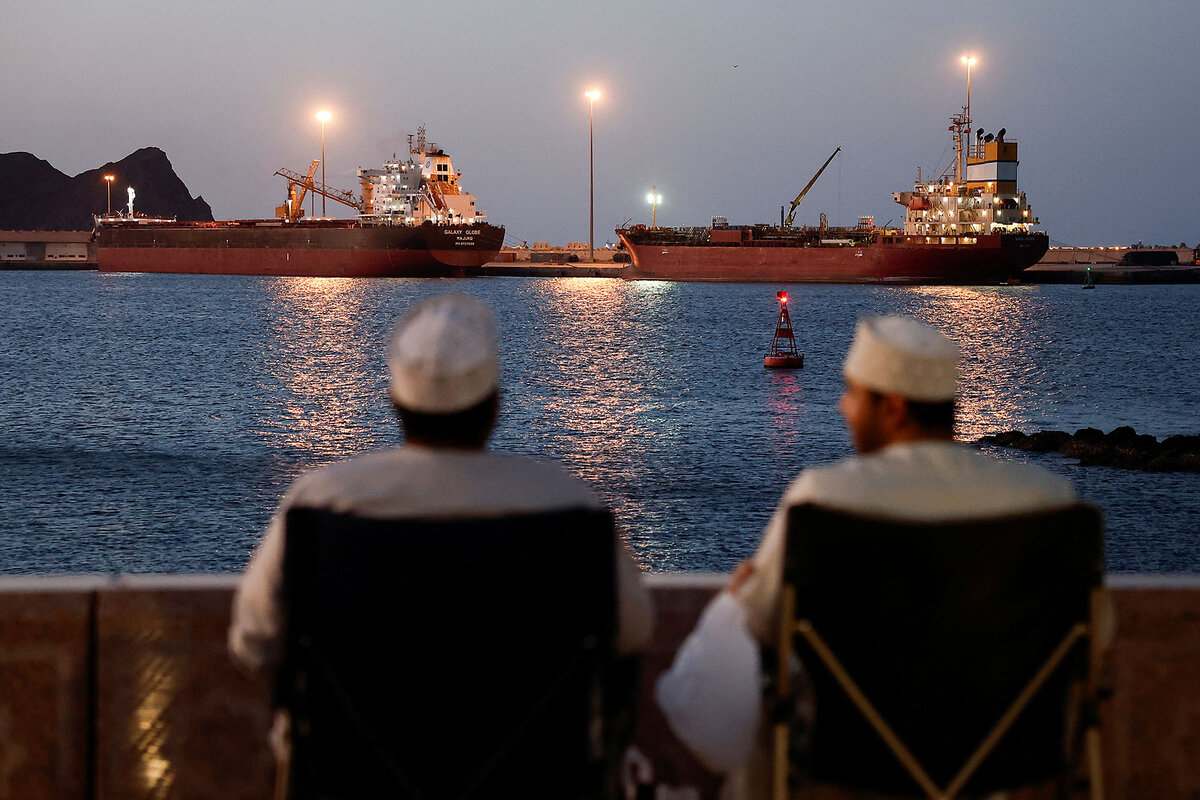
The core operational impact centers on three interconnected supply chain pressures. First, the Strait of Hormuz—which handles approximately 21% of global petroleum trade and significant container traffic—remains effectively closed, with the Pentagon still examining escort options. Second, India's LPG crisis exemplifies the structural vulnerability: as the world's third-largest oil consumer and fourth-largest refiner, India imports nearly two-thirds of its LPG from Middle Eastern sources. With the Strait blocked, LPG inventories are thinning rapidly, consumer wait times have extended from 21 to 25 days, and the government raised LPG prices for the first time in a year—a politically sensitive move affecting 333 million household kitchens. Third, while oil prices declined 23% from peak levels, they remain trading 25% higher than pre-conflict baseline, maintaining sustained pressure on freight forwarding costs, warehouse operations, and last-mile delivery expenses.
For cross-border sellers, the financial impact is quantifiable and immediate. Sellers relying on air freight or expedited shipping face continued cost pressures despite the recent price decline. The $27.80 per barrel drop provides temporary relief—potentially reducing shipping costs by 8-12% for sellers moving 1,000+ units monthly—but this benefit is offset by the Strait of Hormuz closure extending beyond one week. Logistics costs for Asia-to-Europe and Asia-to-America trade routes face elevated insurance premiums and potential shipping delays. India-based sellers and those sourcing from Indian suppliers face particular vulnerability: LPG supply constraints will increase manufacturing costs for food, beverage, and hospitality-related products, while the government's prioritization of household kitchens over commercial operations signals constrained supply for food service equipment and related categories.
The geopolitical uncertainty creates planning challenges for Q2 2026 inventory and pricing strategies. Trump's simultaneous threat that Iran would be "hit TWENTY TIMES HARDER" if it disrupts oil flow indicates sustained volatility despite the announced conflict conclusion. Defense Secretary Pete Hegseth's ambiguous timeline—stating "our will is endless" while Trump controls duration—suggests the Strait of Hormuz may remain partially disrupted through April-May 2026. This creates a critical window: sellers must lock in shipping contracts and adjust pricing models before further escalation, but cannot assume sustained low oil prices. The temporary waiver of oil-related sanctions to ease shortages, with implications for Russian oil purchases by Indian refiners, suggests government intervention may stabilize prices but cannot guarantee supply continuity.
Questions 8
How much will shipping costs increase for cross-border sellers through Q2 2026?
Shipping costs remain elevated despite the 23% oil price decline from peak levels. While the $27.80 per barrel drop provides 8-12% relief for sellers moving 1,000+ units monthly via air freight, costs continue trading 25% higher than pre-conflict baseline. The Strait of Hormuz closure extends beyond one week, maintaining insurance premiums and potential delays for Asia-Europe and Asia-America routes. Sellers should expect sustained 15-20% cost premiums through April-May 2026 before normalization, with potential for further escalation if Trump's threat of intensified attacks materializes.
How does India's LPG crisis affect sellers sourcing from or selling to India?
India's LPG supply crisis creates dual pressure on sellers. First, India-based manufacturers face increased production costs as LPG inventories thin rapidly and prices rise for the first time in a year. The government has curtailed supplies to hotels and restaurants, prioritizing 333 million household kitchens, constraining commercial supply. Second, sellers targeting Indian consumers face reduced purchasing power as LPG price increases affect household budgets, particularly impacting women voters. Consumer wait times for LPG refills have extended from 21 to 25 days, signaling broader supply chain stress. Sellers should expect 10-15% cost increases from Indian suppliers and potential demand softening in price-sensitive categories through Q2 2026.