





Oracle's $50B AI Bet & Cloud Infrastructure Shift | E-Commerce Seller Infrastructure Risk
- Oracle Cloud Infrastructure growth slows to 8% amid $14B quarterly capex; sellers relying on OCI face potential pricing pressure and service reliability concerns through 2028










/Oracle%20Corp_%20office%20logo-by%20Mesut%20Dogan%20via%20iStock.jpg)




















Overview
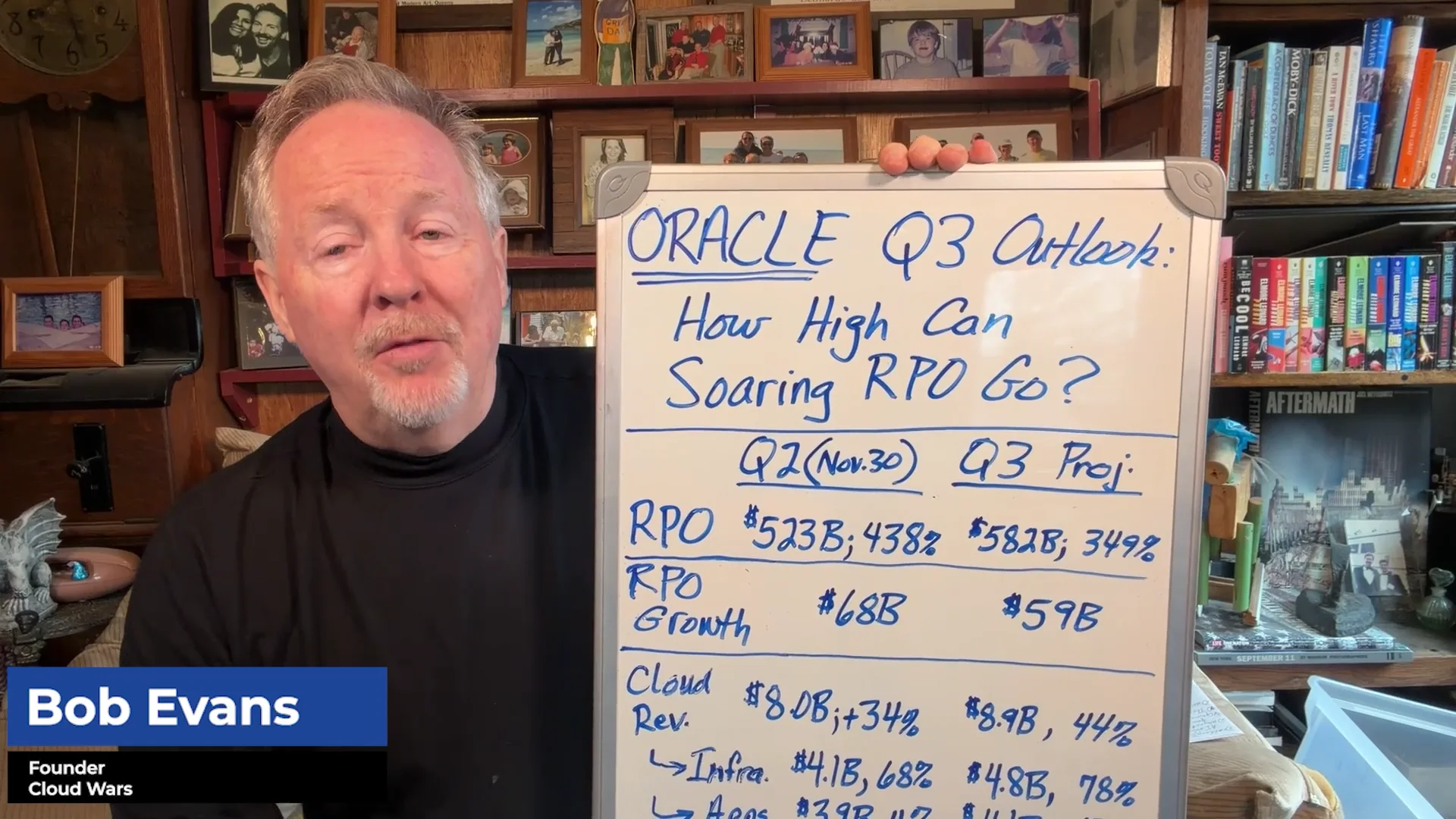
Oracle's massive $50 billion AI infrastructure investment and cloud pivot directly impact e-commerce sellers who depend on Oracle Cloud Infrastructure (OCI) for backend operations, supply chain management, and enterprise resource planning systems. The company reported $16.2 billion in Q3 sales with 8% Oracle Cloud Infrastructure growth—significantly below enterprise software standards—while burning $8.1 billion in negative free cash flow due to $14 billion quarterly capital expenditures. This aggressive infrastructure buildout signals Oracle is prioritizing AI data center capacity over profitability, with adjusted operating margins expected to decline from current 42% to approximately 33% by fiscal 2028.
For e-commerce sellers using OCI services, this represents both opportunity and risk. The opportunity: Oracle's $56 billion in remaining performance obligations and $18 billion in net new commitments indicate strong enterprise demand for cloud infrastructure, suggesting OCI will receive sustained investment and feature development. The risk: Oracle's negative free cash flow (-$8.1B quarterly), canceled 600-megawatt Texas data center expansion, and reported job cuts signal potential service disruptions, delayed feature releases, and possible pricing increases to offset margin compression. Sellers should monitor Oracle's quarterly earnings for OCI growth rates—the current 8% trajectory is concerning compared to AWS (20%+ growth) and Azure (29%+ growth), suggesting Oracle may need to raise prices or reduce service quality to improve margins.
AI automation opportunity for sellers: E-commerce businesses using OCI can immediately implement AI-powered cost optimization tools to audit infrastructure spending and identify waste before Oracle implements pricing increases. Tools like CloudHealth or Densify can analyze OCI usage patterns and recommend consolidation strategies, potentially saving 15-25% on cloud costs. Additionally, sellers should automate infrastructure monitoring using AI-driven alerting systems to detect service degradation early—critical for preventing inventory management and order processing failures. The competitive advantage goes to sellers who migrate non-critical workloads to lower-cost providers (AWS, Azure, Google Cloud) while maintaining OCI for specific use cases where Oracle has differentiation, creating a multi-cloud strategy that reduces dependency risk.
Strategic implications: Oracle's margin pressure through 2028 creates a 3-5 year window where sellers can negotiate better OCI pricing or lock in current rates before Oracle raises prices to restore profitability. Sellers should request volume discounts or multi-year commitments now while Oracle is focused on growing remaining performance obligations rather than maximizing near-term margins. The canceled Texas data center expansion (potentially saving Oracle $20B capex) suggests the company may consolidate infrastructure in fewer regions, which could increase latency for sellers in underserved geographic areas—a critical consideration for cross-border sellers managing inventory across multiple regions.
Questions 7
How does Oracle's 8% Cloud Infrastructure growth compare to AWS and Azure for e-commerce sellers?
Oracle Cloud Infrastructure grew only 8% in Q3 while AWS maintains 20%+ growth and Azure achieves 29%+ growth, indicating Oracle is losing market share in cloud infrastructure. For e-commerce sellers, this slower growth suggests Oracle may prioritize profitability over feature development and competitive pricing. Sellers should evaluate whether OCI's feature set justifies staying with a slower-growing platform versus migrating to AWS or Azure, which invest more heavily in AI/ML capabilities for e-commerce use cases like demand forecasting and dynamic pricing. The growth disparity also signals Oracle may raise prices to offset margin pressure, making now the time to negotiate multi-year contracts at current rates.
What does Oracle's negative $8.1B free cash flow mean for service reliability and pricing?
Oracle's negative free cash flow indicates the company is spending more on capital expenditures ($14B quarterly) than it generates from operations, forcing it to fund the AI infrastructure buildout through debt or asset sales. For e-commerce sellers, this creates two risks: (1) potential service disruptions if Oracle cuts costs by reducing data center redundancy or support staff, and (2) likely price increases within 12-24 months as Oracle needs to restore positive cash flow. Sellers should immediately audit their OCI spending, document current pricing, and establish contingency plans to migrate critical workloads to AWS or Azure if Oracle raises prices more than 10-15% annually. The canceled Texas data center expansion suggests Oracle may consolidate infrastructure, potentially increasing latency for sellers in underserved regions.