
PlayStation 6 AI Graphics Patent Signals Gaming Hardware Upgrade Cycle | Seller Opportunity
- Sony's next-gen console patent reveals AI upscaling innovation targeting 120fps performance; creates 18-24 month product launch window for gaming accessory sellers and content creators
.jpg)


Overview
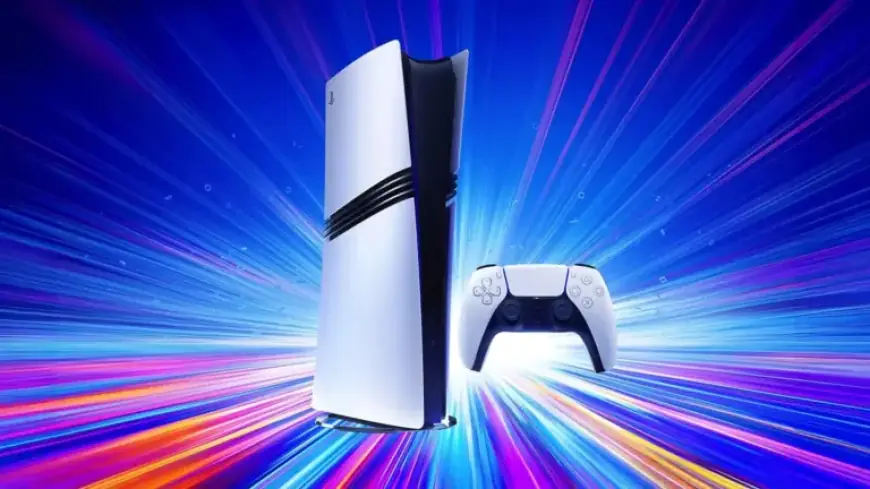
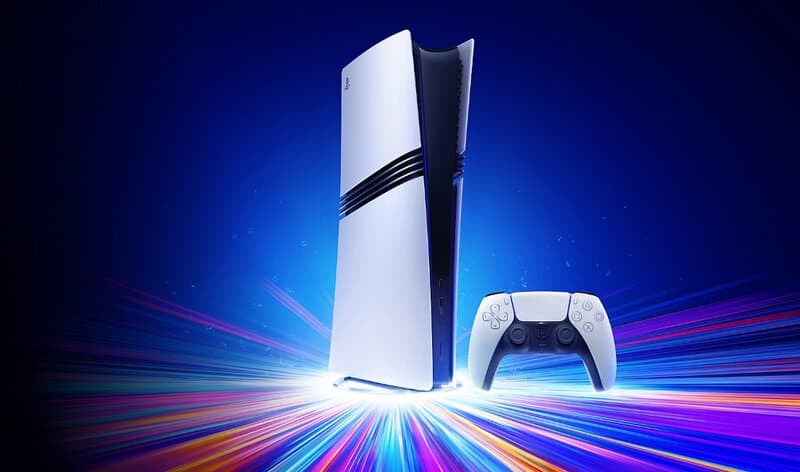
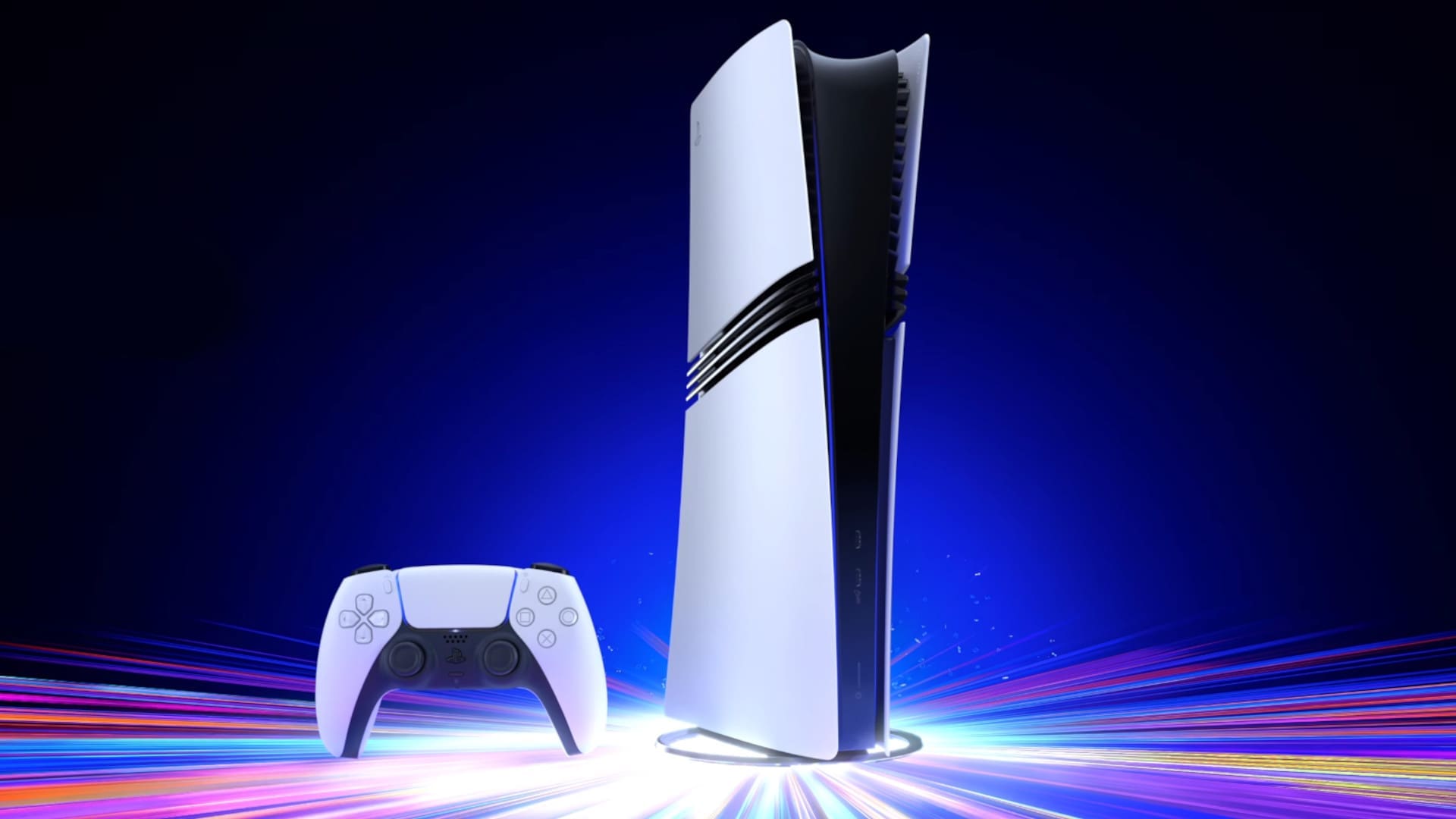
Sony Interactive Entertainment's newly filed patent for an AI-powered upscaling system represents a significant technical evolution in gaming graphics processing, with direct implications for the consumer electronics and gaming accessory markets. The patent describes a dynamic model precision adjustment system that maintains stable frame rates by scaling machine learning algorithm quality in real-time, rather than reducing rendering resolution through traditional dynamic resolution scaling (DRS). This technology is speculated to power future PlayStation Super Resolution implementations, potentially appearing in next-generation consoles like PlayStation 6 rather than current hardware, signaling a product launch window of 18-24 months minimum.
The technical approach stores multiple upscaling model versions at different precision levels, allowing seamless switching based on frame time requirements. While the patent demonstrates Sony's commitment to advanced neural rendering, industry experts emphasize that patents frequently represent exploratory intellectual property preservation rather than guaranteed product features. The practical utility remains limited in standard scenarios—traditional DRS reclaims approximately 8 milliseconds of GPU time compared to the estimated 2 milliseconds saved by adjusting upscaler precision at 60fps with 16-millisecond frame budgets. However, the technique becomes significantly more relevant for specialized gaming scenarios: extremely high frame rate targets (120fps) where each frame has only 8.3 milliseconds available, making 2ms savings substantially more meaningful; compute-limited games constrained by ray tracing rather than pixel throughput; and situations where DRS causes visual artifacts when combined with reconstruction techniques.
For e-commerce sellers, this patent signals multiple market opportunities: Gaming accessory manufacturers should prepare product roadmaps for PS6-compatible peripherals (controllers, headsets, cooling solutions) with 18-24 month lead times. Content creators and streaming equipment sellers can anticipate demand for 120fps-capable capture cards and high-refresh-rate monitors as PS6 adoption accelerates. The emphasis on advanced ray tracing and neural image generation suggests premium gaming setups will command higher price points, benefiting sellers in the high-end gaming category. Similar concepts already exist in NVIDIA's DLSS implementation using lighter model versions, indicating this represents industry-standard evolution rather than revolutionary technology. Sellers should monitor PlayStation's official announcements and developer documentation for confirmed PS6 specifications, as patents frequently diverge from final product implementations. The 18-24 month timeline provides adequate runway for inventory planning and supplier relationship development in gaming peripherals, which typically see 30-40% sales increases during major console launch cycles.
Questions 8
How does Sony's AI upscaling patent compare to NVIDIA's DLSS technology?
Sony's patent describes similar concepts to NVIDIA's DLSS implementation, which uses lighter neural network model versions to maintain performance while preserving visual quality. Both systems dynamically adjust model precision based on rendering load, though Sony's approach emphasizes switching between pre-stored model versions rather than real-time quantization. DLSS is already proven in PC gaming, generating $2.1B+ in compatible GPU sales annually. Sony's patent suggests PlayStation will adopt comparable technology, potentially creating cross-platform compatibility opportunities for sellers offering gaming solutions optimized for both PC (DLSS) and console (PlayStation AI upscaling). This convergence indicates the gaming market is standardizing on AI-assisted rendering, making it a critical feature for premium gaming products through 2025-2027.
What is the practical performance benefit of AI upscaling versus traditional resolution scaling?
The patent reveals that traditional dynamic resolution scaling (DRS) reclaims approximately 8 milliseconds of GPU time by reducing resolution from 1440p to 720p, while AI upscaler precision adjustment saves only about 2 milliseconds at 60fps with 16-millisecond frame budgets. This 2ms savings provides minimal performance margin in standard gaming scenarios. However, at 120fps targets (8.3 milliseconds per frame), the 2ms savings becomes 24% of the frame budget—substantially more meaningful. The technique is most valuable for compute-limited games using ray tracing rather than pixel throughput. For sellers, this means PS6 games will likely use hybrid approaches combining both DRS and AI upscaling, requiring accessories optimized for variable performance profiles rather than fixed specifications.