



Lebanon-Israel Tensions Threaten Regional Stability
- Fragile Ceasefire Unravels as Diplomatic Efforts Falter Under Military Pressure




Overview
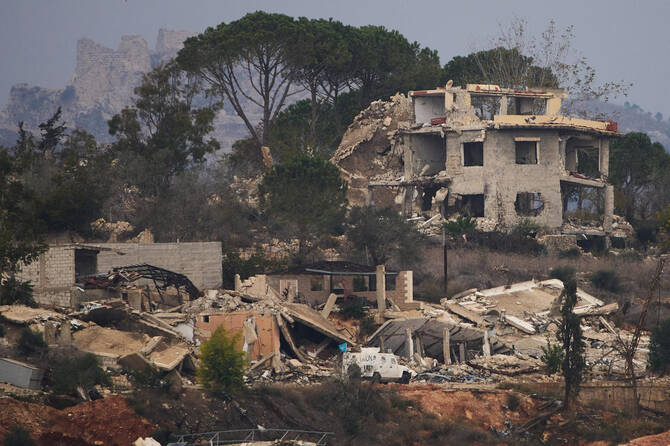
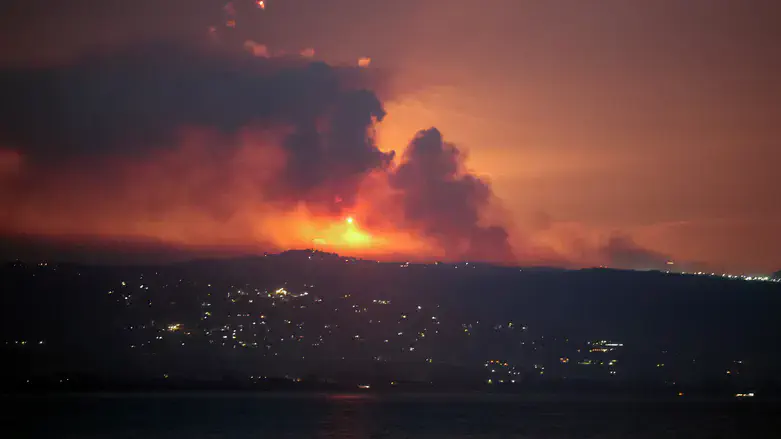
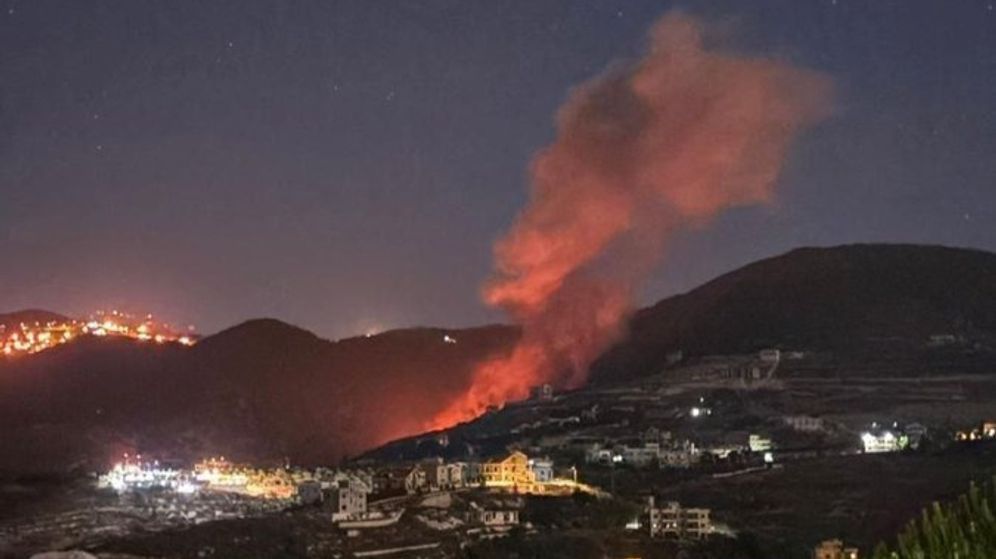
The Middle East diplomatic landscape is experiencing a critical inflection point as Israel's military actions in Lebanon threaten to unravel the delicate 2024 US-brokered ceasefire. With 127 civilian casualties reported since the agreement's inception, the escalating conflict reveals deep-seated tensions that challenge international mediation efforts.
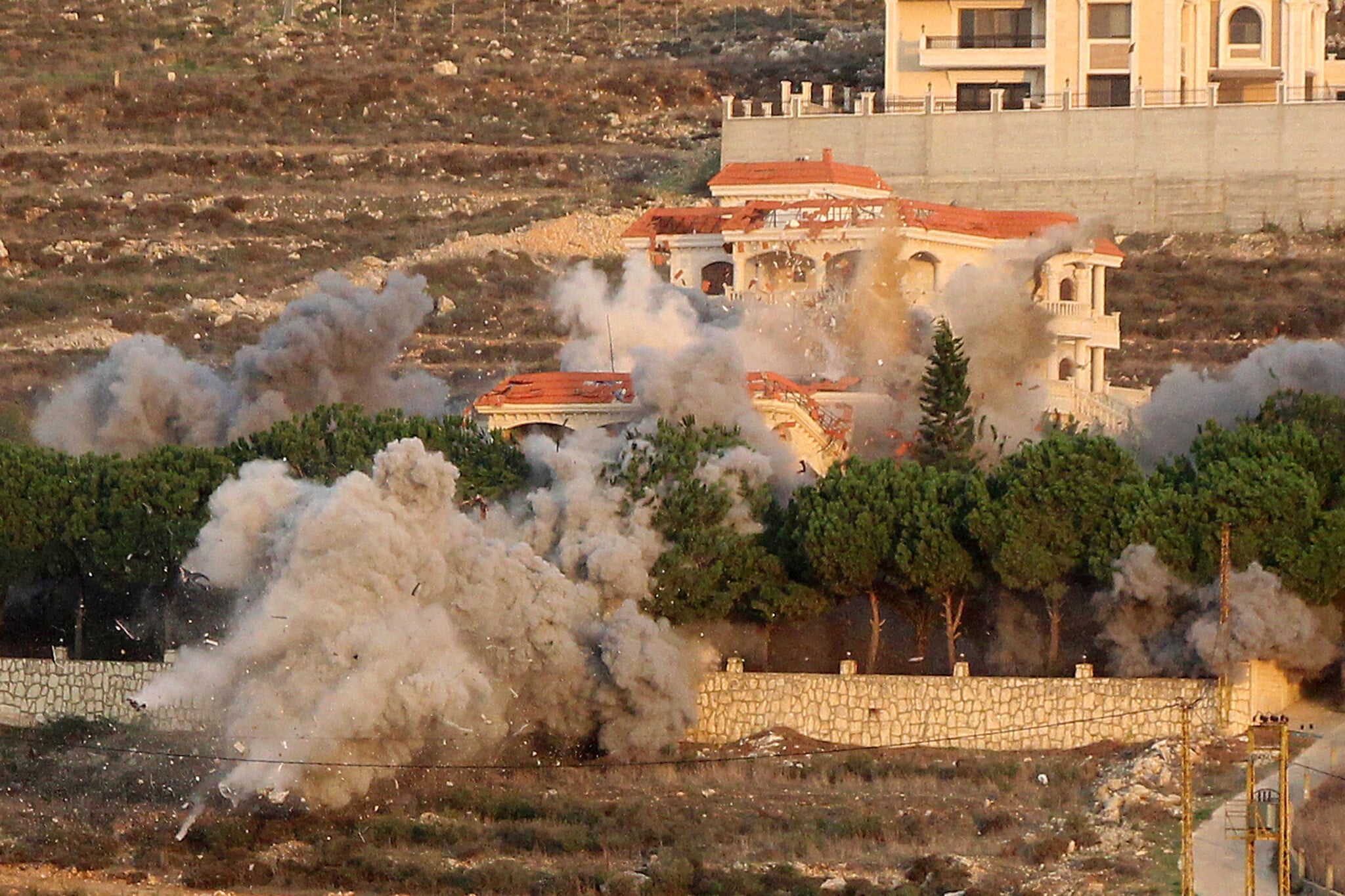
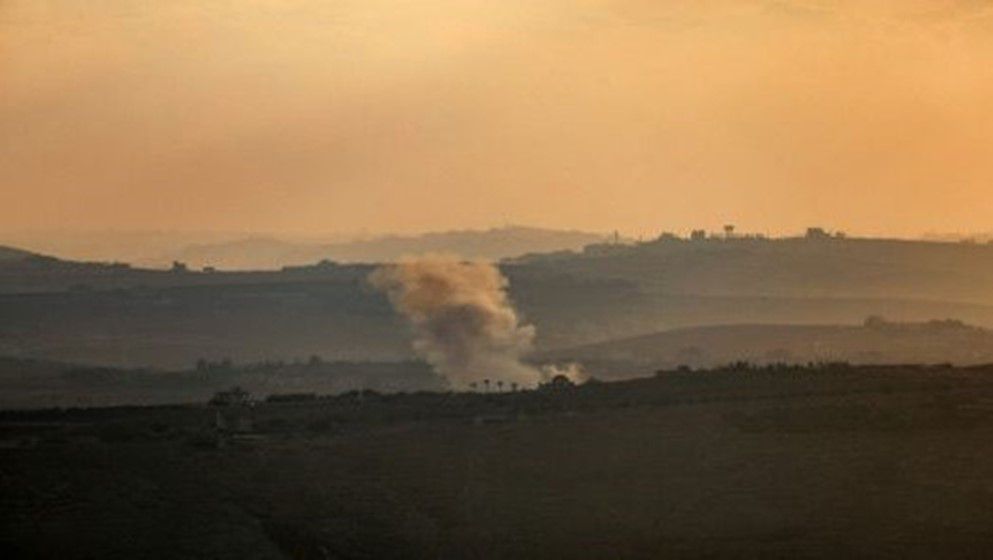
Strategic Military Dynamics are driving this volatile situation. Israel's repeated air strikes in southern Lebanon, targeting Hezbollah positions, demonstrate a calculated approach to maintaining military pressure despite diplomatic agreements. The UN's casualty reporting underscores the humanitarian cost of these strategic calculations, highlighting the complex interplay between military objectives and civilian safety.
The geopolitical implications extend far beyond immediate territorial concerns. These military actions signal a broader pattern of strategic brinkmanship, where traditional diplomatic channels are increasingly subordinated to military posturing. The US-brokered ceasefire appears more symbolic than substantive, revealing the limitations of external mediation in regions with deeply entrenched historical conflicts.
For regional stakeholders, the current trajectory suggests a high-risk environment where military escalation could rapidly overwhelm diplomatic restraint. The repeated violations of the ceasefire agreement indicate that neither Israel nor Hezbollah view the current diplomatic framework as sufficiently binding or advantageous to their strategic interests.
Critically, this situation demonstrates the fragility of negotiated peace in regions with long-standing territorial and ideological disputes. The international community faces a challenging diplomatic puzzle: how to create sustainable de-escalation mechanisms when military logic consistently undermines peaceful intentions.
Questions 3
What triggered the recent Israeli air strikes in Lebanon?
The strikes appear to be a response to Hezbollah's ongoing military presence near Israel's northern border. The conflict stems from long-standing territorial tensions and strategic military positioning, with Israel seeking to neutralize potential security threats.
What are the potential regional consequences of continued military escalation?
Continued escalation risks broader regional destabilization, potentially drawing in other regional actors and international powers. The humanitarian cost could increase dramatically, and diplomatic channels might become increasingly marginalized in favor of military solutions.