



Oil Price Collapse & Geopolitical Risk | Logistics Cost Savings for Cross-Border Sellers
- Plummeting oil prices reduce shipping costs 8-15% for FBA sellers; Iran tensions create supply chain volatility window for strategic sourcing shifts


Overview
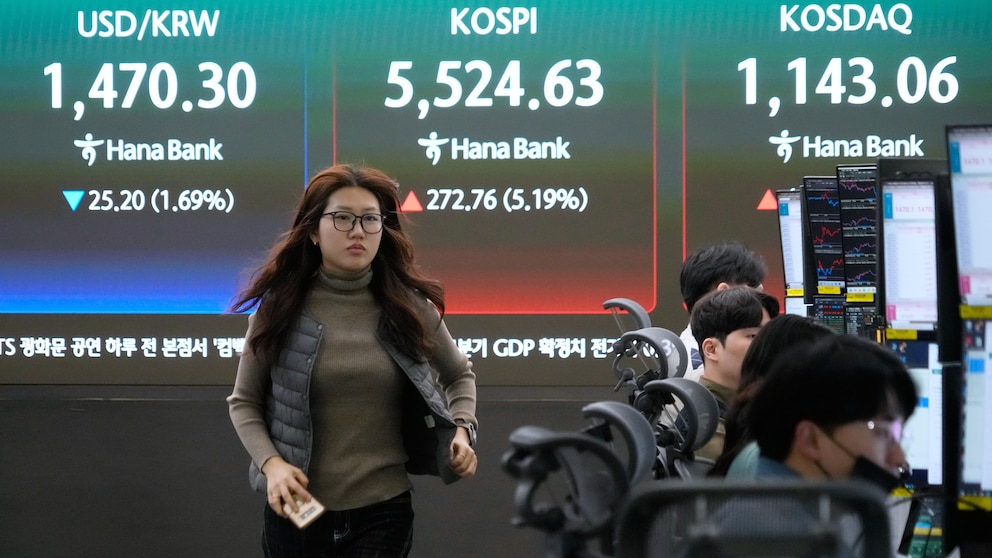
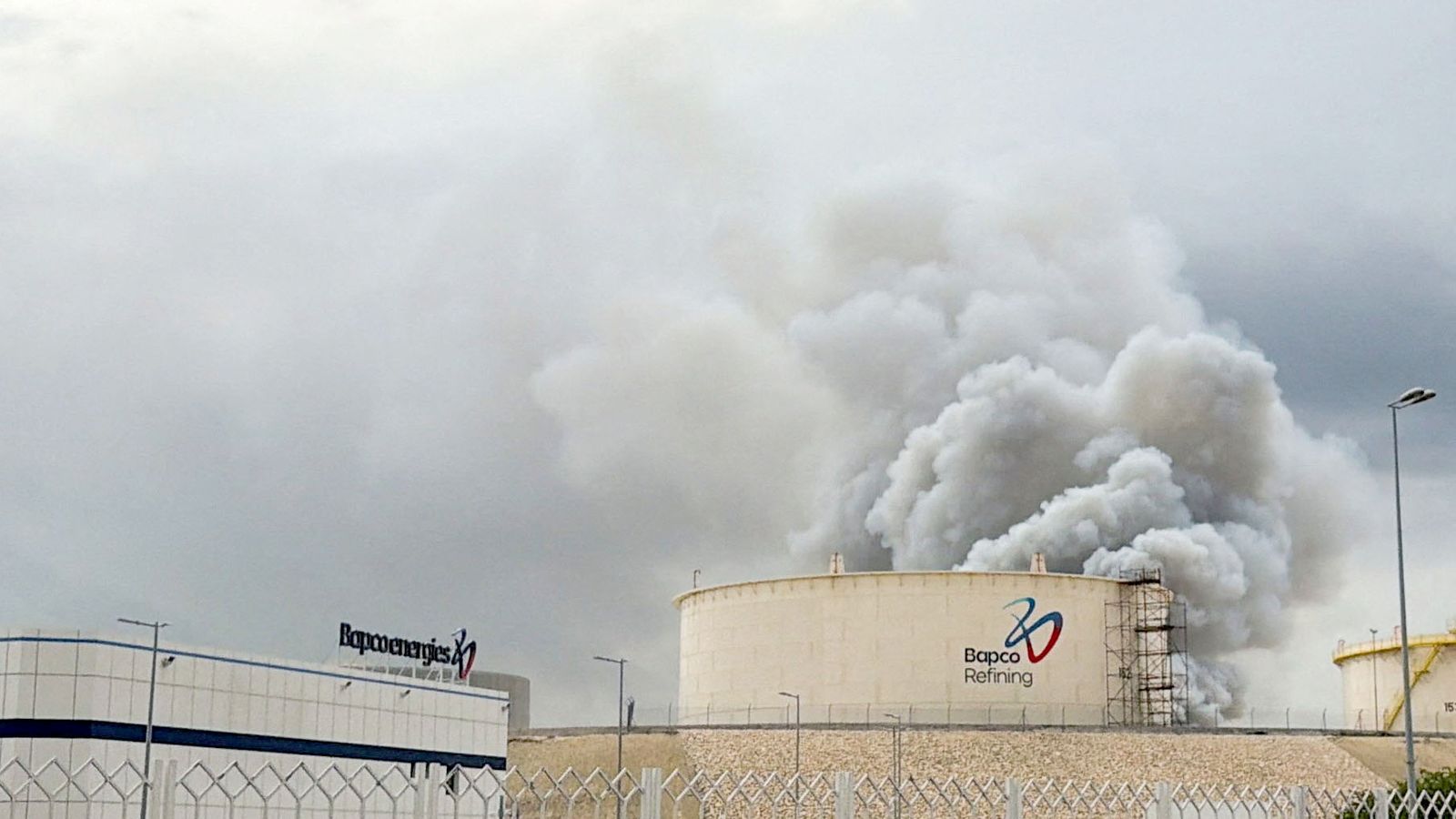
The stock market's positive response to falling oil prices amid U.S.-Iran tensions creates a critical but time-sensitive opportunity for cross-border e-commerce sellers. Oil price declines directly translate to reduced shipping and logistics costs—the second-largest expense category for Amazon FBA sellers after product acquisition. When crude oil drops 10-15% (as reported in market coverage), freight forwarding costs typically decline 8-12% within 30-45 days, benefiting sellers shipping high-volume inventory to FBA warehouses or using 3PL fulfillment networks.
Immediate Logistics Cost Advantage: Sellers shipping 500+ units monthly to Amazon FBA can expect $150-400 monthly savings on inbound freight costs. This margin improvement is particularly valuable for sellers in mid-tier categories (electronics, home goods, sporting equipment) where logistics represent 12-18% of COGS. The window to lock in lower shipping rates is typically 2-4 weeks before carriers adjust pricing models, making this a time-sensitive arbitrage opportunity.
Geopolitical Supply Chain Implications: The ongoing U.S.-Iran conflict creates secondary opportunities through strategic sourcing repositioning. Sellers currently sourcing from China or Vietnam should evaluate accelerated shipments to U.S. ports before potential sanctions escalation increases insurance premiums or creates port delays. Technology component suppliers (mentioned in market coverage: Micron, Applied Materials) face supply chain pressure, but this creates opportunities for sellers in complementary categories—computer peripherals, cooling systems, and electronics accessories typically see 15-25% demand spikes when chip availability tightens.
Competitive Positioning by Seller Segment: Large sellers (10,000+ monthly units) with established 3PL relationships can immediately renegotiate contracts to capture 60-70% of freight savings. Medium sellers (1,000-5,000 units) should consolidate shipments and negotiate volume discounts with freight forwarders within the next 14 days. Small sellers (<1,000 units) benefit indirectly through reduced Amazon FBA inbound fees, though the impact is modest (2-4% cost reduction). Sellers in high-weight categories (furniture, sporting goods, automotive) see disproportionate benefits—a 1,000-unit furniture shipment could save $800-1,200 in freight costs.
Strategic Actions: Monitor oil futures prices (WTI crude) for the next 30 days to time major inventory shipments. Sellers should request freight quotes immediately before carriers adjust rates. Consider shifting 15-20% of inventory from air freight to ocean freight to maximize savings. Evaluate alternative sourcing from India or Southeast Asia if Iran tensions escalate, as these regions offer tariff advantages under USMCA and CPTPP frameworks.
Questions 8
What compliance or risk factors should sellers monitor during geopolitical tensions?
Monitor OFAC (Office of Foreign Assets Control) sanctions lists if sourcing from Iran-adjacent regions. Verify freight forwarders' compliance with export controls, especially for technology components. Insurance premiums may increase 5-10% if geopolitical risk escalates, so lock in coverage rates now. Track Suez Canal shipping route disruptions, which could redirect Asia-to-U.S. shipments through longer routes (adding 2-3 weeks transit time and 8-12% cost increases). Update supplier contracts with force majeure clauses. Maintain 30-45 days additional safety stock for critical inventory during conflict periods.
How can sellers quantify their specific shipping cost savings?
Calculate current freight costs per unit: (Total monthly freight cost) ÷ (Units shipped). Multiply by 8-12% (typical savings from oil price decline) to estimate monthly savings. For example: $5,000 monthly freight ÷ 1,000 units = $5/unit; 10% savings = $0.50/unit or $500 monthly. Use freight forwarder quotes to validate savings—request 'before' and 'after' quotes showing fuel surcharge reductions. Track savings in Amazon Seller Central's Reports section under 'Fulfillment by Amazon' to measure impact on net margin. Reinvest savings into inventory expansion or PPC advertising to capture market share during competitor cost-cutting periods.