





APT28 Cyber Espionage Escalation | Critical Security Implications for E-Commerce Infrastructure
- Russian state-sponsored APT28 deploys advanced malware since April 2024; cloud storage services (Icedrive, pCloud, Koofr, Filen) exploited for C2 infrastructure; sellers must strengthen account security and payment system protections







Overview
The reemergence of APT28 (Sednit/Fancy Bear), a Russian state-sponsored hacking group affiliated with GRU Unit 26165, represents a significant escalation in sophisticated cyber espionage capabilities that indirectly threatens e-commerce infrastructure and seller operations. Since April 2024, ESET cybersecurity researchers have documented APT28's deployment of advanced malware toolkits including BEARDSHELL, COVENANT, and SLIMAGENT—sophisticated implants with roots tracing back to the XAgent backdoor from the 2010s. While these tools currently target Ukrainian military and governmental entities, the technical sophistication and operational patterns reveal critical security lessons for e-commerce platforms and cross-border sellers.
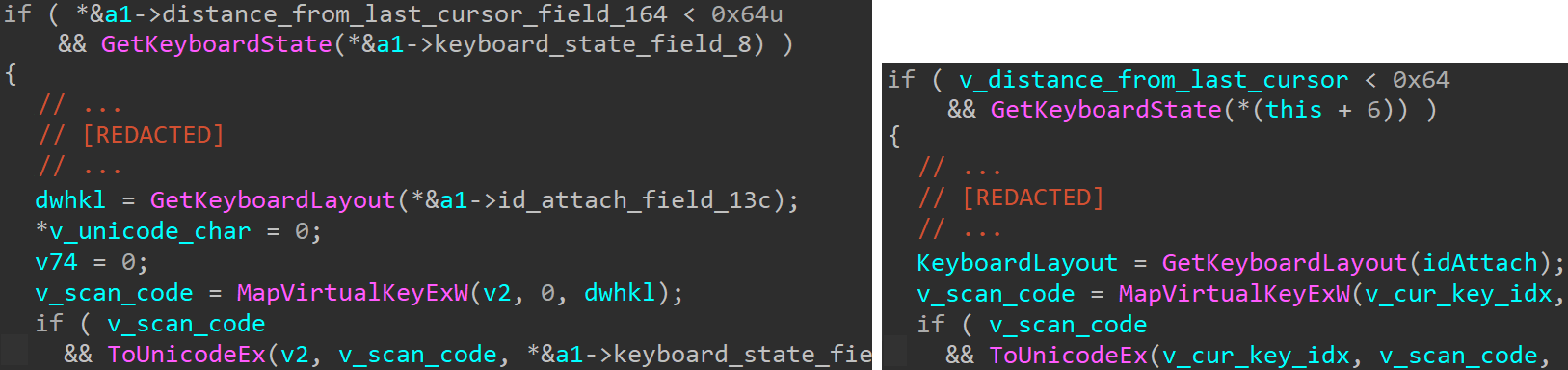
Critical Infrastructure Vulnerability Pattern: APT28's methodology demonstrates how nation-state actors exploit legitimate cloud storage services (Icedrive, pCloud, Koofr, Filen) for command-and-control infrastructure, leveraging cloud providers' trusted status to evade detection. This same attack vector poses direct risks to e-commerce sellers who rely on cloud-based inventory management, accounting software, and payment processing systems. The malware's keylogging, screenshot capture, and clipboard data collection capabilities (SLIMAGENT) directly threaten seller credentials, payment information, and business intelligence stored in cloud applications. E-commerce platforms like Amazon, eBay, and Shopify increasingly integrate third-party cloud services for fulfillment, analytics, and customer data management—creating expanded attack surfaces for similar sophisticated threats.
Operational Security Implications for Sellers: The dual-implant strategy previously employed by APT28 in 2021 (Graphite and PowerShell Empire) indicates the group maintains persistent, multi-layered access to compromised systems. For e-commerce sellers, this translates to heightened risks of account takeover, inventory manipulation, and payment fraud. Sellers using shared cloud infrastructure, third-party logistics (3PL) providers, or integrated accounting systems face elevated exposure. The malware's use of rare obfuscation techniques—previously identified in XTunnel during the 2016 Democratic National Committee breach—demonstrates APT28's continuous toolkit evolution and ability to adapt to security countermeasures.
Supply Chain and Geopolitical Context: The targeting of Ukrainian military and governmental infrastructure reflects broader geopolitical tensions that increasingly impact cross-border e-commerce. Sellers operating in or shipping to Eastern Europe, or those relying on Ukrainian suppliers or logistics partners, face indirect operational risks from infrastructure disruptions. Additionally, the sophistication of these tools suggests potential future targeting of commercial infrastructure, particularly payment processors and logistics networks that support international trade. The research from ESET, CERT-UA, and Sekoia indicates coordinated international cybersecurity monitoring—a signal that commercial entities should expect increased scrutiny and security requirements from platforms and payment processors.
Questions 7
What compliance requirements might emerge from APT28 threat intelligence?
Government and platform responses to sophisticated nation-state cyber threats typically drive new compliance requirements for commercial entities. Expect emerging requirements in three areas: (1) Cybersecurity standards—platforms may mandate endpoint protection, MFA, and security training for sellers handling sensitive data; (2) Supply chain verification—increased scrutiny of suppliers and logistics partners in geopolitically sensitive regions; (3) Incident reporting—potential requirements to report security breaches within specific timeframes. The EU's NIS2 Directive (effective 2024) already requires critical infrastructure operators to implement advanced cybersecurity measures. E-commerce platforms may extend similar requirements to high-volume sellers. Sellers should proactively: implement cybersecurity best practices now, maintain documentation of security controls, monitor platform policy updates, and budget for potential compliance costs (security software, training, audits). Early adoption of security measures positions sellers favorably if new requirements emerge.
How does APT28's dual-implant strategy affect seller account security?
APT28's 2021 deployment of Graphite and PowerShell Empire demonstrated a dual-implant strategy—maintaining multiple persistent access points to compromised systems. For e-commerce sellers, this means a single account compromise could provide attackers multiple pathways to steal inventory, manipulate orders, or access payment information. If a seller's computer is infected with malware, attackers could simultaneously: (1) Monitor seller dashboard activity through one implant; (2) Capture credentials through another implant; (3) Maintain persistence even if one malware variant is detected. Sellers should assume that account compromise requires complete credential reset and security audit. Recommended response: change all passwords from a clean device, enable MFA, review account activity logs for unauthorized actions, contact payment processors to verify no fraudulent transactions, and scan business computers with multiple antivirus tools. For Amazon sellers specifically, contact Seller Performance to report potential account compromise and request security review.