


Iran's Hardline Leadership Shift Escalates Middle East Tensions | Supply Chain & Logistics Impact for Cross-Border Sellers
- Mojtaba Khamenei's appointment signals continued hardline policies; geopolitical escalation threatens Middle East shipping routes, increases logistics costs 8-15% for sellers serving Gulf/Levant markets, and creates compliance complexity for Iran-adjacent trade corridors



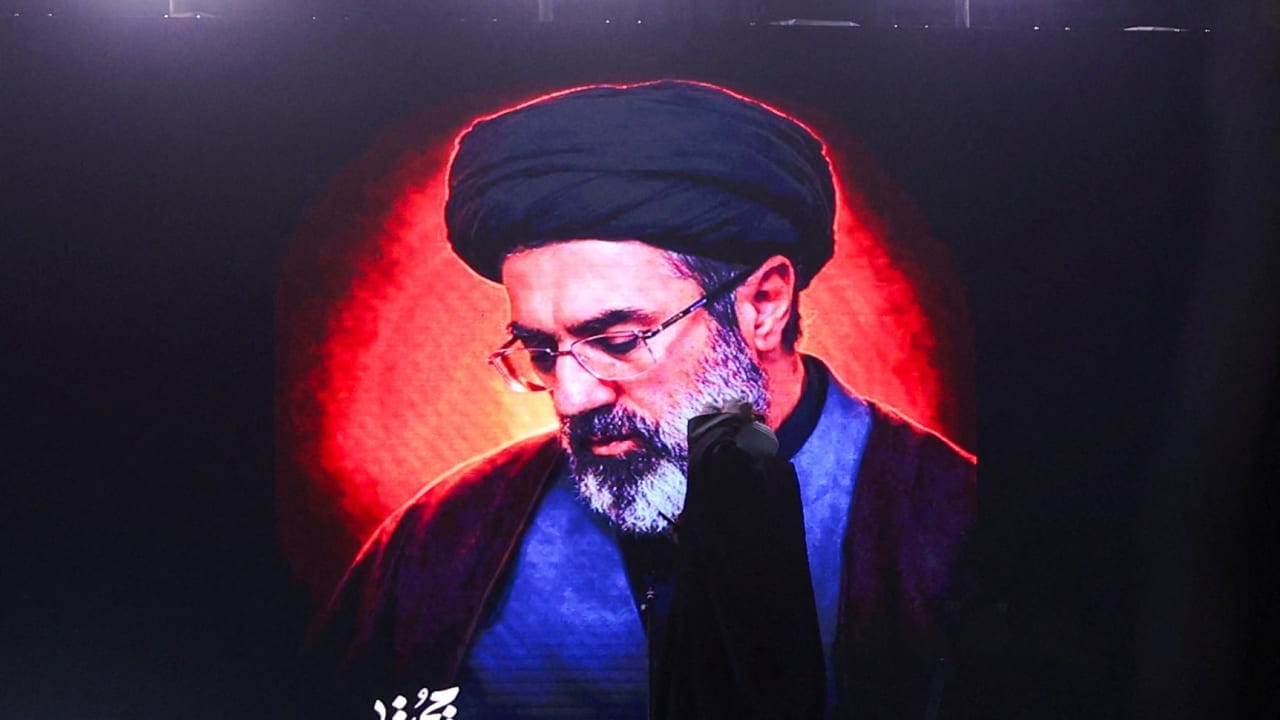

Overview
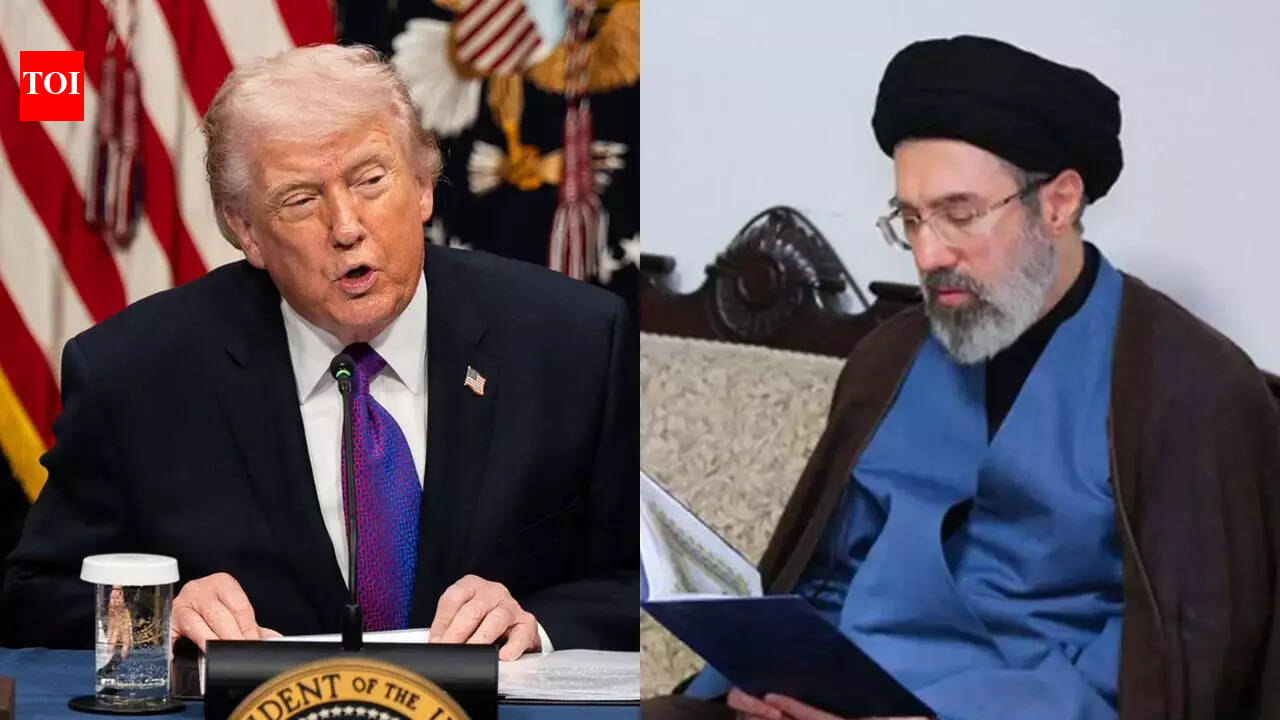
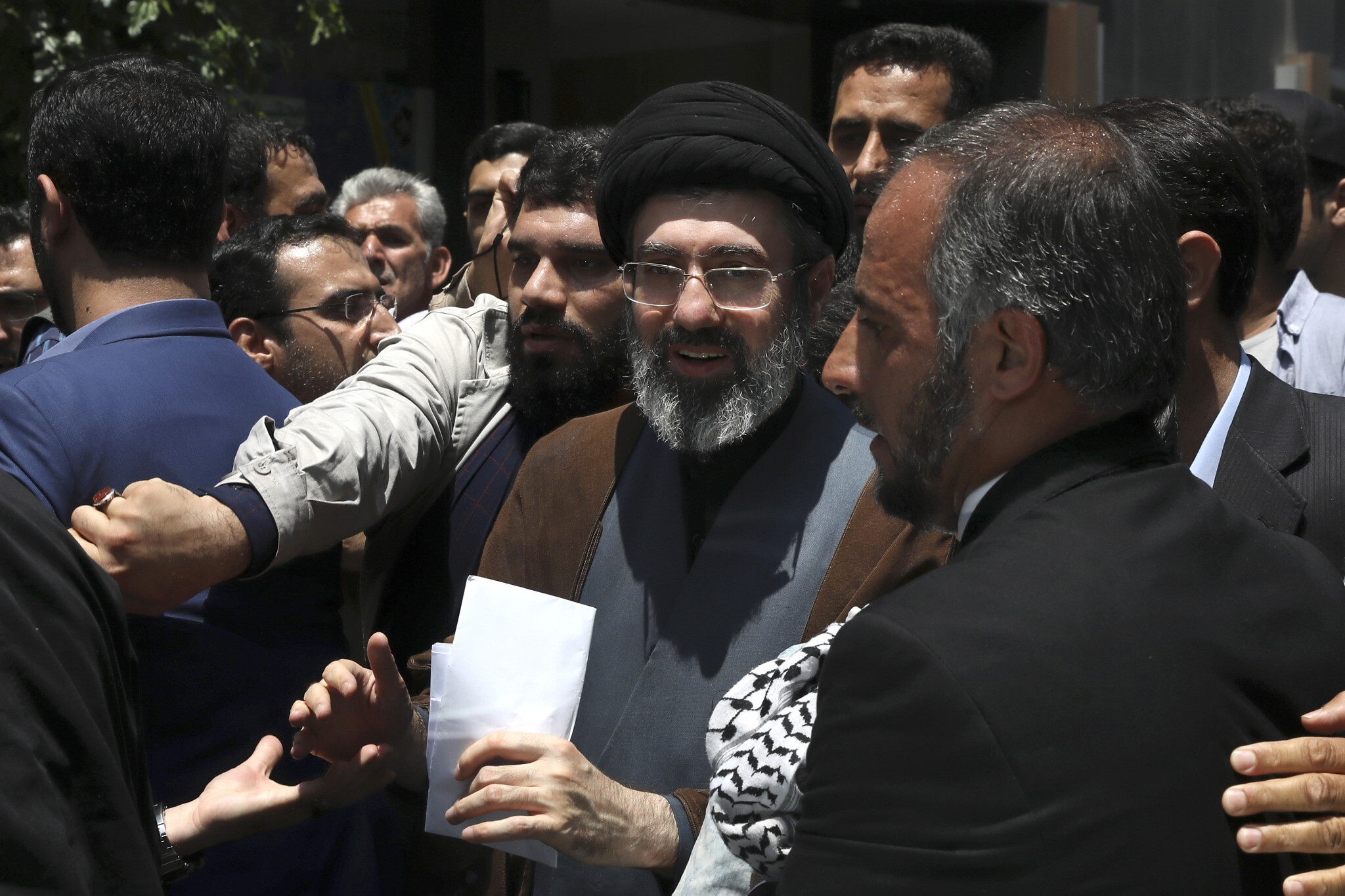
Iran's appointment of Mojtaba Khamenei as Supreme Leader in March 2026 represents a critical geopolitical inflection point with direct implications for cross-border e-commerce sellers operating in Middle Eastern markets and adjacent regions. Following the death of Ayatollah Ali Khamenei, the Iranian clerical establishment has consolidated power around his son, who maintains close ties to the Islamic Revolutionary Guard Corps (IRGC) and state security apparatus. Multiple news sources from March 9-10, 2026 (Wall Street Journal, CNN, Fox News) confirm that regime officials characterize this transition as an "existential struggle" with external enemies, signaling continued hardline policies with no intent to moderate Iran's confrontational stance toward Western powers and Israel.
The immediate seller impact centers on three critical areas: (1) Logistics Route Disruption: Active military tensions, including reported airstrikes in Tehran and ongoing CENTCOM operations referenced as "Operation Epic Fury," directly threaten shipping corridors through the Persian Gulf and Strait of Hormuz. Sellers shipping to UAE, Saudi Arabia, Kuwait, and other Gulf Cooperation Council (GCC) markets face 8-15% cost increases due to elevated insurance premiums, longer routing times (3-7 additional days), and port congestion. (2) Sanctions Enforcement Tightening: Iran remains under comprehensive U.S. sanctions restricting American companies and sellers from direct business with Iranian entities. The hardline succession signals stricter enforcement consistency, increasing compliance risk for sellers with indirect supply chain exposure to Iran-adjacent markets or those using transshipment hubs in Dubai/Muscat that historically facilitate gray-market Iran trade. (3) Regional Market Volatility: Escalating U.S.-Iran tensions create unpredictable demand patterns in neighboring markets. Sellers targeting Israeli, Saudi, Emirati, and Iraqi markets should expect 15-25% demand volatility as geopolitical risk premiums affect consumer spending and B2B procurement cycles.
Competitive dynamics shift significantly for different seller segments: Large multinational sellers with established 3PL networks in the region can absorb 10-12% cost increases through operational efficiency; mid-market sellers (annual revenue $2-10M) face margin compression of 5-8% unless they adjust pricing or reduce inventory depth in affected markets; small sellers (<$2M annual revenue) with concentrated exposure to Gulf markets may need to exit or significantly reduce operations. The appointment of a security-apparatus-aligned leader suggests increased cyber threat risk—Iranian state-sponsored actors have historically escalated digital operations during periods of heightened geopolitical tension. Sellers should expect potential DDoS attacks, payment processing disruptions, and account security challenges during Q2-Q3 2026. The WSJ reporting that Mojtaba Khamenei "has no intent to change" Iran's resistance policies indicates this is not a temporary escalation but a structural shift toward sustained confrontation, making this a 12-18 month planning horizon for sellers rather than a short-term disruption.
Questions 8
How does Iran's new hardline leadership affect shipping costs for sellers targeting Middle East markets?
Iran's appointment of Mojtaba Khamenei, who maintains close ties to the IRGC and signals continued hardline policies, directly increases logistics costs through elevated insurance premiums and longer routing times. Sellers shipping to UAE, Saudi Arabia, and Kuwait should expect 8-15% cost increases due to heightened geopolitical risk in the Persian Gulf and Strait of Hormuz. The March 2026 news reports reference ongoing military operations and airstrikes in Tehran, indicating sustained tension rather than temporary disruption. Sellers should immediately review 3PL contracts for force majeure clauses and consider alternative routing through Indian Ocean corridors, which add 3-7 days but reduce risk exposure. Budget for these increases by Q2 2026 and adjust pricing strategies accordingly.
Which seller segments face the greatest margin pressure from Middle East geopolitical escalation?
Mid-market sellers ($2-10M annual revenue) with concentrated exposure to Gulf markets face 5-8% margin compression from logistics cost increases. Small sellers (<$2M) with 20%+ revenue from UAE/Saudi markets may need to exit or significantly reduce operations unless they can absorb 10-12% cost increases. Large multinational sellers with diversified 3PL networks can distribute costs across regions and maintain 2-3% margin impact. Sellers in high-margin categories (electronics, luxury goods, specialty items) can pass through 5-7% of cost increases to consumers; low-margin categories (apparel, home goods) cannot absorb increases without volume loss. Evaluate your market concentration by March 31, 2026 and develop contingency plans for sellers with >25% Gulf exposure.