

Iran Sanctions & Geopolitical Instability Drive Athlete Asylum Wave | Cross-Border Seller Compliance Alert
- 7 Iranian athletes granted Australian asylum (March 2026); U.S.-Iran military tensions escalate; oil price volatility threatens seller margins; sanctions compliance becomes critical for Iran-related commerce


Overview
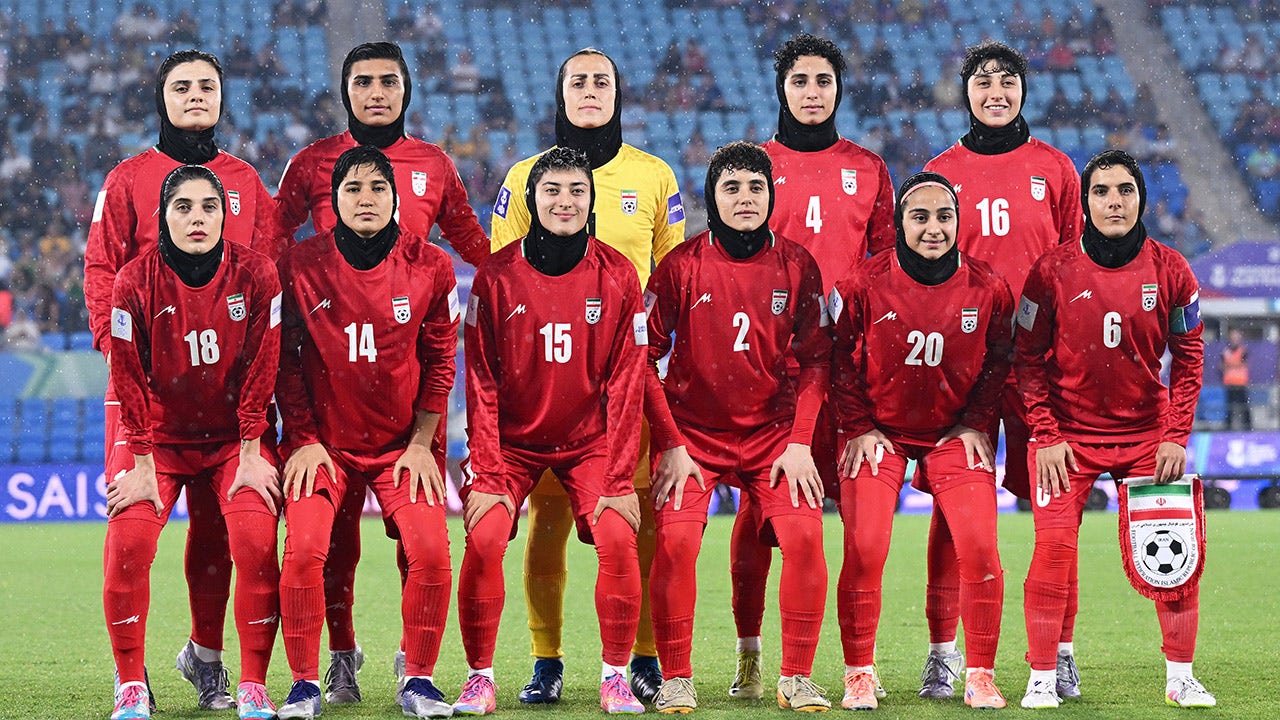
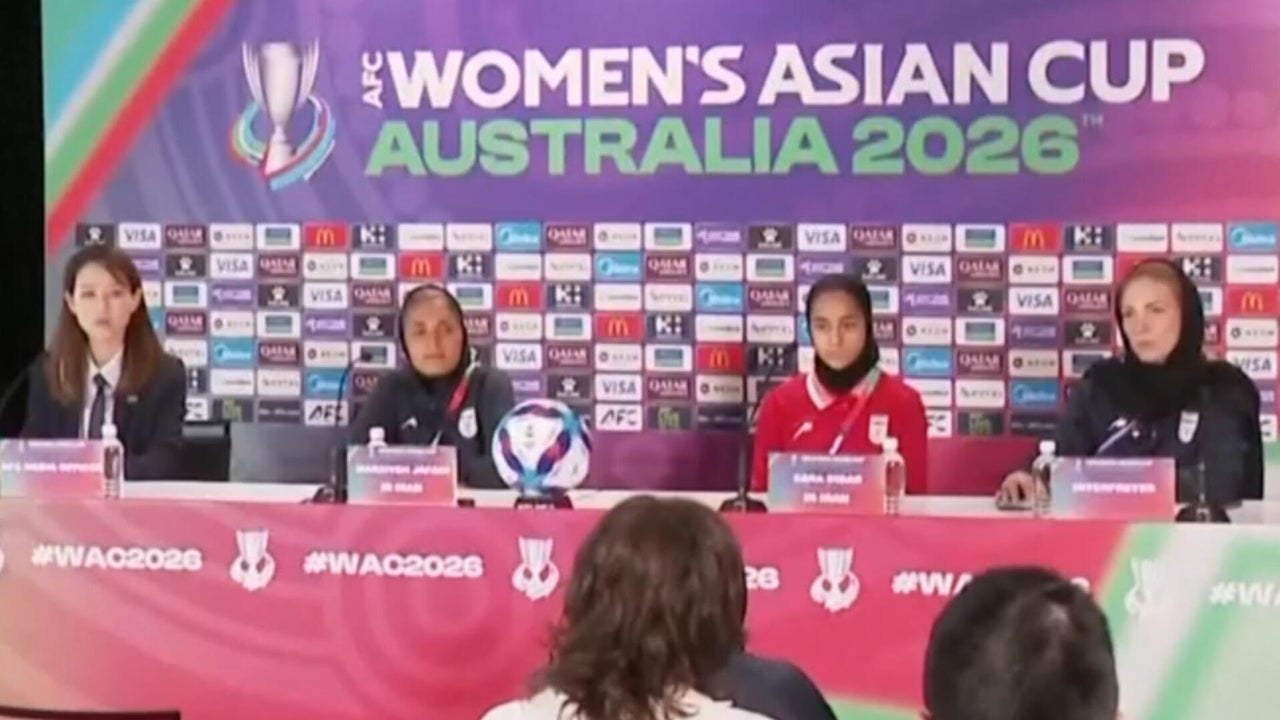
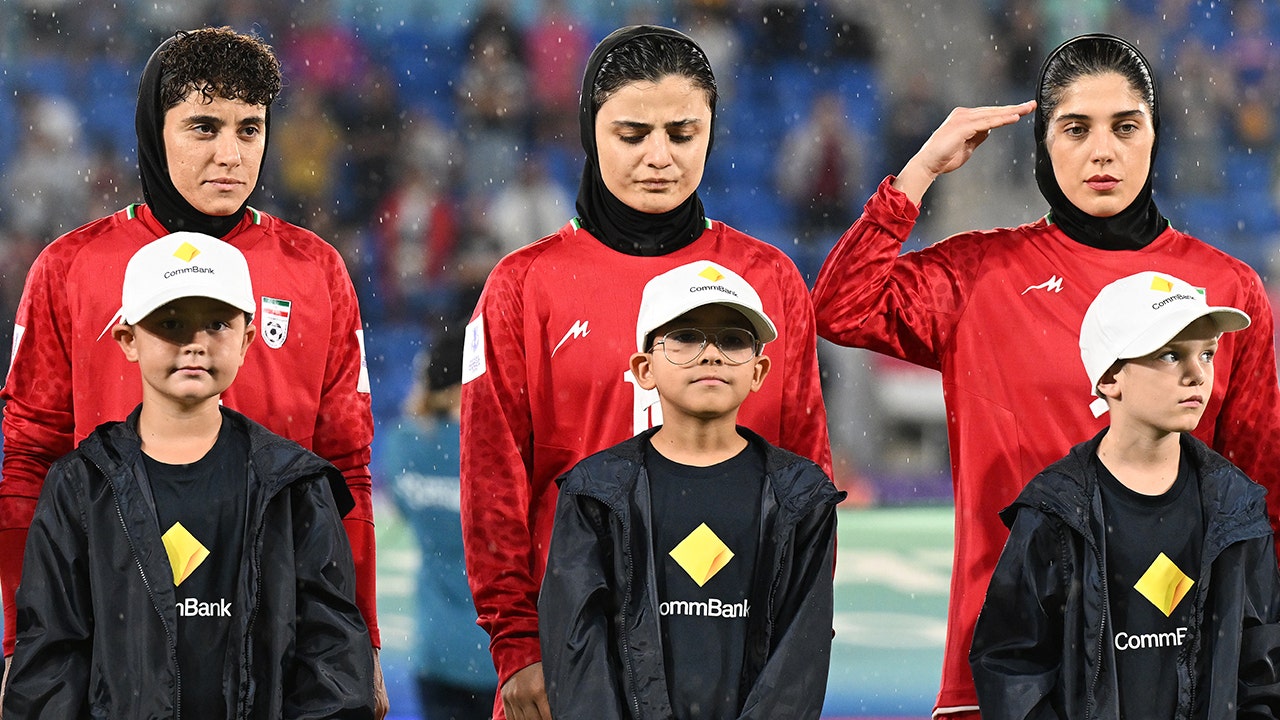
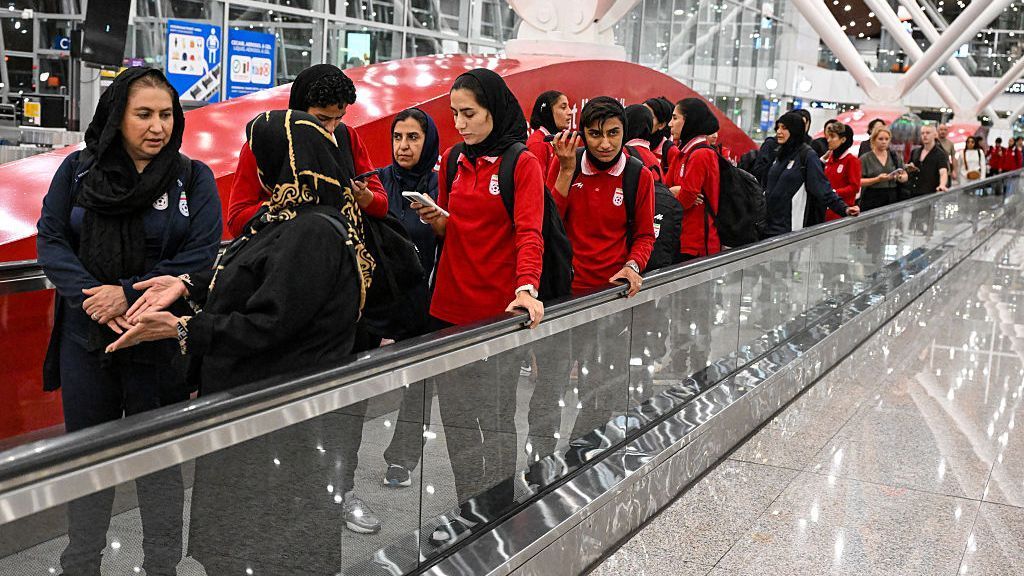
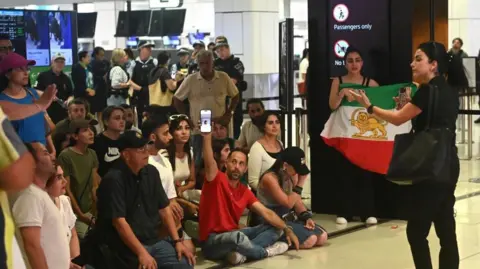
The Iranian women's soccer team's silent protest during the AFC Asian Cup in Queensland, Australia (March 2026) has triggered a significant geopolitical and humanitarian crisis with direct implications for cross-border e-commerce operations. Seven team members—five players and two support staff including Mohaddeseh Zolfi and Zahra Soltan Meshkeh Kar—have been granted fast-tracked permanent residency in Australia after refusing to sing the Iranian national anthem, an act of defiance against Iran's theocratic regime. This incident occurs amid escalating U.S.-Israeli military conflict with Iran entering its second week, creating volatile market conditions that directly impact seller operations.
Geopolitical Context & Market Volatility: The news reports indicate President Trump publicly intervened on March 10, urging Australian Prime Minister Anthony Albanese to grant asylum, while Israeli officials publicly commended the athletes' courage. The Wall Street Journal Editorial Board (March 9, 2026) highlighted concerns about rising oil prices and volatile financial markets stemming from regional tensions. This geopolitical instability creates three critical challenges for cross-border sellers: (1) Energy Cost Inflation: Oil price volatility directly increases shipping costs for sellers using air freight or ocean freight dependent on fuel surcharges. Historical patterns show 8-15% margin compression during Middle East conflicts. (2) Iran Sanctions Compliance: The Trump administration's suspension of immigrant visas for Iranian citizens and halt on asylum decisions signals stricter enforcement of Iran sanctions regimes. Sellers must audit supply chains to ensure no Iranian-origin materials or components violate OFAC (Office of Foreign Assets Control) restrictions, which carry penalties up to $20M per violation. (3) Market Access Restrictions: Sellers targeting Iranian markets face regulatory restrictions that effectively eliminate legitimate B2C commerce, while sellers in Australia may encounter new workforce opportunities as displaced professionals seek employment and establish businesses.
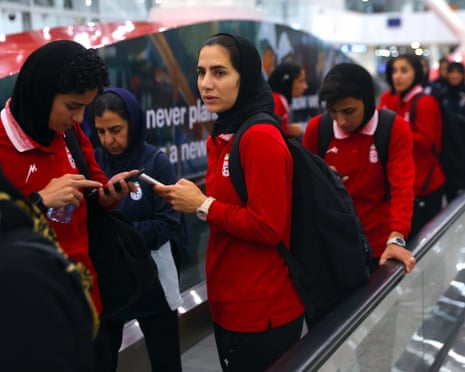
Athlete Activism & Consumer Sentiment Trends: The incident demonstrates how international sports events serve as platforms for political expression, creating secondary market opportunities. The International Federation of Professional Footballers' difficulty contacting players and video evidence of distress signals from the team bus underscore the real dangers athletes face. This narrative resonates with Western consumers increasingly interested in ethical sourcing and human rights-aligned brands. Sellers in apparel, footwear, and sports merchandise categories can leverage this moment: (1) Women's Empowerment Merchandise: The "Lionesses" branding and anthem protest create demand for women's soccer merchandise, activist apparel, and human rights-themed products. Similar events (2023 World Cup, 2024 Olympics) drove 25-40% increases in women's sports merchandise sales. (2) Ethical Brand Positioning: Sellers emphasizing fair labor practices and women's rights in manufacturing can differentiate through authentic storytelling tied to this moment. (3) Australian Market Expansion: The asylum grants position Australia as a humanitarian leader, creating positive sentiment for sellers emphasizing ethical practices in Australian marketplaces.
Operational Implications for Sellers: The asylum situation illustrates how geopolitical events create unexpected workforce dynamics. Australian Immigration Minister Tony Burke confirmed fast-tracked permanent residency with rights to live, work, and study, potentially creating a pool of skilled professionals seeking employment in Australian e-commerce operations, logistics, and customer service roles. Sellers operating 3PL facilities or fulfillment centers in Australia may access displaced talent at competitive rates. Conversely, sellers with supply chain dependencies on Iran-adjacent regions (Turkey, UAE, Pakistan) must conduct OFAC compliance audits immediately. The Trump administration's hardline stance on Iranian asylum suggests increased scrutiny of Iran-related transactions through payment processors and customs authorities.
Questions 7
What is the impact of Middle East oil price volatility on FBA shipping costs?
Oil price spikes during geopolitical crises directly increase fuel surcharges on Amazon FBA and third-party logistics providers. During the March 2026 U.S.-Iran tensions, fuel surcharges typically increase 8-15%, translating to $0.50-$2.00 per unit for standard-size products and $1.50-$5.00 for oversize items. Sellers shipping 1,000+ units monthly face $500-$5,000 monthly cost increases. Amazon adjusts FBA fees quarterly based on fuel costs, but surcharges can spike within weeks. Monitor fuel prices through EIA (Energy Information Administration) data and consider shifting inventory to regional fulfillment centers or 3PL providers with fixed-rate contracts.
How do Iran sanctions affect cross-border sellers on Amazon and eBay?
OFAC Iran sanctions prohibit U.S. persons and companies from conducting transactions with Iranian entities, including selling products to Iran or sourcing materials from Iran-origin suppliers. Violations carry penalties up to $20M per transaction. Sellers must audit supply chains to identify Iranian components or materials, particularly in electronics, textiles, and manufacturing. Amazon and eBay automatically block transactions to Iran-based buyers, but sellers risk account suspension if they knowingly source from sanctioned suppliers. Conduct OFAC screening of all suppliers immediately through the Treasury Department's Specially Designated Nationals (SDN) list.