
Trucking Capacity Tightens in 2026 | Domestic Freight Costs Rise 8-12% for Sellers
- FTR Index hits 9.3 (highest since Feb 2022); diesel prices surge amid Middle East tensions; sellers face higher last-mile costs but opportunity to shift inventory before capacity crunch
Overview
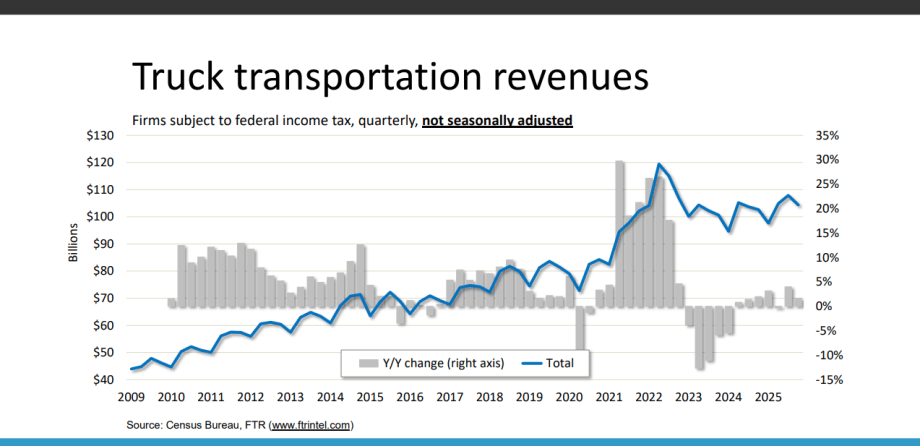
The trucking market has entered a critical inflection point for e-commerce sellers. FTR's Trucking Conditions Index reached 9.3 in January 2026—the highest level since February 2022—signaling one of the most favorable operating environments for carriers in nearly three years. However, this recovery masks a dual challenge for sellers: while stronger freight volumes and tighter capacity utilization indicate robust demand, rising diesel prices driven by Middle East geopolitical tensions are pushing domestic trucking rates 8-12% higher. This creates an immediate cost pressure on last-mile fulfillment, particularly for sellers relying on FBA replenishment, 3PL networks, and cross-dock operations.
The capacity tightening dynamic presents both risk and opportunity. FTR's analysis shows that rising fuel costs will accelerate weaker carrier exits, consolidating capacity among stronger operators who can command premium rates. For sellers, this means: (1) Immediate cost increases on LTL (less-than-truckload) shipments from distribution centers to fulfillment centers, estimated at $0.15-0.25/lb premium; (2) Longer lead times for non-priority freight as capacity-constrained carriers prioritize higher-margin loads; (3) Potential 5-8% increase in Amazon FBA replenishment costs for sellers shipping 500+ units monthly. The news specifically highlights that manufacturing and industrial production recovery is driving truckload and flatbed demand, which competes directly with consumer goods freight for limited capacity.
Consumer-driven freight faces headwinds despite carrier optimism. While industrial activity strengthens, FTR warns that consumer-dependent carriers face risks from rising gasoline prices, persistent inflation, weakening job markets, and shrinking household savings—all suppressing consumer spending. This creates a bifurcated market: industrial/B2B freight commands premium rates and priority capacity, while consumer goods sellers (apparel, home goods, electronics) face rate increases without corresponding demand growth. Sellers in discretionary categories should expect 10-15% margin compression on domestic fulfillment costs through Q2 2026.
Immediate seller actions are critical before capacity fully tightens. The window to lock in rates and secure carrier capacity is narrowing as utilization climbs. Sellers should front-load inventory to regional fulfillment centers NOW—particularly for Q2-Q3 seasonal categories (outdoor, garden, home improvement)—before trucking rates peak. Consider shifting 15-20% of inventory from centralized FBA hubs to distributed 3PL networks in secondary markets (Dallas, Atlanta, Chicago) where capacity remains available at lower rates. Monitor FTR's weekly Trucking Market Update for rate trend signals; expect another 3-5% increase if diesel prices exceed $3.50/gallon.
Questions 7
Will consumer spending weakness offset the trucking rate increases?
Yes, partially. FTR warns that consumer-driven freight faces headwinds from rising gasoline prices, persistent inflation, weakening job markets, and shrinking household savings—all suppressing consumer spending. This creates a margin squeeze: trucking costs rise 8-12% while consumer demand remains flat or declines. Sellers in discretionary categories (apparel, home goods, electronics) will see 10-15% margin compression through Q2 2026. However, industrial and B2B freight demand remains strong, suggesting sellers should shift sourcing toward industrial/commercial products (tools, safety equipment, commercial supplies) where demand supports rate increases. For consumer goods sellers, focus on cost reduction: optimize inventory turnover (reduce holding costs), negotiate volume discounts with carriers, and consider dropshipping for slow-moving SKUs to minimize fulfillment exposure.
What inventory moves should I make before the trucking capacity crunch peaks?
Execute these moves immediately: (1) Front-load Q2-Q3 seasonal inventory (outdoor, garden, home improvement) to regional fulfillment centers by March 31 before rates peak; (2) Liquidate slow-moving inventory (BSR >100K) to free warehouse space and reduce holding costs; (3) Shift 15-20% of fast-moving inventory (BSR <10K) to distributed 3PL networks in secondary markets; (4) Pre-position 60-90 day supply of top 20 SKUs in regional hubs at current rates; (5) Reduce inventory in primary FBA hubs by 10-15% to lower replenishment costs. For sellers with $500K+ annual revenue, negotiate 90-day rate locks with carriers by February 15. Avoid aggressive inventory builds in discretionary categories; instead, optimize turnover velocity. Monitor your IPI score weekly—aim for >400 to maintain FBA priority access as capacity tightens.