




Nigeria's Escalating Security Crisis Exposes Systemic Vulnerabilities in Child Protection
- Humanitarian challenges reveal critical gaps in national security infrastructure and educational safety














Overview
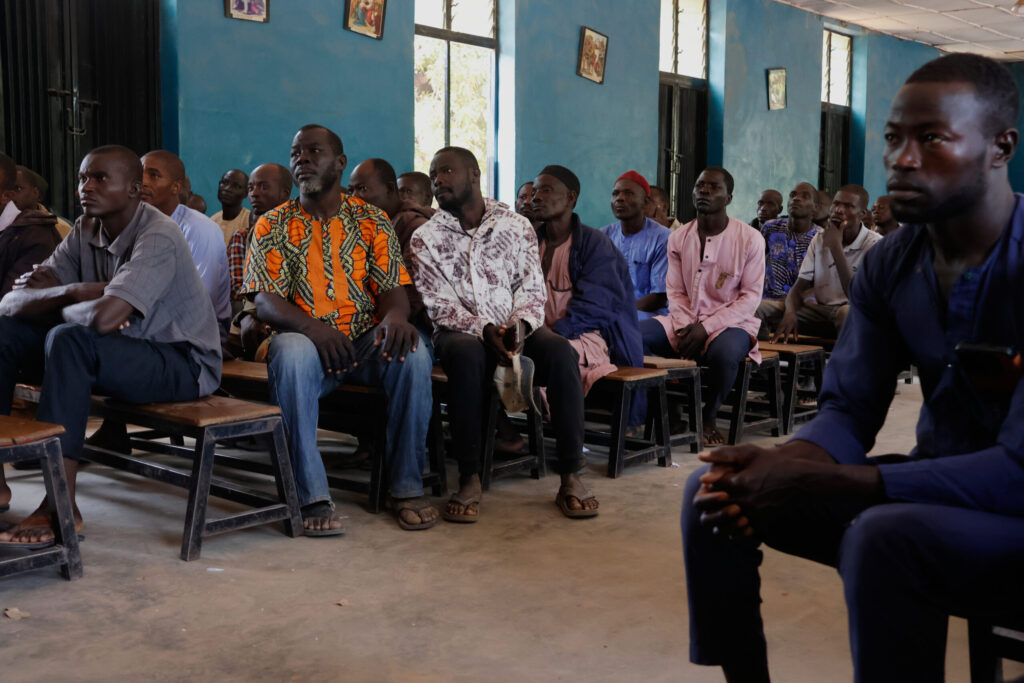
Nigeria's persistent security challenges have reached a critical inflection point, as demonstrated by the recent mass kidnapping and partial rescue of 100 schoolchildren from St. Mary's Catholic School. This incident is far more than a singular event—it represents a profound systemic failure that exposes the deep-rooted vulnerabilities in national security infrastructure and institutional protection mechanisms.
Strategic Vulnerability Analysis: The kidnapping reveals a calculated approach by criminal networks targeting educational institutions. Armed groups have transformed child abduction from a random criminal act into a strategic tool for generating ransom funds and creating widespread social disruption. The successful rescue of 100 children, while positive, masks a more troubling reality—numerous children remain hostage, indicating the persistent and systematic nature of these security threats.
Institutional Breakdown Indicators: The incident highlights multiple layers of systemic dysfunction. Local security forces, while showing improved response capabilities through this rescue operation, are still fundamentally reactive rather than preventative. The continued presence of additional hostages underscores that this is not an isolated incident but a structural security challenge deeply embedded in Nigeria's current socio-political landscape.
Humanitarian and Economic Implications: Beyond the immediate human tragedy, these kidnappings have broader consequences. They systematically undermine educational continuity, create generational trauma, and signal significant governance weaknesses. International observers and potential investors will interpret these events as indicators of institutional instability, potentially deterring foreign investment and economic development.
The partial resolution of this kidnapping serves as a stark reminder of the urgent need for comprehensive security reforms. Policymakers must move beyond temporary rescue operations to develop proactive protective strategies that fundamentally redesign school security, community resilience, and criminal deterrence mechanisms. The current approach of responding to crises is unsustainable and threatens the long-term social and economic fabric of Nigerian society.
Questions 3
How can Nigeria effectively address these security challenges?
Comprehensive reforms must focus on proactive security strategies, including enhanced school protection mechanisms, community resilience programs, improved intelligence gathering, and addressing the root economic and social conditions that enable criminal networks to operate with impunity.
What are the long-term consequences of these repeated kidnappings?
These incidents create multi-generational trauma, disrupt educational continuity, and erode community trust in government institutions. They also signal significant governance weaknesses that could deter foreign investment and economic development in affected regions.