
)




Middle East Refinery Shutdowns Trigger 2-4 Week Shipping Cost Surge for Cross-Border Sellers
- 1.9 million barrels/day capacity offline creates 2.37% crude spike; air freight surcharges and Strait of Hormuz constraints affect all seller segments shipping Asia-Europe routes





















Overview
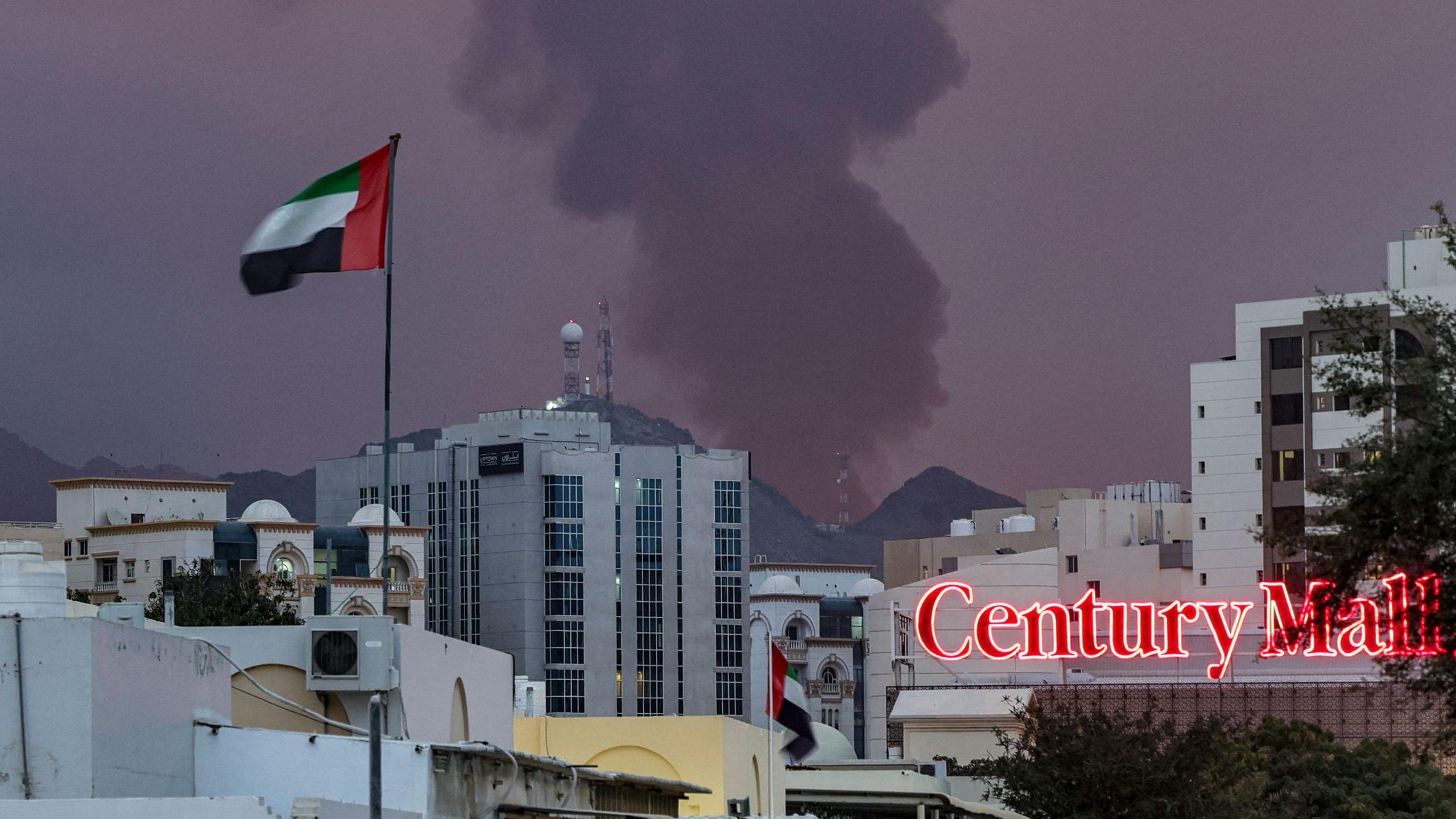
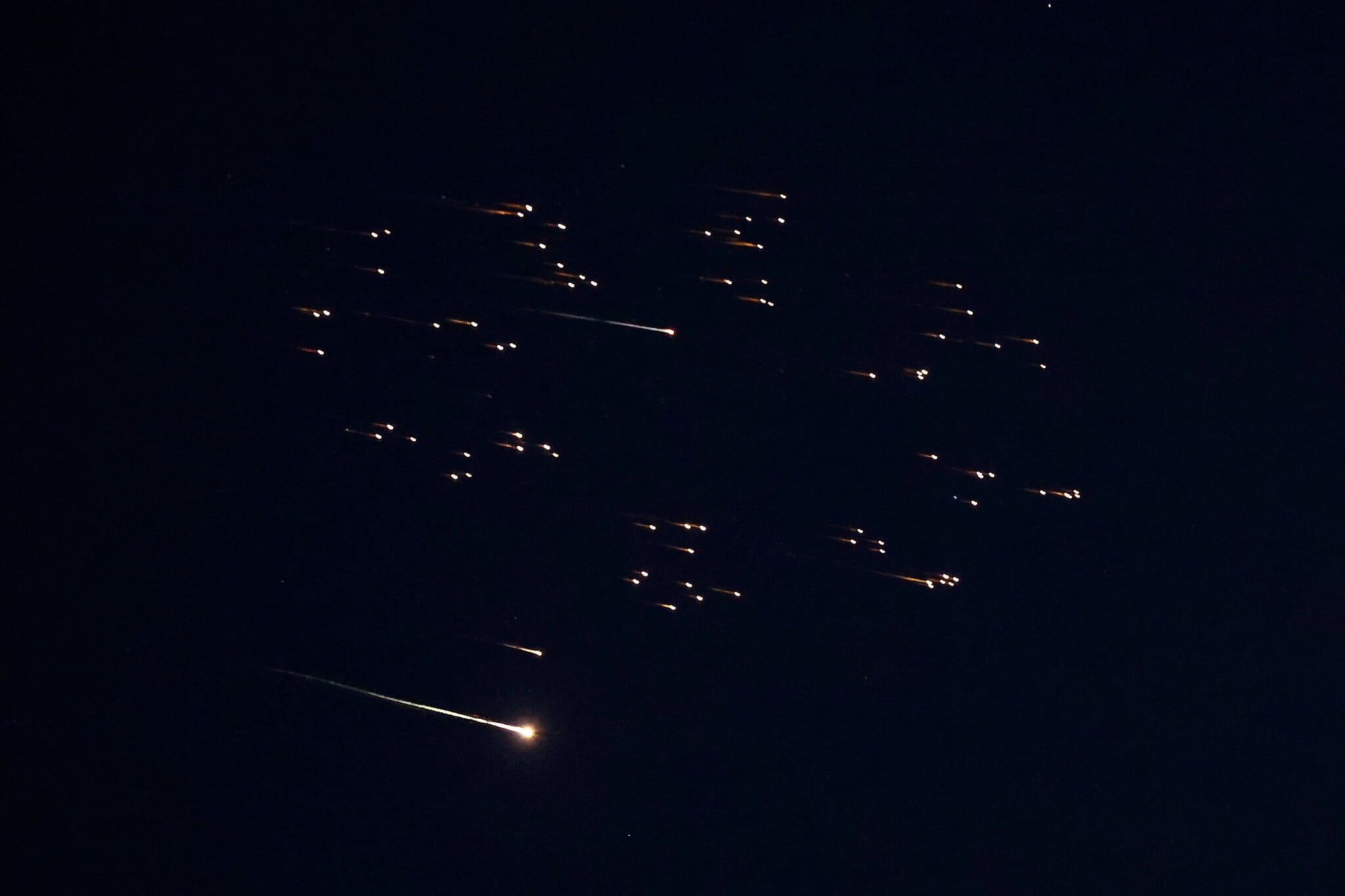
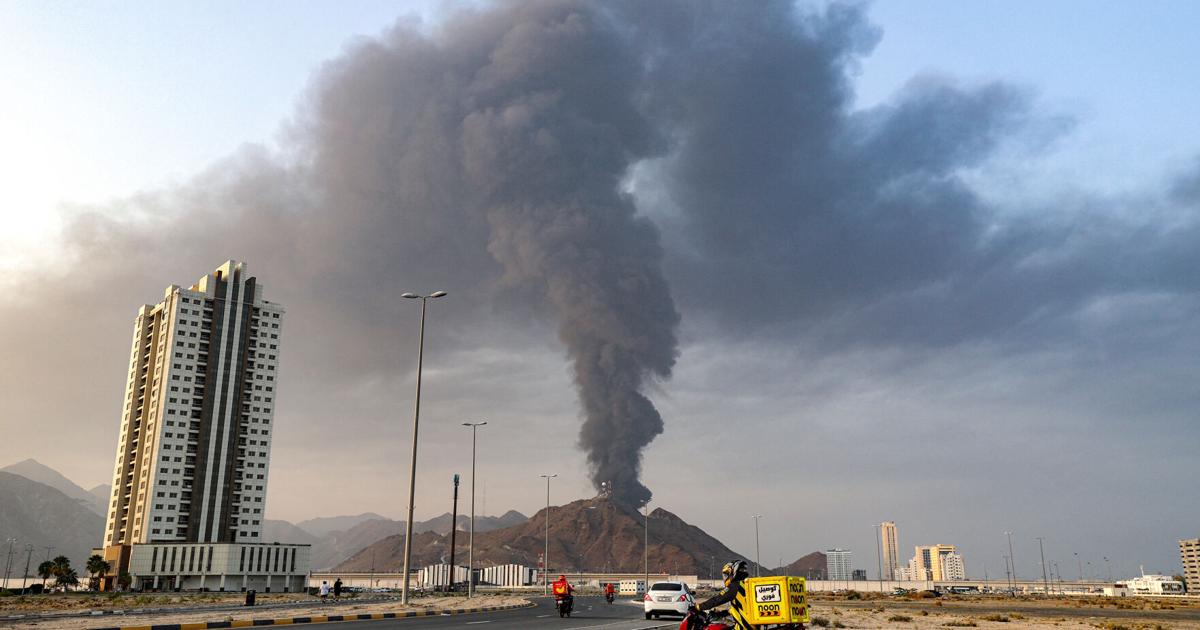
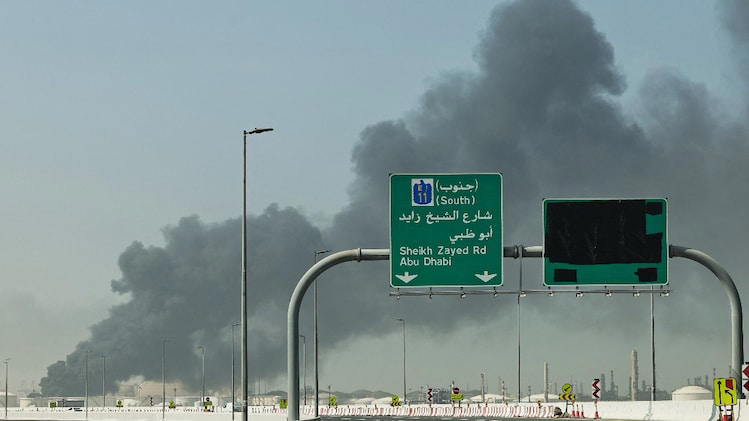
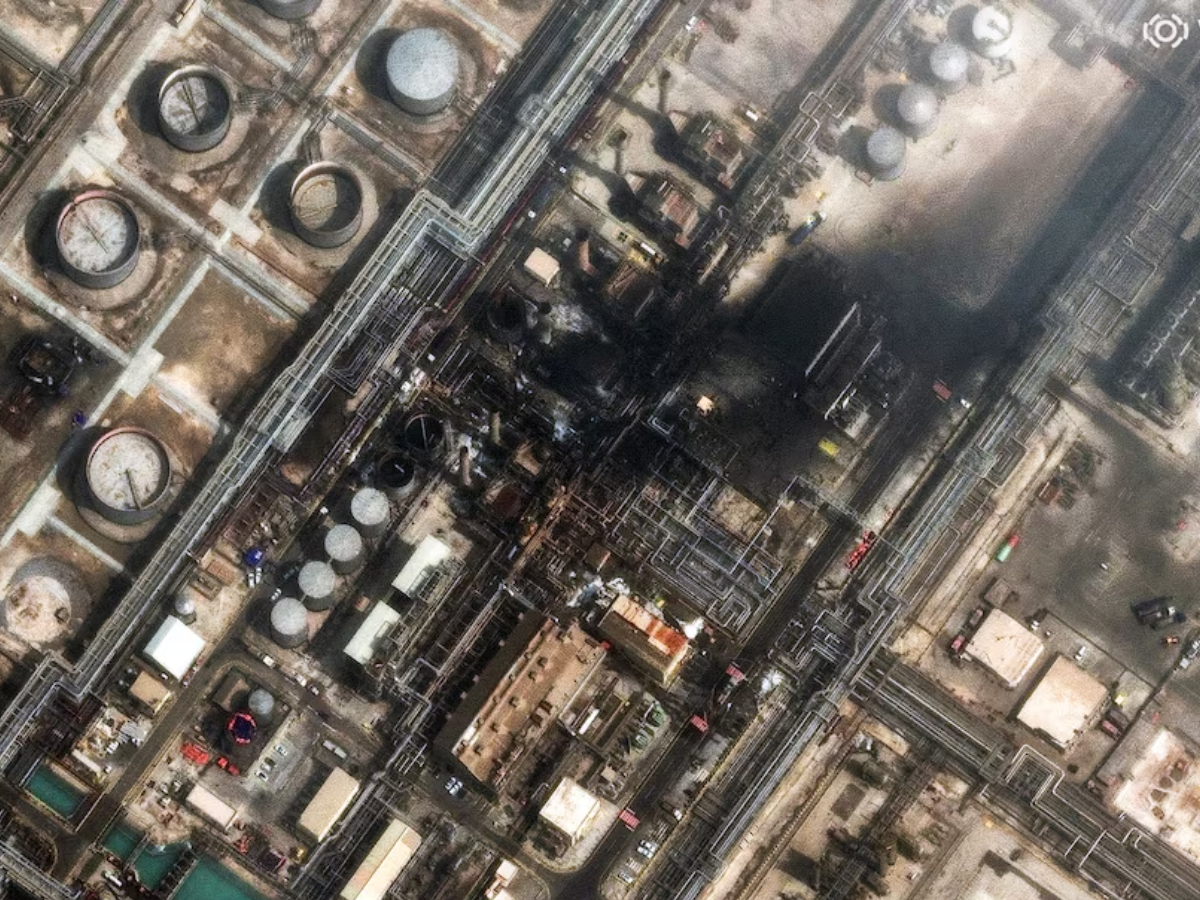
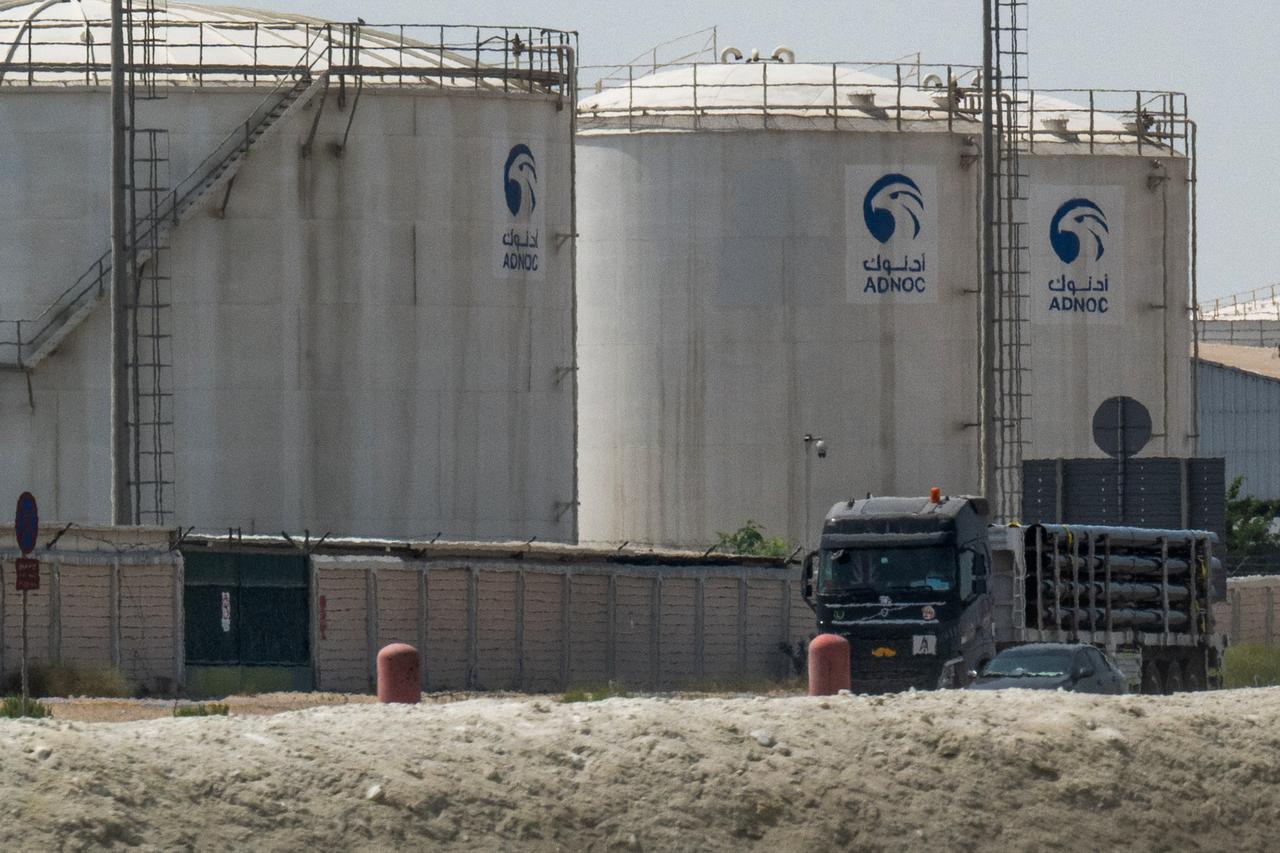
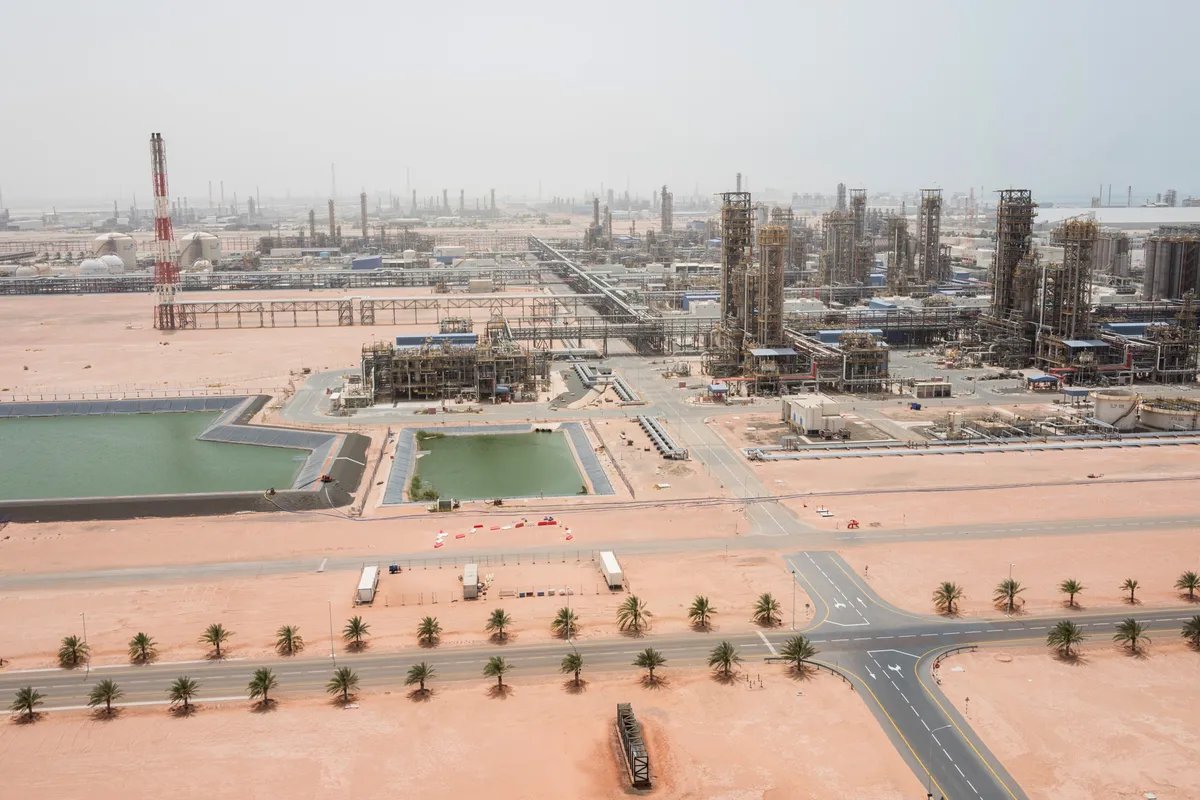
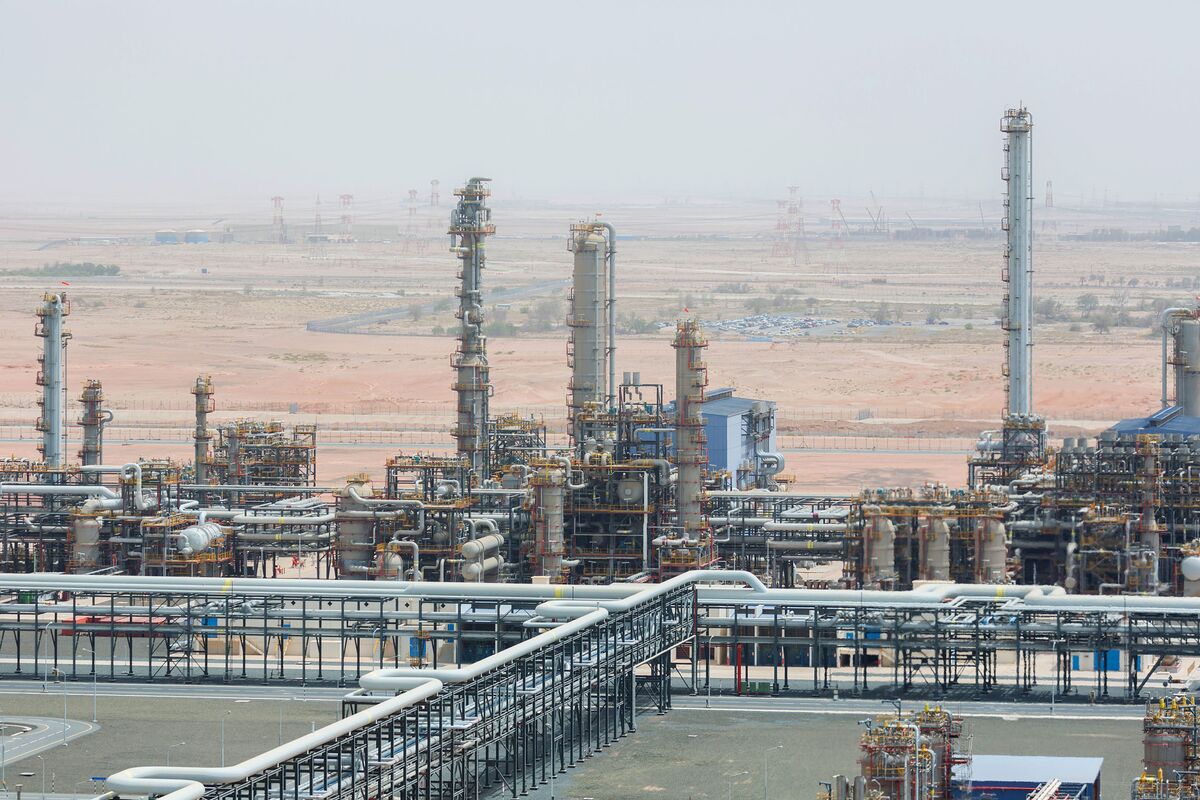
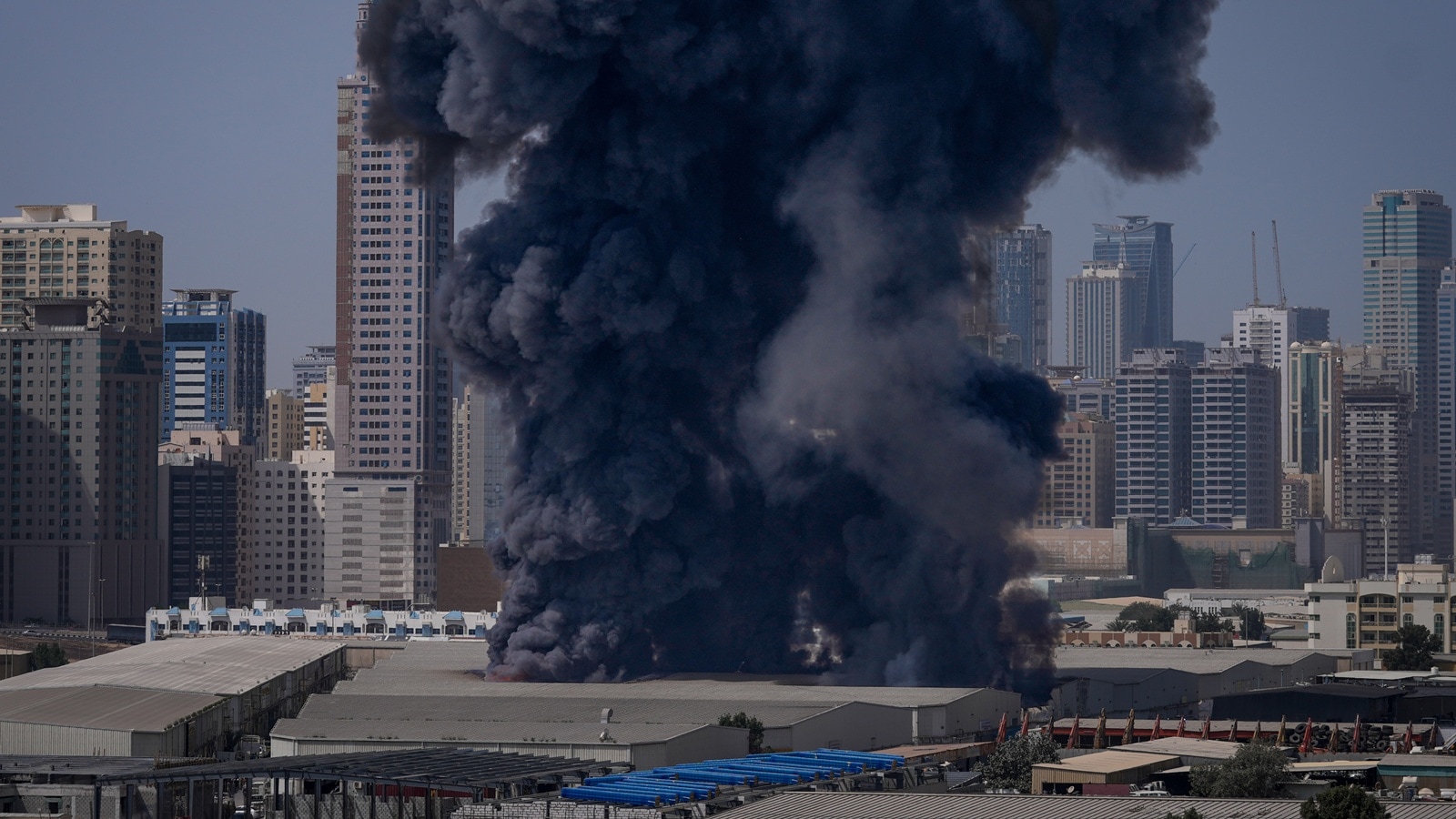
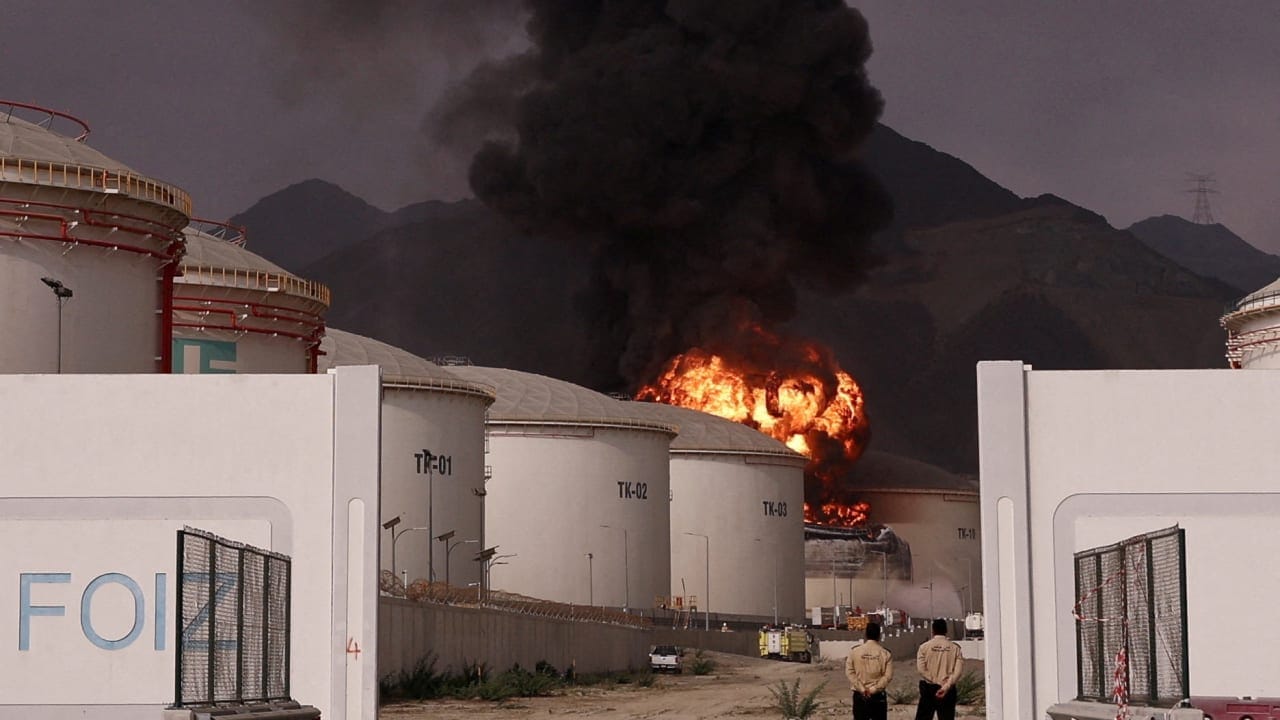
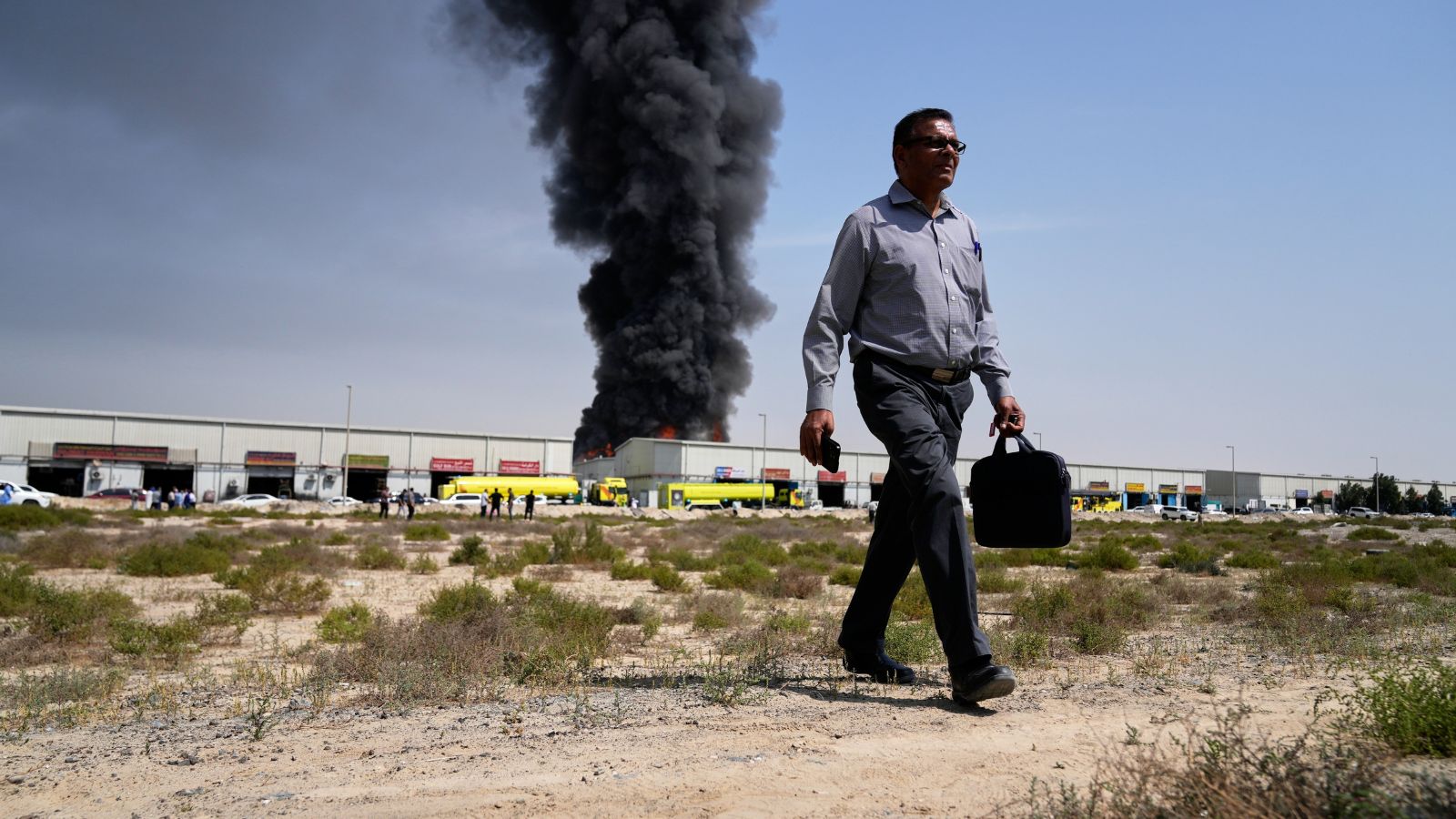
CRITICAL SUPPLY CHAIN ALERT: On March 10, 2026, drone attacks on the UAE's Ruwais refinery (922,000 barrels/day capacity) and Fujairah bunkering hub triggered cascading disruptions across global energy infrastructure. The Ruwais facility shutdown, combined with simultaneous closures at Saudi Aramco's Ras Tanura, Kuwait Petroleum, Bahrain's Bapco, and Qatar's LNG operations, has eliminated approximately 1.9 million barrels per day of refining capacity—representing roughly 2% of global refining output. Crude oil prices immediately spiked 2.37% to $85.43/barrel, while the International Energy Agency announced the largest strategic reserve release in history to stabilize markets.
DIRECT SELLER IMPACT: For cross-border e-commerce sellers, this disruption creates immediate and measurable cost pressures across three critical logistics channels. Air freight sellers face elevated fuel surcharges within 2-4 weeks as aviation fuel costs track crude oil prices; historical precedent from 2022 Saudi facility attacks shows 8-12% air freight cost increases during comparable disruptions. Ocean freight sellers utilizing Asia-Europe corridors through the Strait of Hormuz (which carries approximately one-fifth of global oil flows) face bunker fuel cost escalation; the Fujairah bunkering hub suspension has already created floating inventory depletion, with traders reporting sharply elevated bunker prices and reduced supplier offers. Packaging material sellers sourcing from chemical/fertilizer producers at the Ruwais complex face potential 3-6 week supply delays and 5-8% cost increases, as the facility houses significant downstream chemical and industrial gas operations beyond refining.
GEOPOLITICAL CONTEXT: The attacks occur amid escalating U.S.-Iran tensions (Pentagon reported 140 troops injured as of March 10), with Iran reportedly laying mines in the Strait of Hormuz and controlling vessel passage. This creates sustained uncertainty beyond the immediate 2-4 week disruption window. Previous incidents at Saudi facilities (2019 Abqaiq attack) created 6-8 week supply chain ripple effects. The ATP's cancellation of UAE tournaments signals broader regional instability affecting logistics hub operations and warehousing reliability in the region.
CURRENCY AND SOURCING IMPLICATIONS: Concurrent market reporting indicates Asian currencies strengthening against the dollar amid falling crude prices, creating favorable exchange rates for sellers sourcing from China, Vietnam, and India. However, this benefit is offset by elevated shipping costs. Sellers should lock in shipping rates immediately (before 2-4 week lag translates to contract renewals) and consider temporary sourcing diversification away from Middle East-dependent routes. The Strait of Hormuz constraint particularly affects sellers relying on Asia-Middle East-Europe triangular logistics networks.
Questions 8
How much will my shipping costs increase from the Ruwais refinery shutdown?
Expect 2-4 week lag before cost impacts materialize, then 5-12% increases depending on shipping method. Air freight sellers typically see 8-12% surcharges as aviation fuel tracks crude oil; ocean freight sellers face 3-6% bunker fuel cost increases. The 922,000 barrel/day Ruwais shutdown plus 1.9 million bpd regional capacity loss creates sustained pressure. Lock in shipping rates immediately with your 3PL provider before March 24-31 renewal windows, as the 2-4 week lag means April contracts will reflect elevated fuel costs. Historical precedent from 2022 Saudi attacks shows similar disruptions lasted 6-8 weeks before normalization.
How long will the Fujairah bunkering hub disruption affect shipping rates?
Fujairah suspension creates immediate supply constraints with floating inventory depletion accelerating price increases. Traders report sharply elevated bunker prices with reduced supplier offers. Recovery timeline depends on damage assessment (not yet disclosed) but historical precedent suggests 2-4 weeks for terminal operations resumption. During suspension, vessels may divert to alternative bunkering hubs (Singapore, Rotterdam) at 1-2 week routing delays and 4-8% cost premiums. Sellers should expect elevated bunker prices through late March 2026 minimum, with normalization likely by mid-April if terminal repairs proceed on schedule. Monitor ADNOC damage assessments and IEA strategic reserve release effectiveness for recovery signals.