




AI Search Hybrid Model Signals Platform Strategy Shift | Sellers Must Adapt Product Discovery Tools
- Google's retreat from aggressive AI integration reveals critical lesson: user experience trumps AI-first strategy, forcing sellers to rethink visual search automation and product discovery workflows








Overview
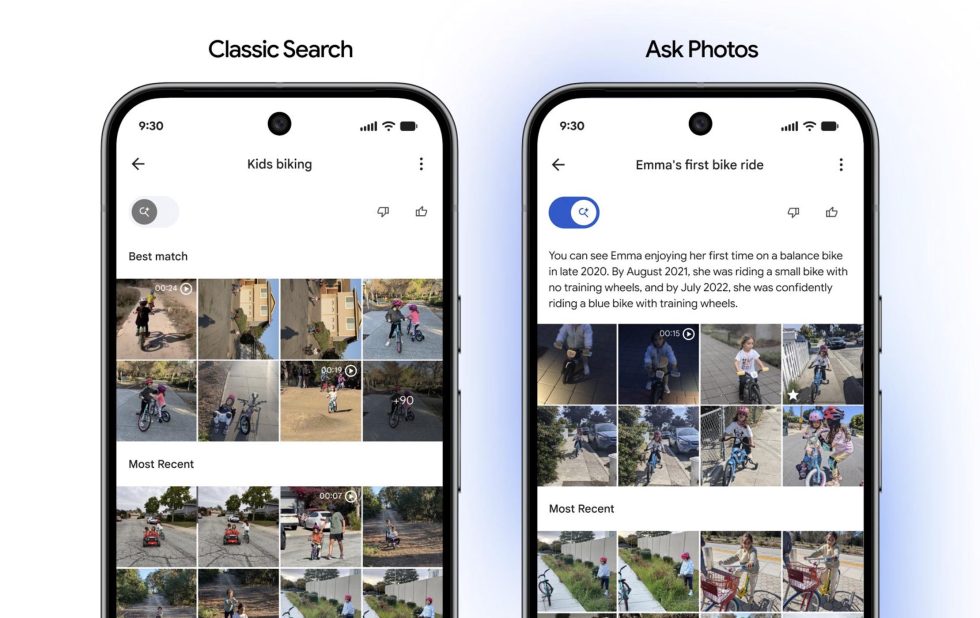
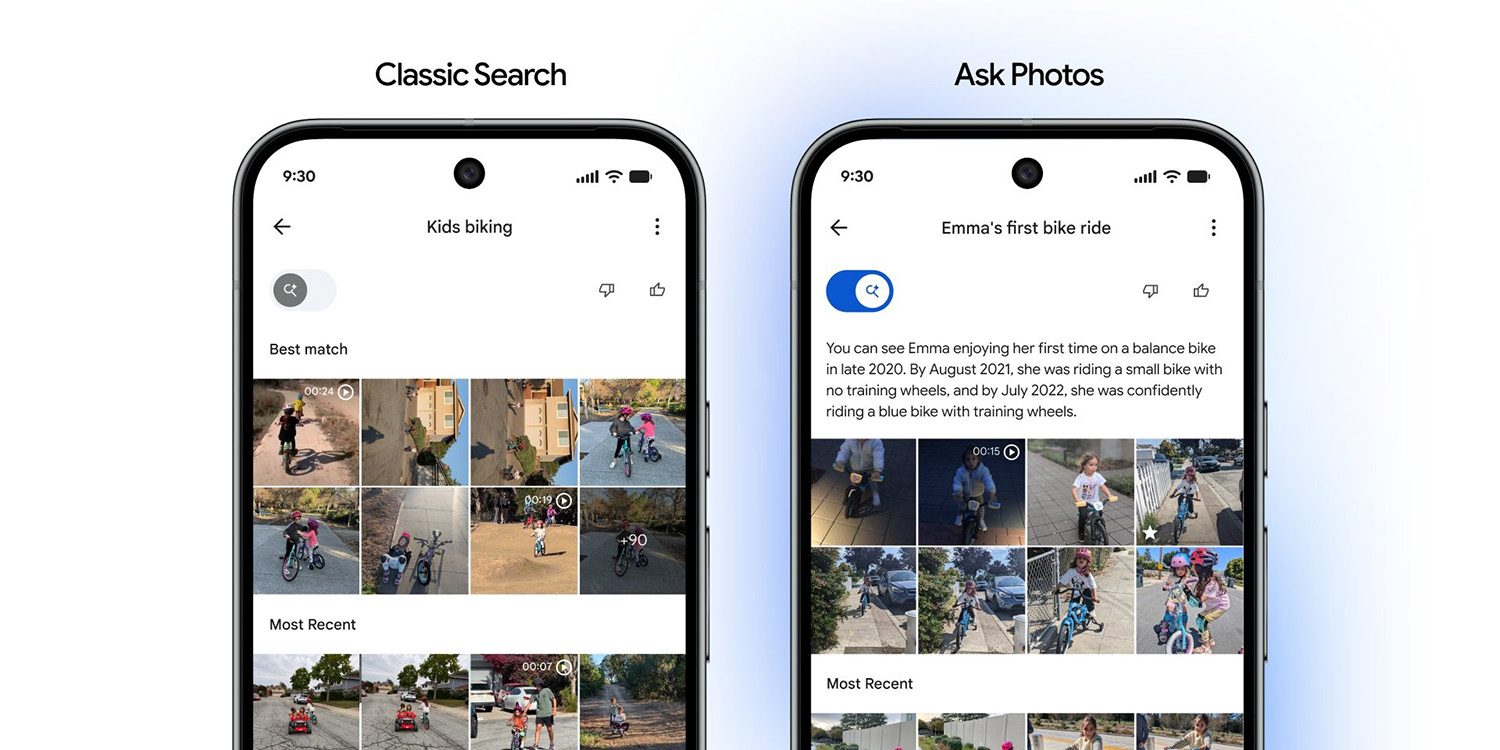
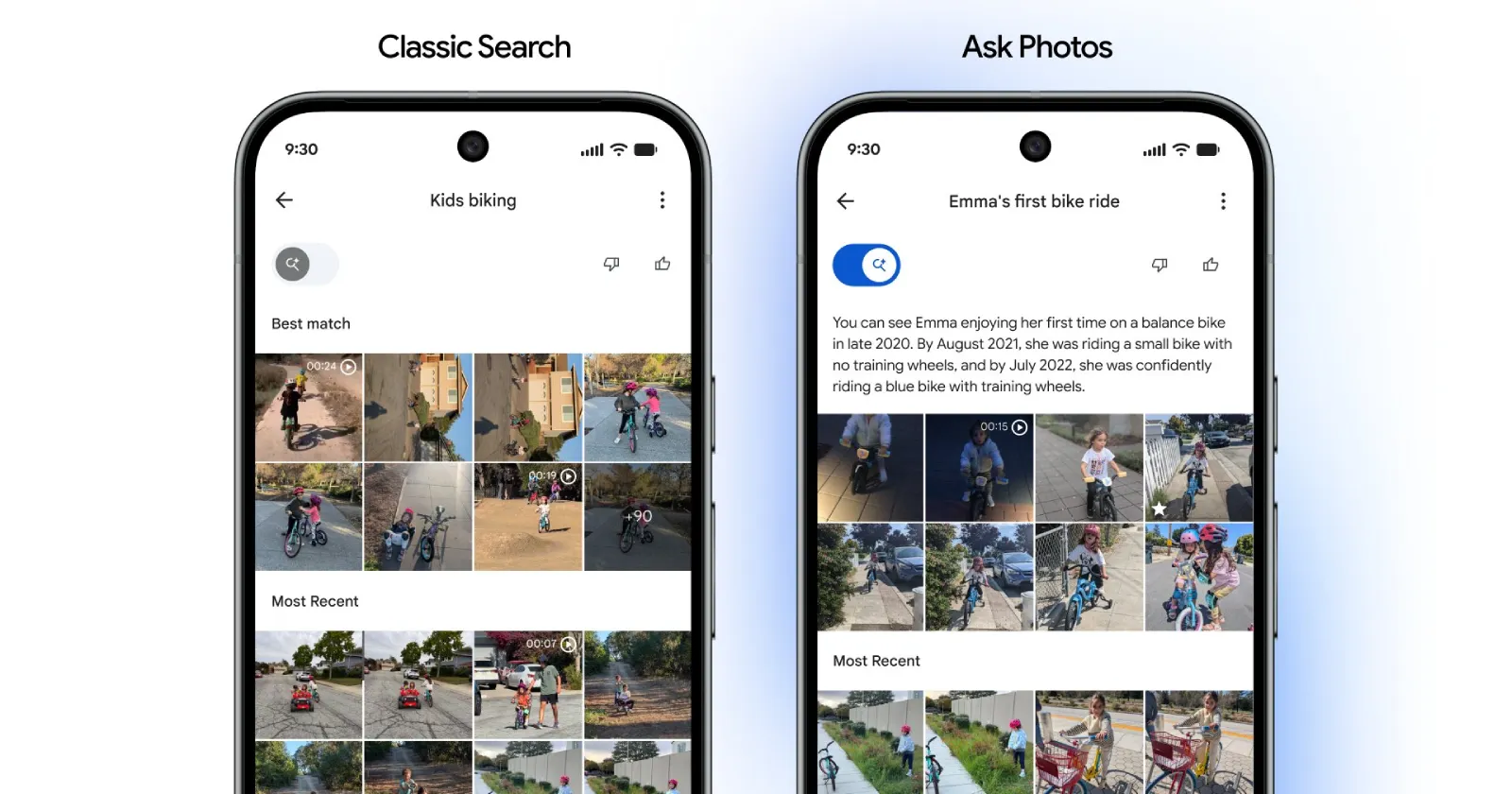
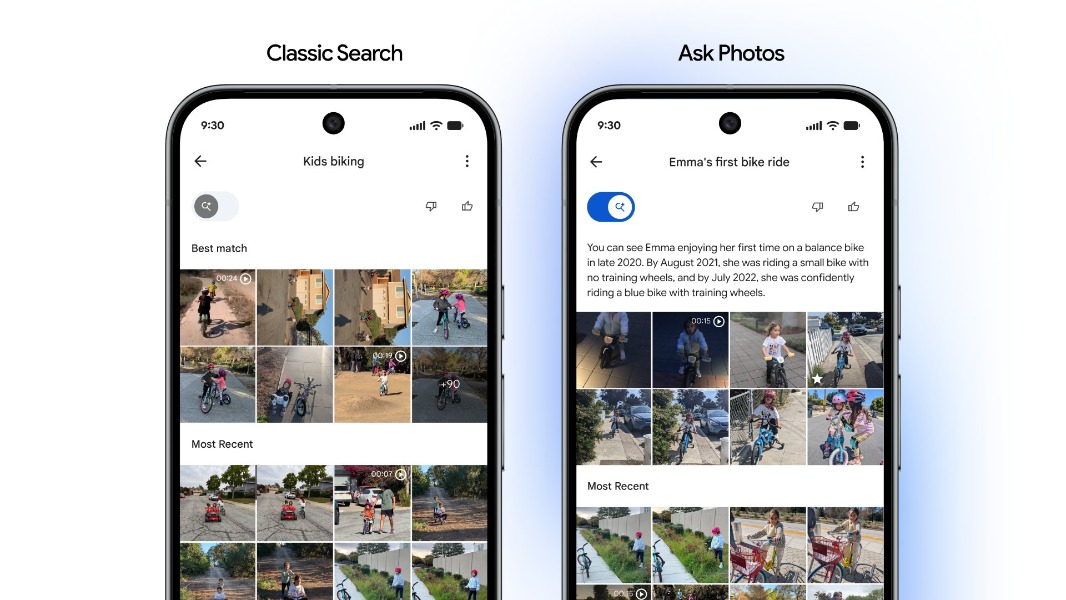
Google's decision to introduce a prominent toggle between AI-powered Ask Photos and classic search represents a fundamental shift in how major platforms approach generative AI integration—with direct implications for sellers managing product imagery and visual discovery workflows. Launched in October 2024, the Ask Photos feature powered by Gemini was designed to enable natural language queries and AI-generated photo summaries. However, the feature faced significant user backlash: the AI-powered search operated considerably slower than classic search, frequently displayed inaccurate or irrelevant results when grouping photos, and required users to navigate three menu levels to disable it. Google paused the full rollout in summer 2025 to address latency concerns, then introduced a prominent toggle at the search tab level in response to months of user complaints on Reddit and other platforms.
This represents a critical automation lesson for sellers: AI tools must deliver measurable speed and accuracy improvements, or users will reject them regardless of feature sophistication. For cross-border e-commerce sellers using Google Photos for product imagery management and visual content organization, this development signals that hybrid AI-classic search options will become the industry standard. Sellers managing large product image libraries (500+ SKUs) currently spend 8-12 hours weekly organizing, tagging, and retrieving product photos. The Ask Photos feature promised to reduce this through natural language queries like "find all red winter jackets with size tags visible," but performance issues made it slower than manual browsing. The toggle feature now allows sellers to choose search methodology based on workflow needs—using AI for exploratory discovery when accuracy is less critical, and classic search for time-sensitive inventory verification.
The broader strategic implication reveals how user feedback directly influences platform AI roadmaps. Google's responsiveness demonstrates that platforms prioritize user satisfaction over forcing AI adoption, contradicting the aggressive AI-first narrative dominating tech industry discourse. For sellers, this means: (1) AI automation tools must prove 20%+ time savings or 15%+ accuracy improvements to gain adoption, (2) hybrid workflows combining AI and traditional methods will remain standard for 2-3 years before pure-AI solutions mature, and (3) platforms will increasingly offer toggle controls rather than mandatory AI features. The news also indicates that Gemini-powered search quality improvements for "popular search queries" are showing measurable gains and increased positive feedback, suggesting Google is iterating toward production-ready AI search by Q2 2025. Sellers should expect similar hybrid AI-classic options to roll out across Amazon Photos, eBay image search, and Shopify product discovery tools within 6-12 months.
Questions 8
How does Google Photos Ask Photos toggle impact sellers managing large product image libraries?
The toggle allows sellers to choose between AI-powered natural language search and classic keyword search based on workflow needs. For sellers managing 500+ product SKUs, this hybrid approach saves 2-4 hours weekly by enabling exploratory AI discovery for trend research while maintaining fast classic search for time-sensitive inventory verification. The feature is currently in early rollout with broader availability expected within 2-4 weeks. Sellers should test both search methods to identify which works best for different product categories—AI excels at conceptual queries ('find all items with metallic finishes') while classic search performs better for precise SKU lookups.
What AI tools should sellers use NOW for product image discovery and management?
Current production-ready tools include: (1) Google Photos with Ask Photos toggle (free, integrated with Google Workspace), (2) Amazon Rekognition for automated image tagging and categorization ($0.10-1.00 per image), (3) Cloudinary for AI-powered image optimization and metadata extraction ($99-499/month), and (4) Shopify's built-in image alt-text AI (included in Shopify Plus). For sellers managing 500-5000 product images, Google Photos + Amazon Rekognition combination provides 25-35% time savings on image organization at $50-200/month cost. Expect Amazon Photos and eBay image search to introduce similar Ask Photos-style toggles within 6-12 months.