




Iran Hardline Succession Signals Escalating Sanctions Risk | Cross-Border Sellers Face Supply Chain Disruption
- Mojtaba Khamenei's appointment (March 2026) shifts Iran toward aggressive foreign policy; sellers must reassess sourcing from Iran and Middle East logistics corridors within 60-90 days


/https%3A%2F%2Fengelsbergideas.com%2Fwp-content%2Fuploads%2F2026%2F03%2FMojtaba-Khamenei.jpg)

Overview
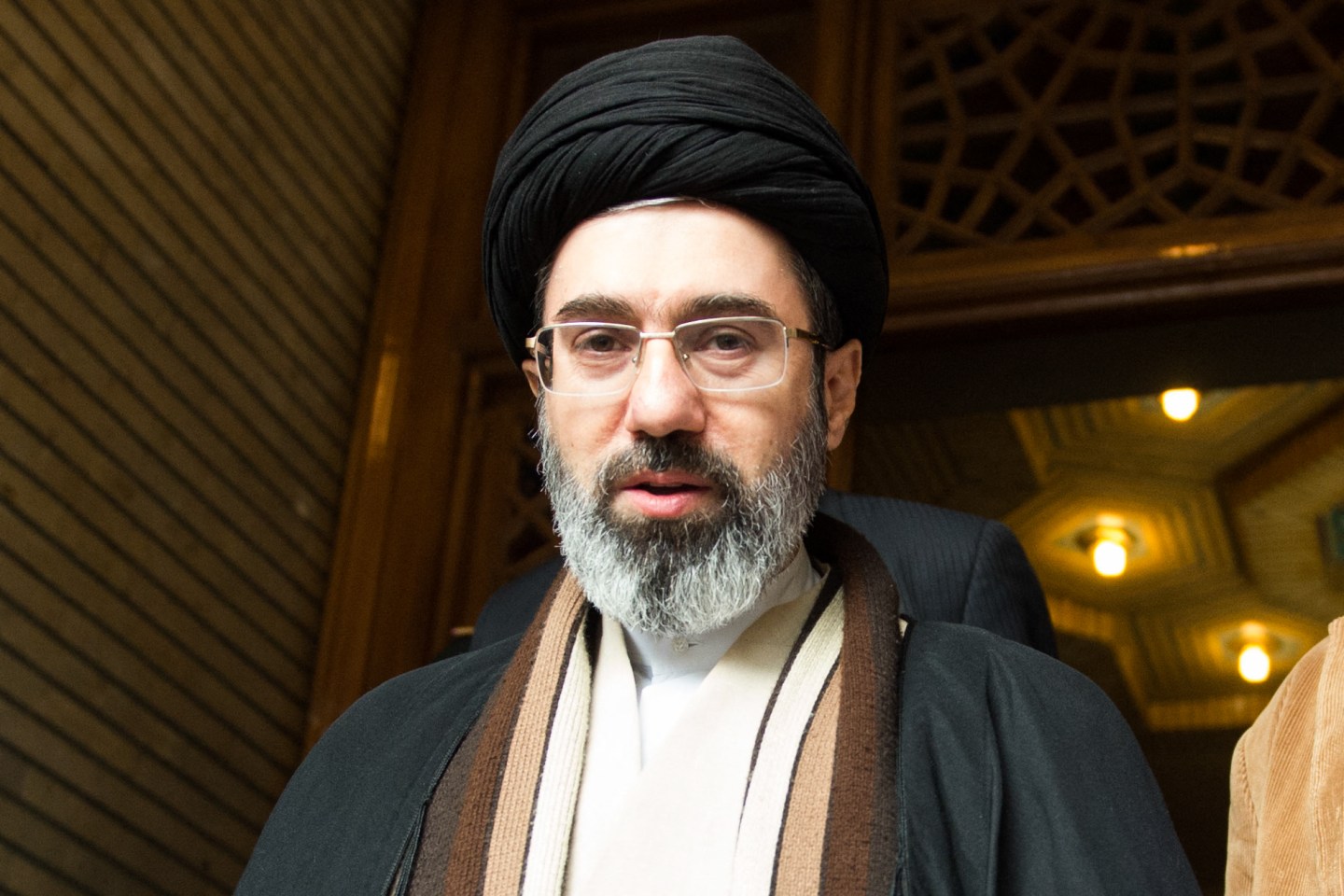
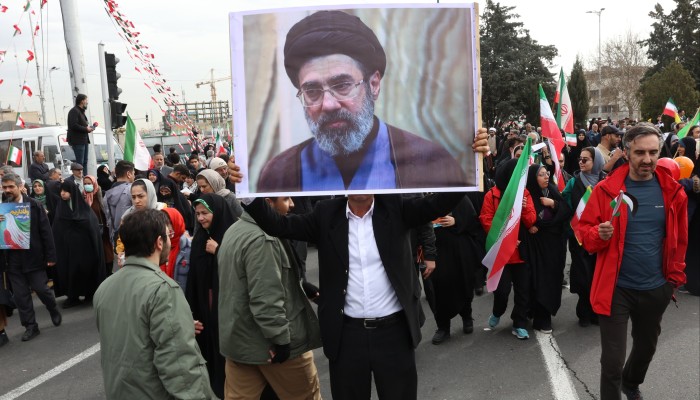
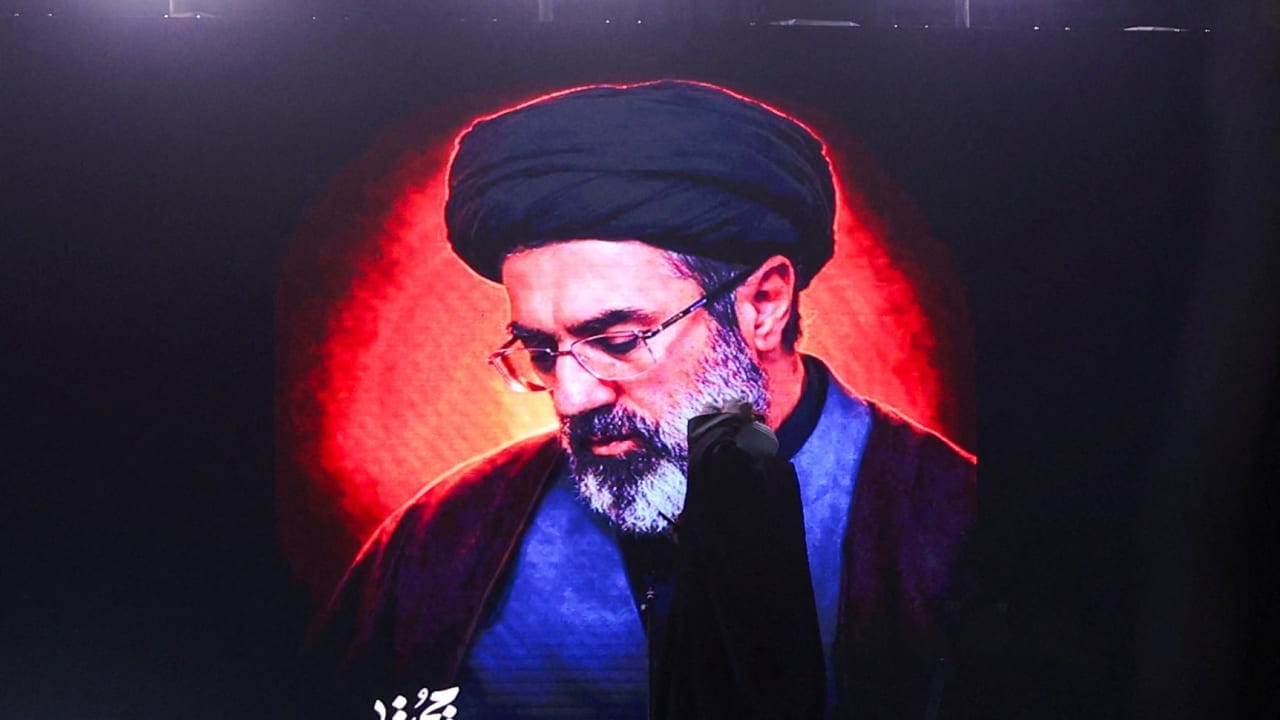
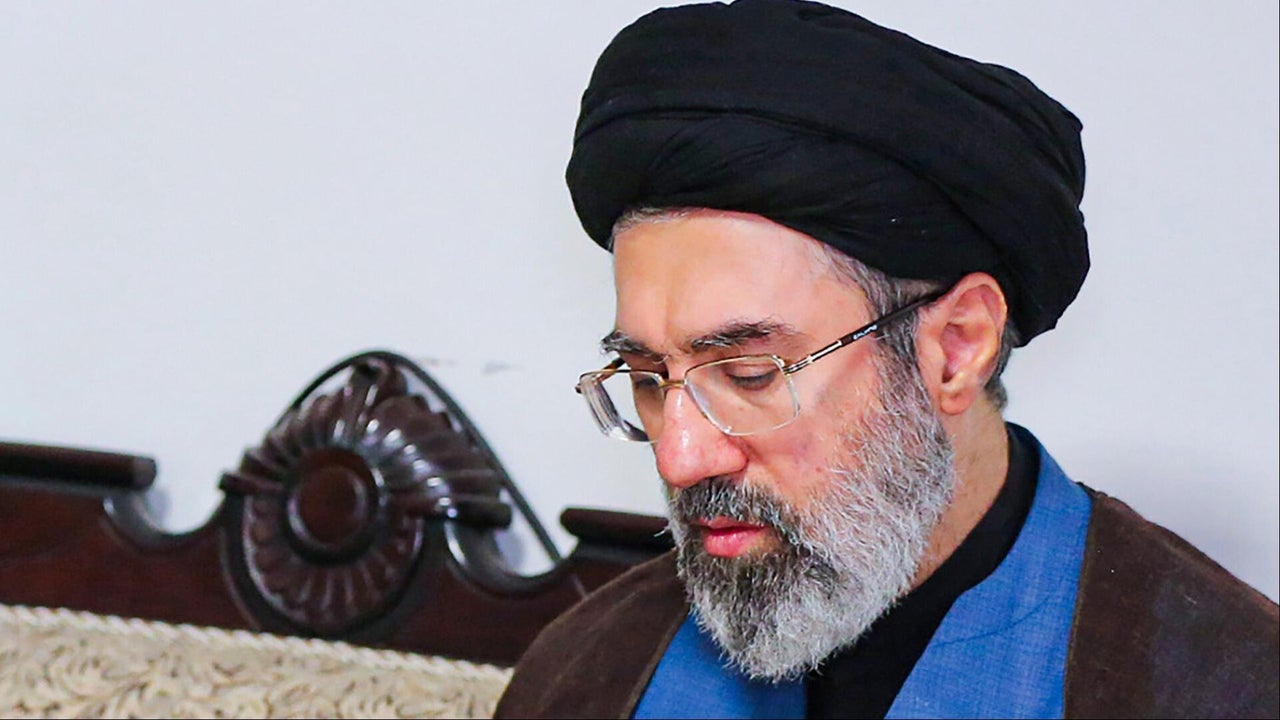
Iran's succession from Ali Khamenei to his son Mojtaba Khamenei (announced March 9-10, 2026) represents a critical geopolitical inflection point with direct implications for cross-border e-commerce sellers managing supply chains, sourcing strategies, and market access across the Middle East and Asia-Pacific regions. The transition marks the Islamic Republic's first hereditary succession since 1979, departing from foundational anti-monarchical ideology. Mojtaba, born September 8, 1969, lacks formal religious credentials as an Ayatollah but derives legitimacy from deep ties to the Islamic Revolutionary Guard Corps (IRGC)—the military apparatus controlling Iran's strategic industries and sanctions-vulnerable sectors. International observers characterize him as "more hardline" than his predecessor, with documented involvement in electoral interference (2005, 2009) and orchestration through IRGC/Basij militia networks. This leadership profile signals escalating confrontational posture toward Western powers and Israel, with regime officials framing the transition as part of an "existential struggle against external enemies."
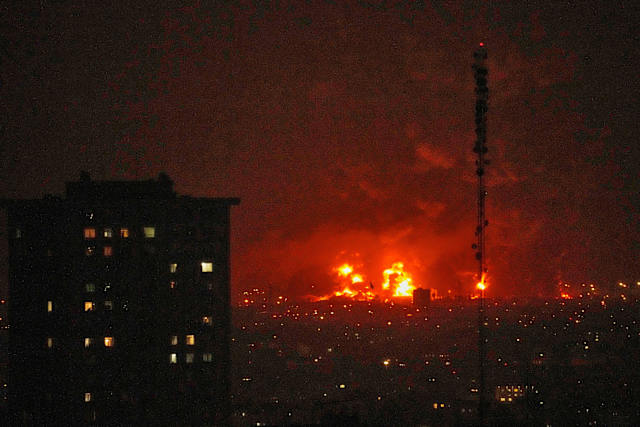
For cross-border sellers, this succession creates three critical risk vectors: First, escalating sanctions probability—Mojtaba's hardline positioning and IRGC-centric power base increase likelihood of US/EU sanctions expansion targeting Iranian industries, financial systems, and third-country intermediaries. Sellers sourcing electronics, textiles, or chemicals from Iran face potential compliance violations and supply disruption within 6-12 months. Second, Middle East logistics corridor instability—the succession coincides with North Korea's public support for Iran (March 2026) and Trump administration engagement with North Korea contingent on nuclear recognition, signaling potential realignment of regional military partnerships. This increases volatility in shipping routes through the Strait of Hormuz, affecting sellers routing inventory through Middle East hubs. Third, market access contraction—Iran's domestic e-commerce market (estimated $3-5B annually) faces further isolation as hardline policies trigger capital controls and payment system restrictions, reducing opportunities for sellers targeting Iranian consumers via Amazon, eBay, or Shopify.
Specific seller impact by segment: Small/medium sellers (1-50 SKUs) sourcing from Iran-adjacent suppliers in UAE, Turkey, or Pakistan should conduct immediate supply chain audits—identify any direct Iranian suppliers, IRGC-affiliated manufacturers, or sanctioned entity connections within 30 days. Large sellers (500+ SKUs) with Middle East fulfillment networks should evaluate 3PL provider compliance certifications and consider geographic diversification away from Iran-dependent logistics hubs. Sellers targeting Iranian consumers face payment processing barriers—international payment gateways increasingly restrict Iran transactions due to OFAC compliance, reducing market viability. The succession's timing (February 28 death, March 9-10 appointment announcement) creates a 60-90 day window before new sanctions frameworks likely materialize, making this the critical decision window for supply chain repositioning.
Questions 7
How does Mojtaba's IRGC background affect which Iranian industries are sanctionable?
Mojtaba's decades-long IRGC ties mean the organization's commercial interests—oil/gas, petrochemicals, telecommunications, construction, banking—face heightened sanctions risk. Sellers sourcing from these sectors indirectly (e.g., petrochemical-based plastics, telecom components) should verify supply chain origin. The IRGC controls ~20% of Iran's economy; Mojtaba's elevation signals potential expansion of IRGC sanctions designations. Avoid suppliers in Iran's oil, gas, shipping, and financial sectors entirely. Focus on non-IRGC-affiliated sectors (agriculture, textiles, handicrafts) if Iran sourcing is unavoidable, but conduct enhanced due diligence.
What specific OFAC violations should sellers avoid in Iran-related sourcing?
Sellers face penalties for: (1) Direct transactions with Iranian entities or IRGC-affiliated manufacturers—$20,000-$250,000 per violation; (2) Payments through Iranian banks or intermediaries—automatic OFAC violation; (3) Importing goods manufactured in Iran or by sanctioned entities—product seizure + penalties; (4) Knowingly sourcing from suppliers with Iranian ownership >50%. Check OFAC's SDN list monthly and require suppliers to certify no Iranian connections. Amazon Seller Central requires sanctions compliance attestation; violations trigger account suspension. Use trade compliance software (Amber Road, Descartes) to automate screening.