



Mortgage Market Mavens Unravel the Paradox of Rising Rates Before Fed Cuts
- Unexpected rate movements signal complex financial landscape for homeowners and investors





























































Overview
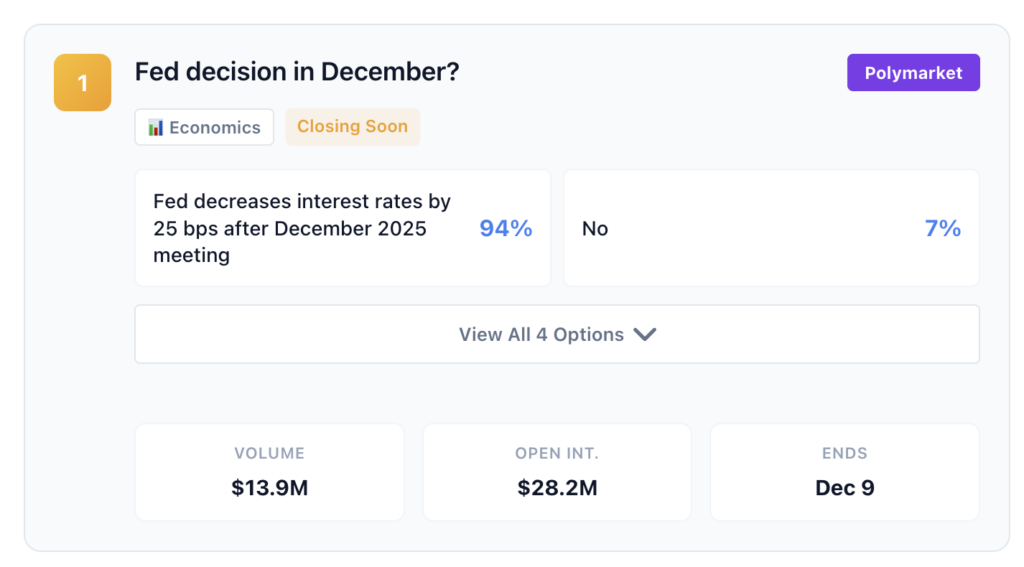
The U.S. mortgage market is experiencing a counterintuitive phenomenon that demands sophisticated financial analysis. Contrary to traditional expectations, mortgage rates are surging even as the Federal Reserve prepares for potential rate cuts, revealing a complex interplay of economic forces that challenge conventional wisdom.
Unexpected Rate Dynamics are driving this market complexity. The current landscape shows mortgage rates climbing despite anticipated monetary policy shifts, which signals deeper underlying economic tensions. This unusual behavior suggests that market expectations are decoupling from traditional Federal Reserve guidance, creating a nuanced environment for homeowners and financial strategists.
Refinancing Strategies have become increasingly critical in this volatile market. The December 2025 refinancing landscape reveals that homeowners must now navigate a more sophisticated decision-making process. Traditional assumptions about timing refinancing around Fed rate cuts are being fundamentally challenged. Savvy financial planners are now recommending a more granular approach that considers multiple economic indicators beyond simple interest rate projections.
The financial implications are profound. Homeowners face a strategic crossroads where conventional wisdom no longer provides clear guidance. Lenders and financial institutions are recalibrating their risk models, recognizing that the relationship between Federal Reserve policy and mortgage rates has become more complex and less predictable.
Strategic Recommendations: Homeowners should conduct comprehensive financial assessments that go beyond headline interest rates. Evaluate total loan costs, consider long-term financial goals, and be prepared to act quickly as market conditions evolve. Financial institutions must develop more adaptive pricing models that can respond to the increasingly dynamic economic environment.
Questions 3
Why are mortgage rates rising despite expected Fed rate cuts?
The rising rates reflect complex market dynamics beyond simple Federal Reserve policy. Factors include investor expectations, broader economic indicators, and institutional risk assessments that are creating a more nuanced pricing environment for mortgages.
What does this rate behavior mean for future mortgage strategies?
The current market signals a need for more adaptive financial strategies. Lenders and borrowers must develop more sophisticated approaches that go beyond traditional interest rate assumptions, focusing on holistic economic indicators and personalized financial planning.