



Strait of Hormuz Shipping Disruptions | Critical Supply Chain Risk for Cross-Border Sellers
- Military escalation threatens 21% of global oil transit; shipping costs to surge 15-25% for sellers routing through Persian Gulf





























Overview
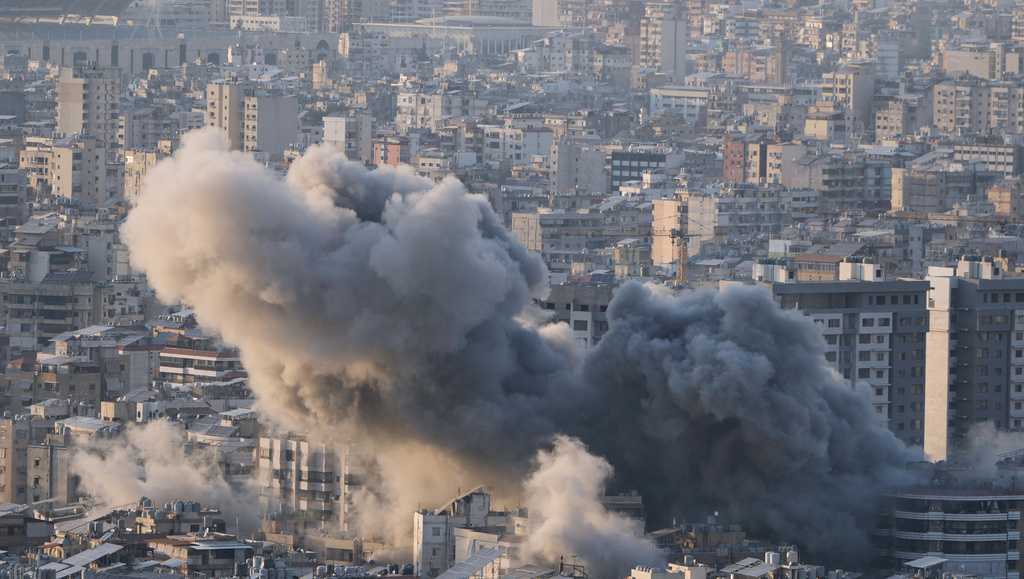
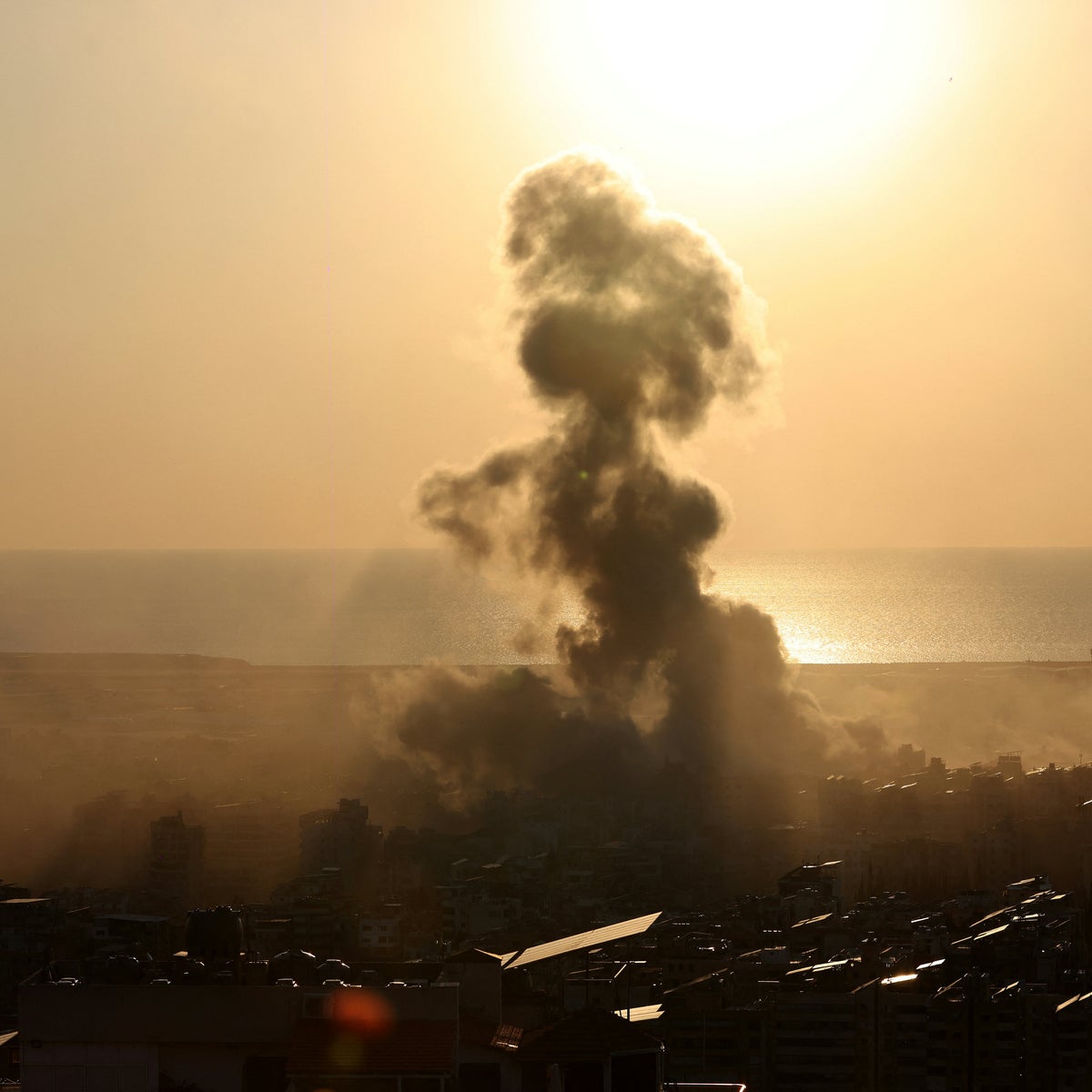
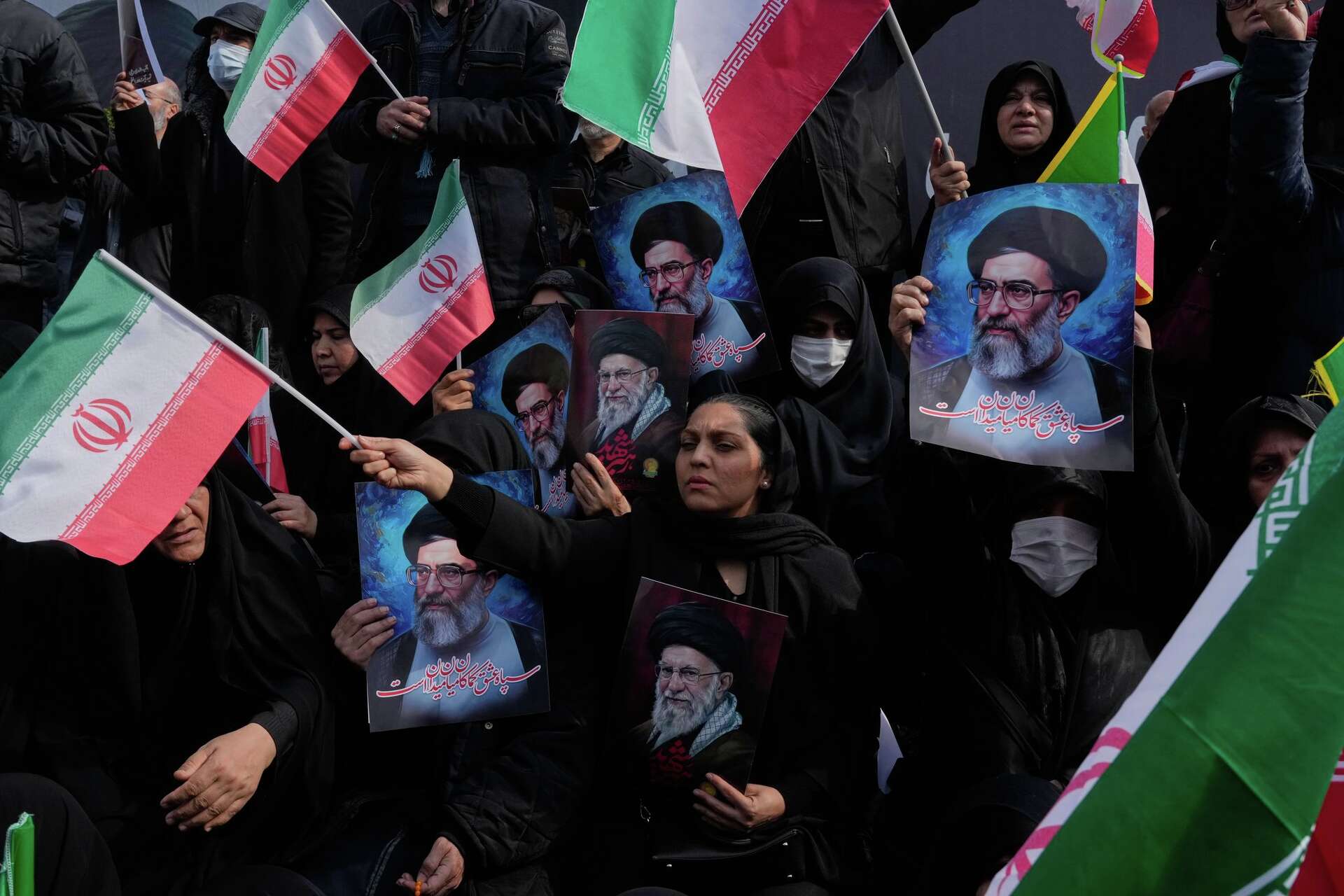
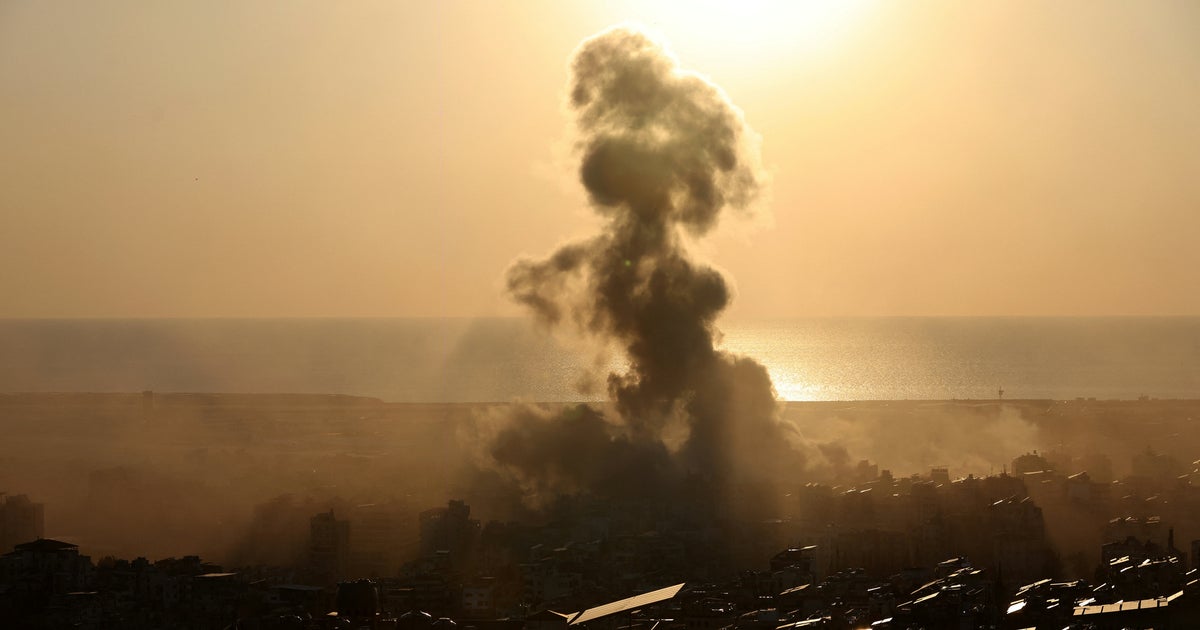
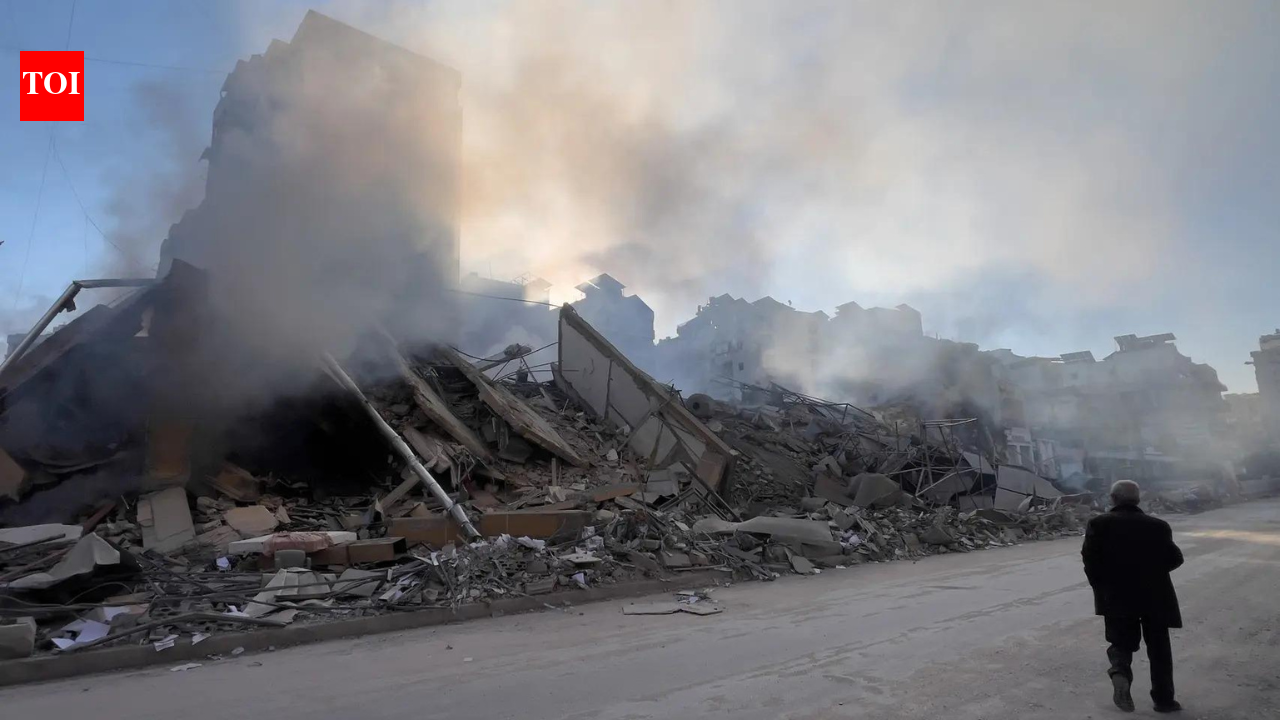
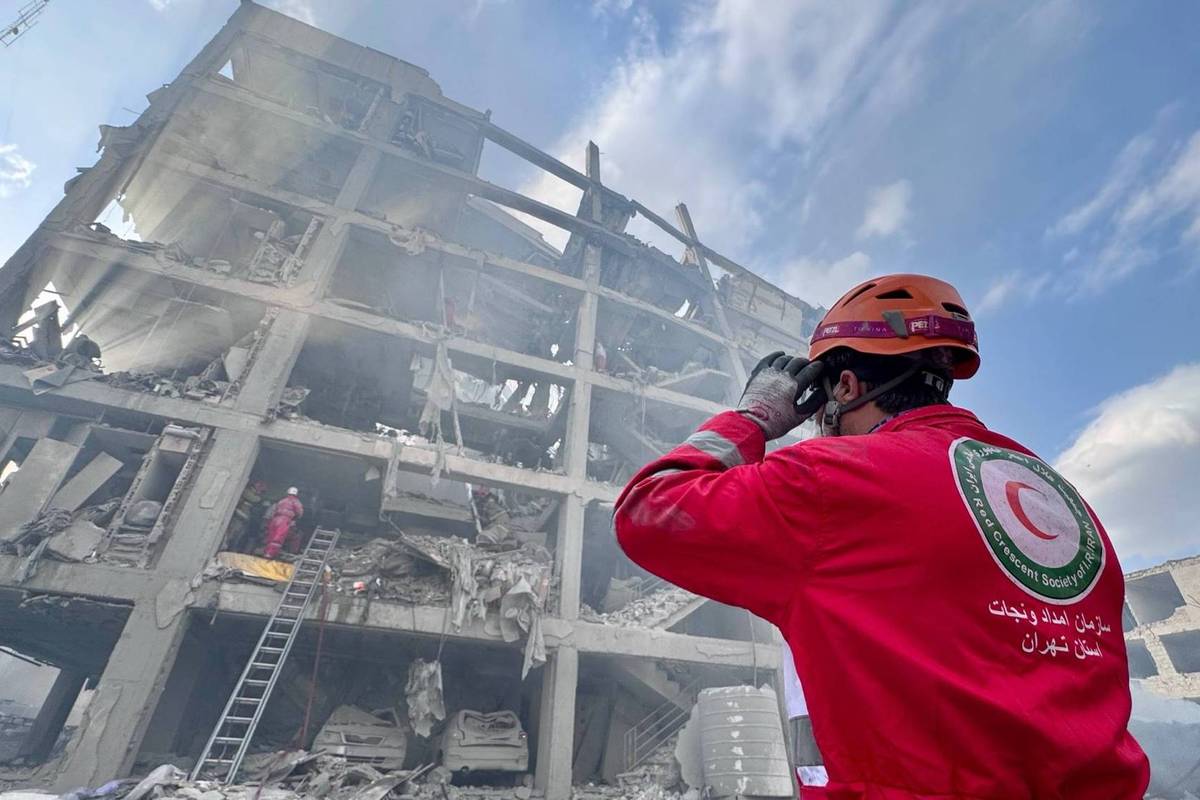
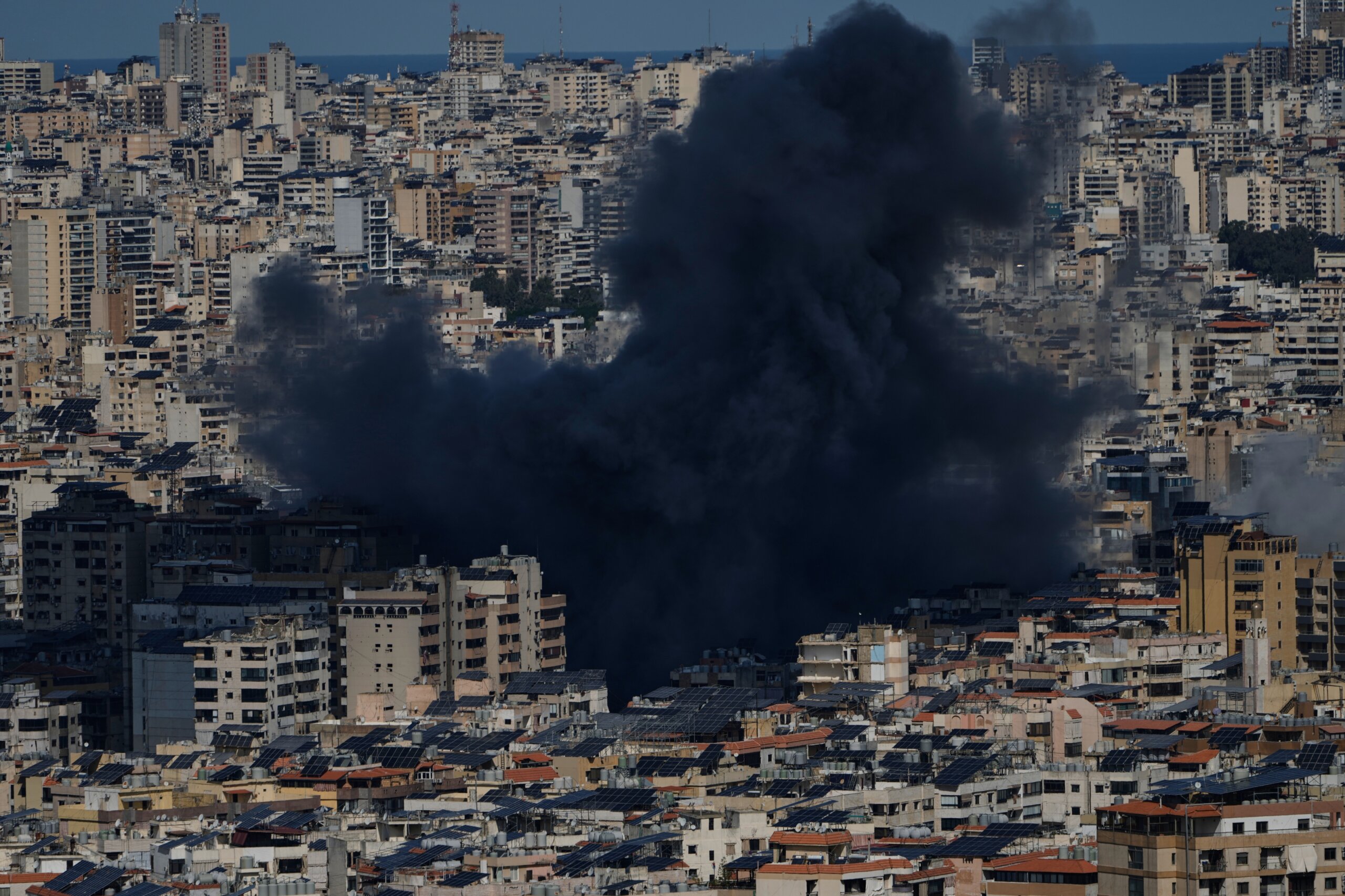
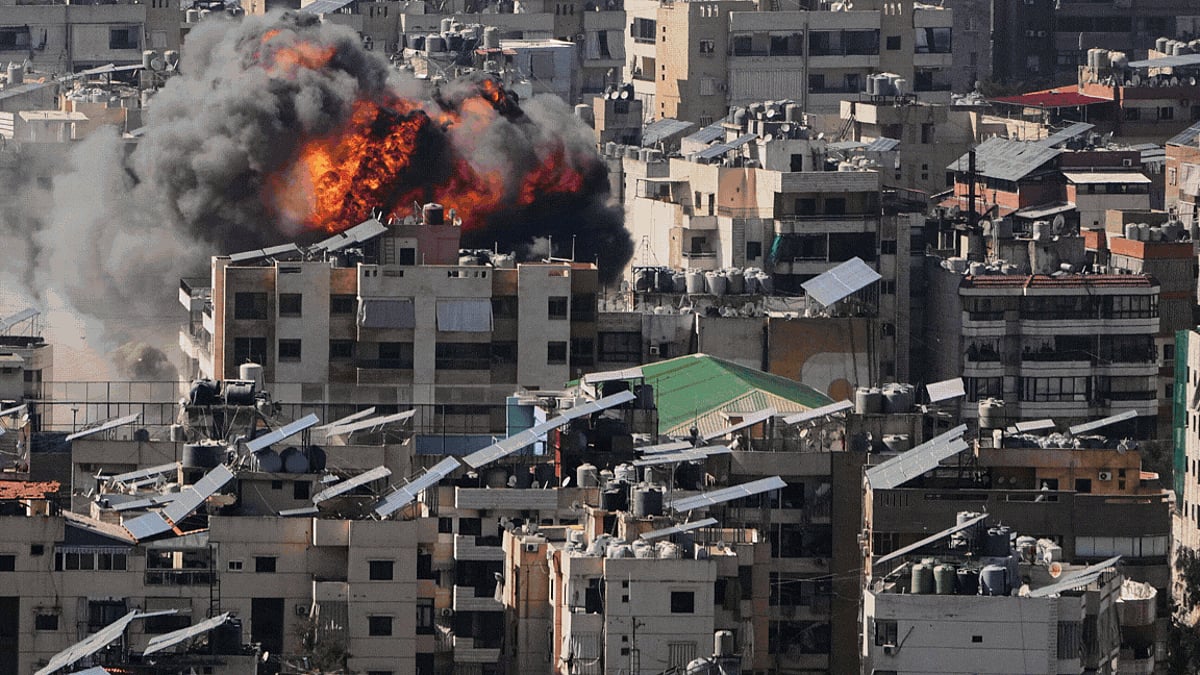
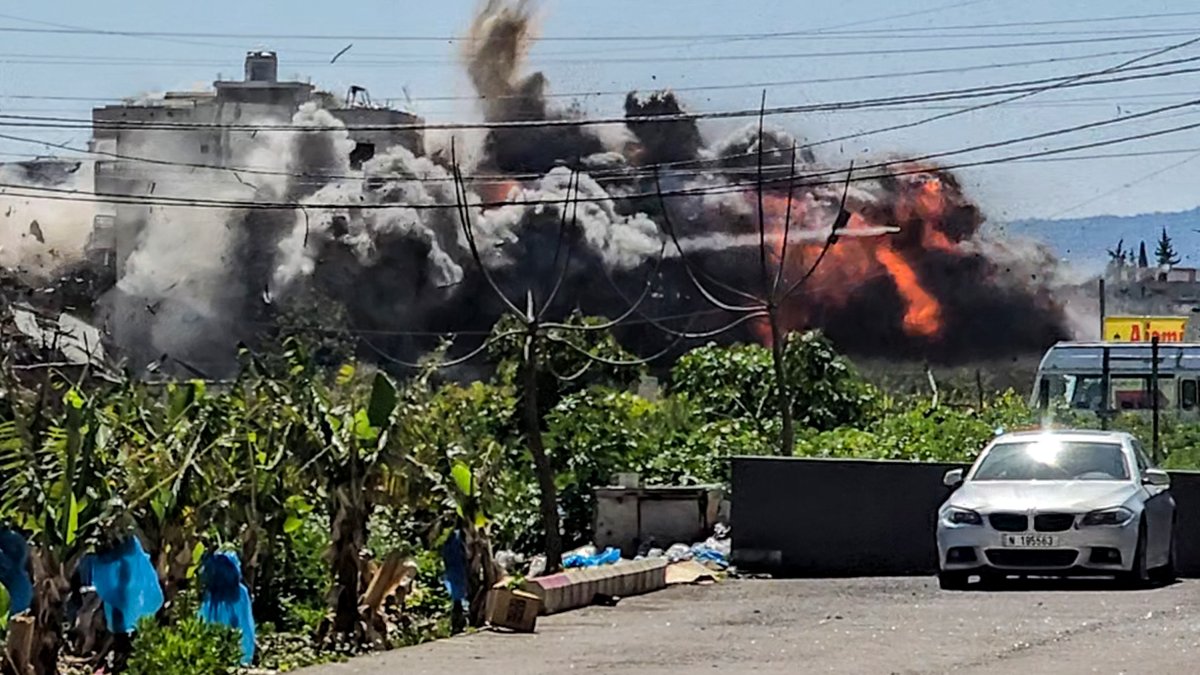
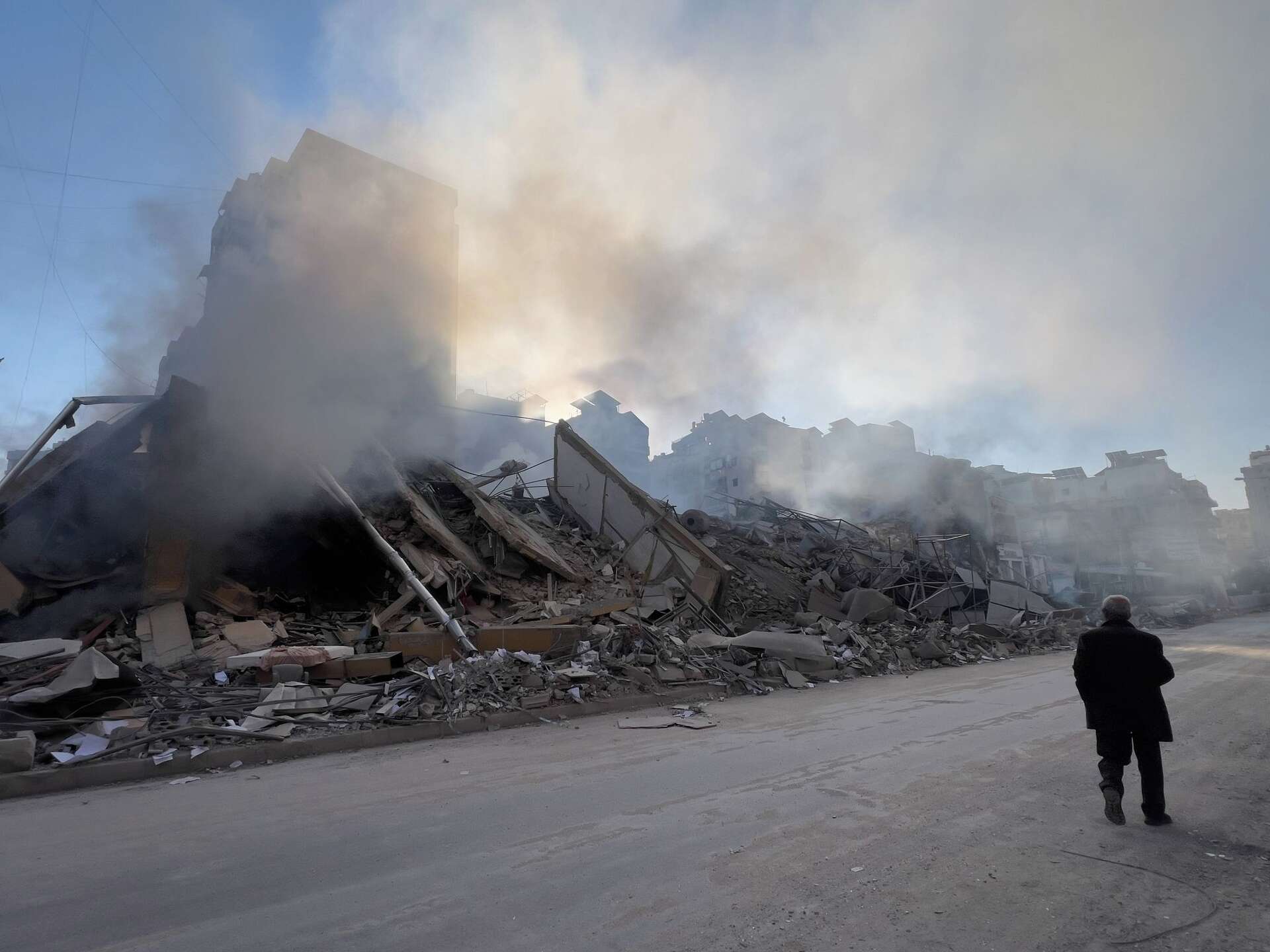
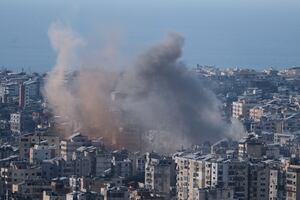
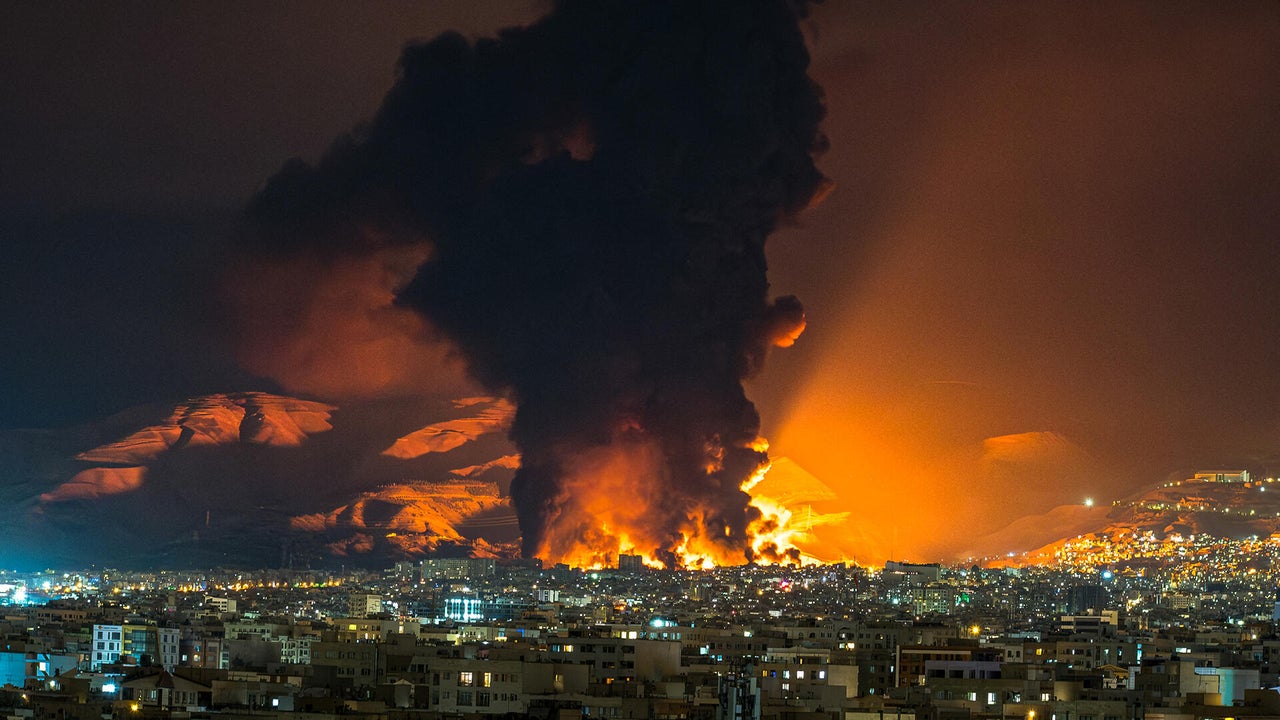
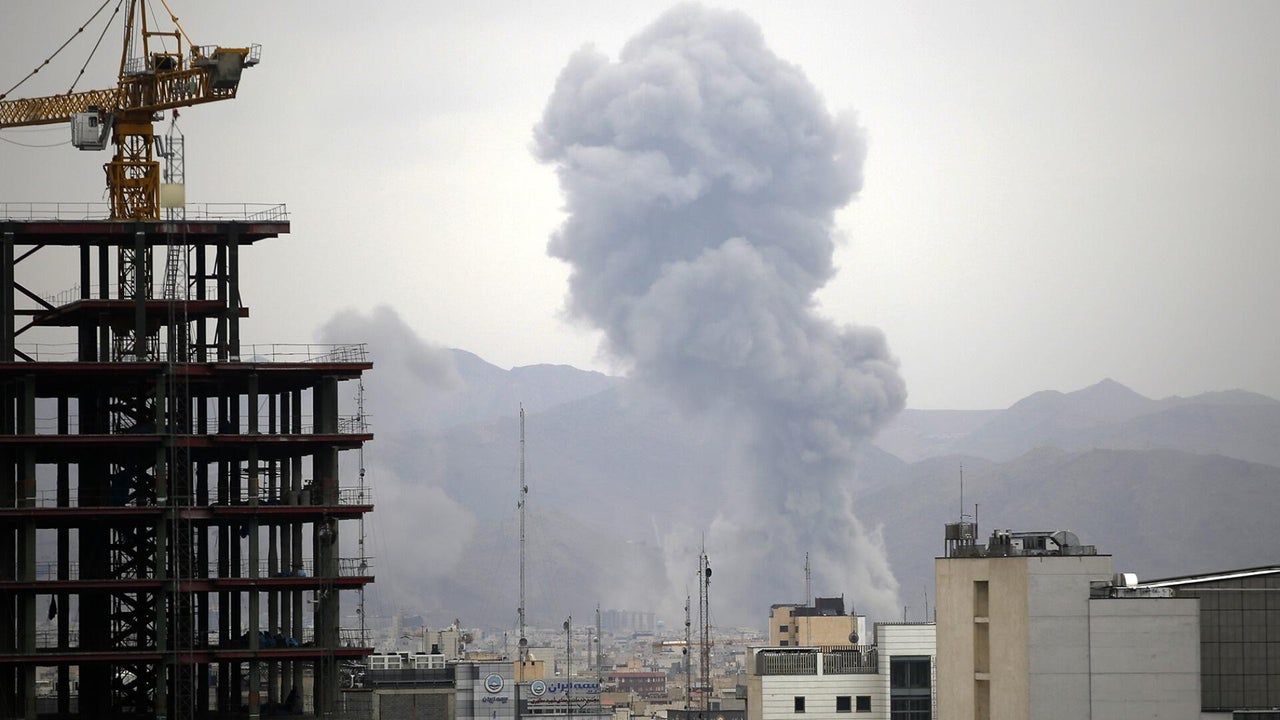
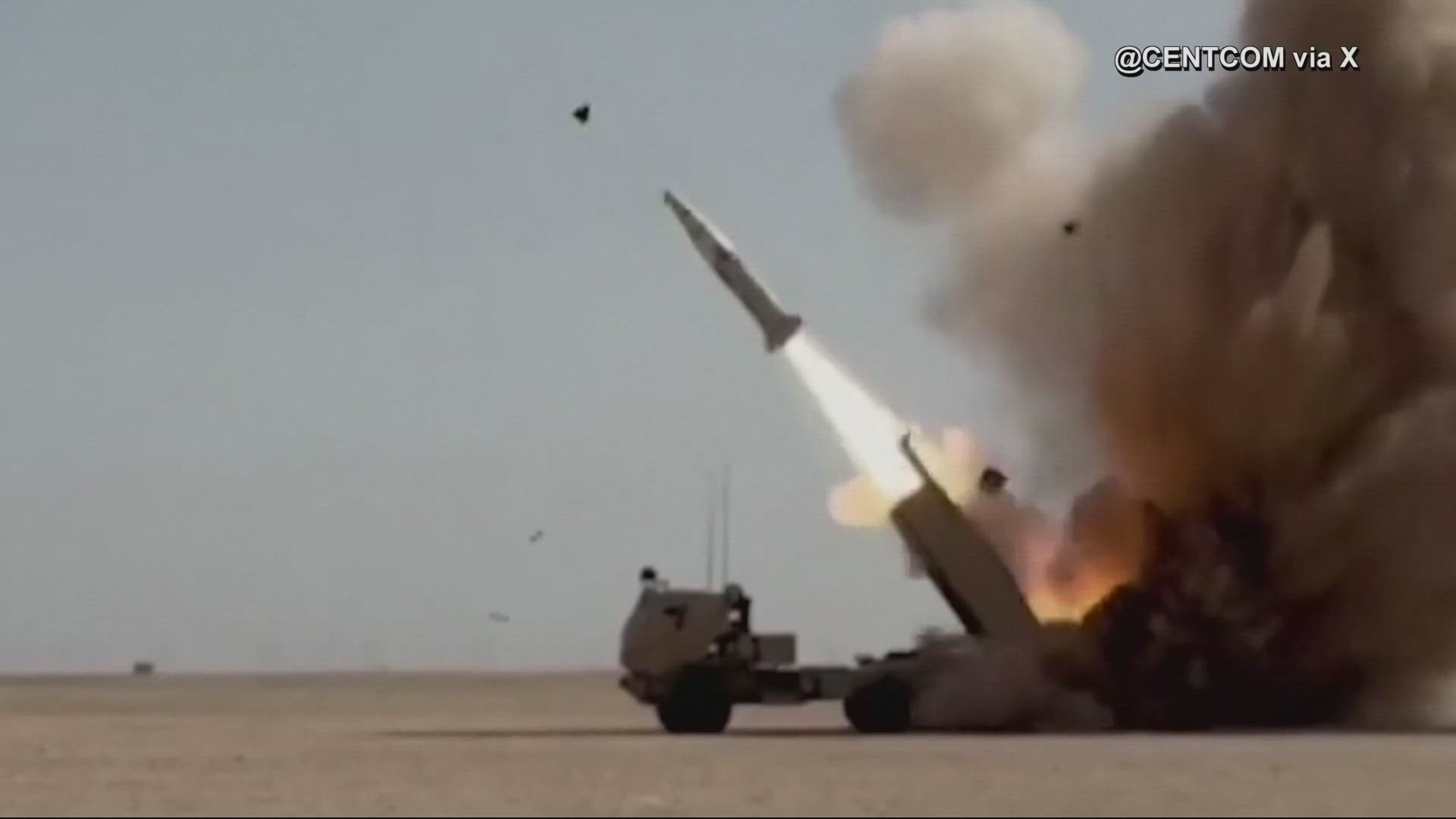
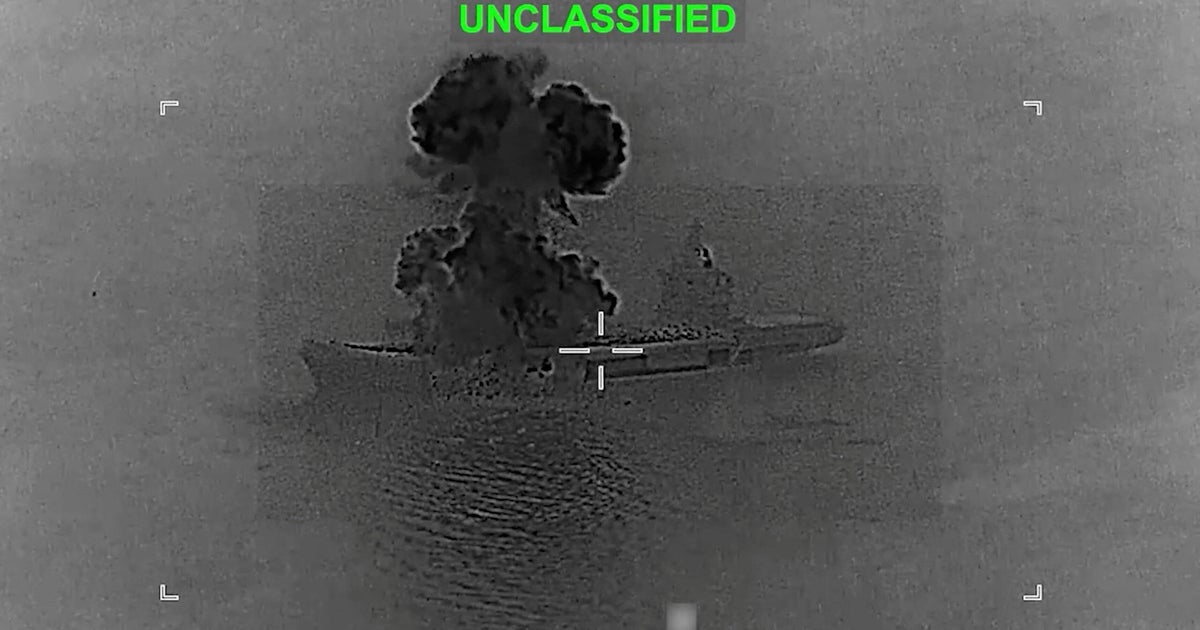
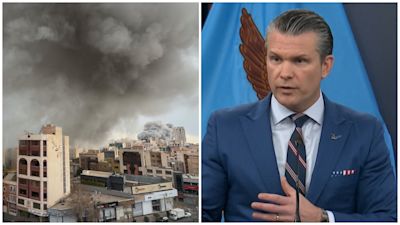
The escalating military conflict in the Middle East (March 10-11, 2026) presents a critical supply chain risk for cross-border e-commerce sellers, particularly those sourcing from Asia or shipping through the Strait of Hormuz. The news reports 12 days of intensive military operations involving Iran, Israel, the US, and Hezbollah, with the US military destroying 16 Iranian mine-laying vessels following warnings about potential disruptions to oil flows through the Strait of Hormuz—a critical shipping corridor handling approximately 21% of global petroleum transit and serving as a major route for containerized cargo.
Immediate Logistics Impact: Sellers relying on ocean freight from China, Vietnam, India, and Southeast Asia to North American and European markets face significant cost escalation. Shipping insurance premiums through the Persian Gulf region have historically increased 15-25% during geopolitical tensions, with transit times extending 5-7 days as vessels reroute around the Cape of Good Hope. For sellers shipping 500+ units monthly via ocean freight, this translates to $800-2,400 additional monthly costs per container. Major 3PL providers (DHL Supply Chain, Flexport, Agility) have already issued advisories recommending alternative routing, which adds 10-14 days to transit times but reduces insurance risk.
Product Category Implications: High-margin, time-sensitive categories face the greatest pressure—electronics (HS codes 8471-8517), apparel (HS 6204-6209), and home goods (HS 9401-9406) typically operate on 30-45 day inventory cycles. Sellers in these categories must immediately evaluate inventory positioning. Those with 60+ days of stock can absorb rerouting delays; those with 15-30 days face potential stockouts and Buy Box loss on Amazon. Conversely, sellers of safety equipment, emergency supplies, and geopolitical-sensitive merchandise (news-related collectibles, political merchandise) may see demand spikes in affected regions.
Strategic Sourcing Shifts: The conflict creates a 6-12 month window for sellers to evaluate sourcing diversification. Vietnam and India-based suppliers offer 8-12% cost advantages over China for many categories, and this geopolitical risk may justify the transition despite higher per-unit costs. Sellers should model scenarios: maintaining current China sourcing with rerouting costs vs. shifting 30-50% volume to Vietnam/India suppliers with longer lead times but lower geopolitical exposure. Air freight alternatives (currently 4-6x ocean costs) become viable only for ultra-high-margin products (>60% gross margin) or emergency inventory replenishment.
Questions 8
Are there tariff or customs implications from the Middle East conflict?
Currently, the conflict does not directly trigger new tariffs on Asian imports to US/EU markets. However, monitor for potential secondary effects: (1) if the conflict disrupts Iranian oil exports, global oil prices may rise 10-15%, increasing shipping fuel surcharges, (2) if US/EU impose sanctions on Iran-related entities, verify your suppliers have no Iranian ownership or connections to avoid compliance violations, (3) if the conflict extends to broader Middle East instability, watch for potential tariff changes on Middle East-origin goods (textiles from Turkey, chemicals from UAE). For now, focus on logistics cost management rather than tariff planning. Verify your supplier compliance through your freight forwarder's sanctions screening tools (most major 3PLs provide this automatically).
What's the timeline for shipping cost increases and when should I act?
Shipping insurance premiums and rerouting costs are already being implemented by major carriers (March 2026). For sellers with orders in transit, expect delays of 5-7 days on standard routing or 10-14 days on alternative routes. For new orders placed in March-April 2026, budget 15-25% higher shipping costs through June 2026 (typical conflict duration). Immediate actions: review your current inventory position by March 15, 2026; contact your 3PL provider for updated routing and cost estimates by March 20; and place critical replenishment orders by March 25 before further escalation. If the conflict extends beyond 90 days, consider permanent sourcing diversification to Vietnam/India to lock in cost advantages.