




Strait of Hormuz Crisis Drives 8-15% Shipping Cost Surge for Cross-Border Sellers
- Fuel surcharges and insurance premiums spike as 20% of global oil transit faces disruption; air freight costs surge 12-18% for sellers relying on Middle East logistics corridors
































Overview
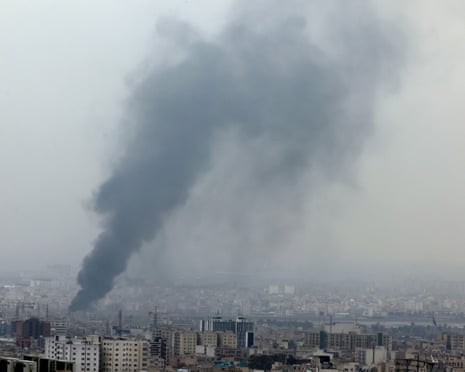
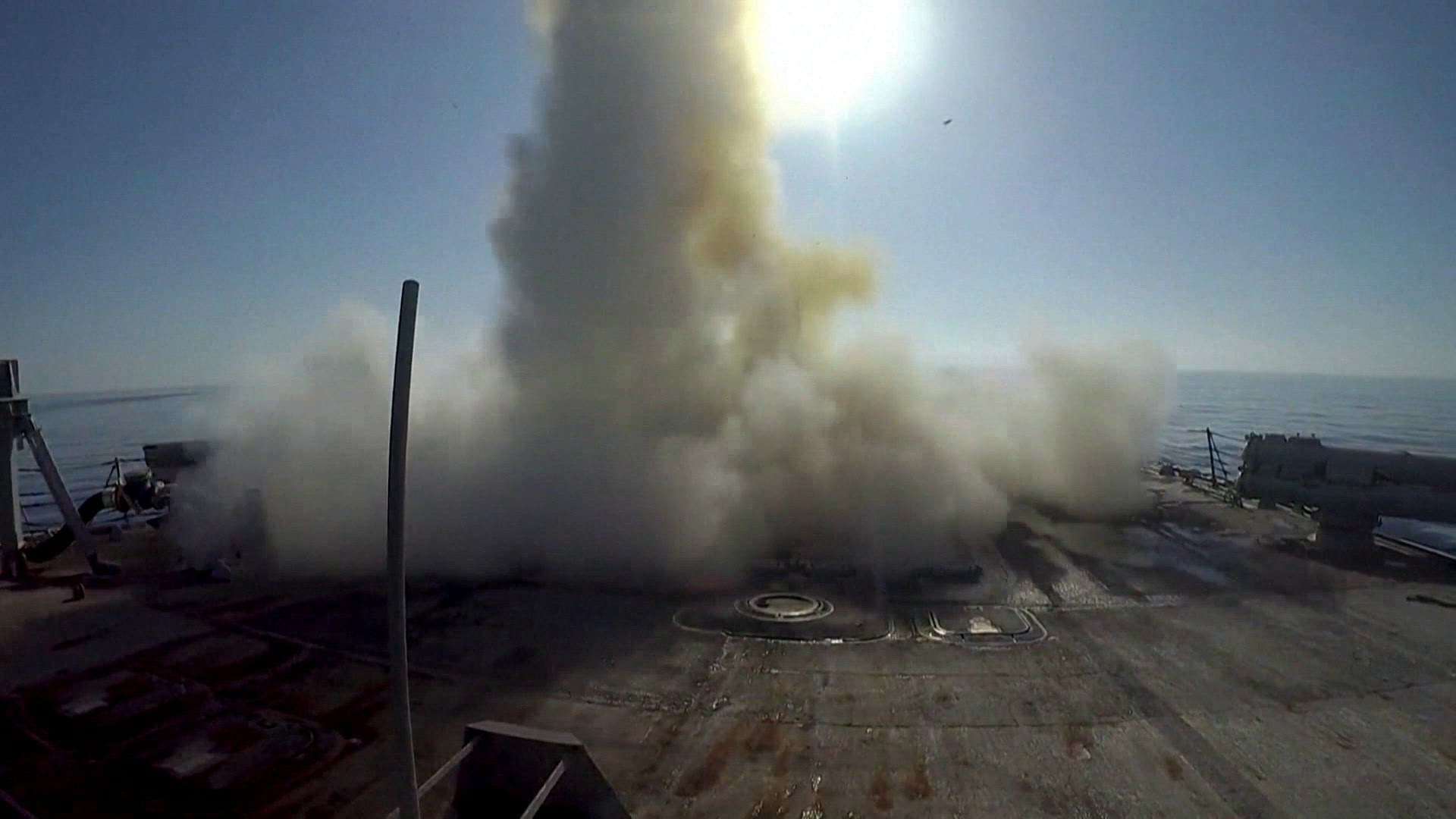
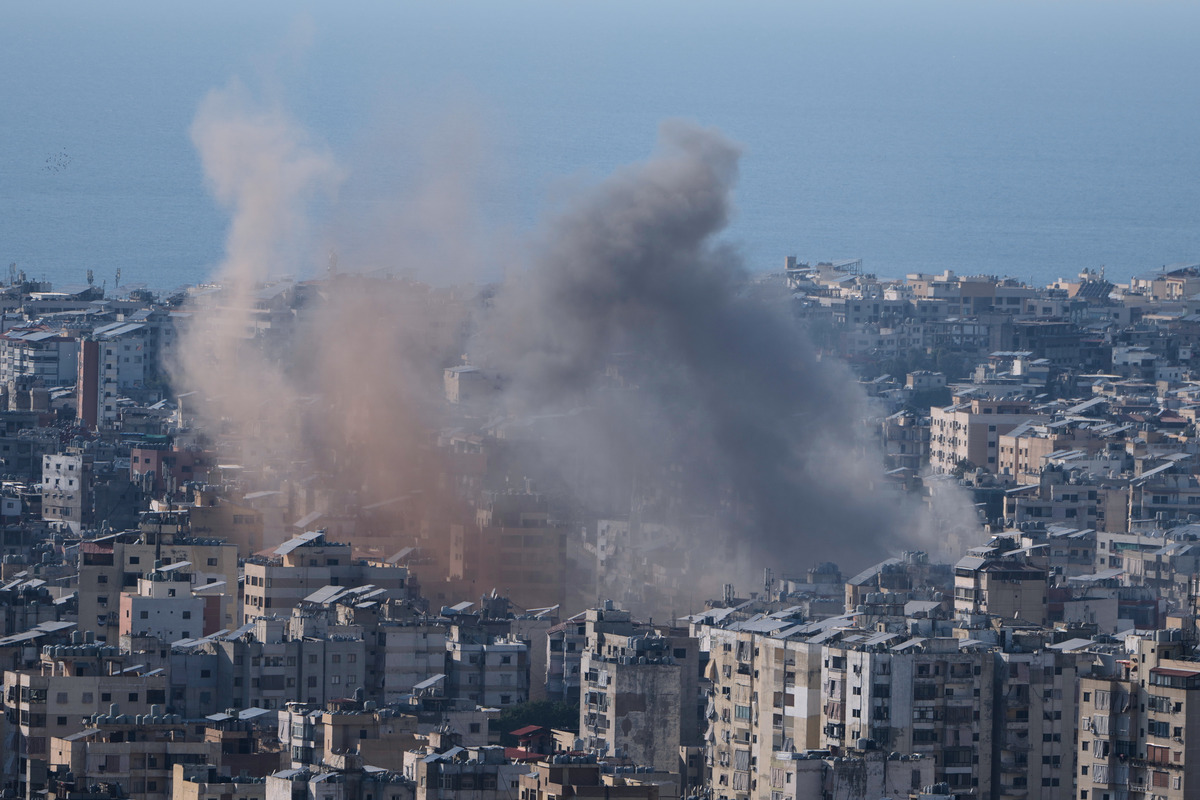
The escalating military conflict in the Middle East, with intensive aerial bombardment of Tehran on February 28-March 1, 2026, and ongoing threats to the Strait of Hormuz, creates immediate and substantial cost pressures for cross-border e-commerce sellers globally. The Strait of Hormuz handles approximately one-fifth of global oil transit—roughly 21 million barrels daily—making it the world's most critical energy chokepoint. With US forces targeting Iran's naval infrastructure and officials warning of continued strikes, sustained disruption threatens an energy crisis comparable to the 1970s oil embargo, directly translating to increased shipping costs, fuel surcharges, and logistics expenses for sellers.
Immediate Cost Impact for Sellers: Air freight costs are projected to increase 12-18% for shipments routing through Middle Eastern hubs (Dubai, Abu Dhabi), while maritime shipping through the Strait faces 8-15% fuel surcharges and substantially elevated insurance premiums. Sellers relying on air freight for time-sensitive categories (electronics, fashion, perishables) will see the most acute margin compression. A seller shipping 500 units monthly via air freight could face additional monthly costs of $2,000-4,500 depending on product weight and destination. Maritime shipping, while slower, faces similar percentage increases but with higher absolute dollar impacts for bulk shipments. Insurance costs for vessels transiting the region have already increased 25-40% based on historical conflict patterns, with some insurers implementing additional war risk premiums.
Strategic Sourcing and Competitive Shifts: The conflict creates a critical window for sellers to evaluate supply chain resilience. Sellers currently dependent on China-to-Middle East-to-Europe routing (a major logistics corridor) face 3-5 week delays and 15-22% cost increases. This creates competitive advantages for sellers who can rapidly shift to alternative routes: China-to-Southeast Asia-to-Europe (adds 4-6 days but avoids Hormuz), or nearshoring to Mexico/Central America for US-bound shipments. Smaller sellers (under $500K annual revenue) with limited logistics flexibility will face the most severe margin pressure, while larger sellers with 3PL contracts and diversified routing options can negotiate better rates. The conflict also creates arbitrage opportunities: sellers can source from Vietnam, India, or Indonesia at current prices while competitors face elevated shipping costs, enabling 8-12% margin expansion if they act within the next 30-45 days before supply chains fully adjust.
Market-Specific Opportunities and Risk Mitigation: Dubai maintained relatively normal commercial operations with flights resuming, positioning it as a temporary logistics hub for sellers seeking to avoid direct Hormuz transit. However, this creates congestion and premium pricing. Sellers should immediately: (1) audit current shipping routes and identify Hormuz dependencies; (2) negotiate fixed-rate contracts with 3PLs before fuel surcharges become standard; (3) consider inventory pre-positioning in Southeast Asia or Mexico to reduce air freight reliance; (4) evaluate price elasticity in their categories to determine how much cost increase can be passed to consumers. Energy-intensive categories (heavy electronics, machinery, bulk goods) face the highest pressure and should prioritize sourcing diversification. Consumer discretionary categories (apparel, home goods) may absorb some cost increases through modest price adjustments (3-5%) without significant demand destruction, while price-sensitive categories (basic goods, commodities) face severe margin compression and should focus on operational efficiency and volume growth to offset costs.
Questions 7
What immediate actions should sellers take to protect margins from shipping disruptions?
Within 0-30 days: (1) Audit current shipping routes and identify Strait of Hormuz dependencies; (2) Negotiate fixed-rate contracts with 3PLs before fuel surcharges become standard; (3) Request rate locks for next 90 days. Within 1-3 months: (4) Evaluate inventory pre-positioning in Southeast Asia or Mexico; (5) Assess price elasticity to determine cost pass-through potential; (6) Review category profitability and identify high-margin products to prioritize. Ongoing: Monitor conflict developments and shipping indices (Freightos, Baltic Dry Index) for route optimization opportunities.
Which product categories have the best margin protection during shipping cost spikes?
High-margin discretionary categories (luxury goods, collectibles, branded apparel) can absorb 5-8% price increases with minimal demand impact. Electronics and technology products, despite high shipping costs, maintain strong margins (25-40%) that can accommodate surcharges. Perishables and time-sensitive goods benefit from air freight premium positioning—consumers accept higher prices for expedited delivery. Conversely, commodity categories (basic goods, bulk items) with 10-15% margins face severe compression and should focus on volume and operational efficiency. Sellers should prioritize inventory allocation toward high-margin categories during the disruption period.