


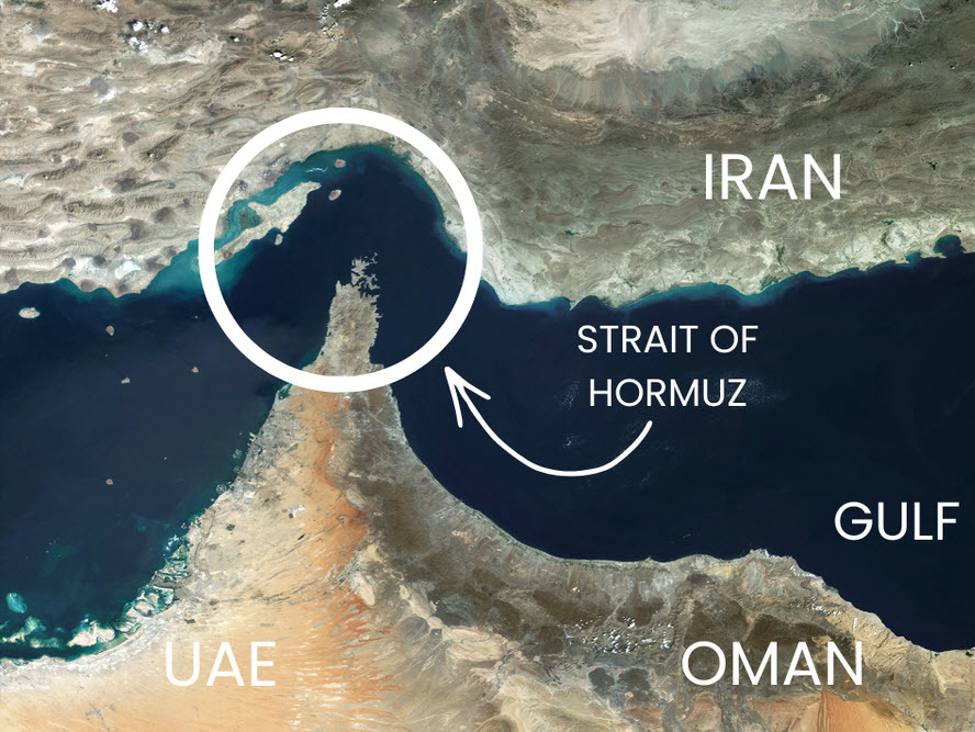


Strait of Hormuz Shipping Crisis | 20% Global Oil Disruption Drives E-Commerce Logistics Costs Up 8-15%
- Geopolitical tensions since Feb 28 escalate fuel surcharges for cross-border sellers; FBA shipping costs rise $150-400/month for high-volume merchants












)

Overview
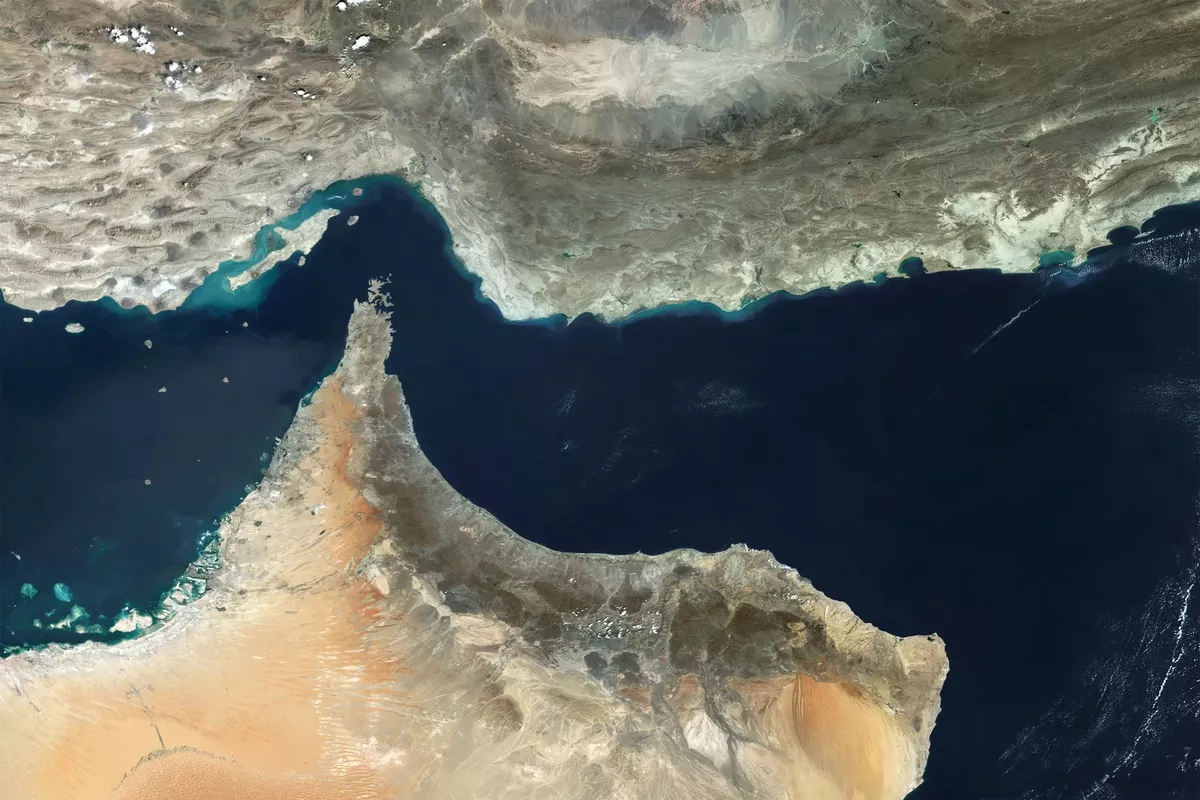
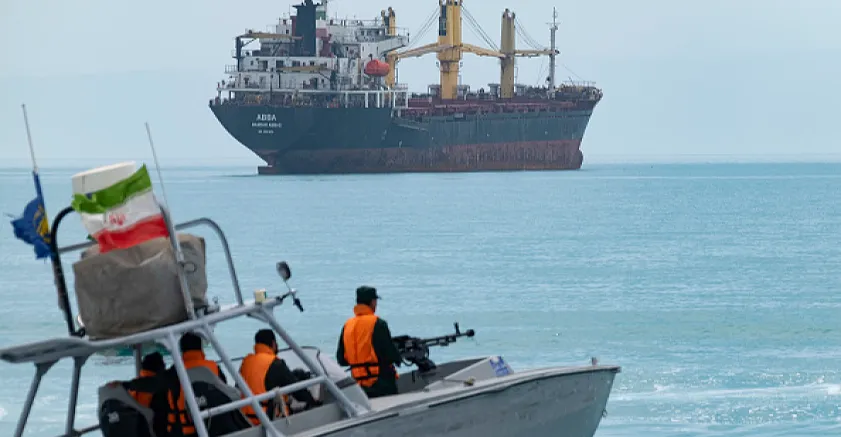
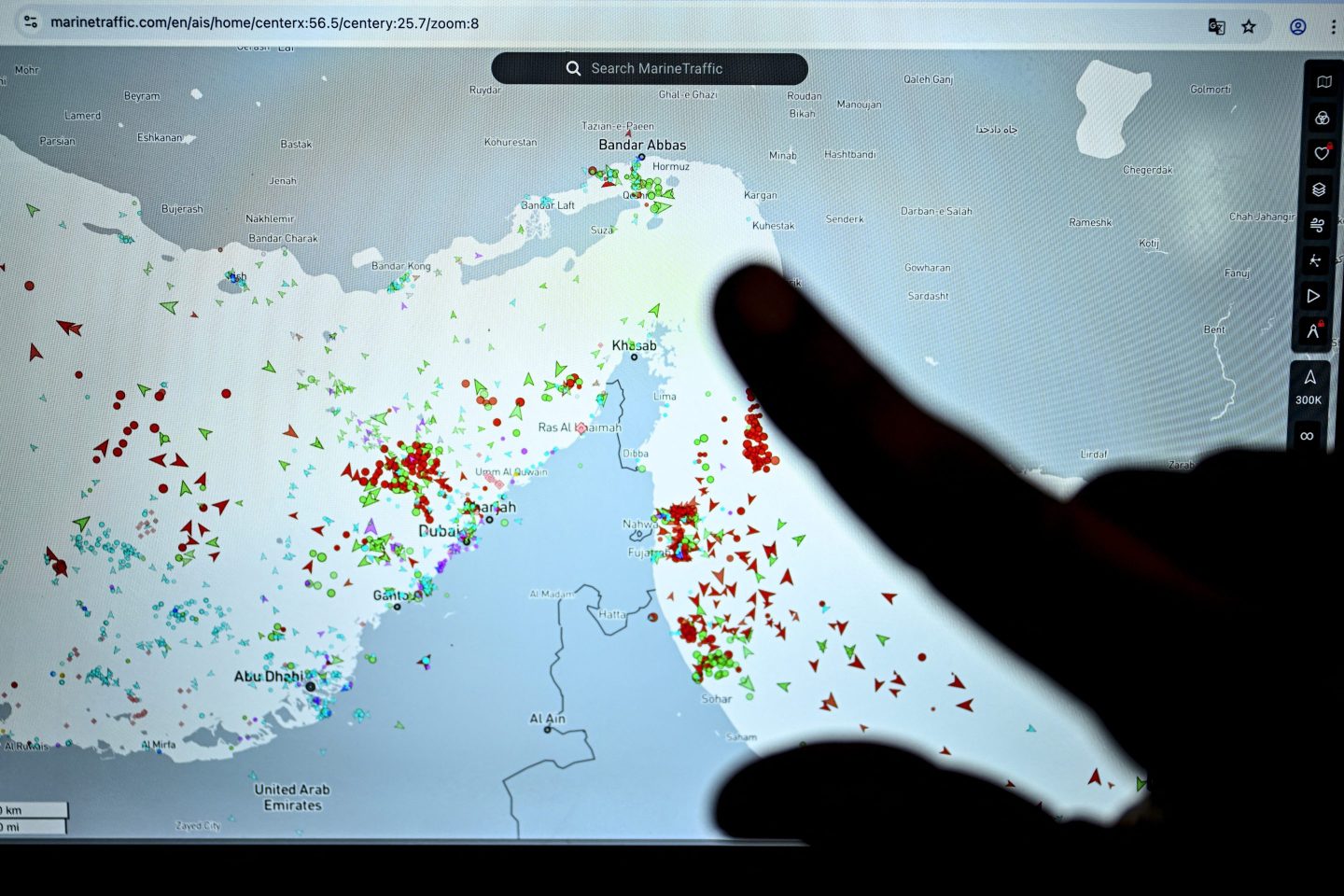
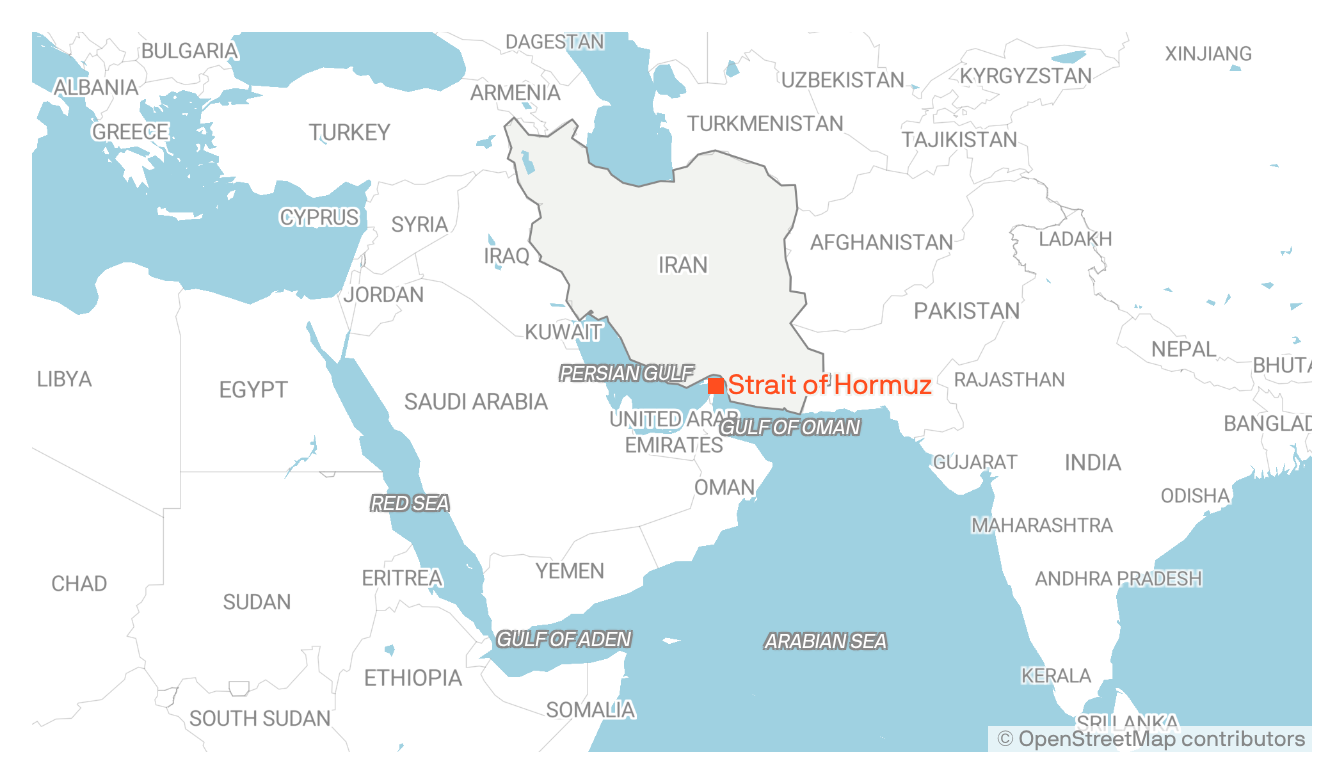
The Strait of Hormuz shipping crisis represents a critical supply chain inflection point for cross-border e-commerce sellers. Following US-Israeli military operations against Iran beginning February 28, shipping traffic through this critical maritime chokepoint—which handles approximately 20% of global oil and gas supplies—has significantly declined. Iran's mine-laying activities in the Strait have compounded security concerns, with crude oil prices spiking above $100 per barrel. This geopolitical escalation directly impacts e-commerce operational costs through fuel surcharges, transportation fees, and logistics delays affecting sellers across Amazon FBA, eBay, Shopify, and other platforms.
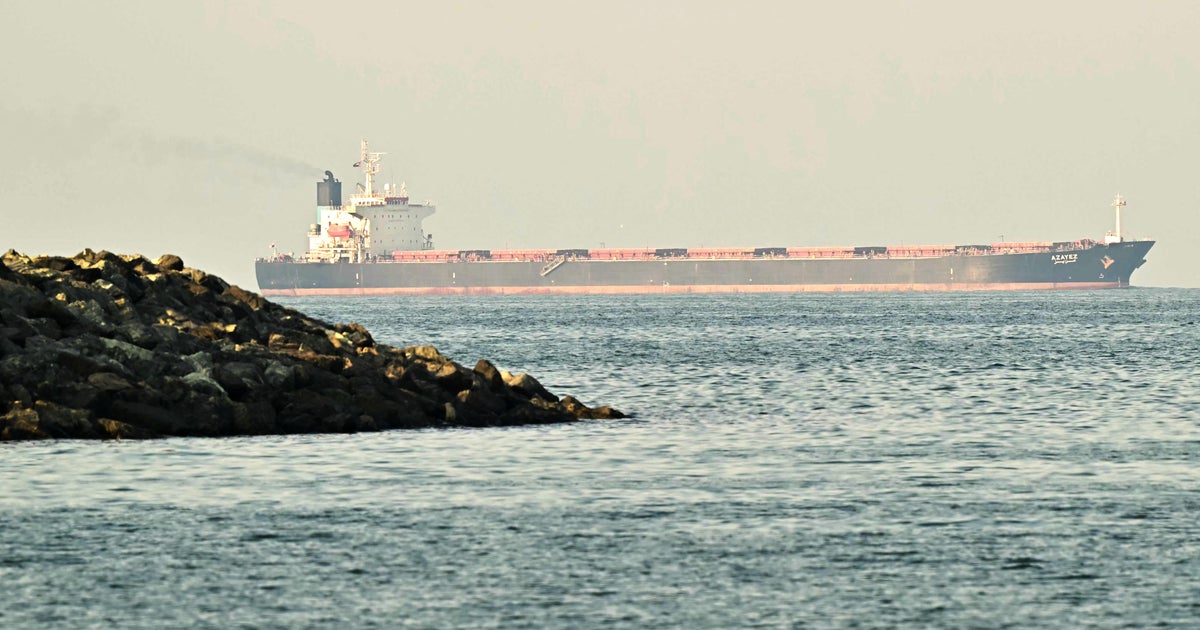
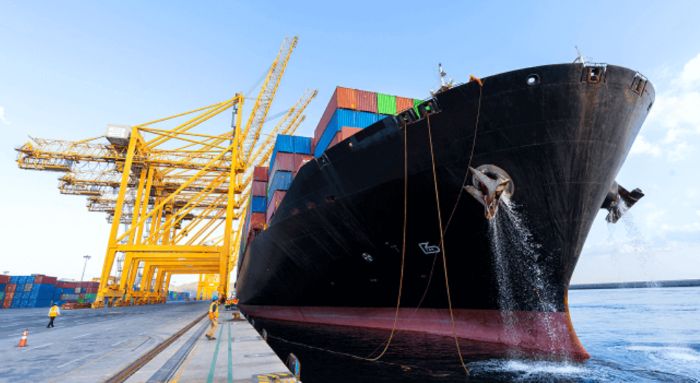
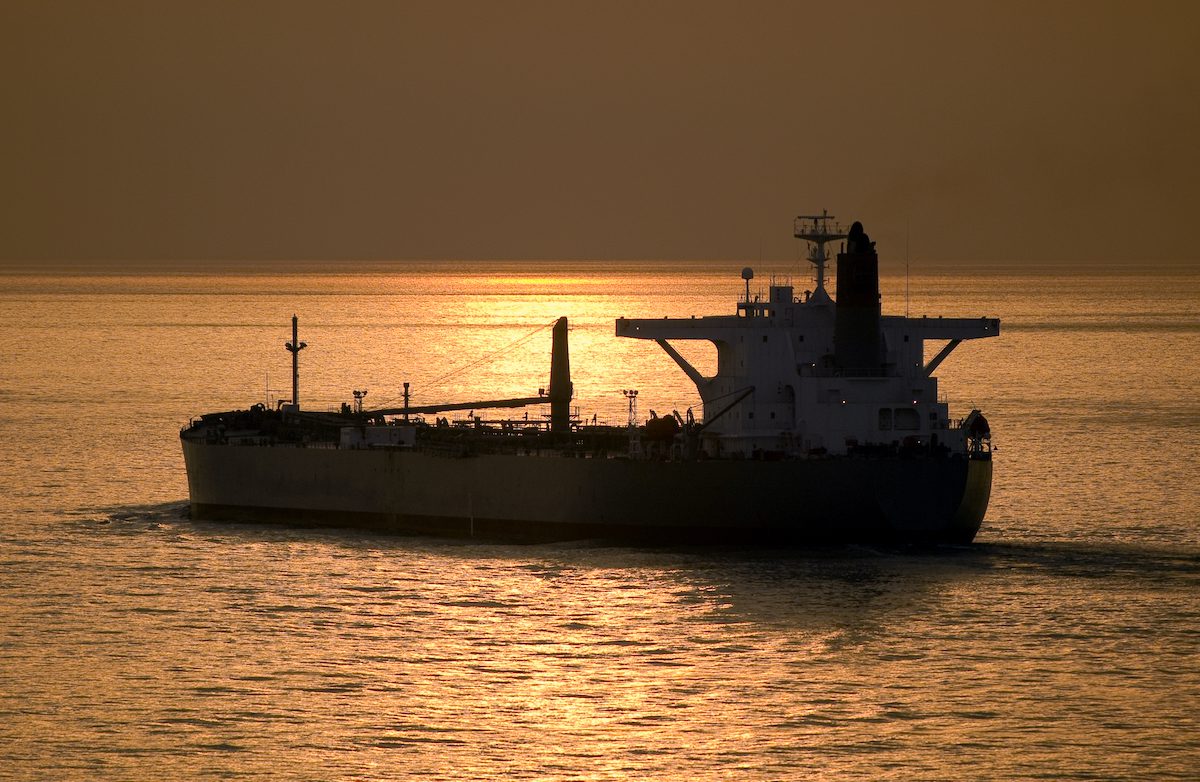
For cross-border e-commerce sellers, the immediate impact manifests in three critical areas. First, fuel surcharges on international shipping are rising 8-15% as carriers reroute vessels around the Cape of Good Hope, adding 10-14 days to transit times from Asia to Europe/US markets. Sellers shipping 1,000+ units monthly via FBA can expect cost increases of $150-400 monthly depending on product weight and destination. Second, sourcing costs for inventory manufactured in Asia are escalating as suppliers factor in higher fuel costs and extended lead times—particularly affecting electronics, textiles, and consumer goods categories. Third, insurance premiums for maritime cargo are increasing 5-12% as underwriters price in geopolitical risk, directly reducing margins for sellers relying on ocean freight.
The competitive advantage shifts toward sellers with strategic sourcing flexibility. Sellers currently sourcing from Vietnam, India, or Indonesia face lower Suez Canal exposure compared to China-dependent suppliers, creating a 3-6 month window to reposition inventory before competitors adapt. Small-to-medium sellers (SMBs) with limited inventory buffers face acute pressure—they cannot absorb 8-15% cost increases without raising prices or accepting margin compression. Large sellers with 3PL networks and pre-positioned inventory in regional fulfillment centers (US, EU, Asia-Pacific) can maintain competitive pricing while smaller competitors struggle. Additionally, sellers in high-margin categories (electronics, luxury goods, specialty items) can pass through cost increases more easily than commodity sellers in apparel or home goods where price sensitivity is acute.
Strategic timing is critical for the next 90-180 days. The current disruption window creates opportunities for sellers to lock in inventory at current prices before suppliers increase costs further, and to shift sourcing to less-exposed regions. However, the geopolitical situation remains volatile—any escalation could trigger additional route closures, insurance restrictions, or even temporary Suez Canal blockages similar to the 2021 Ever Given incident. Sellers should monitor shipping cost indices weekly and consider hedging strategies through 3PL providers offering fixed-rate contracts through Q2 2025.
Questions 8
Should I shift my sourcing from China to Vietnam or India to avoid Hormuz disruptions?
Yes, this represents a strategic 3-6 month window to reposition sourcing. Vietnam and India-based suppliers face significantly lower Suez Canal exposure compared to China-dependent supply chains. However, evaluate total landed costs carefully—Vietnam offers 5-8% lower fuel surcharge exposure but may have 2-3% higher unit costs. India sourcing can reduce lead times by 5-7 days compared to China routes. Lock in supplier agreements now before competitors recognize this advantage and drive up Vietnam/India capacity costs.
What is the impact on maritime insurance costs for my inventory shipments?
Insurance premiums for maritime cargo are increasing 5-12% as underwriters price in geopolitical risk from the Strait of Hormuz tensions. For a $50,000 container shipment, expect additional insurance costs of $2,500-6,000 annually. Some insurers are implementing surcharges specifically for Middle East transit routes. Review your cargo insurance policies immediately and compare quotes from multiple providers. Consider consolidating shipments to reduce frequency and negotiate volume discounts with your freight forwarder.