


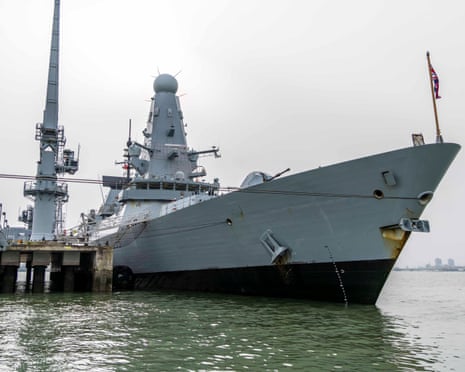

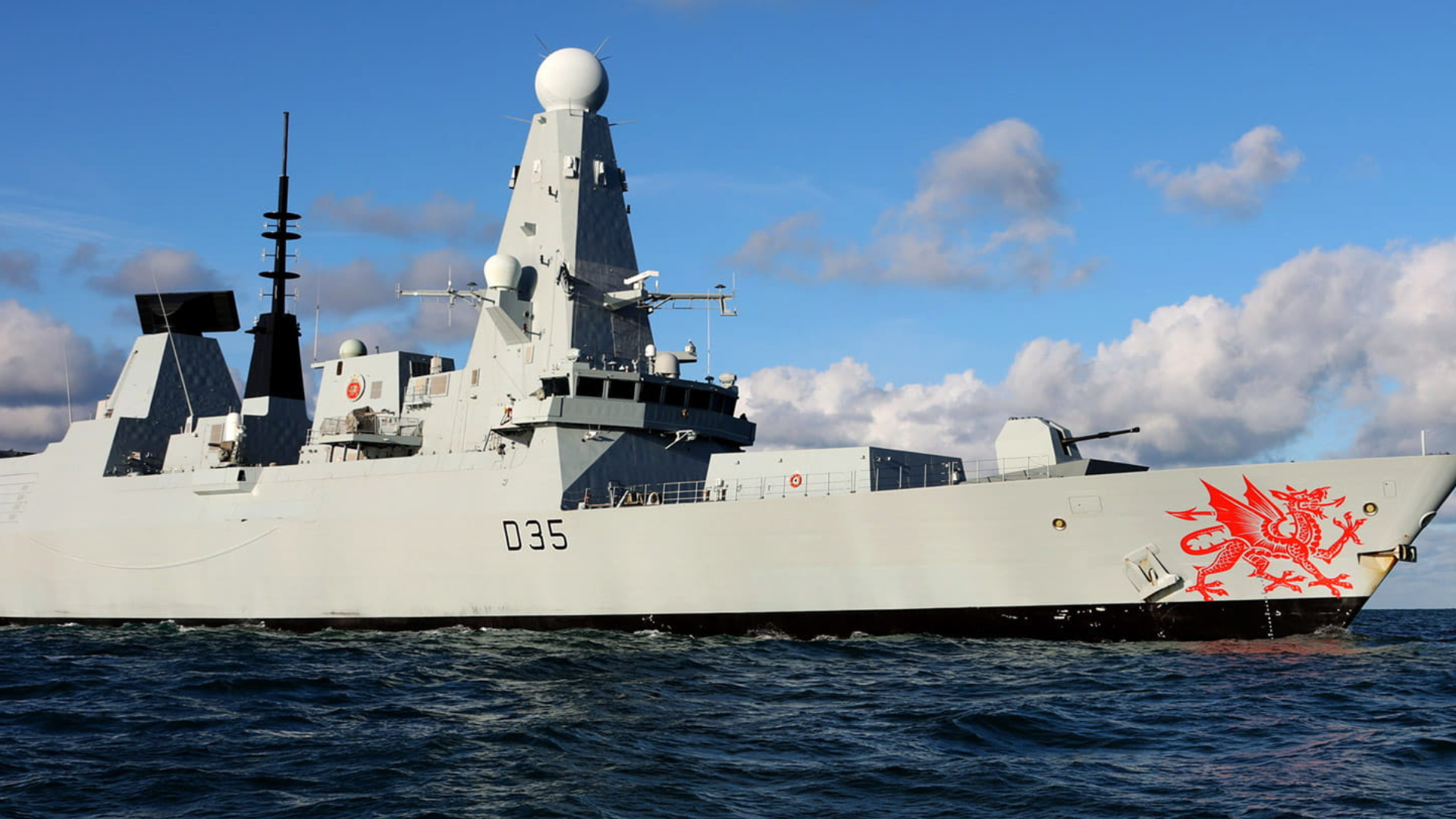
Strait of Hormuz Shipping Crisis | Cross-Border Sellers Face 8-15% Logistics Cost Surge
- HMS Dragon deployment signals escalating Middle East tensions affecting 21% of global petroleum trade; shipping insurance premiums and fuel surcharges rising for Asia-Pacific sourcing corridors
)

















Overview
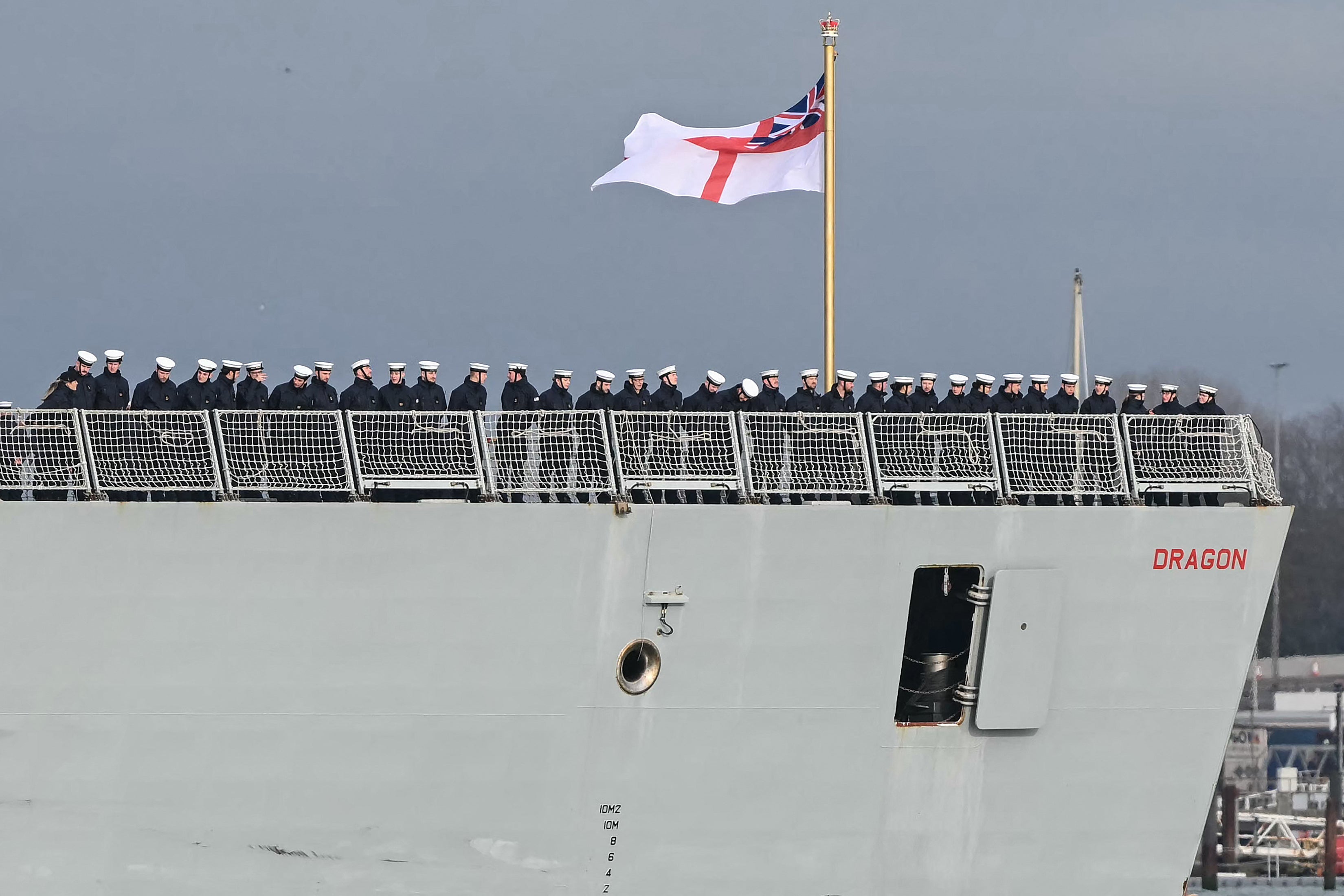
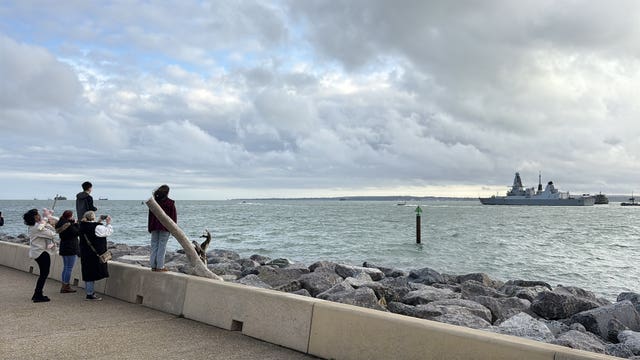
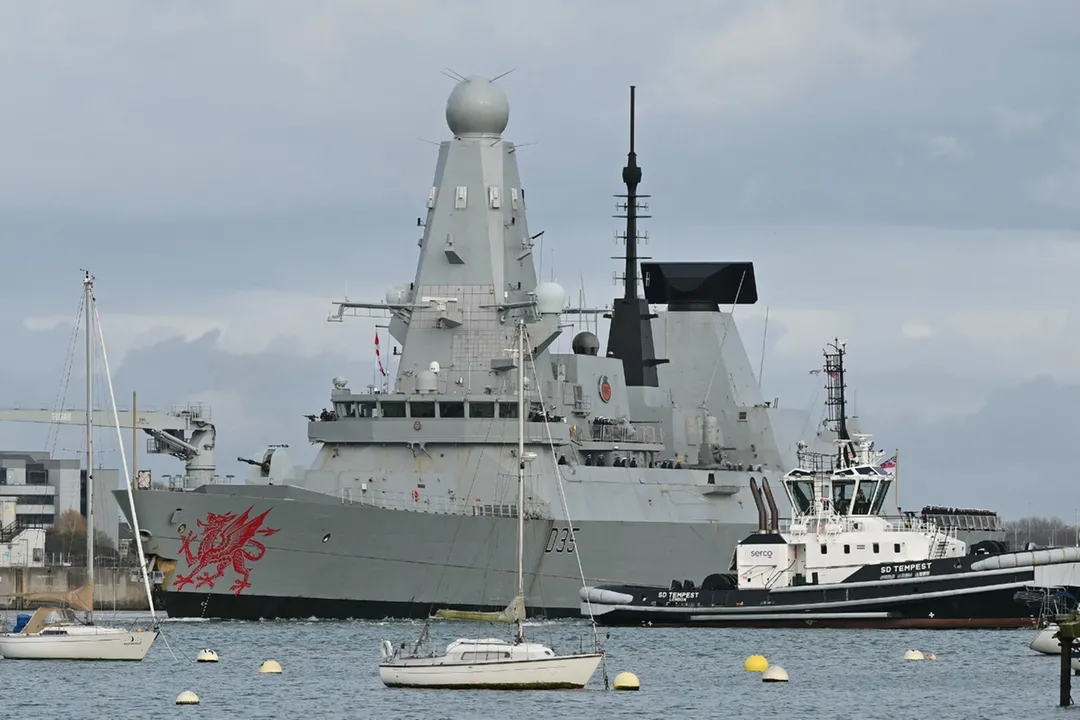
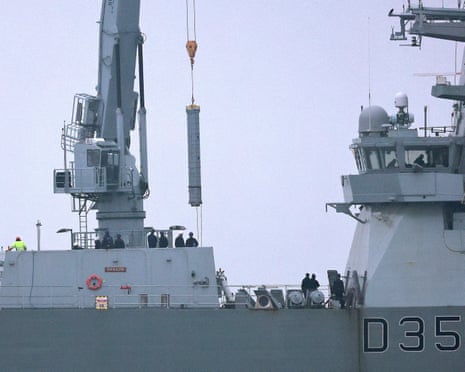
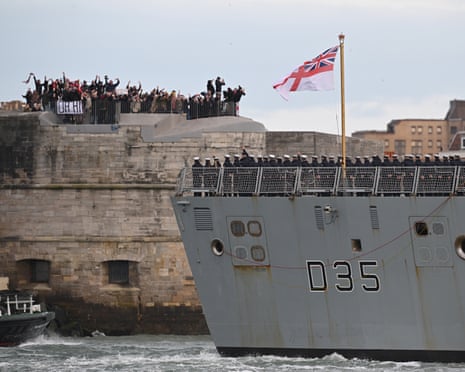
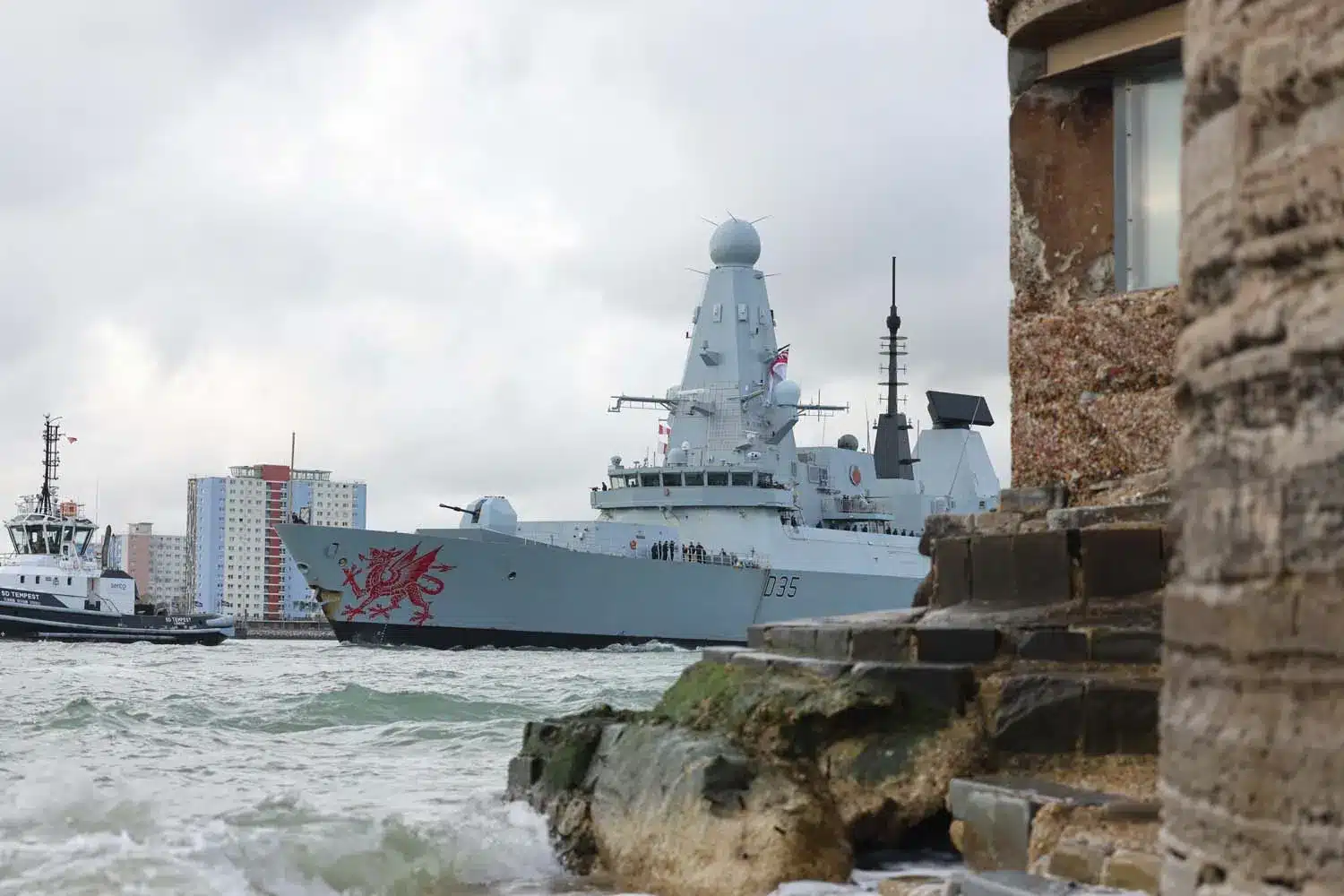
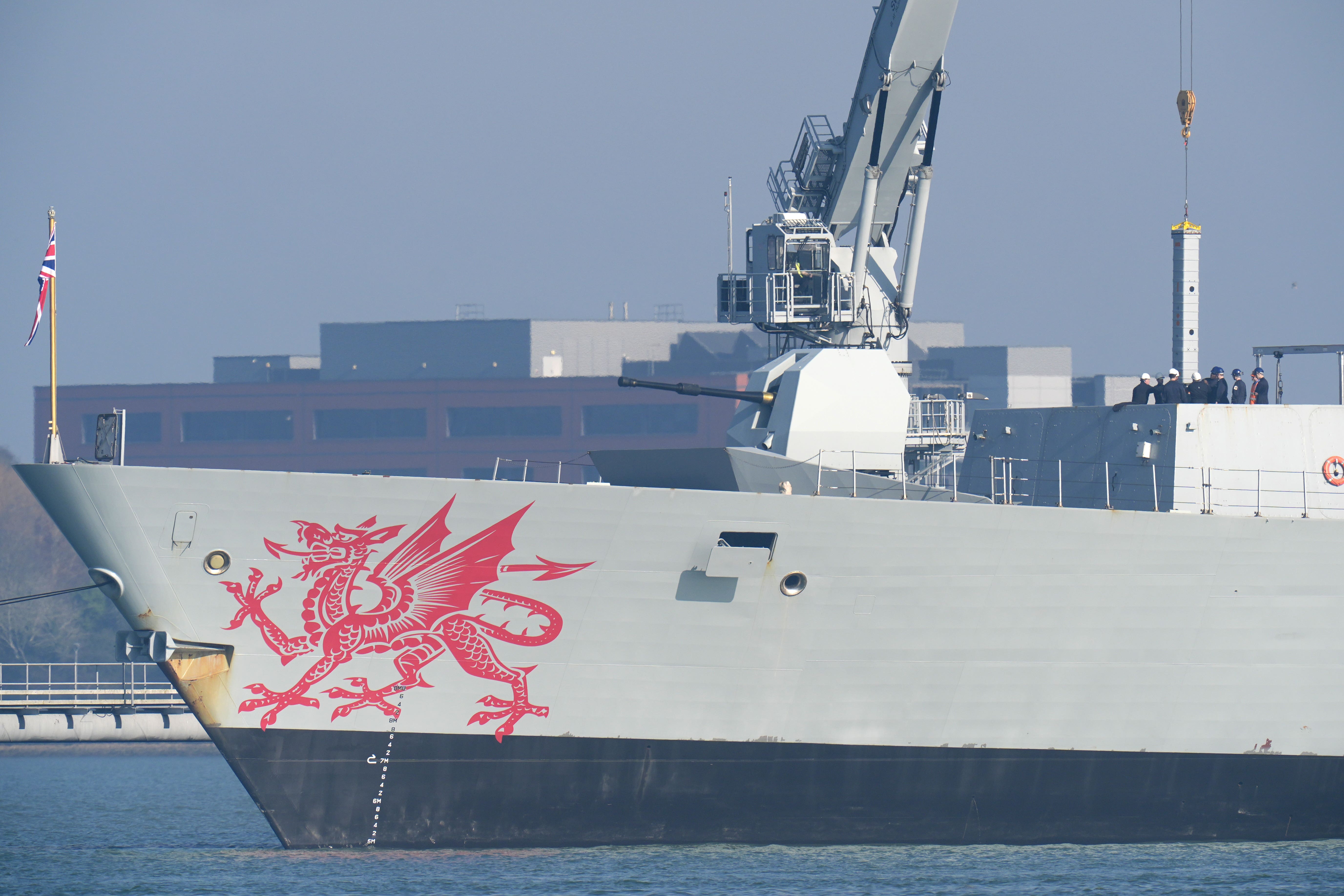
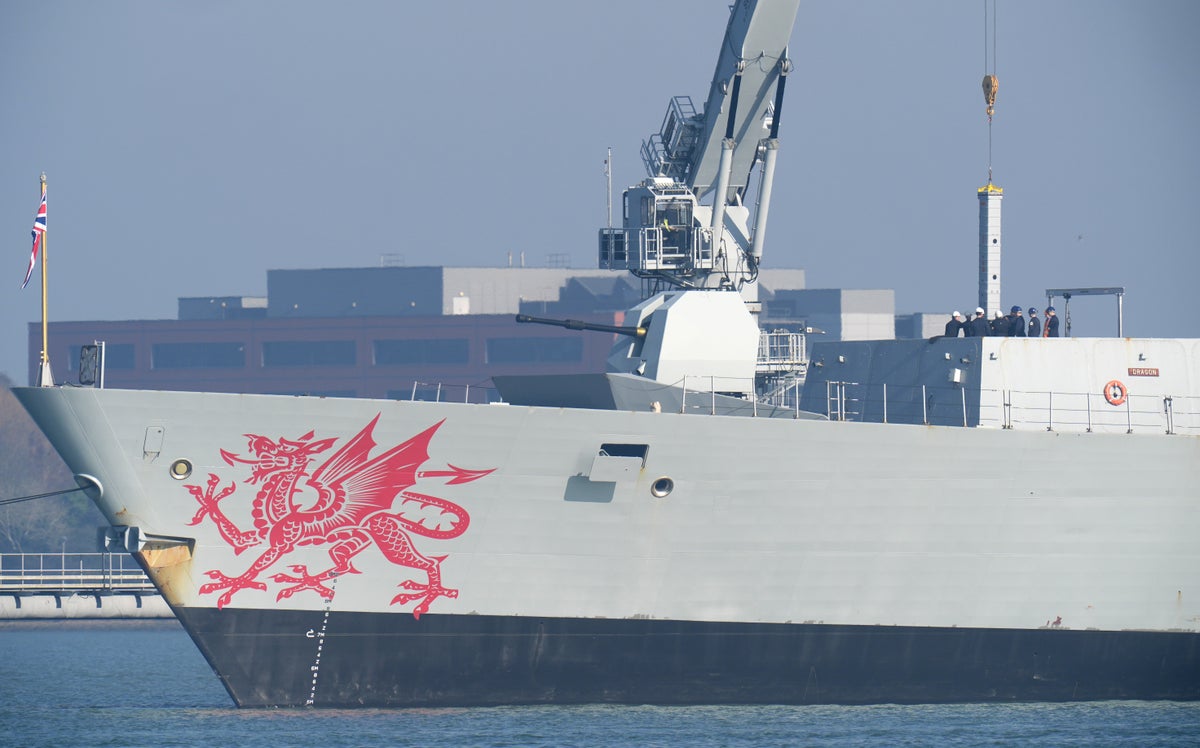
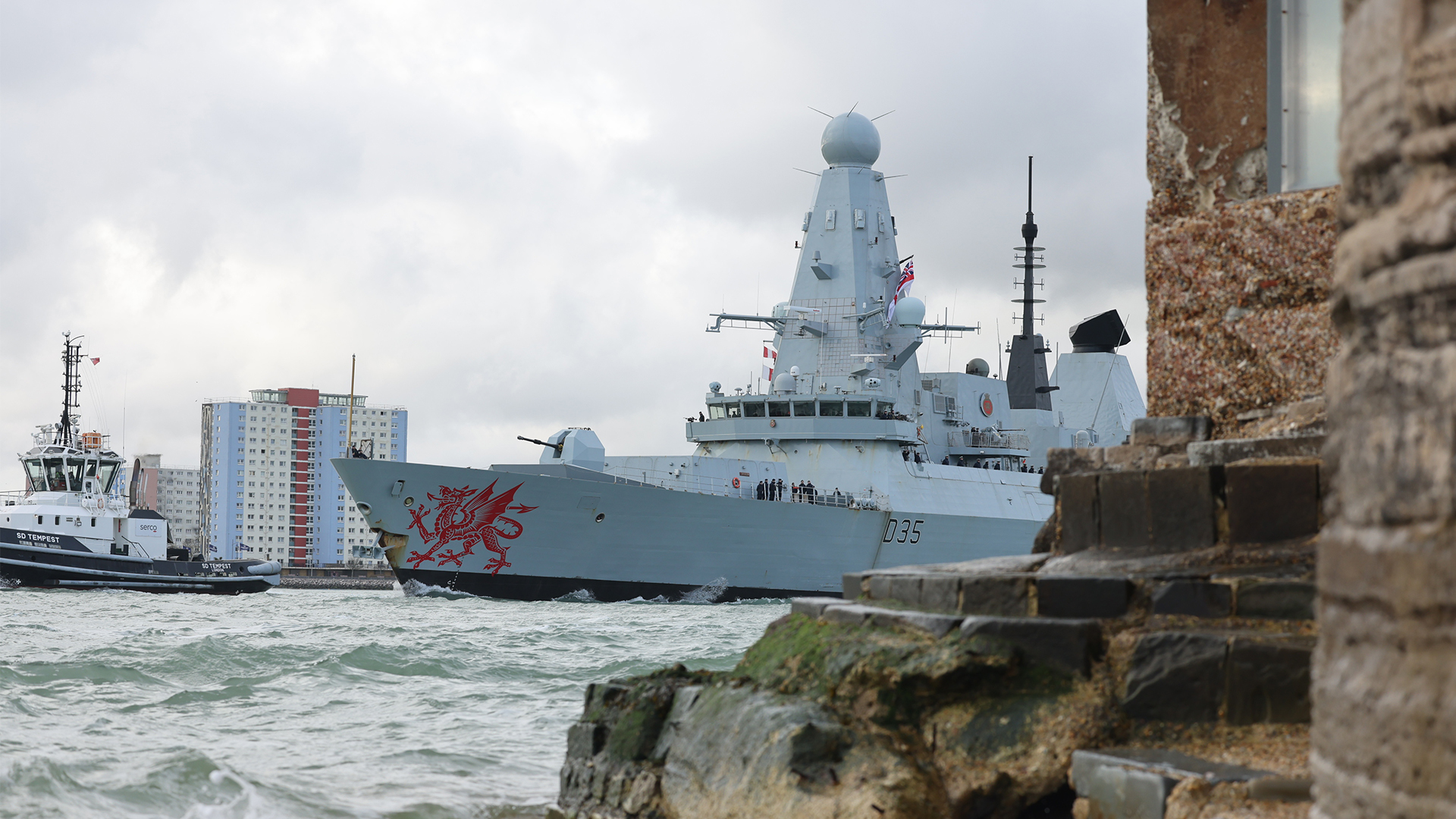
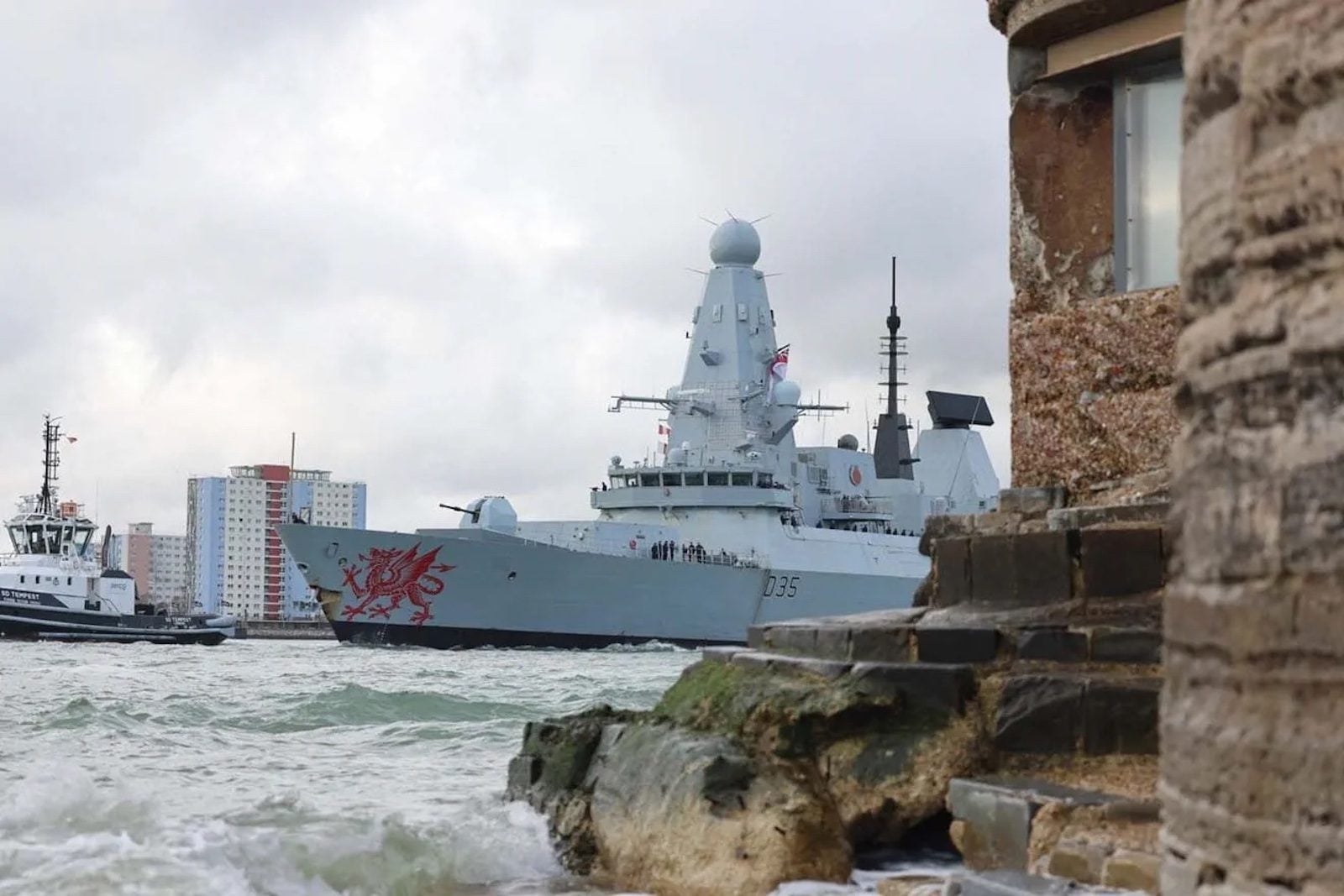
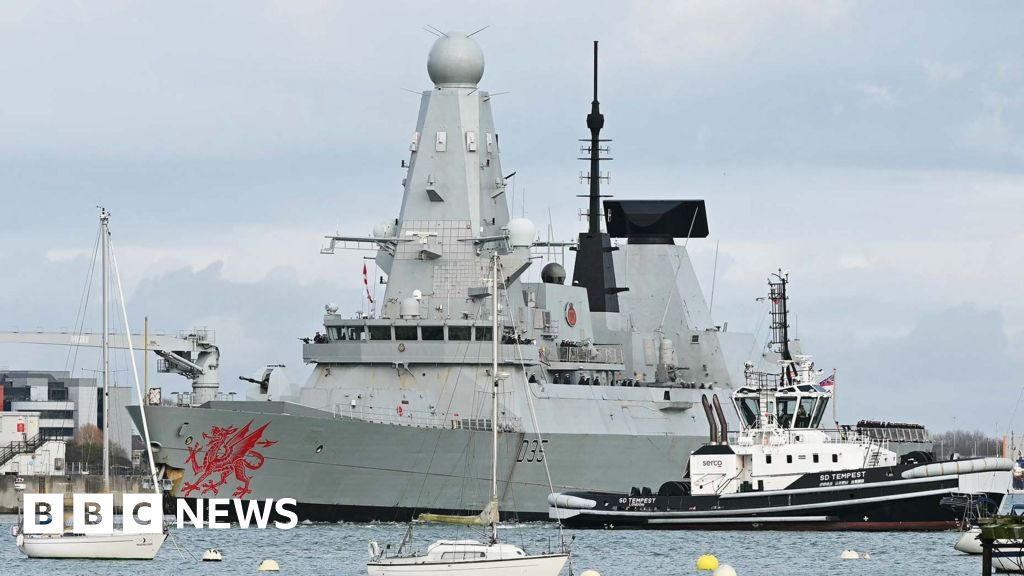
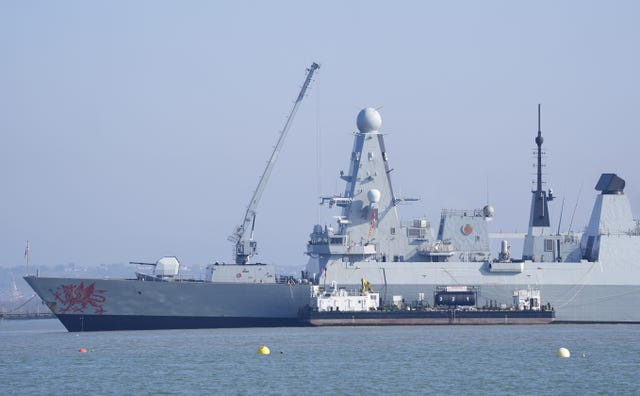
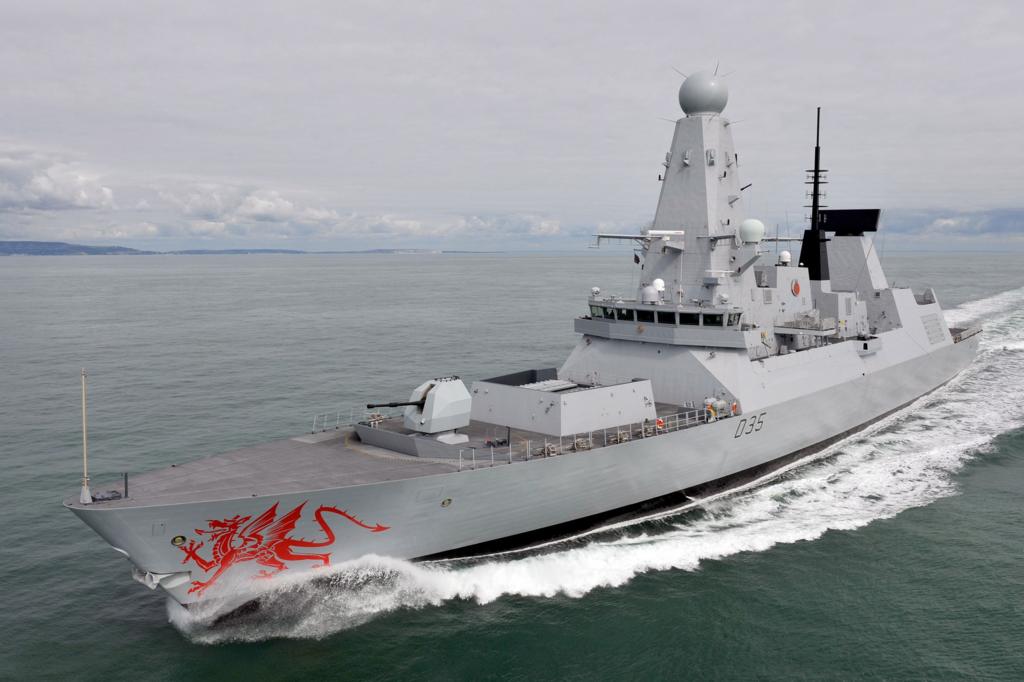
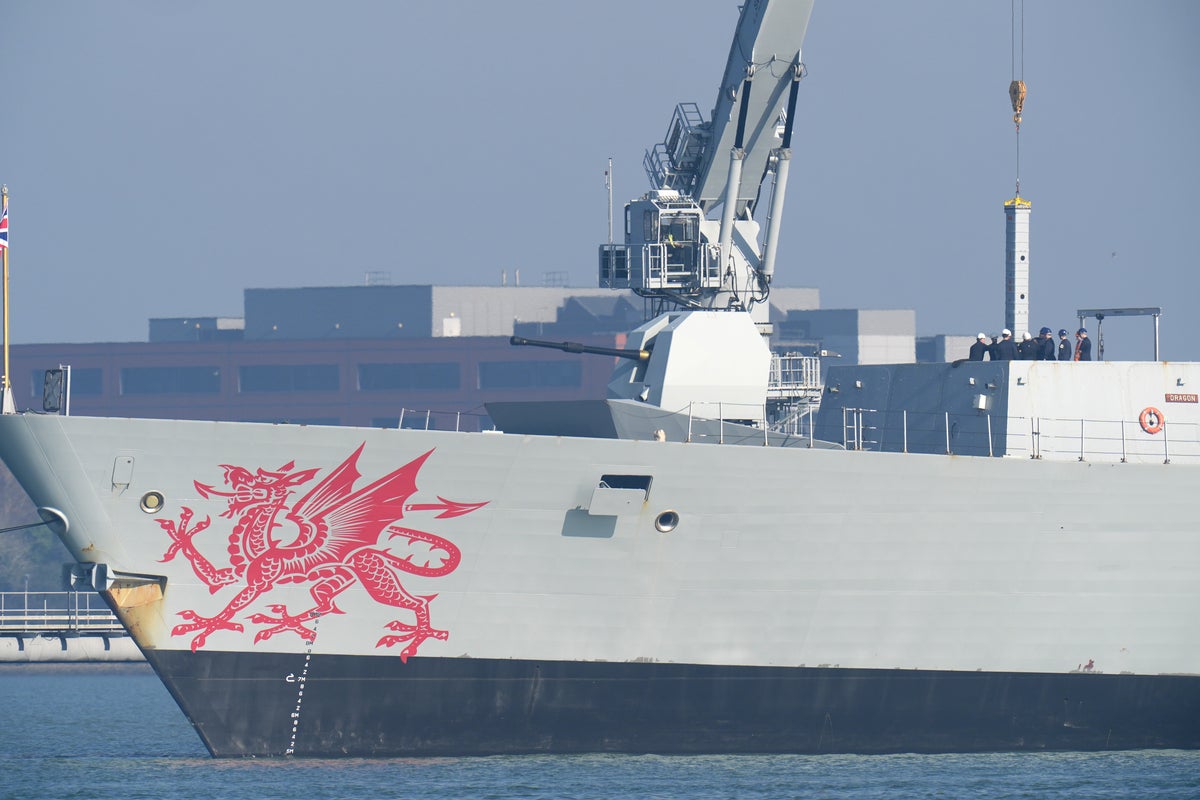
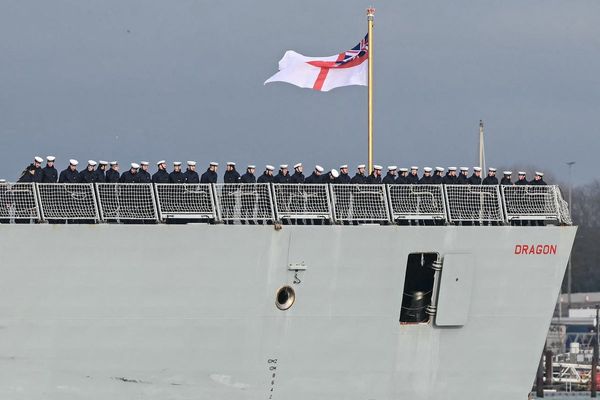
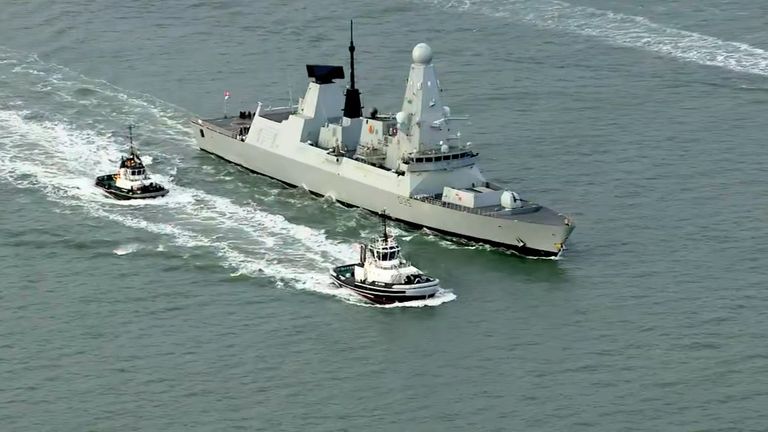
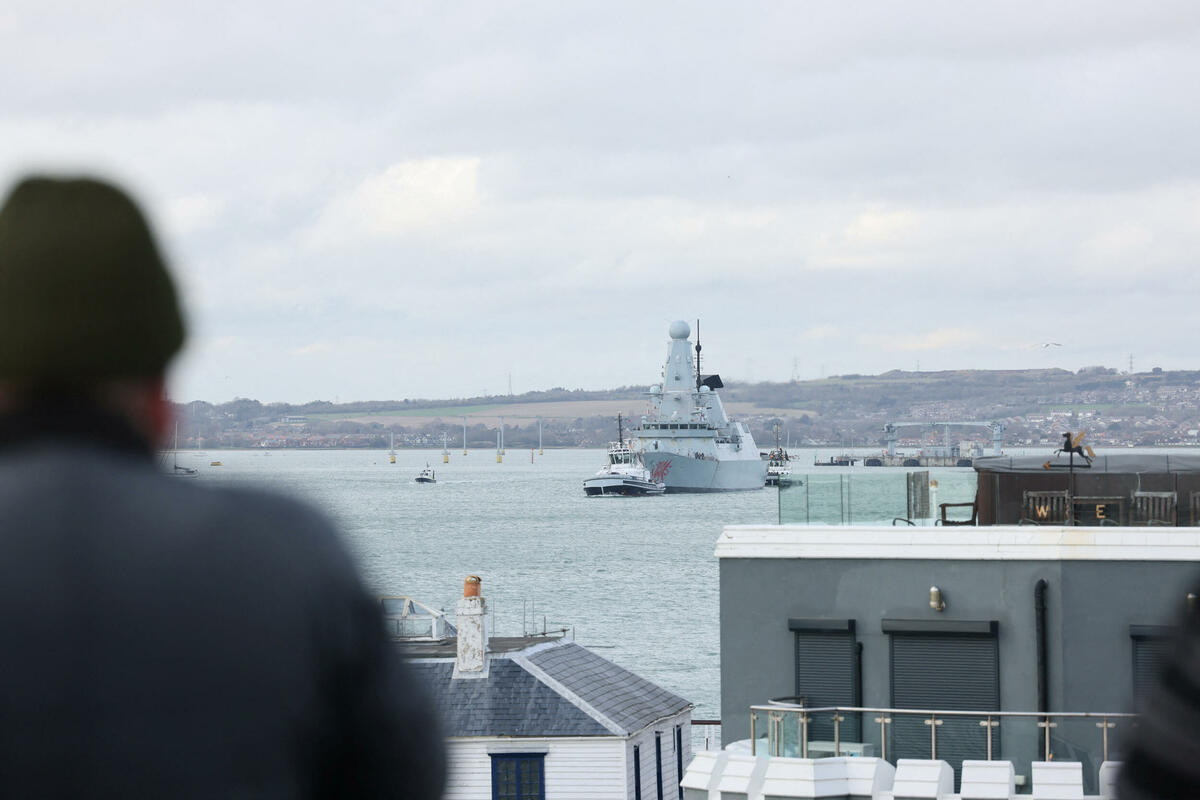
The UK's deployment of HMS Dragon to Cyprus and broader NATO military escalation in response to Iranian drone strikes represents a critical inflection point for cross-border e-commerce logistics. The Strait of Hormuz, through which approximately 21% of global petroleum and liquefied natural gas transits annually, faces heightened military risk following drone attacks on RAF Akrotiri (March 1st) and US military responses destroying Iranian mine-laying vessels. This geopolitical instability directly impacts sellers' cost structures and supply chain reliability.
Immediate Logistics Impact: Sellers sourcing from Asia-Pacific regions or exporting to Middle Eastern markets face measurable cost increases. Insurance premiums for vessels transiting the Persian Gulf and surrounding waters typically increase 8-15% during periods of heightened tension, according to maritime insurance data. Fuel surcharges applied by 3PL providers and freight forwarders are rising in tandem with energy market volatility—crude oil prices have shown 5-8% volatility spikes during similar geopolitical events. For a seller importing 500 units monthly from Vietnam (typical container cost $2,500-3,200), insurance premium increases alone represent $200-480 additional monthly costs. Larger sellers importing 2,000+ units monthly face $800-1,920 monthly insurance cost increases.
Supply Chain Vulnerability: The Royal Navy's reduced capacity—only 3 of 6 Type 45 destroyers operational as of mid-January, with HMS Dragon requiring two weeks to deploy after the March 1st attack—signals limited NATO naval presence in the region. This creates a protection vacuum that extends conflict duration uncertainty. Sellers relying on Mediterranean-to-Middle East routes (Dubai ports, Jebel Ali operations) face potential shipping delays of 5-14 days as vessels reroute around conflict zones or wait for convoy protection. The UK's 1.73% GDP defense spending (second-lowest in NATO) and 25% Royal Navy personnel reduction since 2000 indicate sustained capacity constraints, suggesting this instability may persist for 6-12 months rather than resolving quickly.
Strategic Sourcing Implications: Sellers currently dependent on China-to-Middle East supply chains should evaluate Vietnam, India, or Indonesia sourcing alternatives that bypass the Strait of Hormuz entirely. The Suez Canal route (via Red Sea) presents alternative but carries Houthi-related risks. Sellers with established Middle Eastern customer bases should consider inventory pre-positioning in Dubai or other Gulf hubs before further escalation, locking in current shipping rates before additional premium increases. Energy price volatility may persist through Q2-Q3 2025, affecting fuel surcharges on all logistics providers.
Questions 7
How much will shipping costs increase for sellers importing from Asia due to Iran tensions?
Insurance premiums for vessels transiting the Persian Gulf are rising 8-15% during heightened military tension, with fuel surcharges adding 5-8% volatility. For a seller importing 500 units monthly from Vietnam (typical container $2,500-3,200), this represents $200-480 additional monthly insurance costs alone. Larger importers moving 2,000+ units monthly face $800-1,920 monthly increases. These costs persist until military tensions stabilize, potentially through Q2-Q3 2025. Sellers should immediately contact freight forwarders for updated rate quotes and consider locking in current rates before further escalation.
Which shipping routes are safest for cross-border sellers during Middle East escalation?
The Strait of Hormuz (21% of global petroleum trade) carries heightened military risk following drone attacks on RAF Akrotiri and US military responses. Alternative routes include: (1) Suez Canal via Red Sea—faster but carries Houthi-related risks; (2) Cape of Good Hope around Africa—longer (14-21 days additional transit) but avoids conflict zones; (3) Southeast Asia sourcing (Vietnam, India, Indonesia) to Middle East markets bypasses Hormuz entirely. Sellers should evaluate route-specific insurance premiums and transit times with 3PL providers. Pre-positioning inventory in Dubai or Gulf hubs before further escalation locks in current shipping rates.