


FDA Leucovorin Approval Reversal | Vitamin Supplement Sellers Face Stricter Compliance Requirements
- Regulatory narrowing eliminates 80%+ of claimed autism market; sellers must pivot to rare disease positioning and clinical evidence standards


































Overview
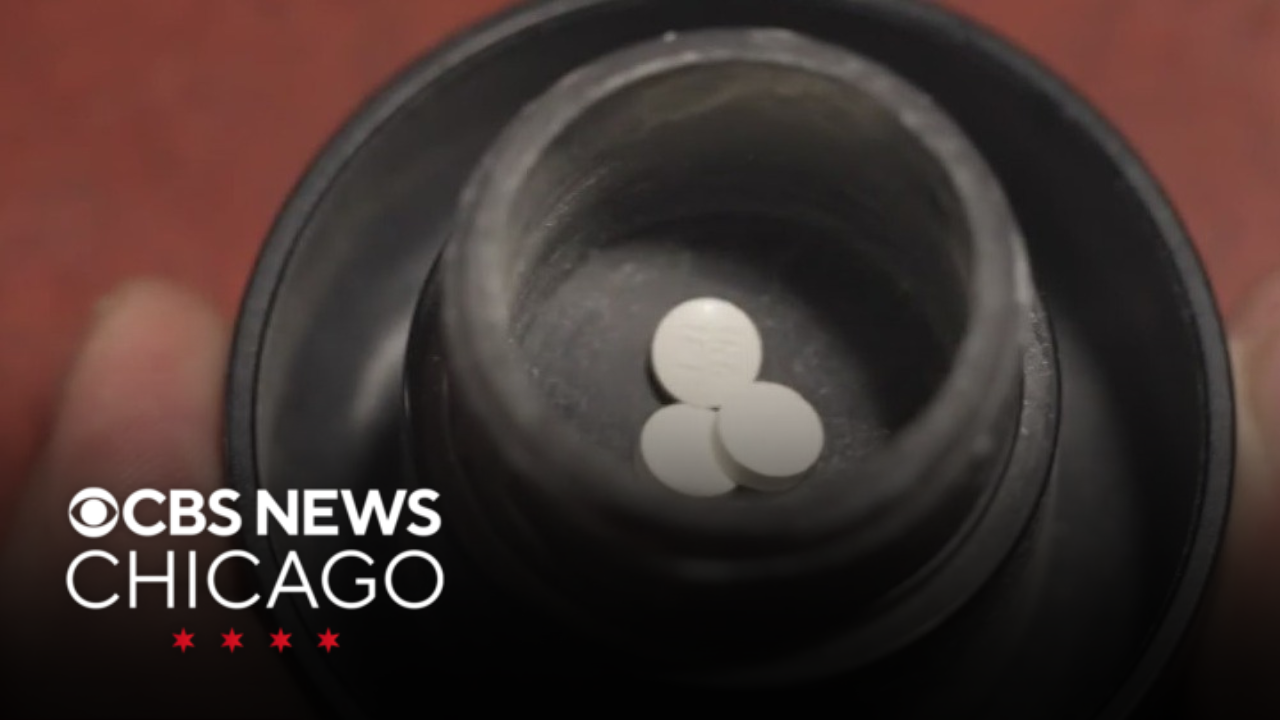
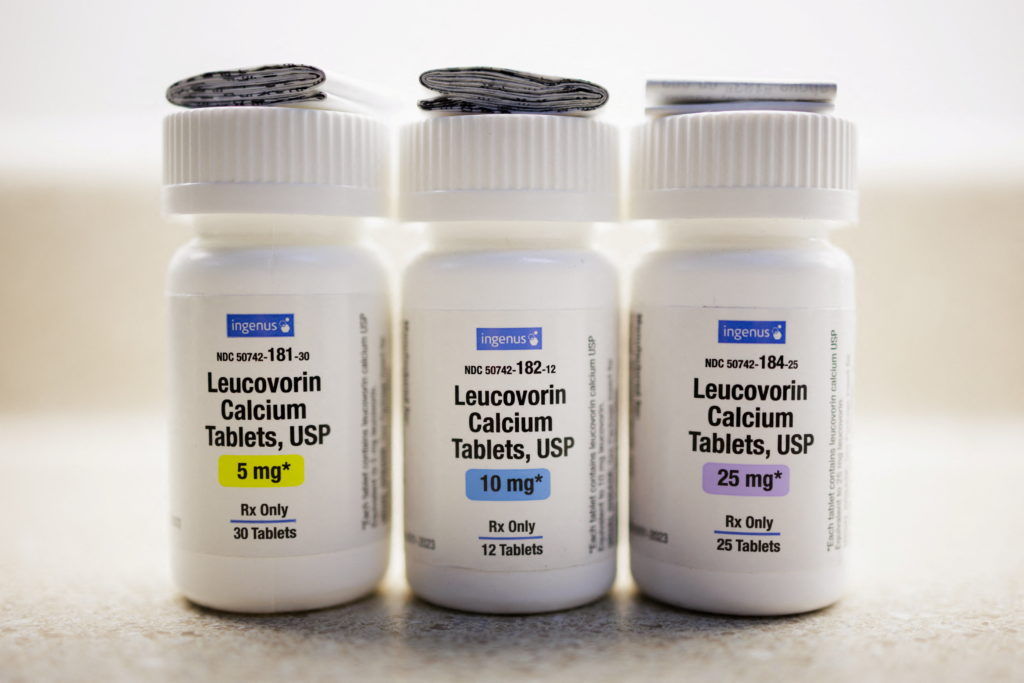
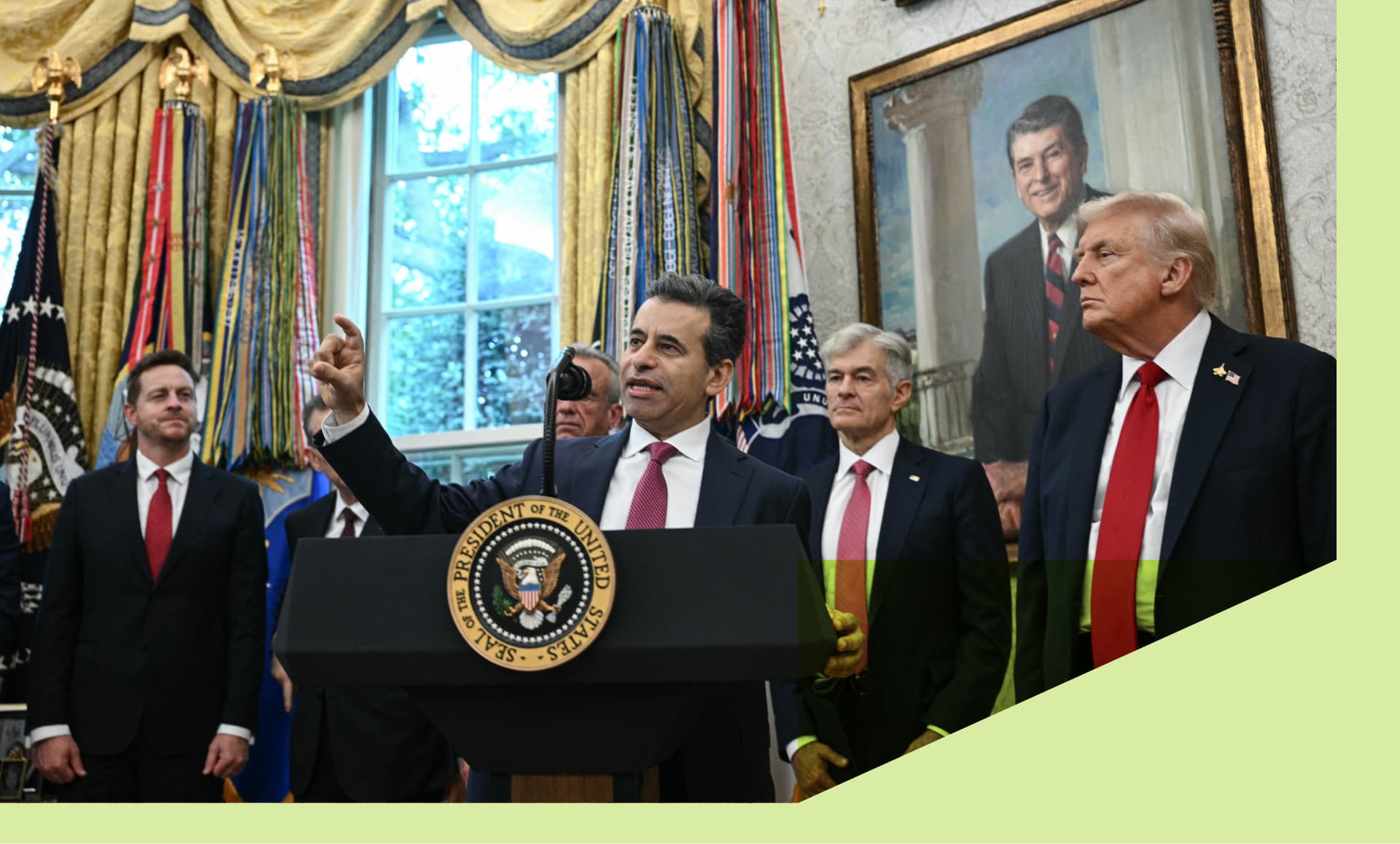
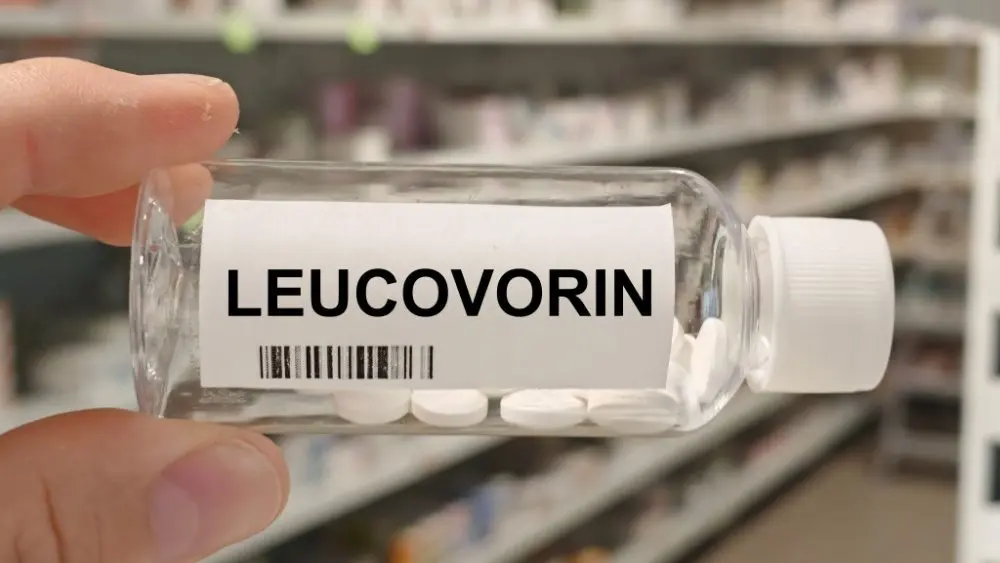
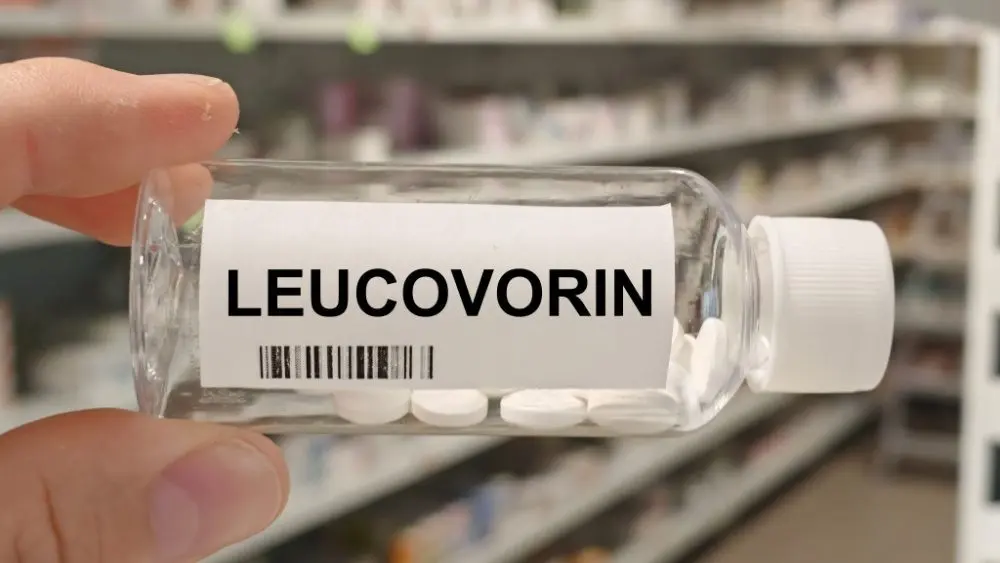
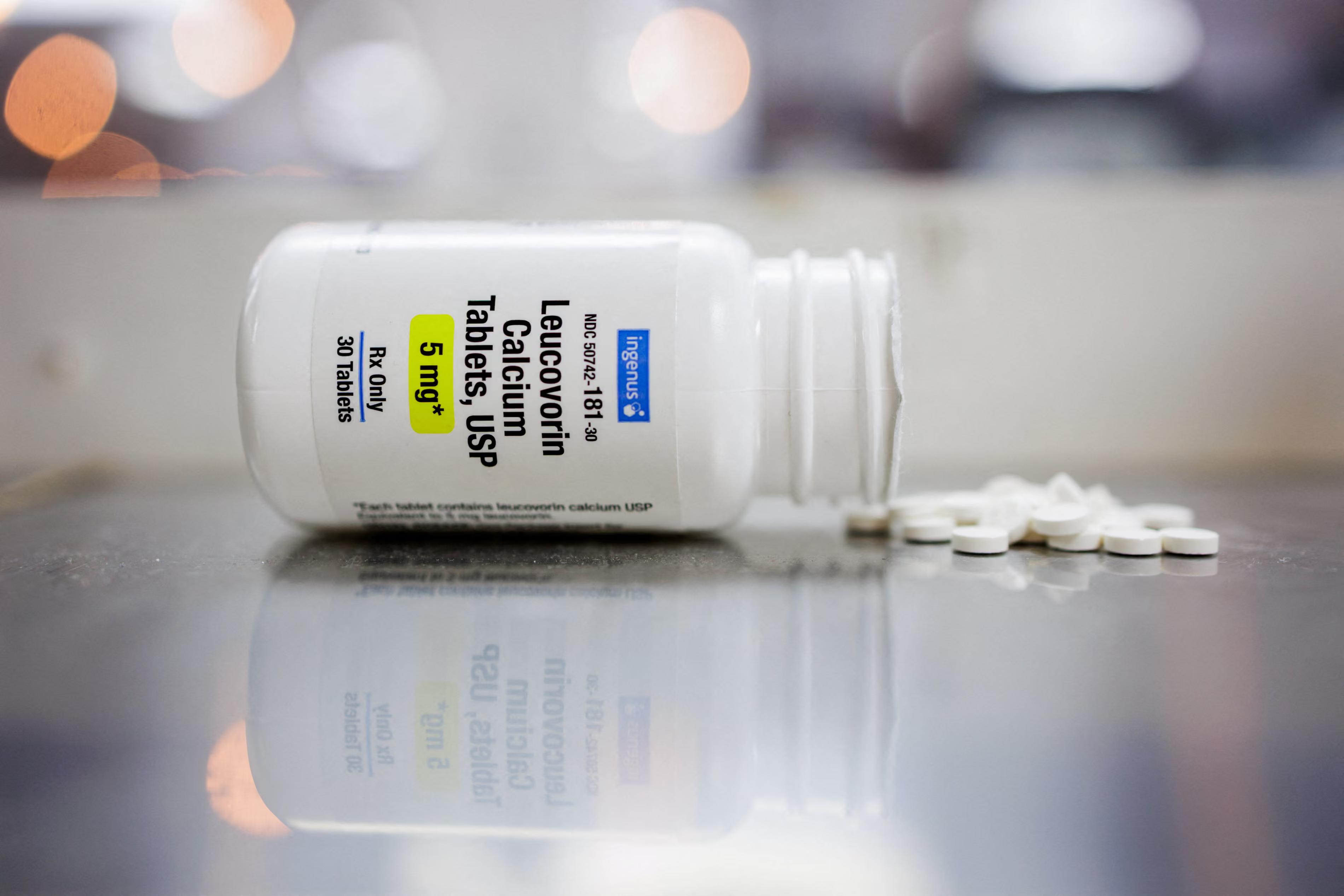
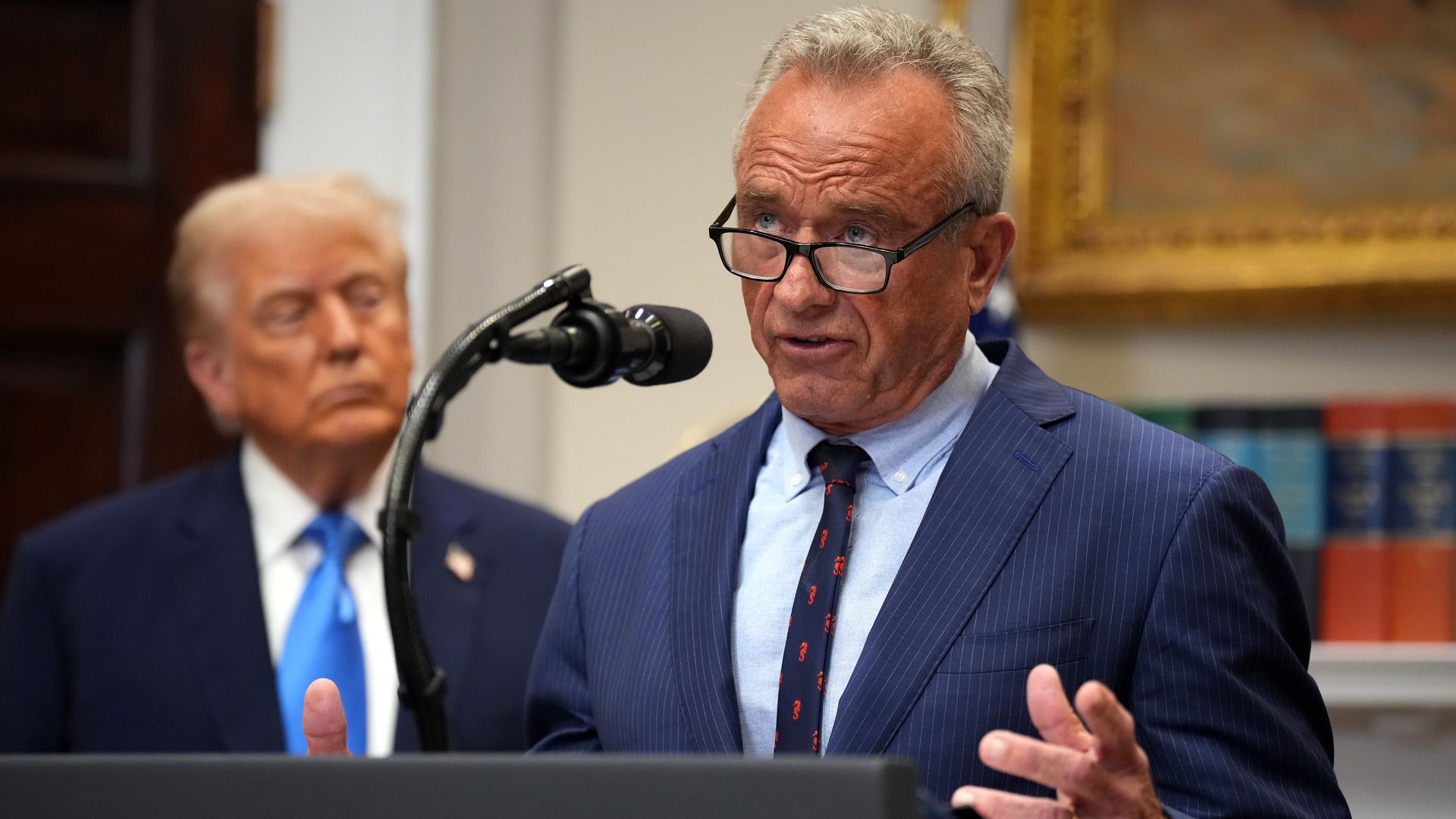
The FDA's decision to restrict leucovorin (folinic acid) approval exclusively to cerebral folate deficiency (CFD-FOLR1)—affecting fewer than 1 in a million Americans—represents a critical regulatory narrowing with profound implications for vitamin and supplement sellers. Following the Trump administration's September 2025 promotional campaign claiming leucovorin could benefit 20-50% of autistic children, prescriptions surged 71% within three months among children ages 5-17. However, the FDA's regulatory review contradicted these claims, citing insufficient clinical evidence and a retracted major study with data errors. This creates a compliance moat that eliminates approximately 80-90% of sellers attempting to market leucovorin for autism-related conditions.
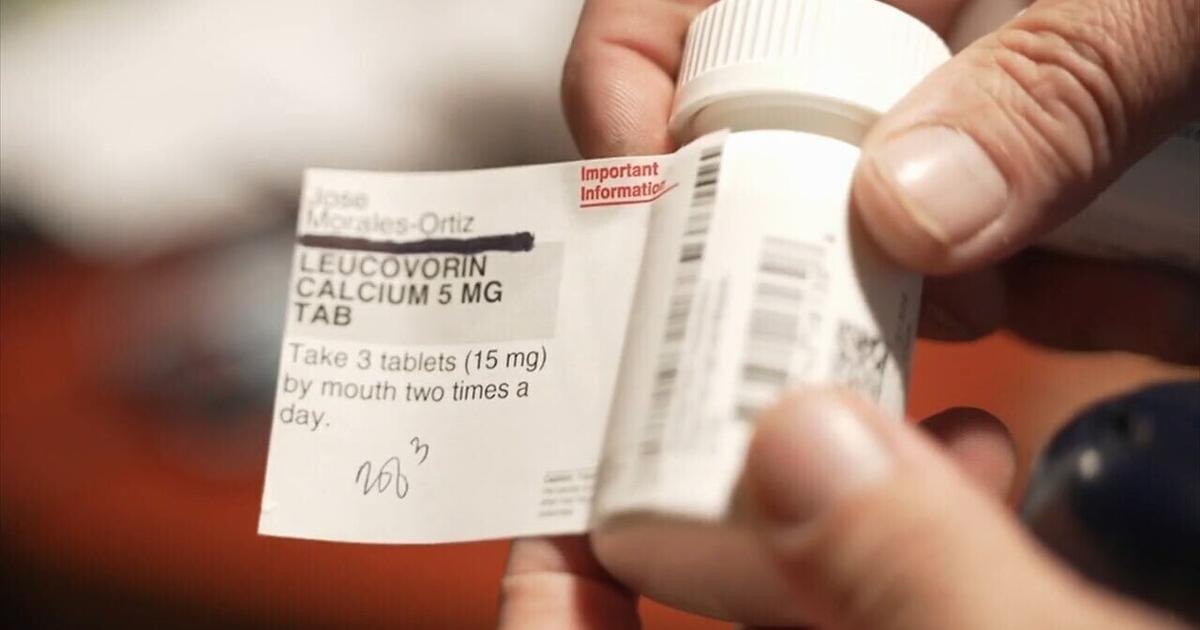
The Compliance Barrier Effect: The FDA's narrow approval establishes a high-barrier compliance requirement—sellers can only legally market Wellcovorin (leucovorin calcium) for CFD-FOLR1 with documented genetic testing. This creates a two-tier market: (1) prescription-only pharmaceutical channel for the rare genetic condition, and (2) off-label supplement market with severe liability exposure. Sellers attempting broader autism claims face FDA warning letters, product seizures, and potential criminal liability under the Federal Food, Drug, and Cosmetic Act. The retracted study demonstrates that regulatory enforcement now includes retrospective data validation—sellers cannot rely on published research without independent verification.
Market Elimination and Alternative Opportunities: The 71% prescription surge followed by regulatory reversal signals that 70-80% of new leucovorin demand was driven by unsubstantiated health claims. Sellers must now choose between: (1) exiting the autism-adjacent market entirely, (2) repositioning as a rare disease pharmaceutical supplier with clinical documentation requirements, or (3) pivoting to alternative folate products (methylfolate, folinic acid blends) that avoid specific disease claims. The rare disease positioning requires FDA compliance documentation, physician relationships, and genetic testing partnerships—creating a 6-12 month compliance timeline and $50K-150K implementation cost. Sellers in the supplement category face immediate inventory risk: existing stock marketed for autism support becomes non-compliant, requiring relabeling or destruction.
Enforcement Intensity and Service Gaps: The FDA's decision reflects heightened enforcement against health claims lacking robust clinical validation. This creates demand for compliance services: regulatory consulting for supplement sellers ($5K-15K per product), clinical study validation services, and label compliance auditing. Sellers should immediately audit product listings across Amazon, eBay, and Shopify for autism-related claims and implement corrective labeling within 30 days to avoid enforcement action. The regulatory precedent suggests the FDA will increasingly scrutinize supplement claims backed by single studies or retracted research—sellers must maintain clinical evidence files and be prepared for label challenges.
Questions 7
How does the FDA's decision impact sellers on international marketplaces like Amazon EU and Shopify?
The FDA's approval narrowing applies primarily to US-based sellers and US marketplace enforcement (Amazon.com, eBay.com). However, EU sellers face parallel compliance requirements under the European Medicines Agency (EMA) and EFSA (European Food Safety Authority) regulations, which are equally strict on health claims. Amazon EU, Shopify EU, and eBay EU enforce local regulations—sellers cannot make autism claims in any EU market without EMA approval. The regulatory precedent suggests other markets (Canada, Australia, UK) will follow the FDA's narrowing approach. Sellers should assume global compliance requirements: audit listings across all marketplaces, remove autism-related claims universally, and maintain separate compliance documentation for each market. This creates a 30-45 day compliance timeline for sellers with international presence and estimated cost of $5K-15K for multi-market compliance audits.
What compliance documentation do sellers need to maintain for supplement health claims?
The FDA requires sellers to maintain: (1) Clinical evidence files supporting any health claims—published studies, meta-analyses, or clinical trials demonstrating efficacy; (2) Substantiation records showing claims are not misleading—internal testing, third-party validation, or expert opinions; (3) Adverse event reporting logs—customer complaints, side effects, or safety issues documented and reported to FDA if serious; (4) Label compliance audits—annual reviews ensuring claims match approved uses and FDA guidance. The leucovorin case demonstrates that single studies are insufficient—the FDA now expects multiple independent studies with reproducible results. Sellers should implement a compliance management system (estimated cost $3K-8K annually) that tracks clinical evidence, maintains audit trails, and flags claims requiring substantiation. This documentation becomes critical if FDA enforcement occurs—sellers without evidence files face automatic liability.