


Strait of Hormuz Shipping Crisis Drives 15-25% Freight Cost Surge for Cross-Border Sellers
- Iran's strategic control of critical waterway creates $2-4K monthly cost increases for sellers shipping 500+ units; alternative routing adds 8-14 days transit time

























Overview
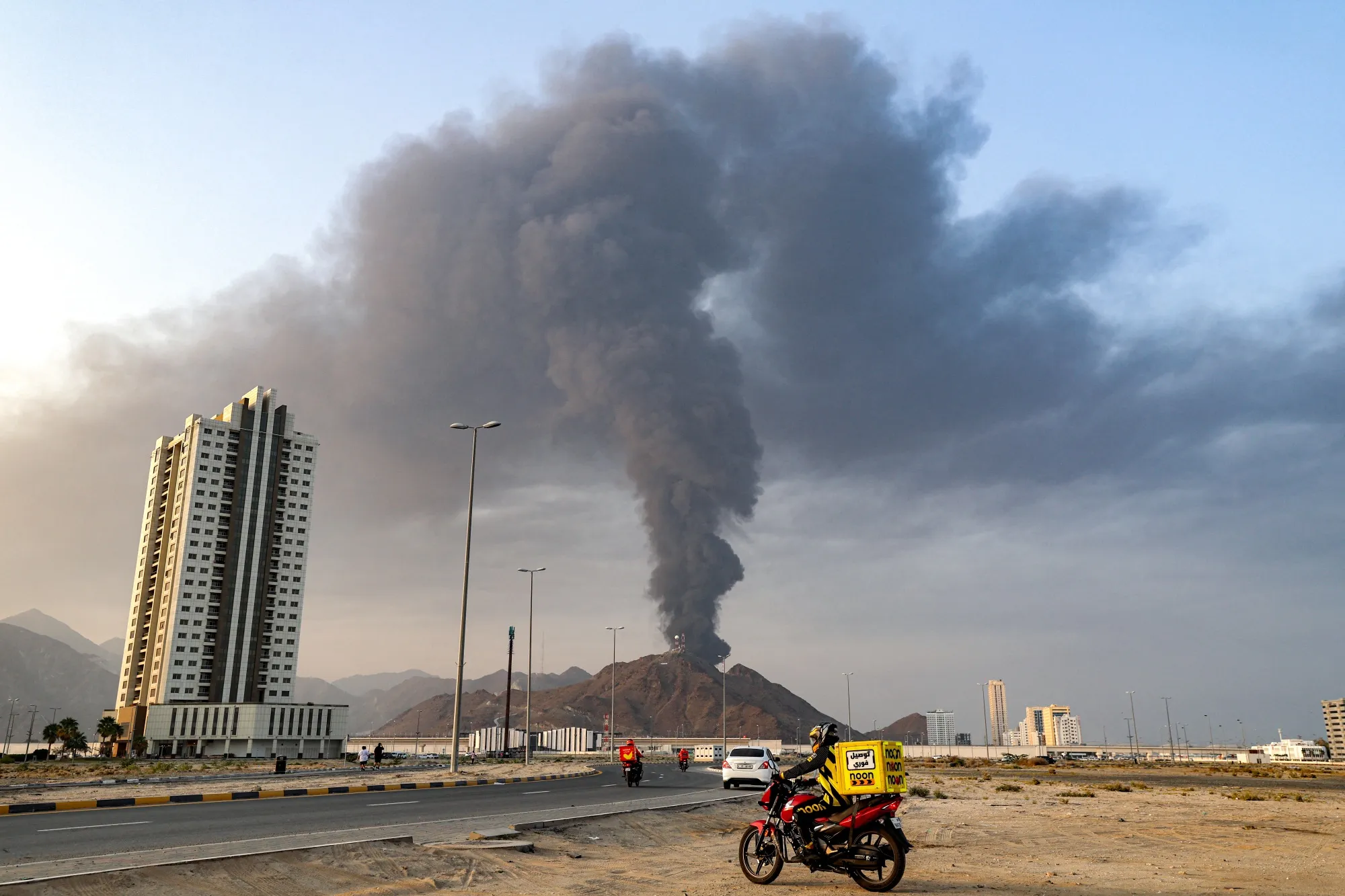
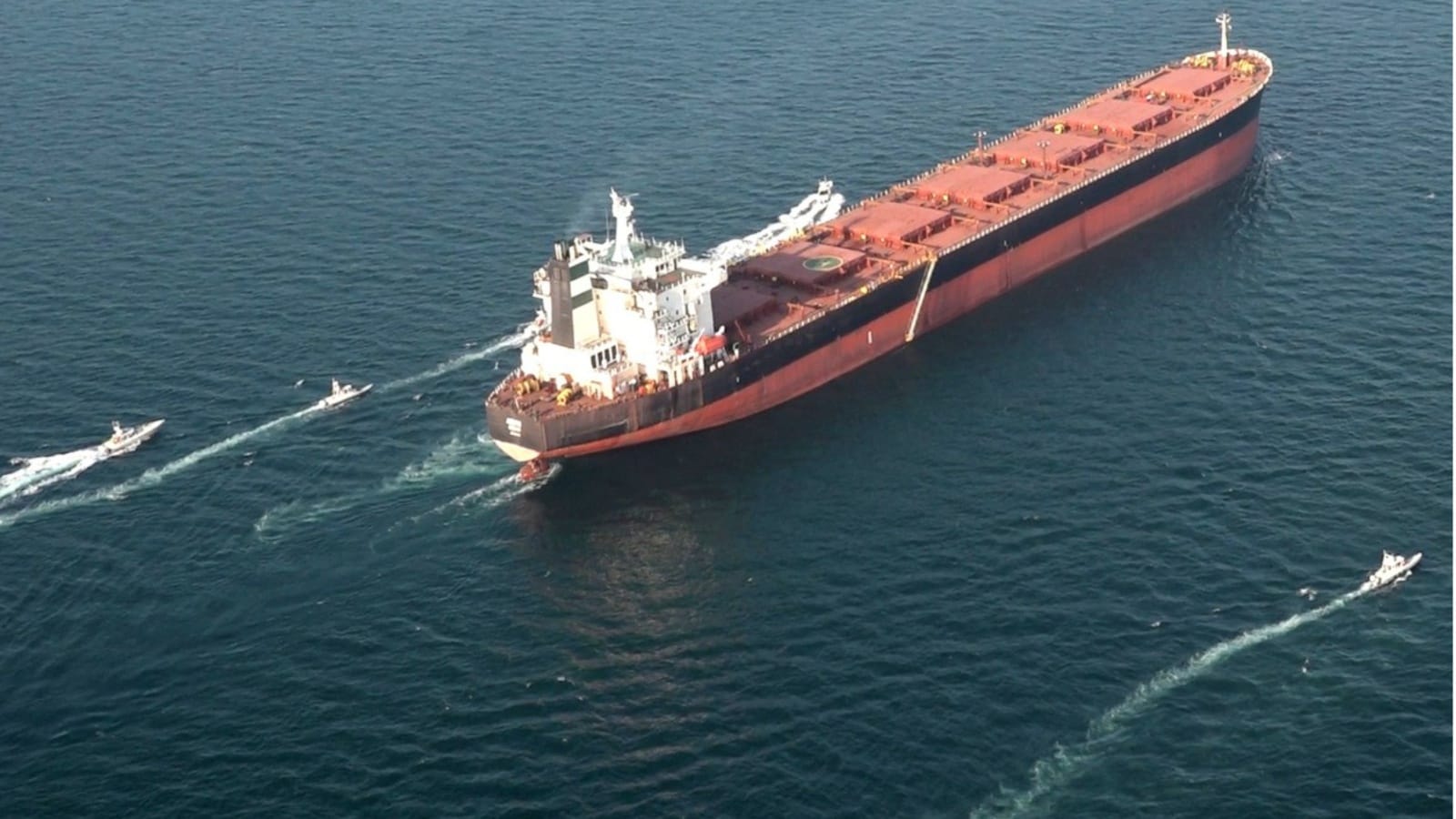
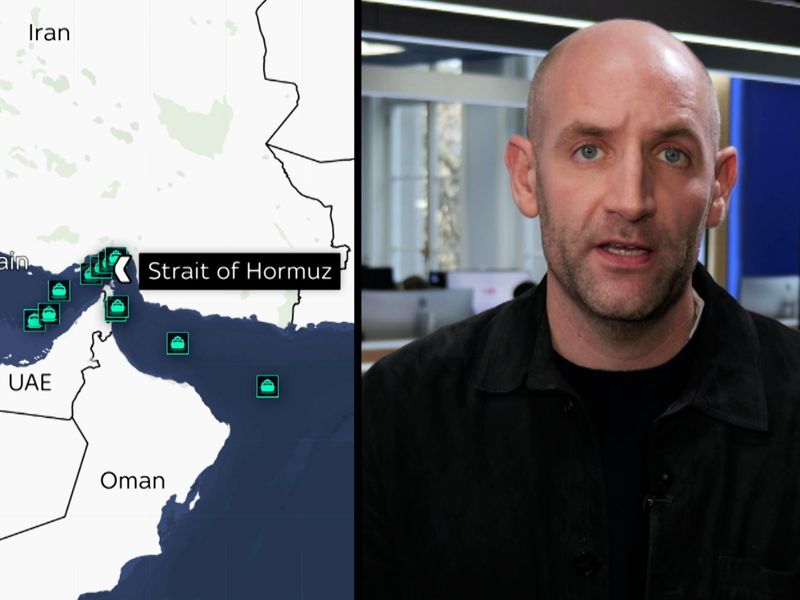
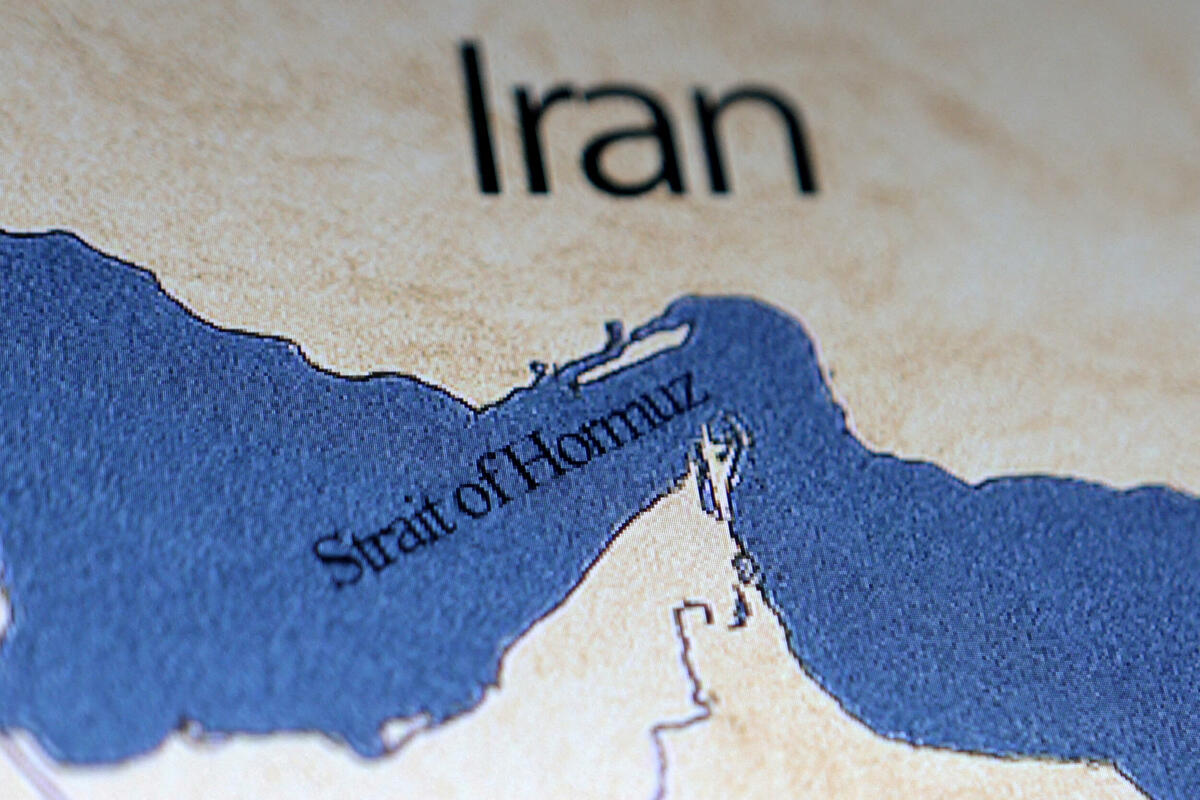
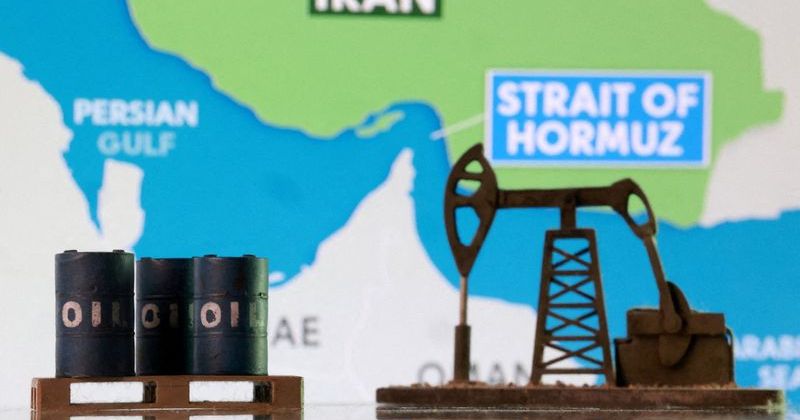
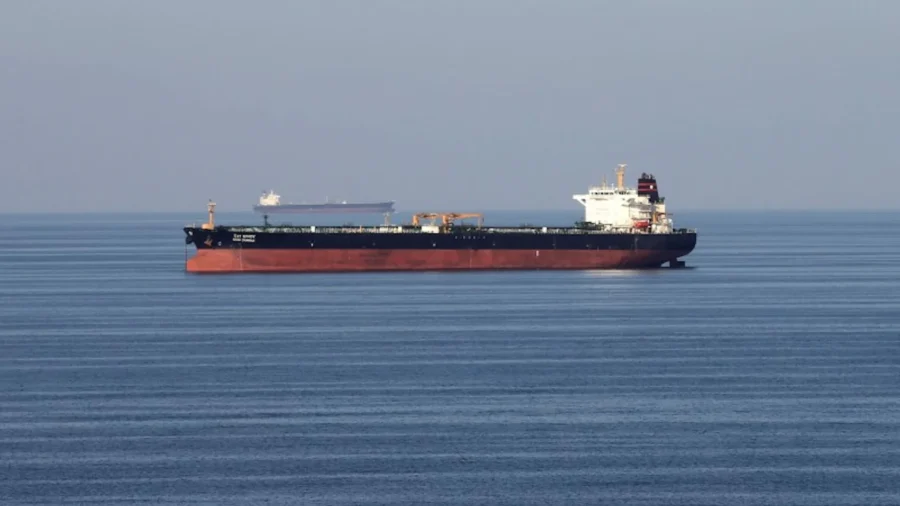
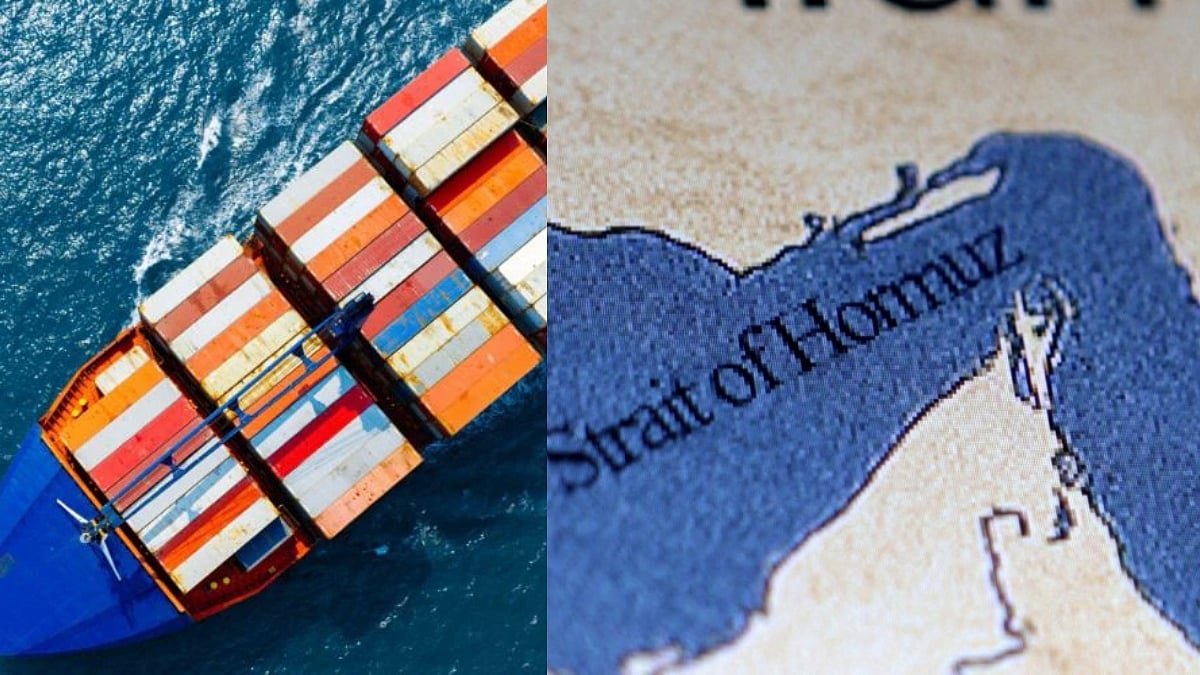
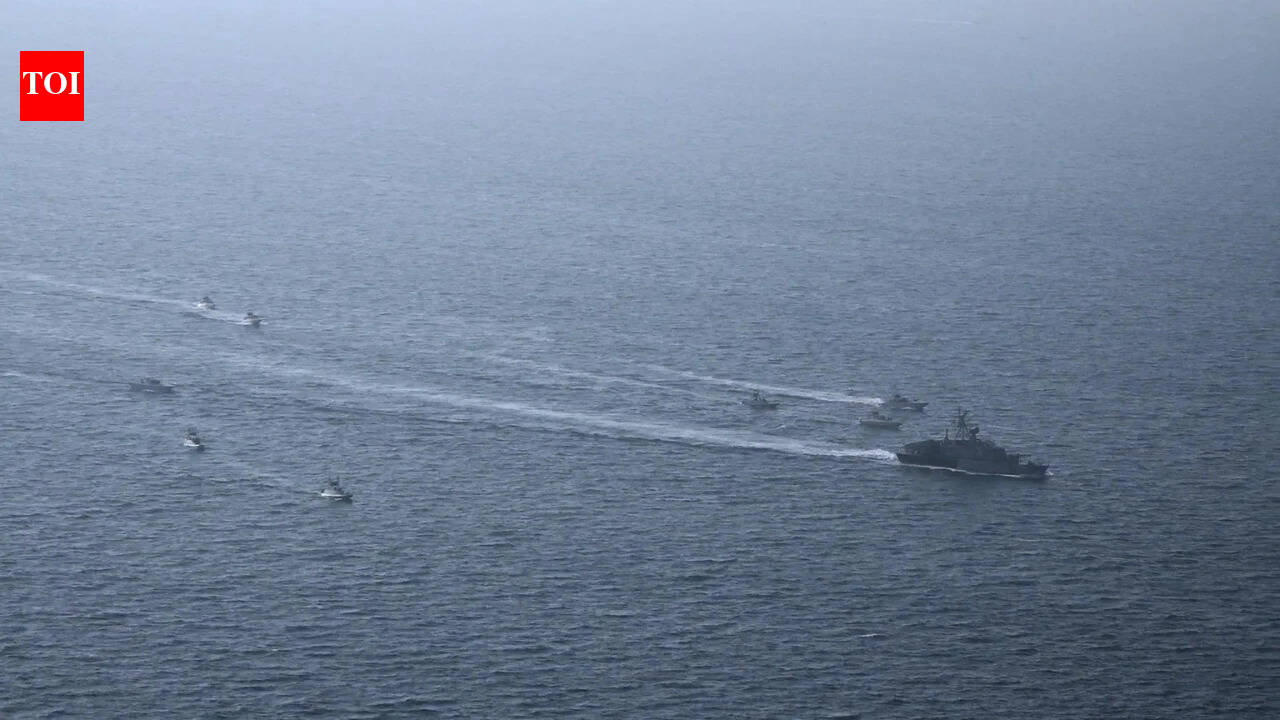
The February 28, 2026 outbreak of U.S.-Israeli military conflict in the Middle East has fundamentally reshaped global shipping economics, with Iran's strategic control of the Strait of Hormuz creating unprecedented supply chain disruptions for cross-border e-commerce sellers. The Strait handles approximately one-fifth to one-third of global maritime oil and gas transportation, making it the world's most critical energy chokepoint. Since hostilities commenced, Iran has selectively managed maritime traffic—permitting its own oil tankers to transit while deterring competitors' vessels—consolidating geopolitical leverage while simultaneously exporting more crude than pre-war levels (2.1 million barrels daily vs. 2.0 million baseline, according to Kpler data).
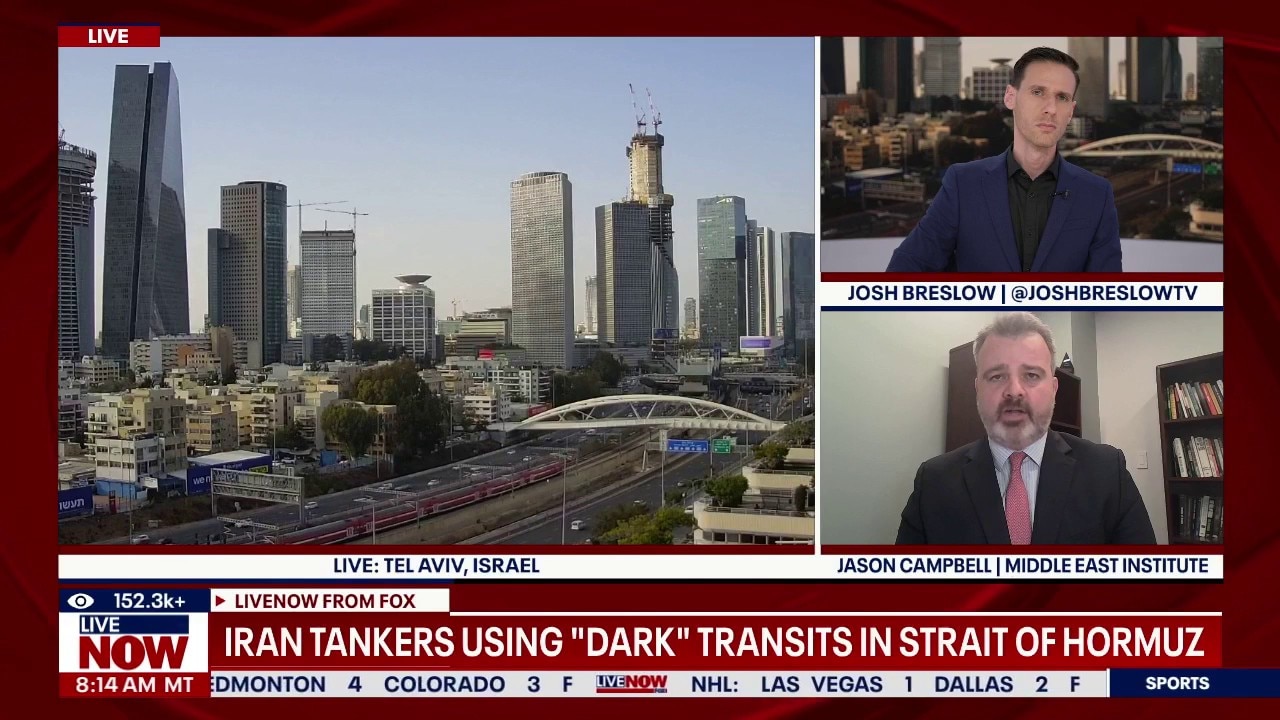
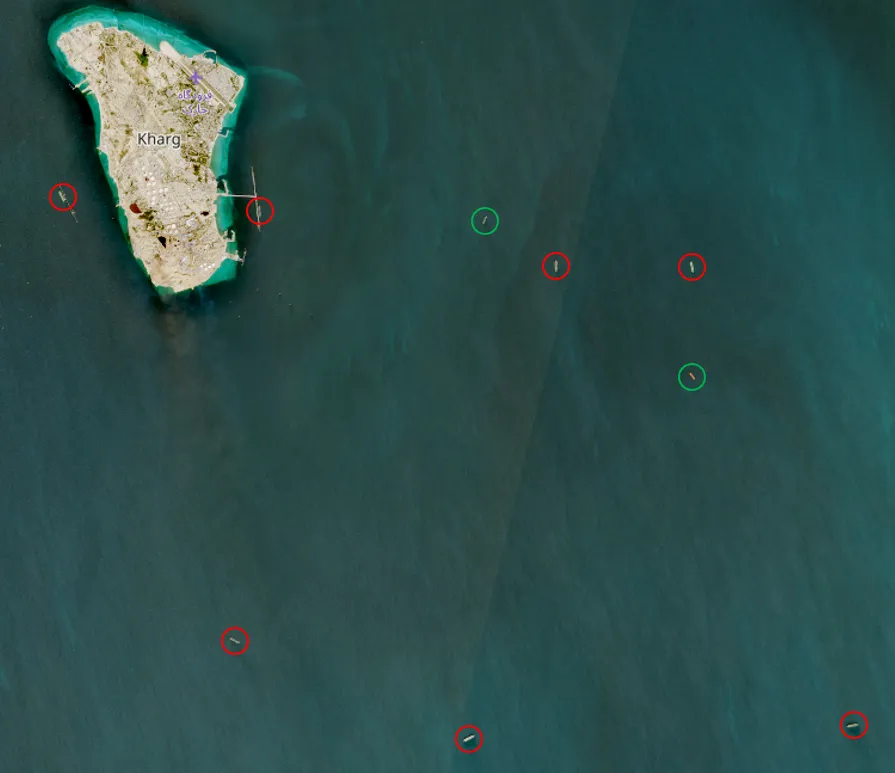
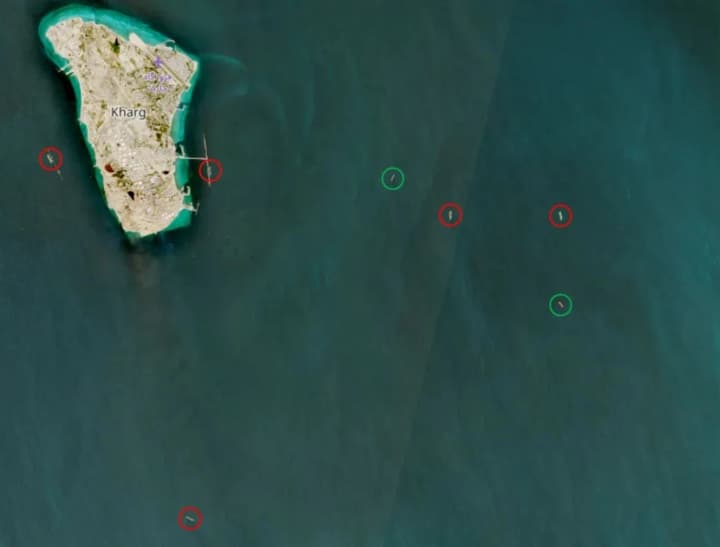
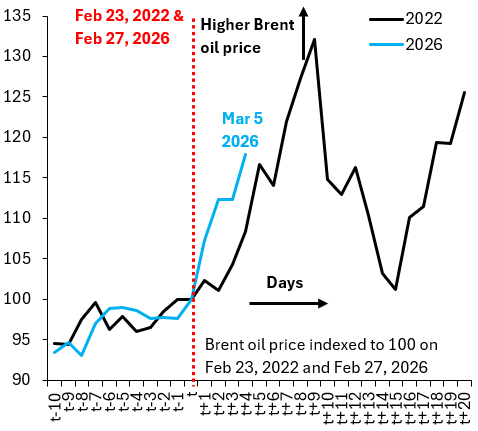
The immediate impact on seller economics is severe and quantifiable. Global crude oil prices surged to nearly $120 per barrel (unseen in four years) before stabilizing around $84.90 WTI and $88.90 Brent, representing 15-25% volatility that directly translates to shipping cost increases. For sellers relying on maritime logistics, this creates $2-4K monthly cost increases for operations shipping 500+ units. The Strait's traffic reduction has forced vessels to disable tracking systems following Iranian threats, with ten vessels attacked within two weeks of war onset, killing at least seven seafarers. Alternative routing through the Jask oil terminal on the Gulf of Oman requires 8-10 days per Very Large Crude Carrier versus 1-2 days at traditional Kharg Island facilities, adding 8-14 days to transit timelines.
Competitive dynamics have shifted dramatically across seller segments. Large sellers with diversified supply chains and pre-negotiated 3PL contracts gain competitive advantage through locked-in rates, while small-to-medium sellers (SMBs) face margin compression from spot-market freight pricing. China's strategic crude stockpiling (1.2 billion barrels accumulated, sufficient for 3-4 months of demand) signals sustained demand for energy-intensive manufacturing, benefiting sellers sourcing from Chinese factories but increasing their input costs. The International Energy Agency's announcement of a 400 million barrel strategic petroleum reserve release provides temporary price stabilization, but geopolitical uncertainty remains. Sellers dependent on time-sensitive shipments to Middle Eastern markets face route complexity and insurance premium increases, while those with alternative sourcing from Southeast Asia (Vietnam, Thailand, Indonesia) or India can circumvent Hormuz-dependent logistics. The G-7's consideration of releasing strategic reserves indicates policy-level recognition of supply shock severity, but implementation timelines remain uncertain. For sellers managing inventory procurement, this creates 3-6 month planning uncertainty and potential margin compression of 8-12% for cost-sensitive categories (electronics, apparel, home goods) where freight represents 15-25% of landed costs.
Questions 8
Will the G-7 strategic petroleum reserve release stabilize shipping costs?
The announced 400 million barrel release provides temporary price stabilization but does not address structural Hormuz control issues. Crude prices may decline 5-10% from current $84-90 WTI range, translating to 2-4% shipping cost reductions. However, geopolitical uncertainty remains: if conflict escalates, prices could surge back to $100-120 range. The release buys 3-4 months of price stability (matching China's crude stockpile duration), but long-term normalization depends on political resolution. For sellers, treat this as temporary relief window: lock in favorable 3PL rates now, accelerate inventory procurement for Q2-Q3 demand, and avoid over-committing to price reductions. The International Energy Agency's involvement signals policy-level concern, but implementation timelines and effectiveness remain uncertain.
What immediate actions should I take to protect margins during this crisis?
Implement three-phase response: (1) Immediate (0-30 days): Lock in 3PL freight rates for next 90 days before further escalation; audit inventory for slow-moving SKUs and reduce procurement by 15-20% to minimize carrying costs during delays. (2) Short-term (30-90 days): Shift 20-30% sourcing to Vietnam/Thailand/India for categories with >15% freight ratios; increase prices 5-8% on products with <20% gross margins to maintain profitability. (3) Strategic (90-180 days): Evaluate regional fulfillment center investments in Asia-Pacific or Middle East; diversify supplier base to reduce single-country dependency. Monitor Freightos Baltic Index daily and Kpler tanker data weekly for rate trend changes. Communicate transparently with customers about delivery timeline extensions (8-14 days) to manage expectations and reduce return rates.