

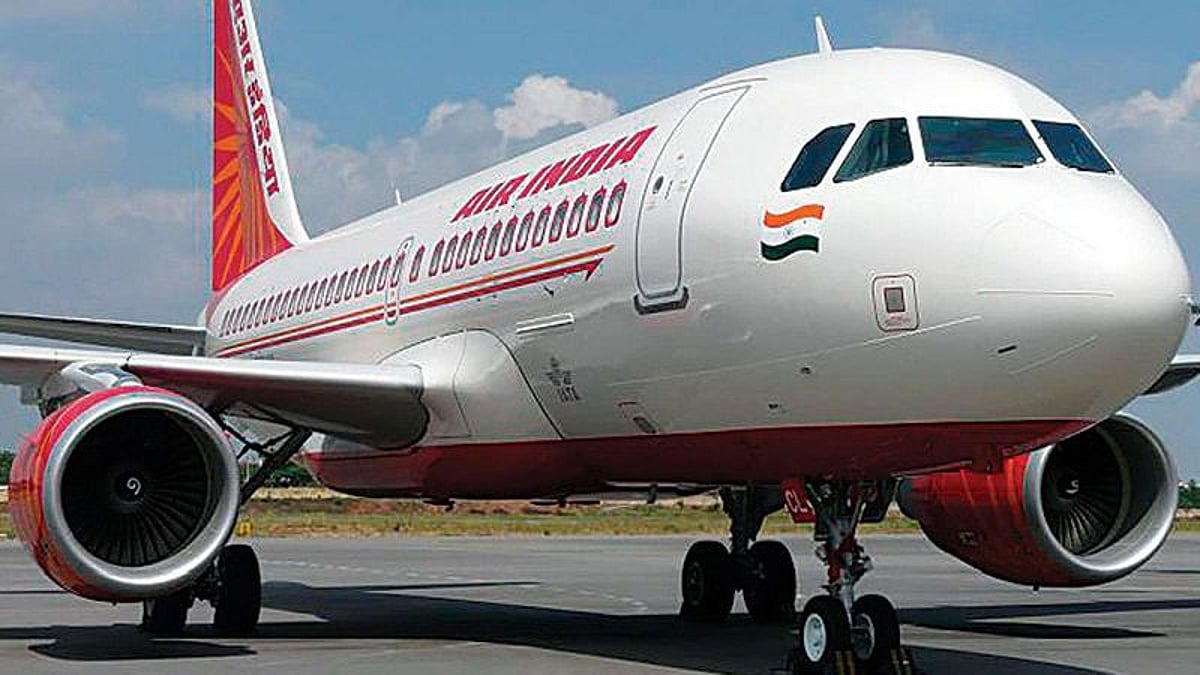
Air Freight Cost Crisis | 58% Jet Fuel Surge Forces Seller Logistics Pivot
- Jet fuel prices spike 58% in one week; air cargo rates expected to rise 20-30%, compressing margins on time-sensitive shipments for electronics, perishables, and express deliveries









Overview
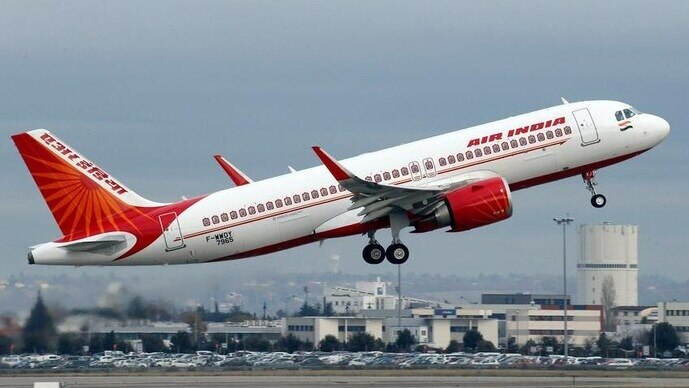
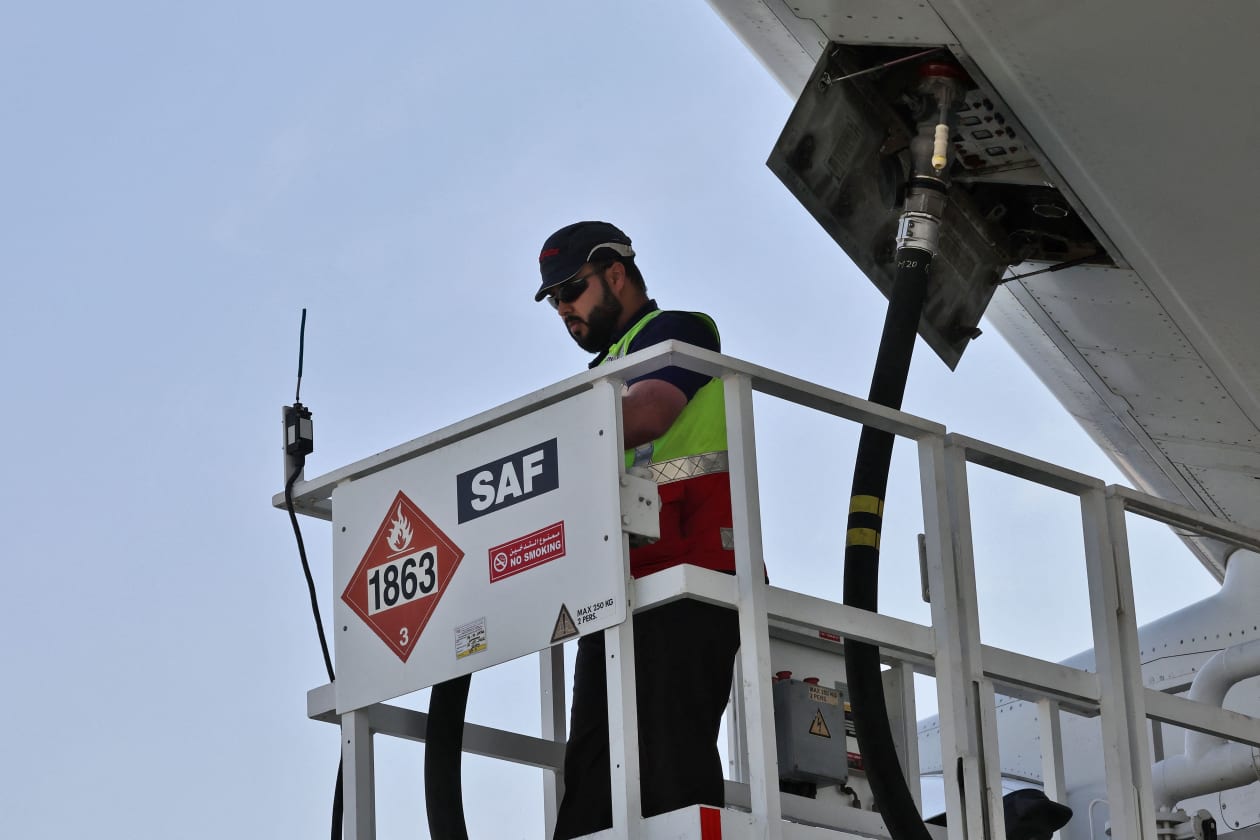
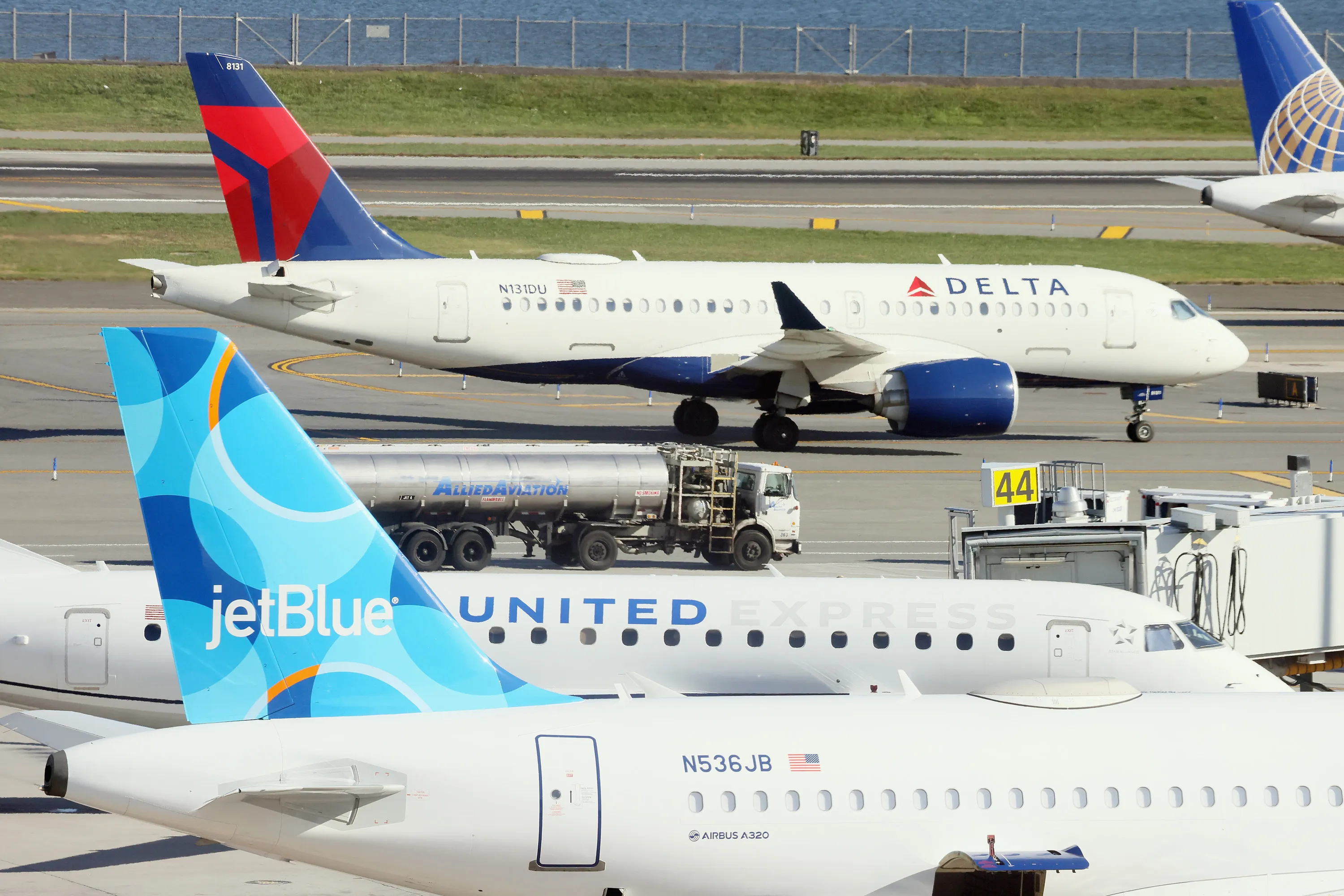
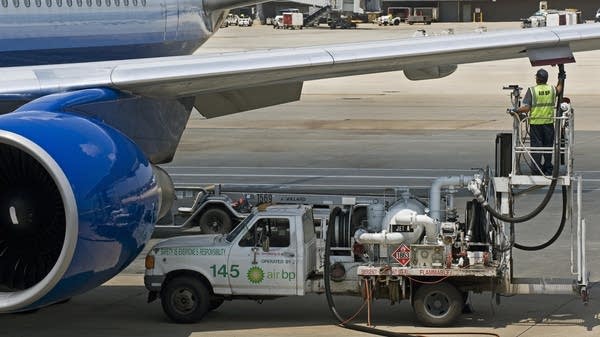
Geopolitical conflict has triggered a critical logistics cost shock for cross-border e-commerce sellers. Following the February 28, 2026 military action against Iran, jet fuel prices surged 58% within one week (as of March 6, 2026), with crude oil spiking from $70 to $120 per barrel before stabilizing around $90. This represents the most severe aviation fuel crisis since the 2022 Ukraine conflict, when a 40% oil price increase drove airline fares up 28% within weeks. For e-commerce sellers, this translates directly to higher air freight costs—the critical shipping method for time-sensitive international shipments.
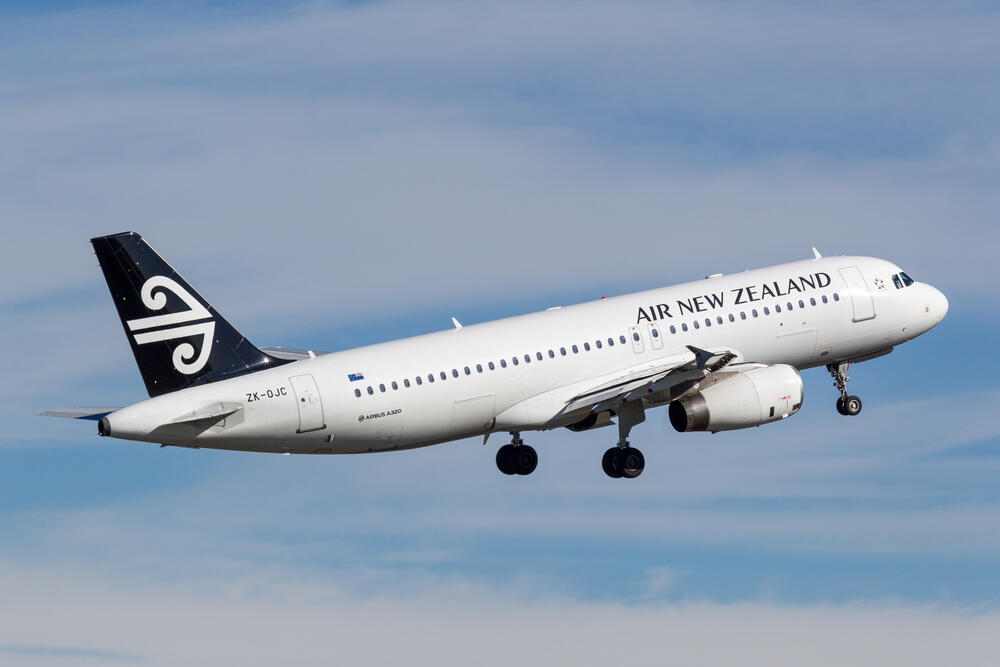
Air freight represents 8-12% of total logistics costs for sellers shipping perishables, electronics, and express-delivery items. The 58% jet fuel increase will cascade into air cargo rate increases of 20-30% based on historical precedent, compressing profit margins by $0.50-$2.00 per kilogram on premium shipping services. Sellers currently using air freight for next-day or 2-day international delivery face immediate margin compression. Major carriers including Air New Zealand and SAS have already announced fuel surcharges, while United Airlines CEO Scott Kirby confirmed that higher fuel costs will translate to fare increases "relatively quickly." Critically, most U.S. carriers discontinued fuel hedging practices years ago, leaving them fully exposed to market volatility without protective mechanisms—meaning cost increases will flow directly to shippers.
Immediate logistics strategy shifts are essential to protect profitability. Sellers should immediately audit their air freight shipment volumes by product category and destination market. For non-urgent shipments (7-14 day delivery windows), shifting to ocean freight can reduce costs by 60-75% despite longer transit times—a viable strategy for inventory replenishment and bulk orders. For time-critical categories (electronics, fashion, perishables), sellers must either absorb higher shipping costs, increase retail prices by 8-15%, or shift to hybrid fulfillment models using regional warehouses. Amazon FBA sellers should evaluate whether FBA air shipments from Asia to North America will trigger higher inbound fees, potentially making 3PL fulfillment more cost-effective. Sellers should monitor airline announcements weekly and lock in air freight rates immediately if planning Q2-Q3 shipments, as rates typically increase 15-25% within 2-3 weeks of fuel price spikes.
Questions 7
How will this fuel crisis impact Amazon FBA inbound shipping costs?
Amazon FBA inbound fees are calculated separately from carrier rates, but air freight cost increases will indirectly pressure FBA economics. Sellers shipping inventory from Asia to North America via air freight will see landed costs increase 8-12%, potentially triggering FBA fee recalculations if Amazon adjusts inbound surcharges. Sellers should audit their FBA shipment mix: if >30% of inventory arrives via air freight, evaluate shifting to slower ocean freight (accepting 30-45 day inventory cycles) or using 3PL fulfillment for faster-moving SKUs. Monitor Amazon Seller Central announcements for any fuel surcharge adjustments to FBA inbound fees.
Should sellers shift from air freight to ocean freight immediately?
Ocean freight offers 60-75% cost savings but requires 20-30 day transit times, making it viable only for non-urgent inventory replenishment and bulk orders. Sellers should implement a hybrid strategy: use ocean freight for seasonal inventory builds (plan 60-90 days ahead), shift to air freight only for emergency restocks and time-critical orders. For Amazon FBA sellers, calculate whether higher inbound air freight fees make 3PL fulfillment more cost-effective. Perishable sellers should prioritize ocean freight for non-perishable components while maintaining air freight for final-mile perishable items only.