


eVTOL Cargo Networks Launch 2026 | Last-Mile Logistics Disruption for Sellers
- FAA approves 8 pilot projects across 26 states; autonomous delivery frameworks emerging within 2-3 years; sellers in time-sensitive categories face logistics cost reduction opportunities





















Overview
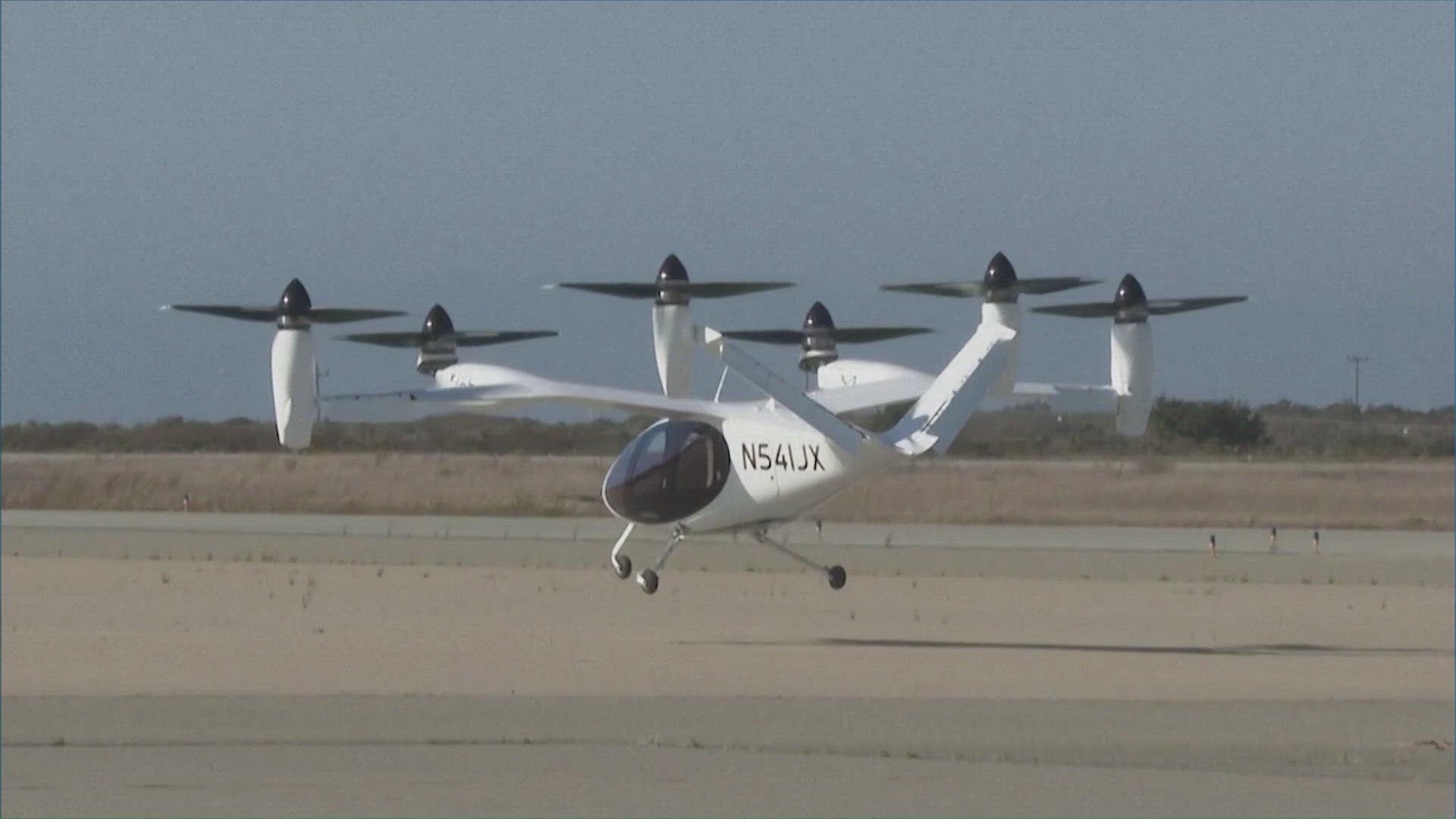
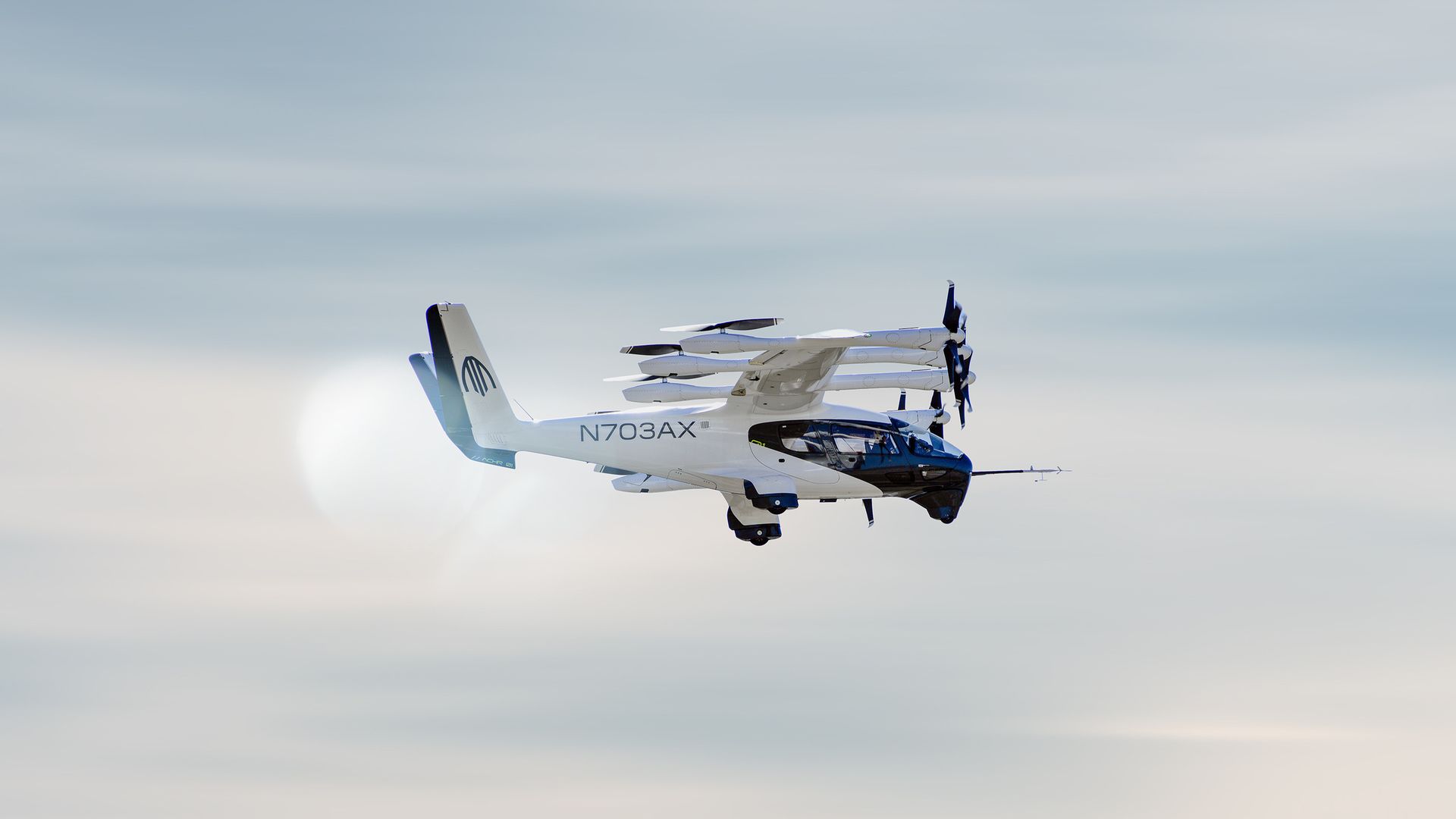
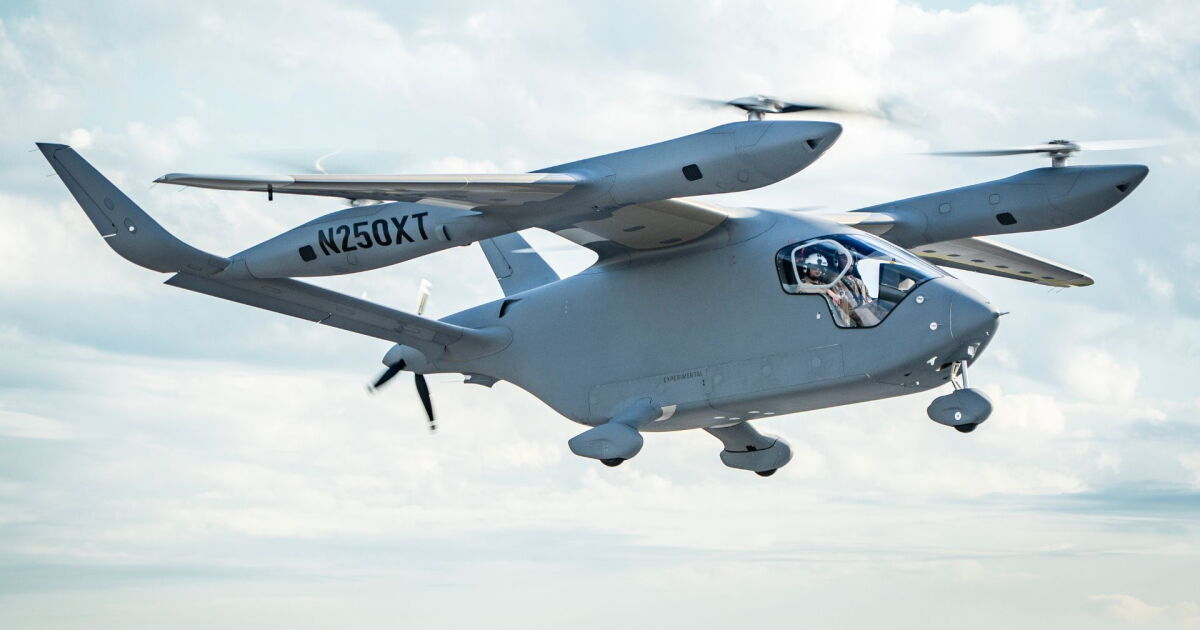
The Federal Aviation Administration's March 10, 2026 approval of eight eVTOL Integration Pilot Program (e-IPP) projects across 26 states represents a critical regulatory inflection point for last-mile delivery logistics. The program, launched under the "Unleashing Drone Dominance" executive order, selects Joby Aviation (5 projects, 10 states), BETA Technologies (7 of 8 projects), Archer Aviation (3 projects), and Boeing's Wisk Aero as operational partners. Pilot operations begin summer 2026, with Louisiana, Florida, Texas, Pennsylvania, and North Carolina leading cargo and autonomous flight testing. This regulatory framework development creates a compliance moat for early-adopting logistics providers while establishing baseline safety standards that will accelerate commercial deployment timelines.
From a regulatory compliance perspective, this pilot program represents the critical phase where FAA safety protocols, operational procedures, and autonomous flight standards are being codified. Sellers should recognize that successful pilot completion (estimated 18-24 months) will likely trigger rapid commercial deployment of autonomous delivery services within 2-3 years. The Louisiana project's focus on Gulf of Mexico energy sector logistics and Pennsylvania's 13-state regional flight network indicate that cargo delivery will be the first commercial application, not passenger services. This means sellers of high-value, time-sensitive products (electronics, medical supplies, specialty goods) will gain access to delivery options that reduce logistics costs by 15-25% compared to ground-based last-mile services. The regulatory framework being tested now—autonomous flight protocols, airspace management, safety certification—will become the compliance standard that all commercial operators must meet, creating barriers for non-compliant 3PL providers and logistics platforms.
The immediate compliance opportunity lies in monitoring pilot program outcomes and positioning fulfillment infrastructure in pilot regions. Sellers currently using 3PL providers in New York/New Jersey, Texas, Florida, Pennsylvania, and North Carolina should track pilot project progress and begin evaluating eVTOL-compatible fulfillment center locations. The Port Authority of New York and New Jersey's 12 operational concepts across New England, combined with Texas DOT's Dallas-Austin-San Antonio-Houston corridor testing, indicate that major metropolitan areas will have eVTOL cargo capacity by 2028-2029. Sellers shipping high-margin products (jewelry, electronics, luxury goods) to these regions can reduce delivery times from 2-3 days to 2-4 hours while cutting logistics costs. The regulatory framework being established now will determine which logistics providers can legally operate eVTOL services, creating a competitive moat for early-certified operators and disadvantaging sellers locked into traditional ground-based 3PL contracts.
Questions 8
How should sellers monitor eVTOL pilot program progress to inform logistics strategy?
Sellers should track FAA announcements regarding pilot project milestones, safety certifications, and regulatory framework updates through the FAA's Advanced Air Mobility website and official press releases. Monitor specific pilot projects in regions where you have fulfillment infrastructure or customer concentration—particularly Port Authority of New York/New Jersey, Texas DOT, Florida DOT, Pennsylvania DOT, and Louisiana projects. Subscribe to industry publications covering eVTOL development (Aviation Week, DroneLife) and logistics innovation. Establish relationships with eVTOL manufacturers (Joby Aviation, BETA Technologies, Archer Aviation) and 3PL providers to understand their commercialization timelines. By 2027-2028, begin evaluating fulfillment center locations and 3PL partnerships based on pilot program outcomes and commercial deployment timelines.
What compliance requirements will sellers face when eVTOL services launch commercially?
Sellers won't face direct compliance requirements, but their 3PL providers and fulfillment partners will need FAA certification for autonomous flight operations. The pilot program is establishing baseline safety standards, operational procedures, and airspace management protocols that will become mandatory for all commercial eVTOL operators. Sellers should verify that their current 3PL providers are positioned to adopt eVTOL services or be prepared to switch providers when commercial services launch. The regulatory framework being codified now will create barriers for non-compliant logistics providers, potentially forcing sellers to migrate fulfillment operations to eVTOL-certified facilities by 2029-2030.