



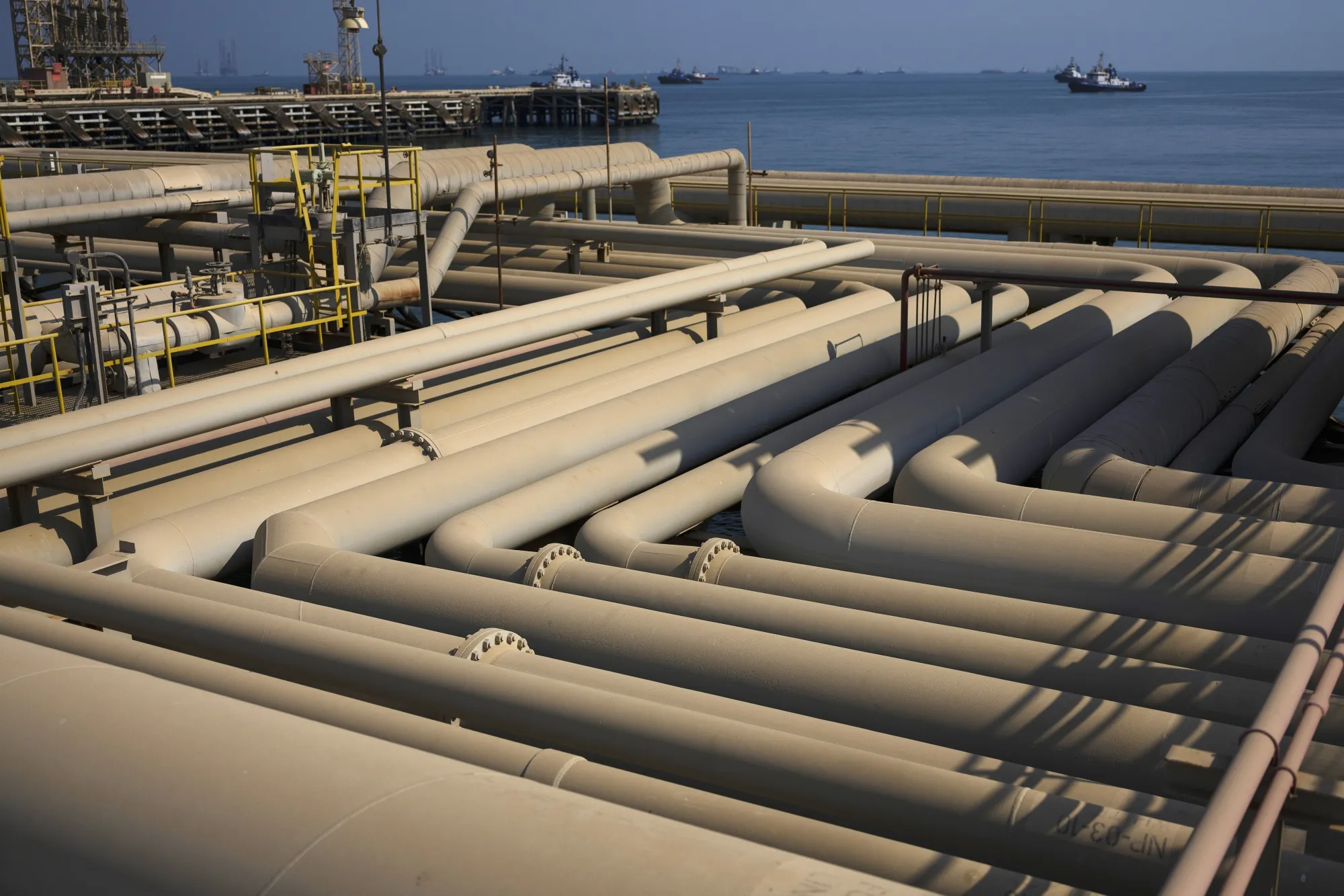
Global Energy Crisis Drives 21% Fuel Surge | Cross-Border Logistics Under Pressure
- U.S. gas prices hit $3.54/gallon (21% monthly increase); Asia faces jet fuel shortages by April; sellers face 8-15% shipping cost increases and multi-month supply chain delays





Overview
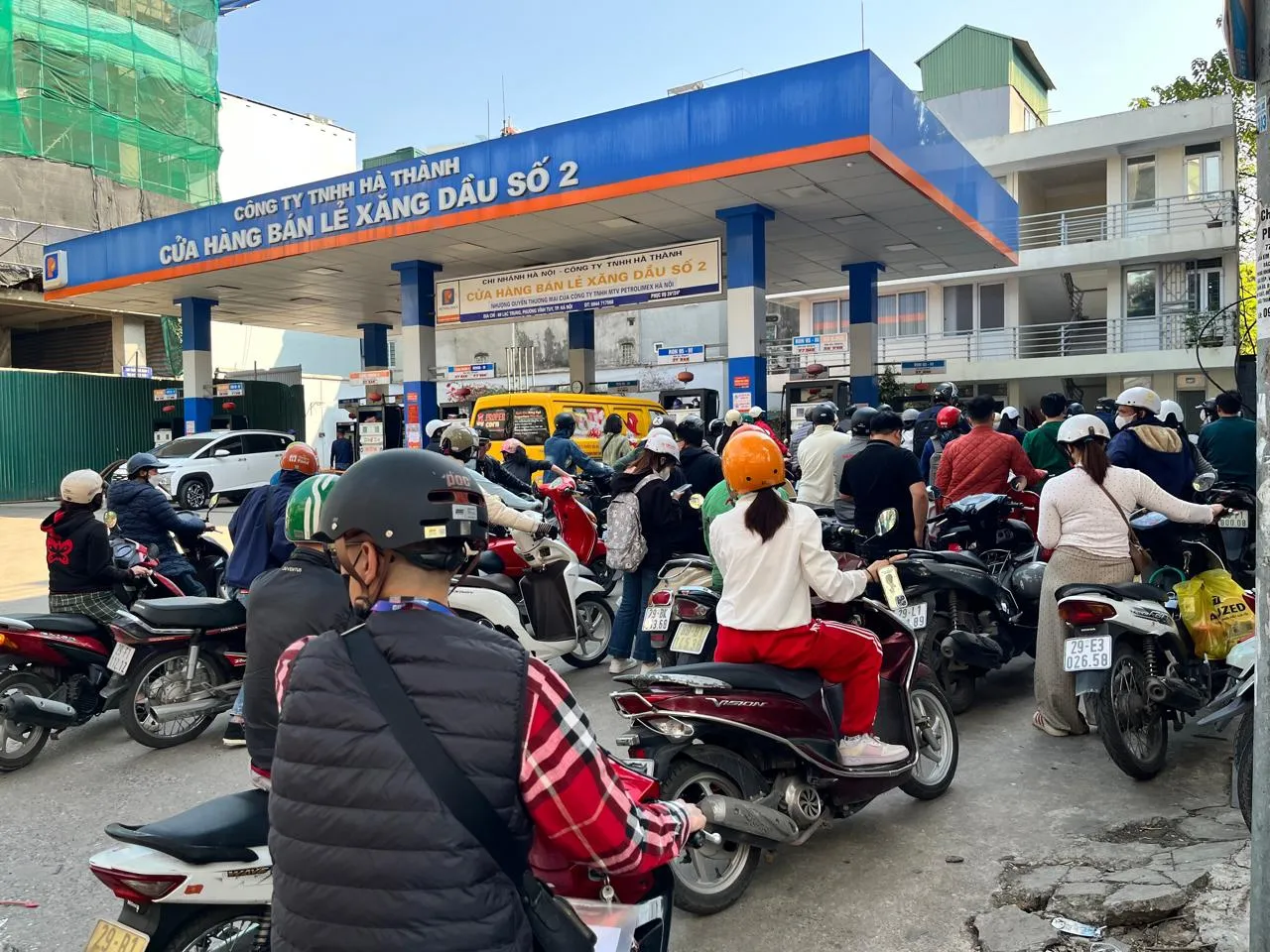
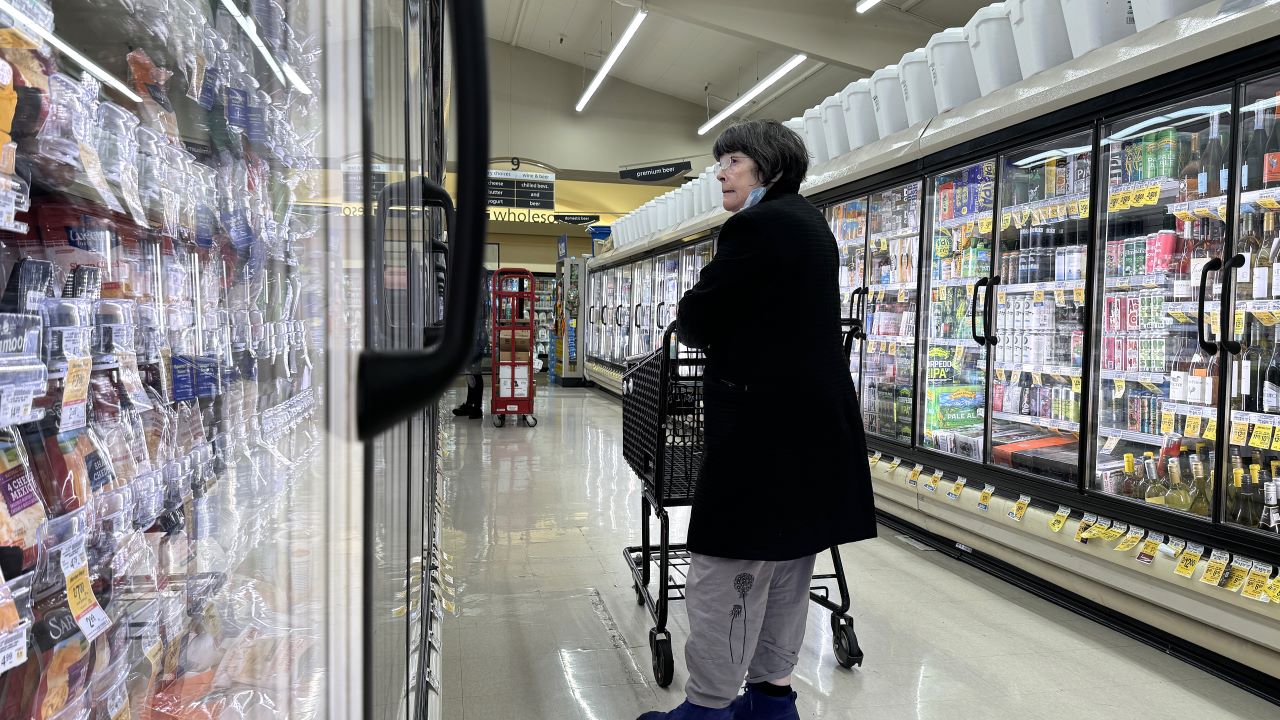
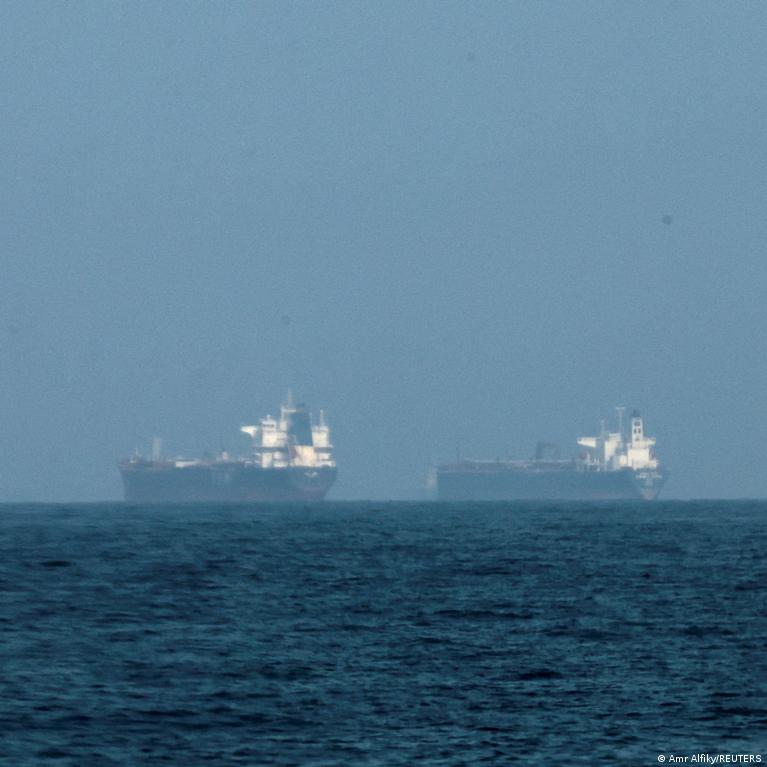
The convergence of geopolitical conflict in the Middle East and Asia's energy crisis represents the most significant logistics disruption for cross-border e-commerce sellers since 2020. U.S. gas prices surged to $3.54 per gallon on March 10, 2026—a 21% monthly increase—following the U.S.-Israeli strike on Iran and subsequent Strait of Hormuz disruption, which industry analysts characterize as the largest oil supply disruption in history. Simultaneously, Asia-Pacific faces unprecedented energy constraints: Vietnam's civil aviation authority warned of jet fuel shortages beginning early April, Thailand mandated government work-from-home arrangements, and the Philippines implemented a four-day work week with air-conditioning capped at 24°C (75°F). These dual crises create a perfect storm for seller profitability and operational continuity.
Immediate Logistics Cost Impact: Sellers relying on air freight for time-sensitive shipments face acute cost pressures, with industry projections suggesting 8-15% increases in fulfillment expenses through Q2 2026. Last-mile delivery costs in the U.S. will rise proportionally to fuel prices, directly compressing margins for sellers operating on 15-25% net margins. FBA sellers shipping to Asian fulfillment centers face potential 3-6 week delays as jet fuel shortages materialize, forcing inventory repositioning decisions. The Philippines' four-day work week directly impacts customs clearance processing, order fulfillment, and customer service operations—critical bottlenecks for sellers with 3PL partners in Manila and Cebu.
Strategic Sourcing and Market Shifts: Vietnam's tariff reduction on petroleum products signals potential cost advantages for sellers sourcing from Vietnamese manufacturers, though this benefit is offset by air freight constraints. The energy crisis creates a 4-6 month window where sellers with pre-positioned inventory in U.S. fulfillment centers gain competitive advantage over just-in-time competitors. Consumer purchasing power faces headwinds from elevated fuel costs, particularly affecting discretionary goods categories (apparel, home décor, electronics accessories) where demand elasticity is highest. Sellers should anticipate 5-12% demand reduction in non-essential categories through Q2 2026, while essential goods and energy-efficient products may see increased interest.
Compliance and Operational Complexity: Government work-from-home mandates in Thailand and the Philippines slow customs clearance, regulatory approvals, and administrative processing for import/export documentation. Sellers must increase inventory buffers by 20-30% to account for unpredictable transportation schedules and potential 2-3 week delays in Asian logistics hubs. The situation is projected to persist for several months, requiring sellers to diversify shipping routes away from air freight toward slower but more stable ocean freight alternatives, accepting 4-6 week transit times as the new baseline.
Questions 8
Which seller segments face the greatest financial pressure from this crisis?
Small to mid-sized sellers (annual revenue $500K-$5M) operating on 15-25% net margins face the greatest pressure, as 8-15% shipping cost increases directly compress profitability. Sellers relying heavily on air freight for Asian markets and those with just-in-time inventory models are most vulnerable. Sellers with pre-positioned inventory in U.S. fulfillment centers gain competitive advantage during this 4-6 month disruption window. Large sellers with diversified sourcing and established 3PL relationships can absorb cost increases more easily. Sellers in discretionary goods categories face dual pressure from both increased logistics costs and reduced consumer demand. Consider shifting 20-30% of inventory to slower ocean freight routes and increasing inventory buffers by 20-30% to mitigate both cost and demand risks.
What compliance risks do sellers face from government energy conservation measures?
Government work-from-home mandates in Thailand and the Philippines directly slow customs clearance, regulatory approvals, and administrative processing for import/export documentation. The Philippines' four-day work week reduces business hours for customer service, order processing, and supplier coordination. Sellers should expect 2-3 week delays in customs processing and regulatory approvals. Compliance risks include delayed shipment releases, increased demurrage charges, and potential penalties for missed deadlines. Sellers must file all documentation 5-7 days earlier than normal and establish direct contacts with customs brokers to navigate reduced government office hours. Monitor official government announcements from Vietnam, Thailand, and the Philippines for updates on fuel availability and potential further restrictions.