





Flexible Displays: The Next Frontier of Personalized Computing Experience
- Lenovo's Rollable Laptop Signals a Transformative Shift in Device Adaptability







































)


Overview
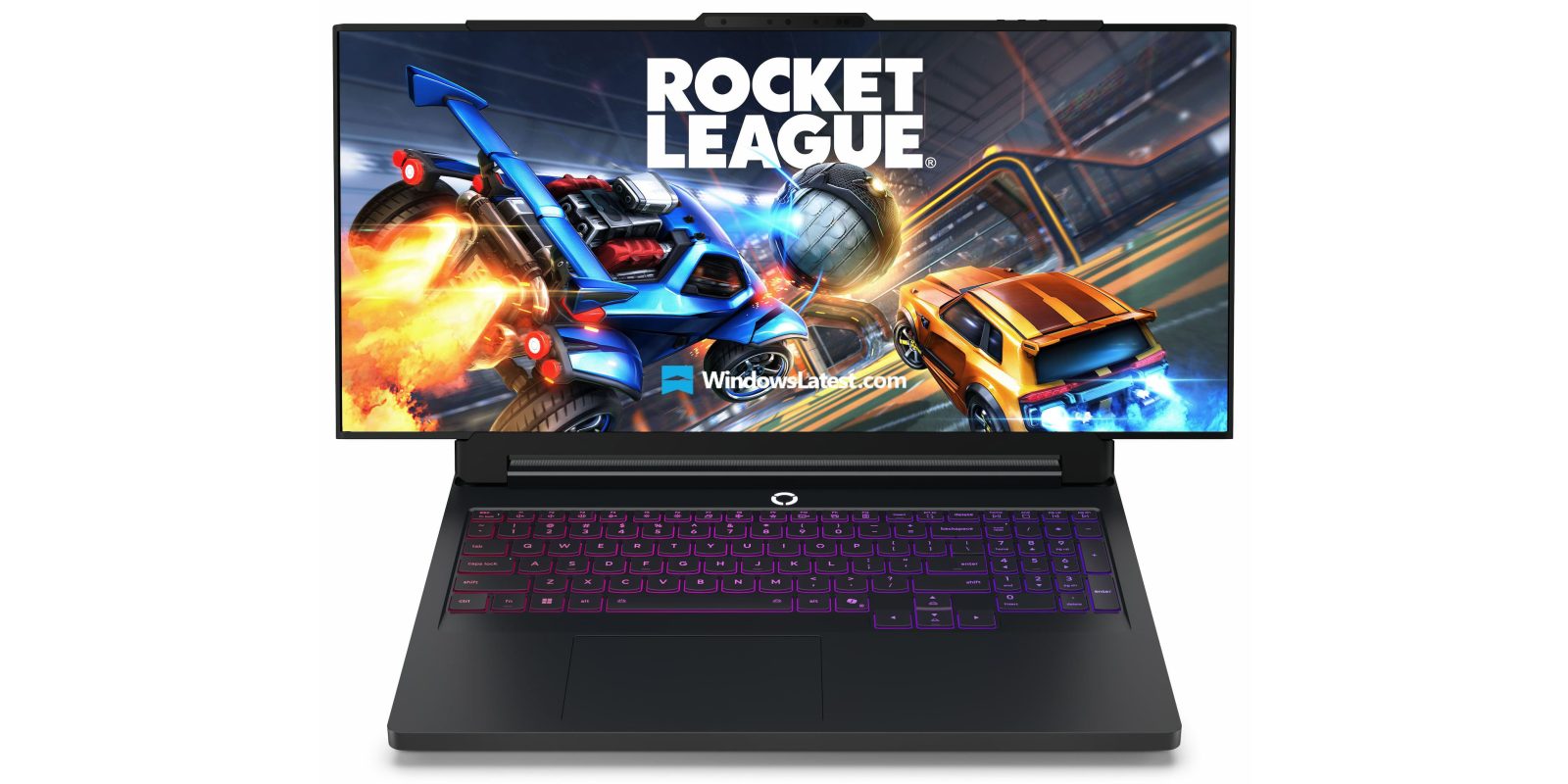
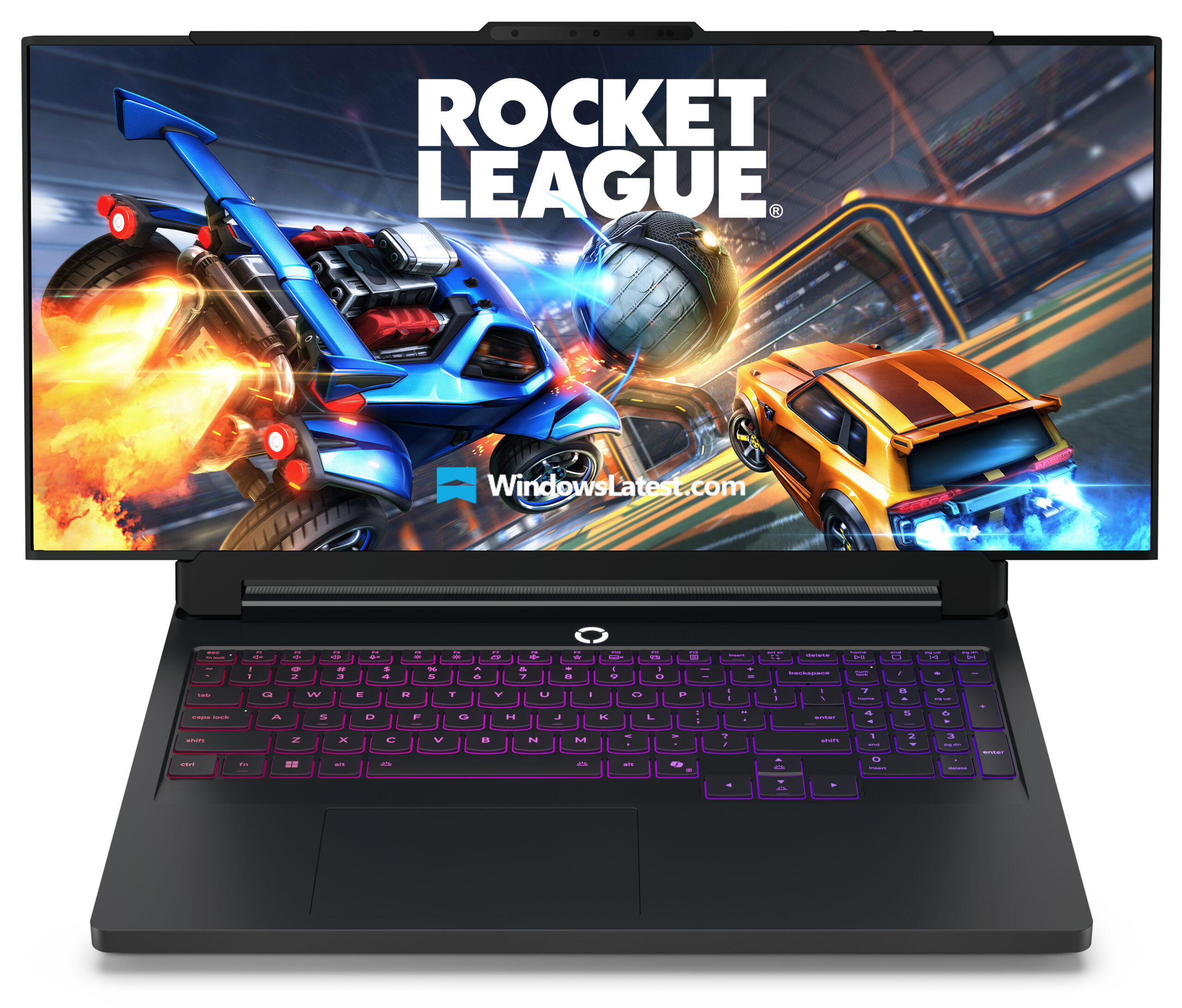
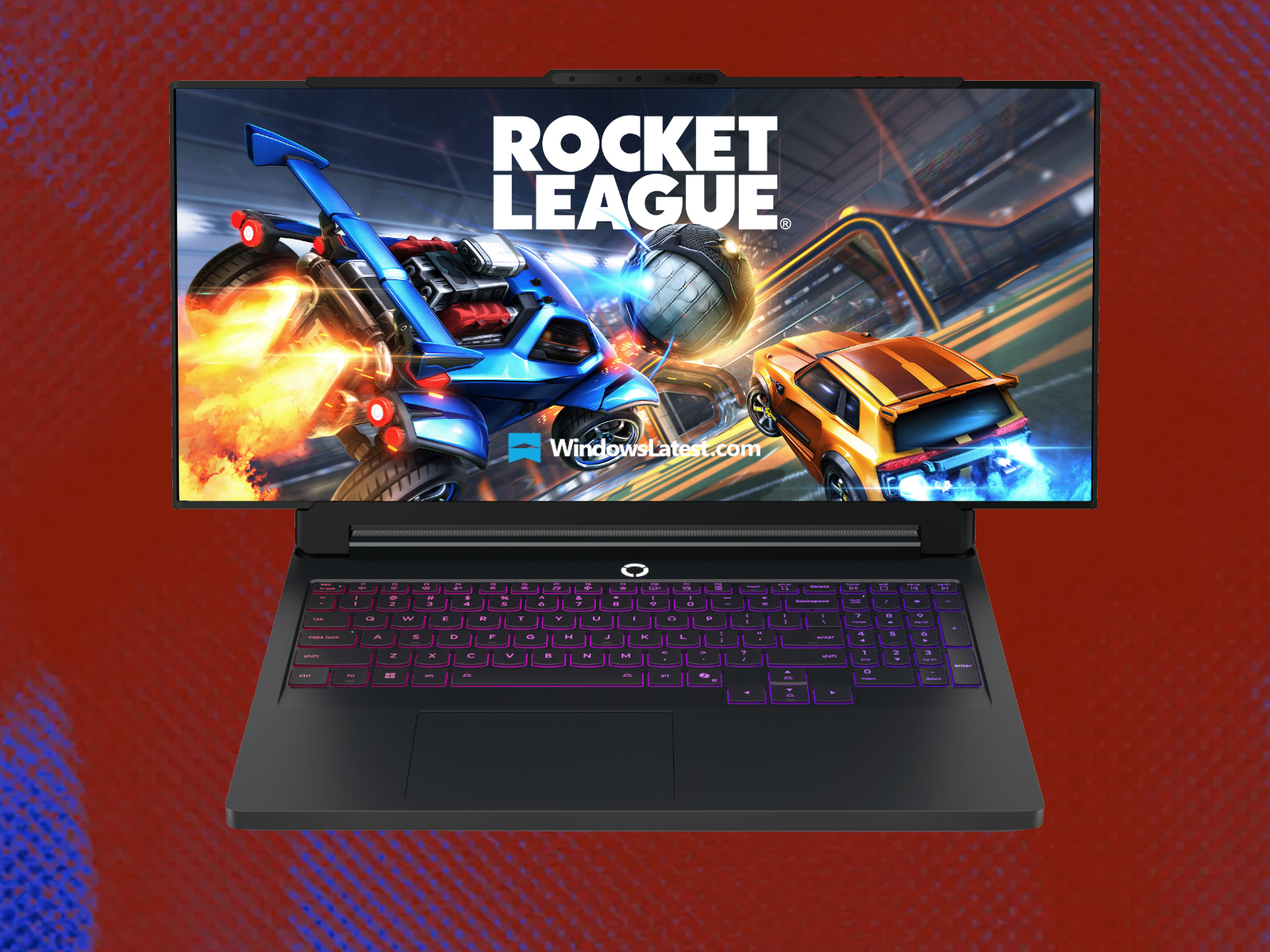
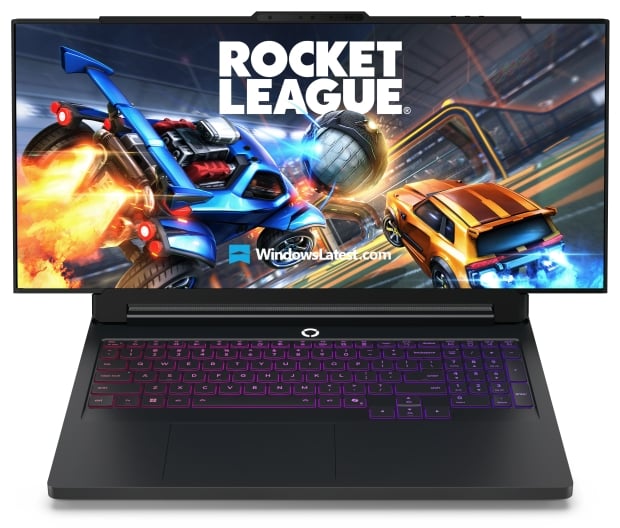
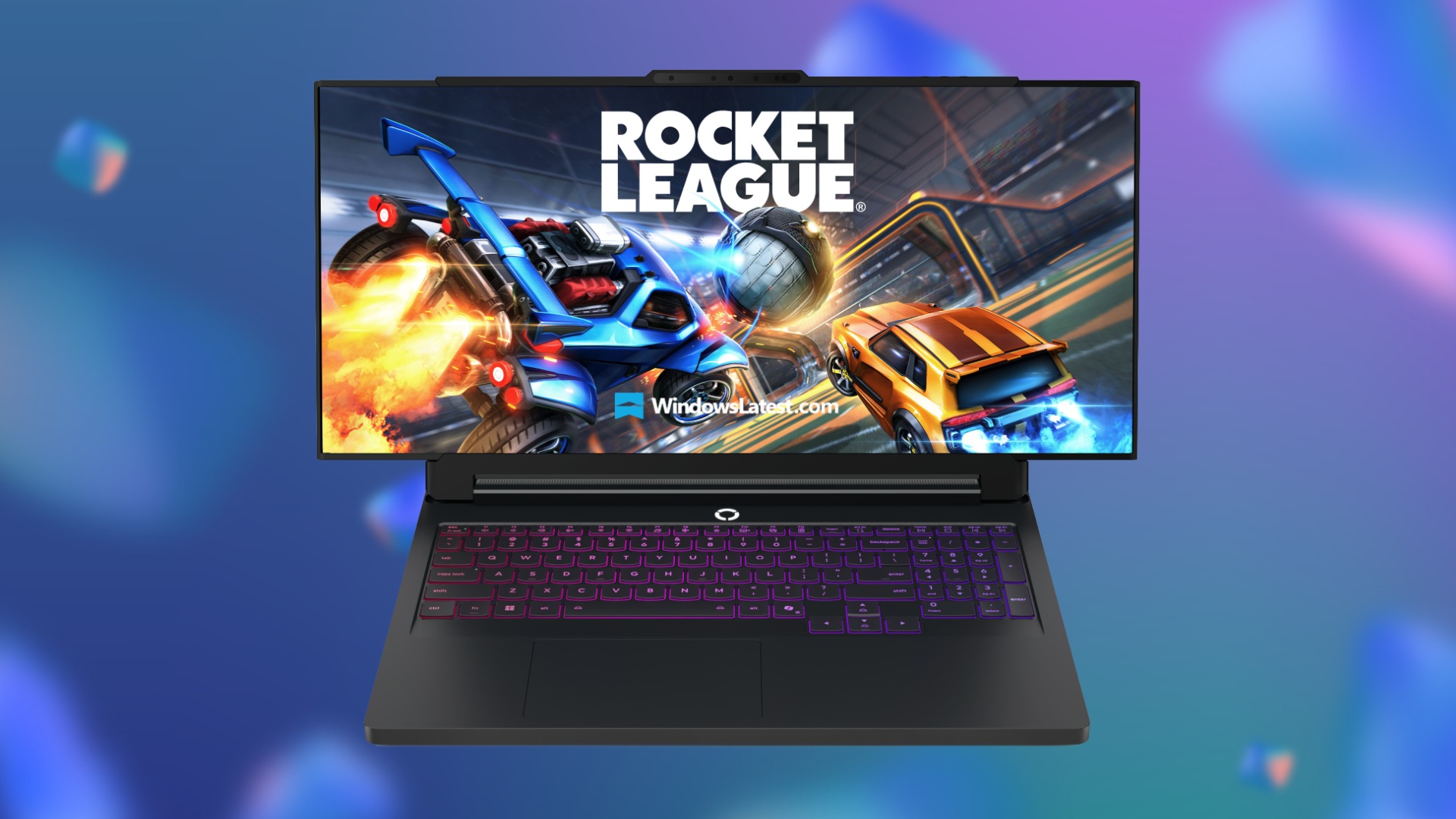
The convergence of flexible display technology and adaptive computing is rapidly reshaping our understanding of personal electronics. Lenovo's upcoming Legion Pro Rollable laptop represents a pivotal moment in this technological evolution, demonstrating how hardware can dynamically transform to meet user needs in real-time.
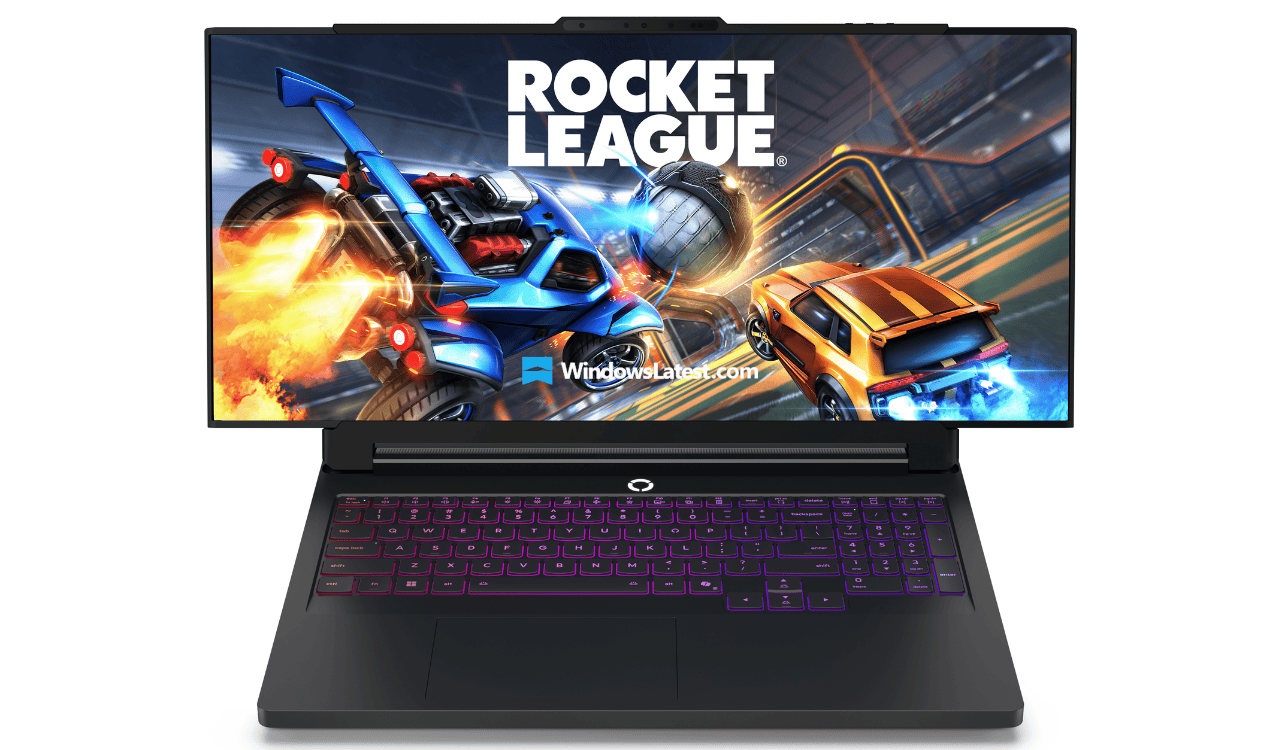
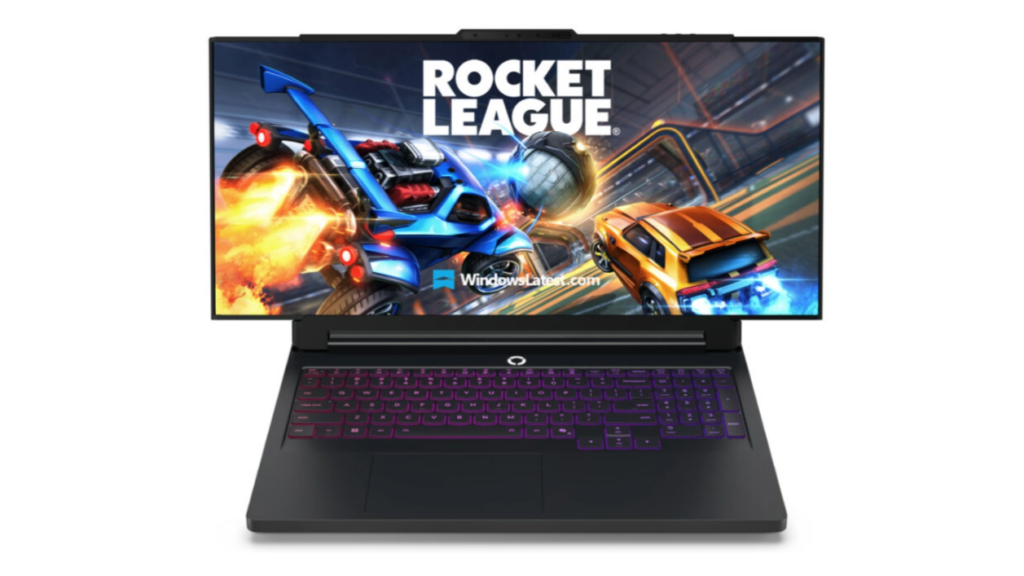
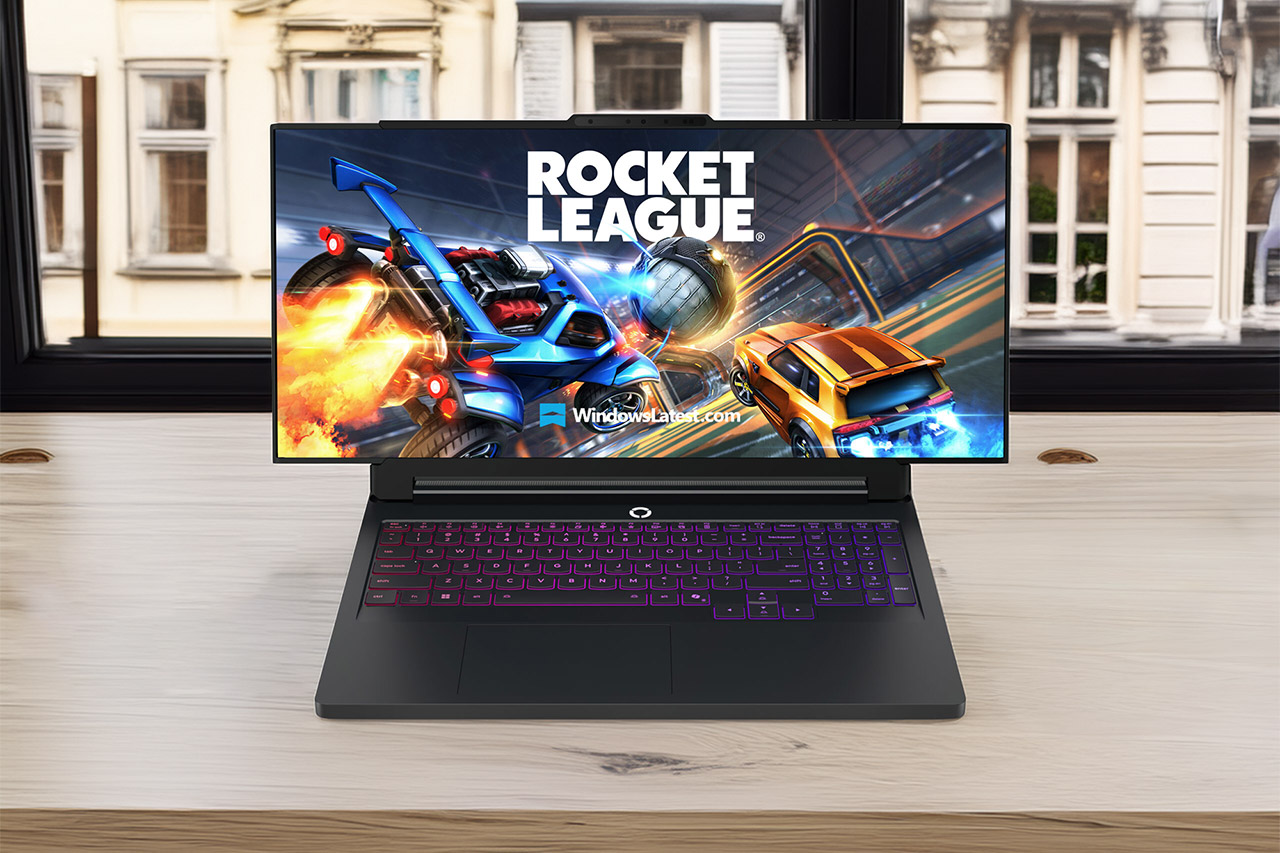
Innovative form factors are emerging as a critical differentiator in the competitive computing landscape. The Legion Pro Rollable's horizontally expandable display—stretching from a standard laptop to an ultrawide 21:9 aspect ratio—exemplifies a profound shift towards devices that can physically adapt to user contexts. By integrating a motorized spindle system with a tension frame, Lenovo is solving complex engineering challenges that have previously limited display flexibility.
The strategic implications are significant. Gaming and creative professionals represent the initial target market, but the technology's potential extends far beyond. The ability to dynamically reconfigure screen real estate without sacrificing portability could revolutionize how we interact with digital content. This isn't merely about screen size; it's about creating a more intuitive, responsive computing experience that seamlessly adjusts to different work and entertainment scenarios.
Technologically, the Legion Pro Rollable builds upon Lenovo's previous rollable experiments, addressing key challenges through a thicker chassis and advanced mechanical design. The expected 120 Hz refresh rate and potential AI-enhanced features suggest this isn't just a novelty, but a serious computing platform designed for high-performance users.
The broader trend points towards a future where device boundaries become increasingly fluid. As display technologies advance, we can anticipate computing devices that can physically transform, offering unprecedented flexibility without compromising performance or portability. Lenovo's approach represents a critical step in reimagining the relationship between users and their digital tools.
Questions 4
How does the Lenovo Legion Pro Rollable differ from traditional laptops?
Unlike traditional laptops with fixed screens, the Legion Pro Rollable features a horizontally expandable display that can transform from a standard laptop to an ultrawide 21:9 aspect ratio, offering unprecedented screen flexibility through a motorized spindle mechanism.
Who is the target market for this innovative laptop?
The primary target markets are gaming enthusiasts and creative professionals who require adaptable screen configurations and high-performance computing without compromising portability.