
St. Louis Use Tax 2026 | Brick-and-Mortar Retail Leveling Field Creates O2O Opportunities
- Online sales tax enforcement could shift $30-75M annually to local retailers, reshaping furniture, industrial equipment, and high-ticket goods distribution strategies across Midwest markets
Overview
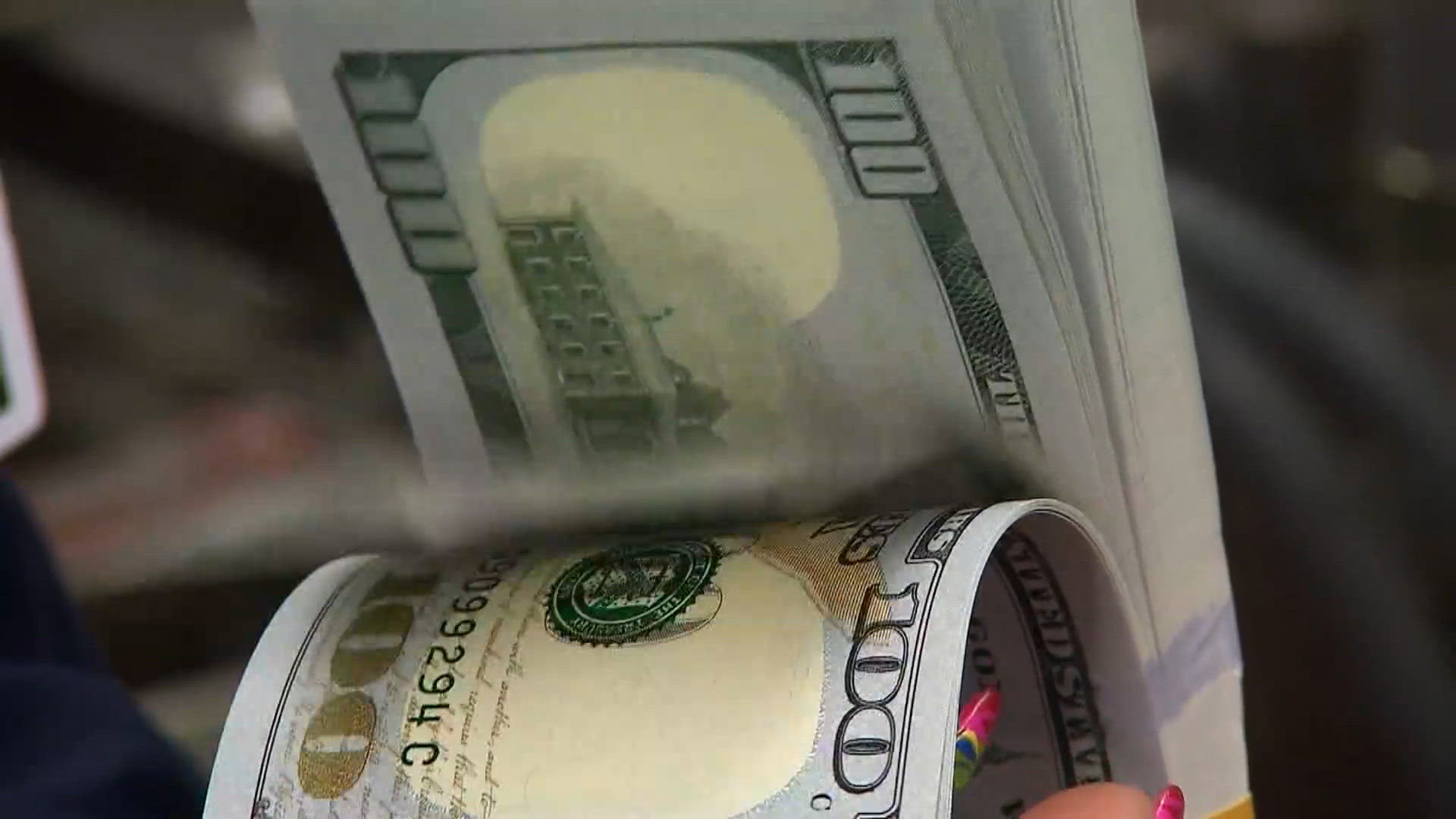
The St. Louis County Council's March 10, 2026 advancement of a use tax proposal represents a critical inflection point for offline retail strategy and O2O integration. The proposed measure would apply sales tax to out-of-state and online purchases currently escaping local taxation, directly addressing a 3% tax disadvantage that local brick-and-mortar retailers face against online competitors. A $1,000 furniture purchase at a local store incurs $30 in sales tax, while identical online purchases generate zero local revenue—a structural inequity that has driven consumer preference toward e-commerce channels.
The fiscal impact is substantial and category-specific. High-ticket industrial goods represent the largest opportunity: a single Chesterfield company's $5 million generator purchase generated $150,000 in uncollected use tax, illustrating how B2B and commercial equipment sales have migrated online. Projected annual revenue of $30-75 million signals that St. Louis County represents a significant market where local retailers currently operate at a competitive disadvantage. This creates immediate O2O conversion opportunities for online sellers to establish offline touchpoints and capture price-sensitive customers who currently avoid local retail due to tax burden.
For retail operations and O2O strategy, this development reshapes the competitive landscape across three dimensions. First, furniture and home goods categories (the $1,000 example cited) represent high-margin opportunities for pop-up showrooms and temporary retail partnerships in St. Louis, Kansas City, and Springfield—cities where local retailers are actively seeking online seller partnerships to level the playing field. Second, industrial equipment and B2B goods (generators, machinery, commercial supplies) present the highest-value O2O plays; sellers currently operating pure-play online models can establish regional showrooms or partner with local distributors to capture the 3% tax-driven price advantage while building brand trust through offline presence. Third, the August 2026 ballot decision creates a 6-month window for sellers to establish offline presence before tax enforcement begins, making this a time-sensitive market entry opportunity.
The proposal faces resistance from cost-conscious consumers citing inflationary pressures, but this actually strengthens the case for experiential retail strategies. Customers concerned about tax burden are precisely the demographic that values in-store comparison shopping, product demonstrations, and immediate fulfillment—all offline advantages that online-only sellers cannot provide. Retail chains and local distributors in the St. Louis region are actively seeking product partnerships to compete with Amazon and out-of-state online retailers; this creates partnership opportunities for cross-border sellers to gain shelf space and local market penetration through established retail networks.
Questions 8
Which product categories offer the highest O2O opportunity in St. Louis County?
Industrial equipment and B2B goods represent the highest-value opportunity. The news cites a $5 million generator purchase that generated $150,000 in uncollected use tax—demonstrating that commercial equipment buyers are actively purchasing online to avoid local taxation. Furniture ($1,000+ items), appliances, and machinery are the three categories most affected. Sellers should target Chesterfield, Clayton, and suburban commercial zones where B2B buyers concentrate. A regional showroom or partnership with local industrial distributors could capture 10-20% of the currently tax-advantaged online market. Expected annual opportunity: $2-5M in new offline sales per seller in high-ticket categories.
What is the timeline for sellers to establish offline presence before tax enforcement?
The St. Louis County Council is scheduled for a final vote the week of March 10, 2026, with voter decision on the August 2026 ballot. This creates a 5-month window (March-August 2026) for sellers to establish pop-up locations, negotiate retail partnerships, or launch showrooms before use tax enforcement begins. Sellers should immediately identify potential retail partners and secure temporary retail space in high-traffic areas (malls, shopping centers, commercial districts). Quick-launch options include kiosk partnerships (30-60 day setup), pop-up agreements (60-90 days), and retail chain partnerships (90-120 days). Recommended action: Begin retail partnership outreach by April 2026 to secure locations by June 2026.