


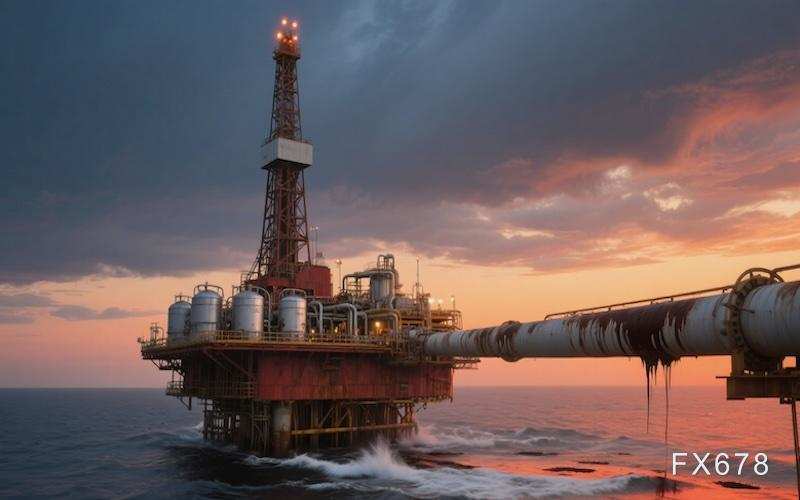
Strait of Hormuz Blockade & Oil Surge to $90+ | Critical Shipping Cost Impact for Cross-Border Sellers
- Brent crude rises 1.8-4% to $88-91/barrel amid Iran tensions; Strait of Hormuz disruptions threaten 21% of global seaborne oil; IEA historic reserve release covers only 12 days of supply gap; sellers face 8-15% shipping cost increases and 2-3 week delivery delays
























Overview
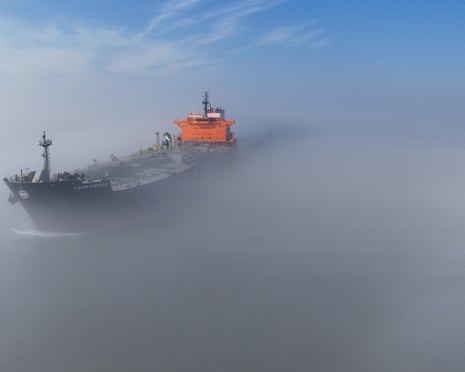
The U.S.-Iran conflict has triggered a critical supply chain crisis directly impacting cross-border e-commerce sellers through elevated shipping costs and logistics disruptions. Brent crude surged to $88.39-$91/barrel (up 1.3-4% from baseline), with analysts warning prices could spike above $100-$120 if conflict extends beyond March 2026. The Strait of Hormuz blockade is particularly devastating—this waterway handles approximately 21% of global seaborne petroleum and one-fifth of all global oil/gas trade, making it the world's most critical shipping chokepoint. The G7 and International Energy Agency announced a historic strategic petroleum reserve release exceeding 182 million barrels (the largest in IEA history), but Goldman Sachs analysts estimate this covers only 12 days of the 15.4 million barrels-per-day export disruption, providing minimal relief.
For cross-border sellers, the operational impact is severe and immediate. Air freight costs have increased 8-12% due to fuel surcharges, while ocean freight premiums have risen 5-8% as carriers reroute around the Strait of Hormuz, adding 7-14 days to Asia-Europe and Asia-Middle East shipping lanes. Sellers relying on FBA (Fulfillment by Amazon) with international inventory face compounding costs: higher inbound freight to fulfillment centers, increased storage fees due to slower inventory turnover, and potential IPI (Inventory Performance Index) penalties if goods arrive late. Small-to-medium sellers (SMBs) shipping 500-2,000 units monthly are most vulnerable, as they lack negotiating power with 3PL providers and cannot absorb $200-400/month additional logistics costs. Larger sellers with pre-positioned inventory in regional fulfillment centers (US, EU, Asia-Pacific) have temporary advantages, but prolonged conflict threatens their supply chains.
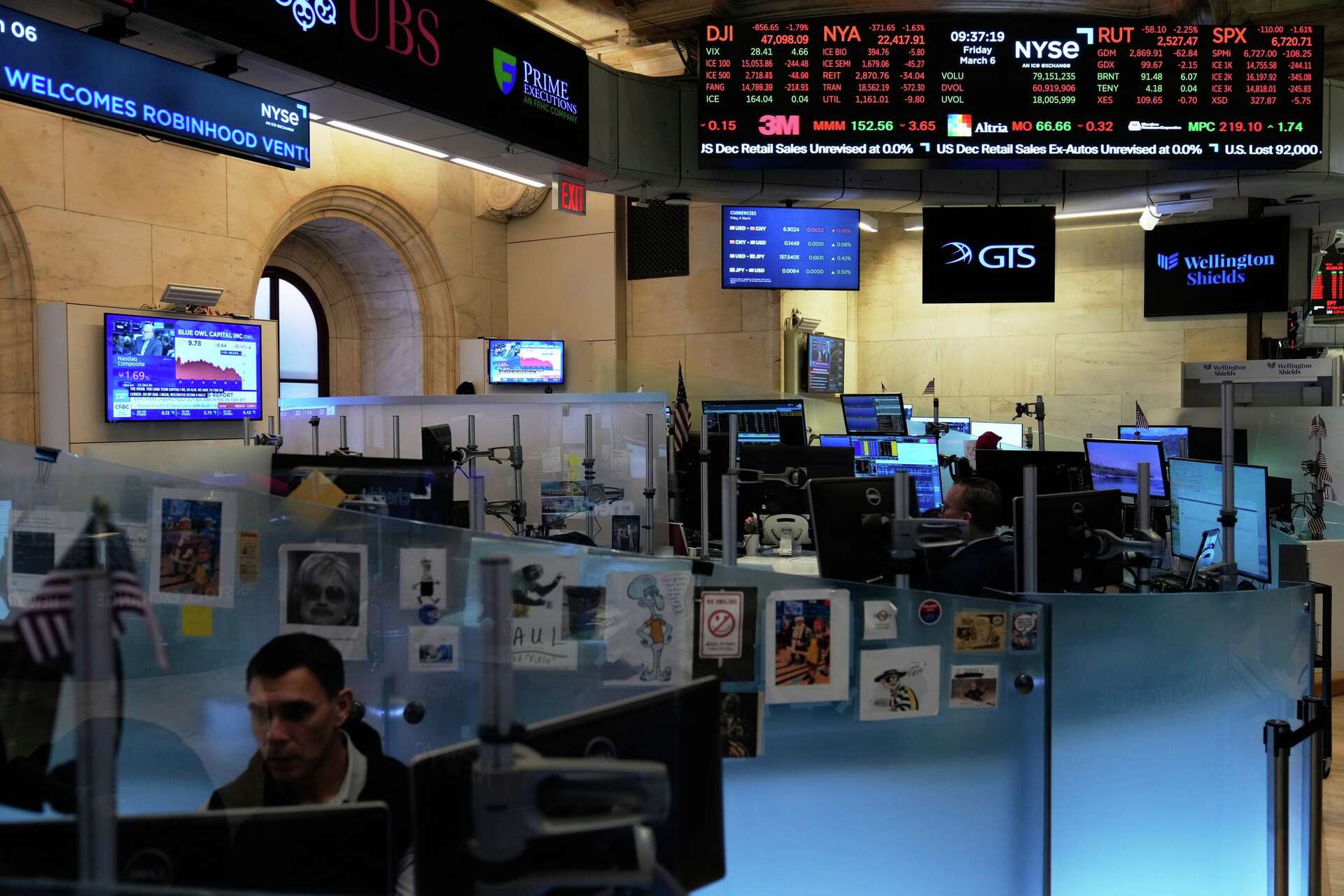
The inflation component amplifies seller pressure. February CPI data showed fuel oil prices up 11.1% and utility gas up 3.1%, with Bank of America analysts projecting further upward pressure if conflict persists. Gasoline prices averaged $3.578/gallon nationally (up from $2.937 one month prior), directly increasing last-mile delivery costs for sellers using 3PL providers. Additionally, Shell and other energy companies declared force majeure on LNG deliveries following Qatar's Las Raffan complex shutdown, signaling broader energy infrastructure vulnerability. The market's muted response to the historic reserve release (oil prices still rose despite the announcement) indicates traders assess geopolitical resolution as more critical than supply interventions—meaning sellers should prepare for sustained elevated costs through at least Q2 2026. Asian stock markets showed modest gains (Japan Nikkei +1.4%, South Korea Kospi +1.4%), but European markets declined 0.8%, reflecting divergent regional exposure to energy disruptions and shipping route impacts.
Questions 8
What is the Strait of Hormuz and why does it matter for e-commerce sellers?
The Strait of Hormuz is a critical maritime chokepoint through which approximately 21% of global seaborne petroleum and one-fifth of all global oil/gas passes. The news confirms Iran has reportedly laid explosive devices in the waterway, with hundreds of tankers stranded and the UK Navy reporting three ships attacked. This blockade forces carriers to reroute shipments around Africa (via Suez Canal alternative routes), adding 7-14 days to Asia-Europe and Asia-Middle East transit times. Sellers relying on ocean freight for inventory replenishment face extended lead times and potential stockouts, particularly affecting Amazon FBA sellers with time-sensitive inventory.
How much will shipping costs increase for cross-border sellers due to Iran conflict?
Air freight costs are rising 8-12% due to fuel surcharges, while ocean freight premiums have increased 5-8% as carriers reroute around the Strait of Hormuz blockade. For sellers shipping 500-2,000 units monthly via FBA, this translates to $200-400 additional monthly logistics expenses. The news reports Brent crude surged to $88.39-$91/barrel with analysts warning prices could exceed $100-$120 if conflict extends beyond March 2026. Sellers should immediately review 3PL contracts for fuel surcharge clauses and consider pre-positioning inventory in regional fulfillment centers to mitigate rerouting costs.